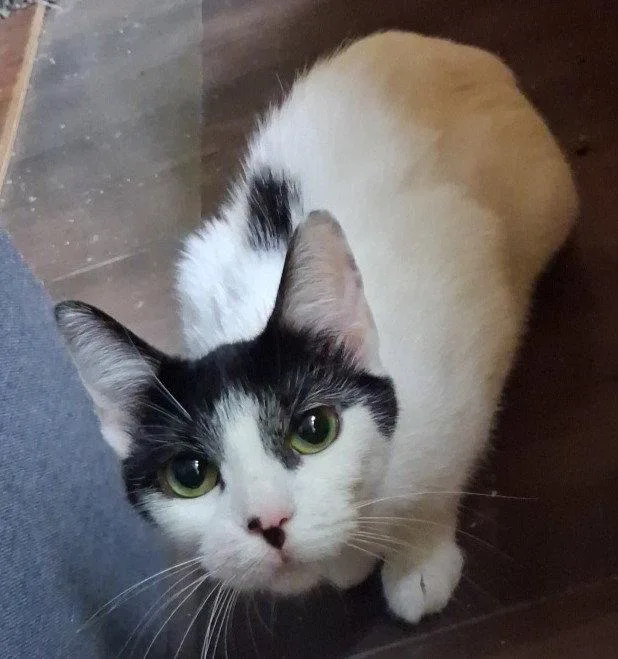
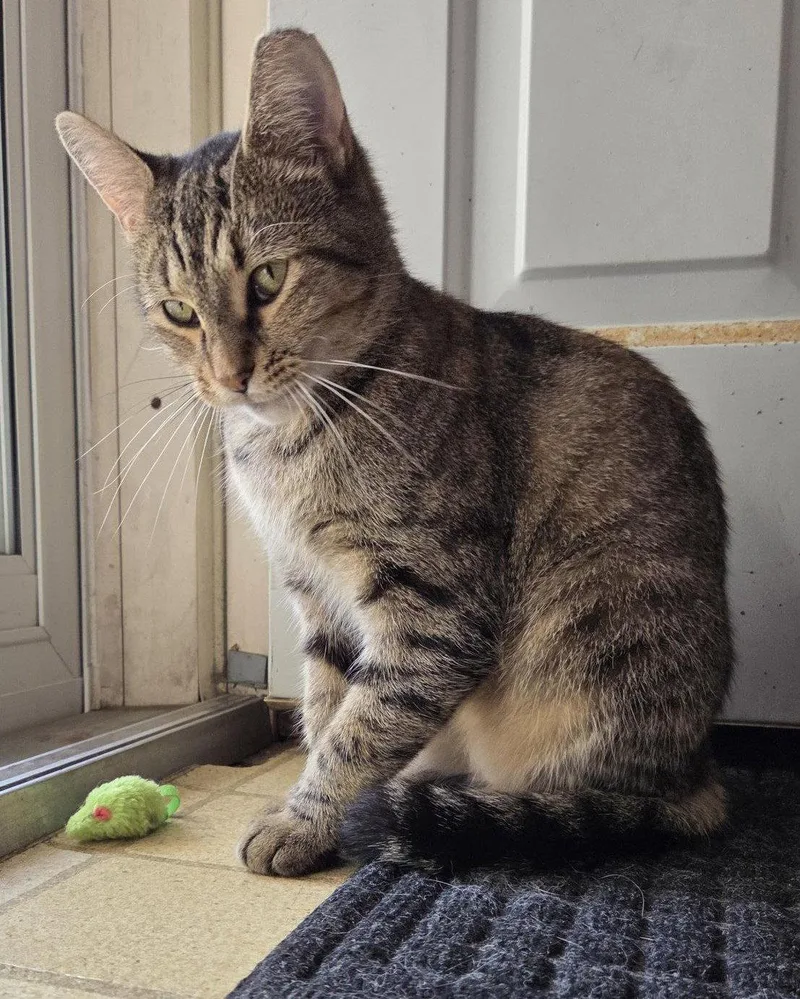
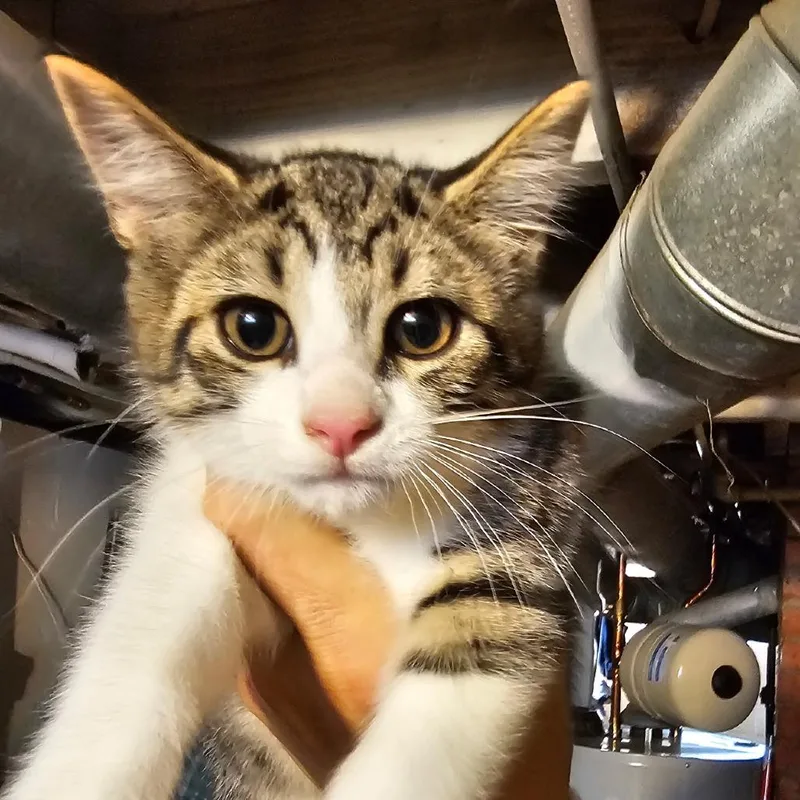
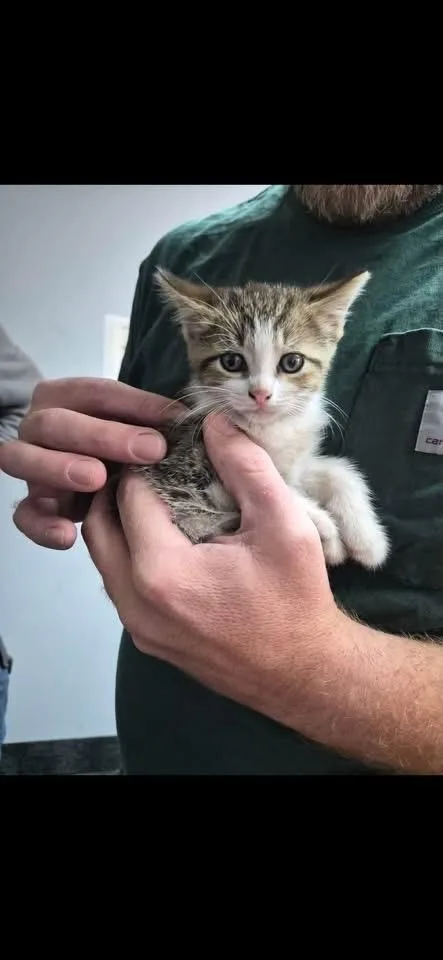
Domestic Short Hair Cats for Adoption in Mentor, OH

Your guide to finding and caring for a Domestic Short Hair in Mentor

Domestic Short Hairs suit Mentor's quiet streets because a sunny window over the yard is half of what they ask for. DSH isn't a breed but a label for short-coated cats of every color and personality, so you might meet a lap cat, a chatterbox or a shy watcher. The lake-effect winters here keep cats indoors for months, which makes a daily game with a wand toy part of the routine. Whether you're near Heisley Road or out toward Little Mountain, the cat's own temperament matters more than the address.

129424 Domestic Short Hairs available in Mentor and nationwide

Find your Domestic Short Hair

Domestic Short Hairs Available for Adoption Near Mentor

About the Domestic Short Hair breed

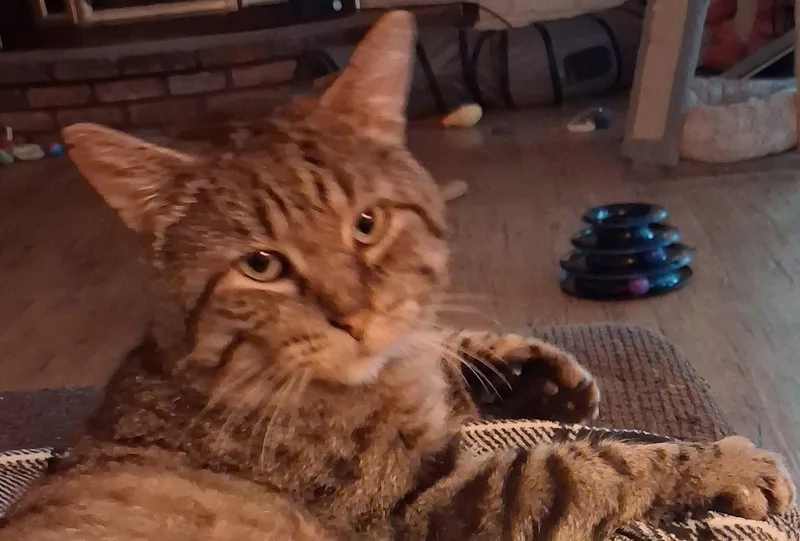
Domestic Short Hair is a type of cat rather than a breed: a short-coated cat of mixed or unknown ancestry, and the most common kind in American homes. Records often abbreviate it DSH, and it shouldn't be confused with pedigreed breeds such as the American Shorthair. Coats come in every color and pattern, from tabby and tuxedo to calico and solid black.

Most DSH cats are medium-sized and sturdy, usually 6 to 14 pounds, and the short coat sheds moderately all year. Personality varies widely: some cats are lap sitters, some are talkative, and others prefer to observe from a shelf. That adaptability helps in a house or a rental, so a cat's age and energy tell you more than its coat.

Weight
6–14 lbs
Height
8–10 in
Lifespan
12–18 yrs
Temperament
Adaptable, Curious, Affectionate
Shedding
Moderate

Owning a Domestic Short Hair in Mentor

Having a Domestic Short Hair in Mentor

DSH cats share a practical short coat, and little else is fixed. Energy, sociability and health needs depend on the cat's age and history, so in Mentor the best match comes from watching how a cat behaves, not from its looks.

Temperament

Domestic Short Hairs range from outgoing lap cats to shy, independent watchers, and no coat pattern predicts which. Many adjust well to new homes, other cats and calm dogs after gradual introductions. Kittens tend to be bold and playful, while adults show settled personalities, so choose a cat whose pace matches your household.

Exercise Needs

Plan on daily interactive play with wand toys, chase games and food puzzles. Young cats may want several short bursts a day, while seniors prefer gentler sessions. Mentor's long, snowy winters mean most of that play happens inside, so window perches, climbing shelves and scratching posts help burn energy between sessions.

Health Considerations

Mixed ancestry may lower the risk of some inherited conditions, but DSH cats still face obesity, dental disease and urinary problems, plus kidney disease, hyperthyroidism and diabetes in seniors. A vet can check a new cat's weight and teeth and advise on flea and tick prevention, since Ohio's blacklegged ticks have increased in wooded areas.

Living Space

These cats adapt to apartments and houses alike. Climbing shelves, scratching posts, hiding spots and a clean litter box matter more than square footage. Keeping cats indoors or in a secure enclosure protects them and local wildlife, and screens on windows and balconies prevent falls. A window facing a Mentor backyard gives a cat plenty to watch.

What it costs to own a Domestic Short Hair in Mentor

ExpenseTypical costPer year
Adoption fee$120, one time$120 in year one
Food$25 to $50 per month$300 to $600
Pet insurance$20 to $45 per month$240 to $540
Routine vet care$150 to $350 per year$150 to $350
Other*$450 to $1,150 per year$450 to $1,150
Estimated yearly total (after year one)$1,140 to $2,640
First-year total (with adoption fee)$1,260 to $2,760

Adoption fee is the fee on Domestic Short Hair listings in Mentor on GetBuddy today. Other costs are estimates and vary with size, age and health.

* Litter, flea and tick prevention, a dental cleaning allowance, toys, scratchers and other supplies, and minimal home grooming.

Adopt a Domestic Short Hair in Mentor.

Now that you know more, let’s find you a new best friend. These rescues and shelters below currently have Domestic Short Hairs available.

Rescues in Mentor with Domestic Short Hairs Available

Mentor's own humane society adopts out cats and dogs, and the county dog shelter sits just east in Painesville. Here are the rescues & shelters in the Mentor area where you can find Domestic Short Hairs and other cats available for adoption.

Frequently Asked Questions

Yes. No known breed rules apply in Mentor, and DSH describes a cat's coat rather than a breed. Domestic Short Hairs are the most common kind of cat in shelters, so watch the listings on this page and save a search to hear about new cats as they're posted. If you rent, confirm your landlord's pet policy before signing.

Often, yes, because DSH cats adapt to quiet suburban homes and to snowy winters spent indoors. They do best with daily play, a window perch and a clean litter box. Since temperaments vary widely, a cat's age and energy matter more than its coat, so compare the cats on this page by personality.

Yes, as indoor cats. Mentor winters bring lake-effect snow and long stretches below freezing, and a short coat isn't built for lengthy cold exposure. Keep cats inside, wipe paws after contact with salted walkways, and place beds away from drafts. A cat that slips outdoors during a cold snap needs to come in quickly.

Yes. DSH cats usually adapt to apartments when they have climbing space, scratching posts, hiding spots and a clean litter box. Rentals are less common in Mentor, so start your search early and get the landlord's pet policy and any deposit in writing. Secure screens on windows and balconies prevent falls.

Very little. A weekly brush handles most short coats, with a couple of sessions a week in spring and fall when shedding rises. Baths are rarely needed, and the small grooming allowance in the Other cost line covers it. Mats are uncommon, but overweight or senior cats may need a vet's or groomer's help.

Mentor is served by Laketran buses and has no rail. Service animals are welcome, but no pet policy is published, so don't count on a cat being allowed aboard. Check Laketran's current rules before planning a trip. For vet visits, a secure carrier in a car is the safest option.

Not usually. Ohio's patio law lets restaurants choose to welcome dogs outdoors, but it doesn't extend to cats, so a cat is best left at home. Most cats are happier in a familiar space anyway. If you're away for a long day, plan on a trusted sitter or a secure carrier.

Domestic shorthair cats typically live about 12 to 18 years, and many indoor cats reach their late teens or early twenties. Large UK veterinary studies have found mixed-breed cats tend to live slightly longer than pedigreed cats on average. Spaying or neutering, indoor living, a healthy weight, dental care and regular checkups all help a cat enjoy a longer life.

We have 2 rescues with Domestic Short Hairs available: Lake Humane Society and Purrfect Partners Ohio. You can see every rescue with Domestic Short Hairs available in the list above these questions, or scroll to the top to see the Domestic Short Hairs near Mentor.

Most owners spend roughly $1,140 to $2,640 a year on a Domestic Short Hair: food at $25 to $50 a month, insurance at $20 to $45 a month, routine vet care at $150 to $350 a year, and other costs such as litter, flea prevention and dental care at $450 to $1,150 a year. Medical emergencies cost extra.

Explore Other Breeds in Mentor

Looking for a different breed? Browse other cats available for adoption in Mentor.