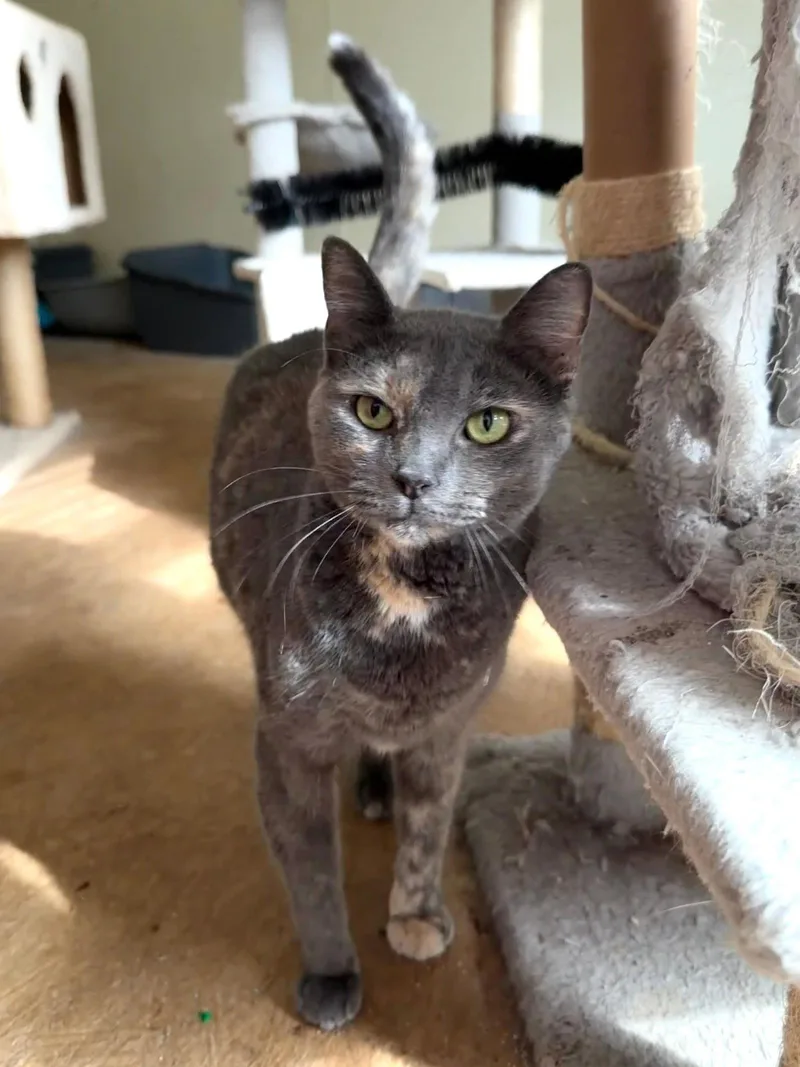
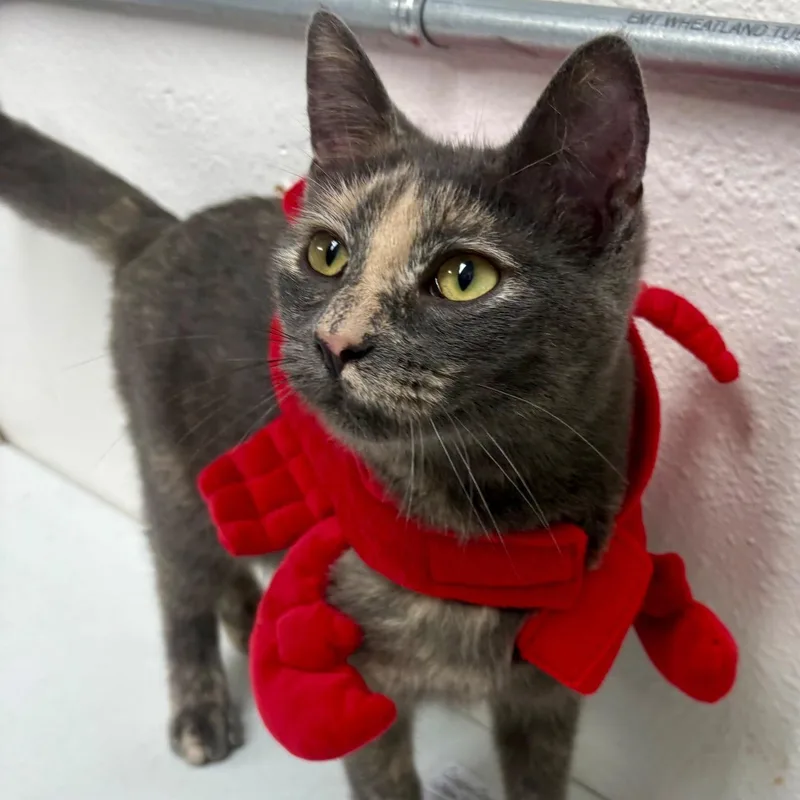
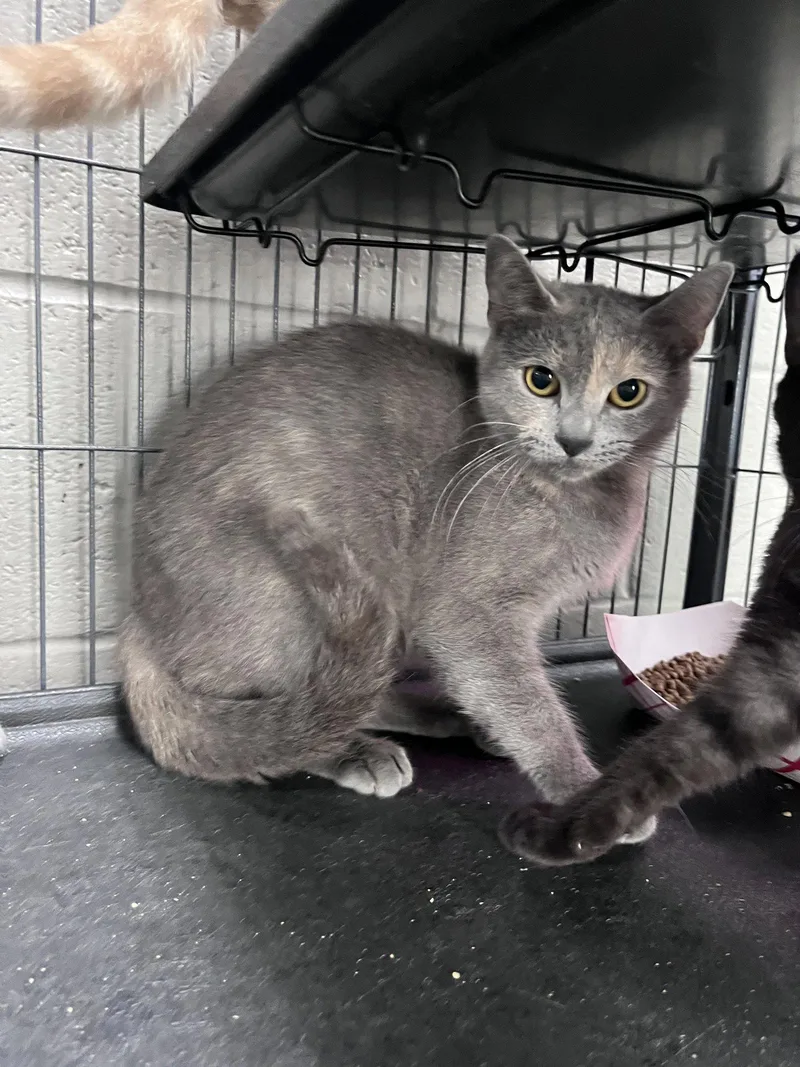
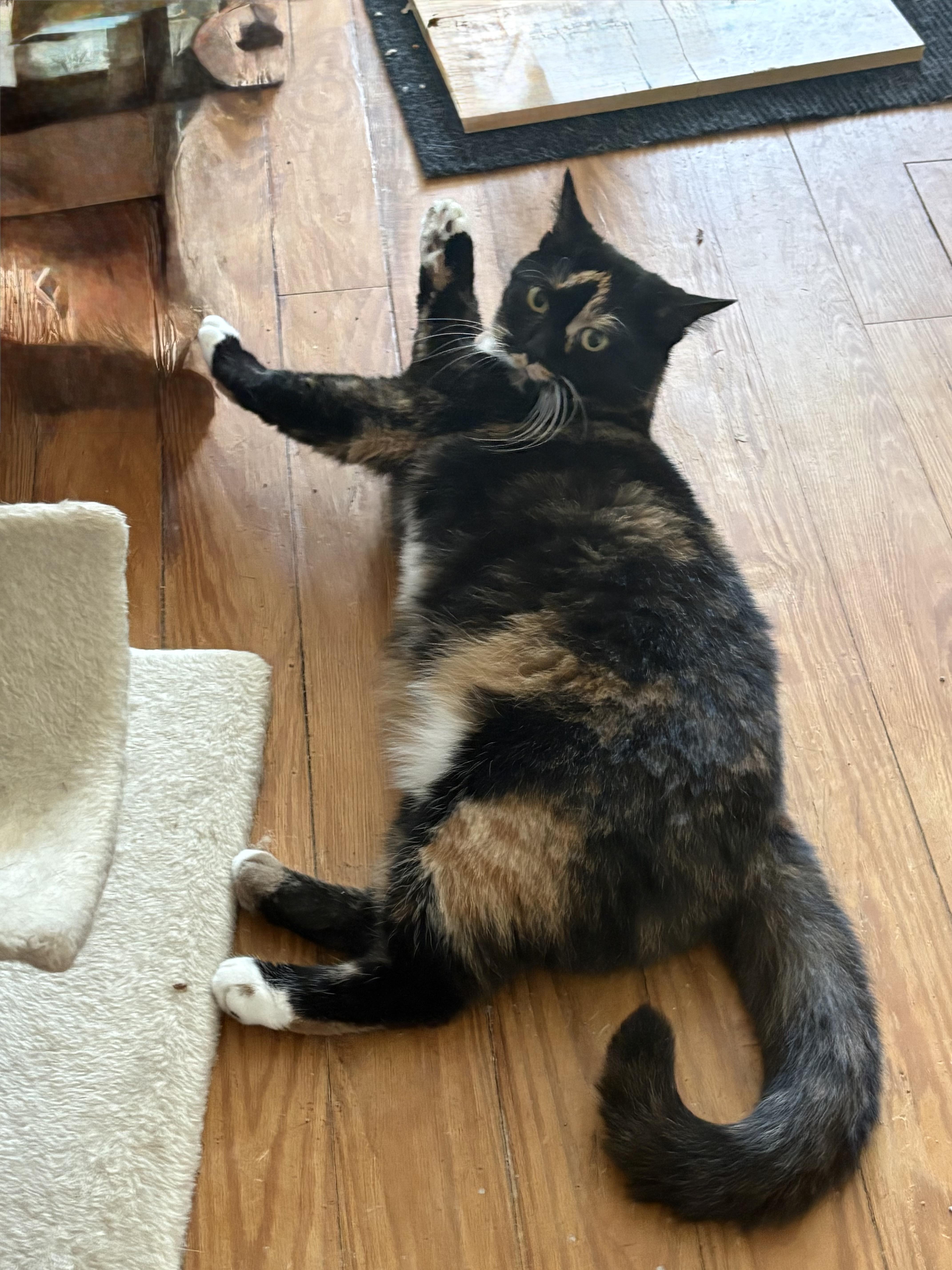
Dilute Tortoiseshell Cats for Adoption in Cleveland, OH

Your guide to finding and caring for a Dilute Tortoiseshell in Cleveland

A Dilute Tortoiseshell fits Cleveland's rental-heavy neighborhoods easily, since most of a cat's day happens at a window. Around Shaker Square in Buckeye–Shaker, where thousands of apartments sit near the Rapid, a blue-cream tortie can claim a sunny sill and watch the street. Dilute tortie is a coat pattern, not a breed, so personalities run from shy to bold. When lake-effect snow keeps everyone home, a playful cat makes the day shorter.

263 Dilute Tortoiseshells available in Cleveland and nationwide

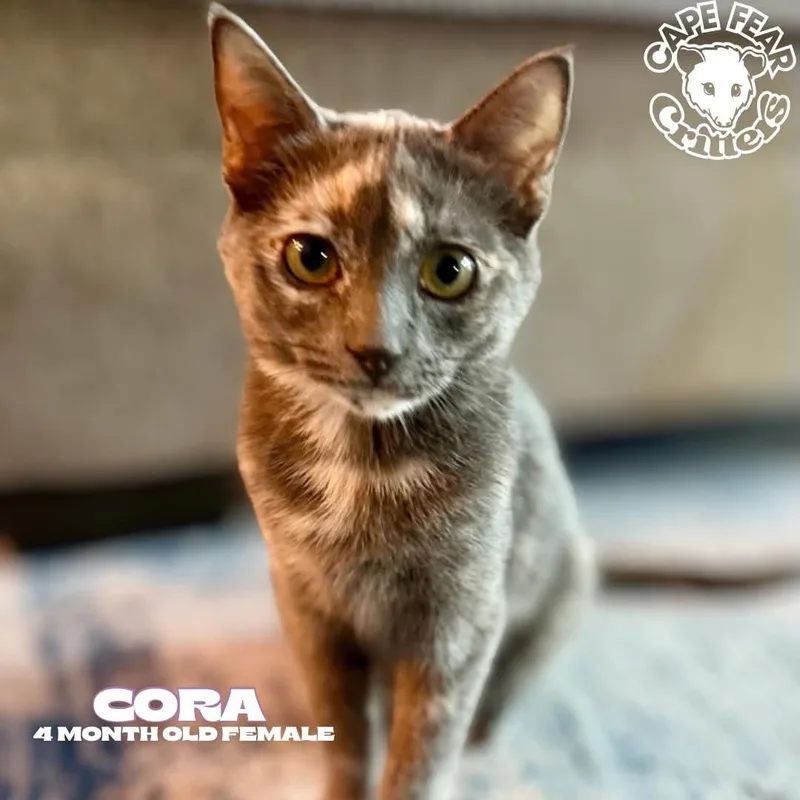
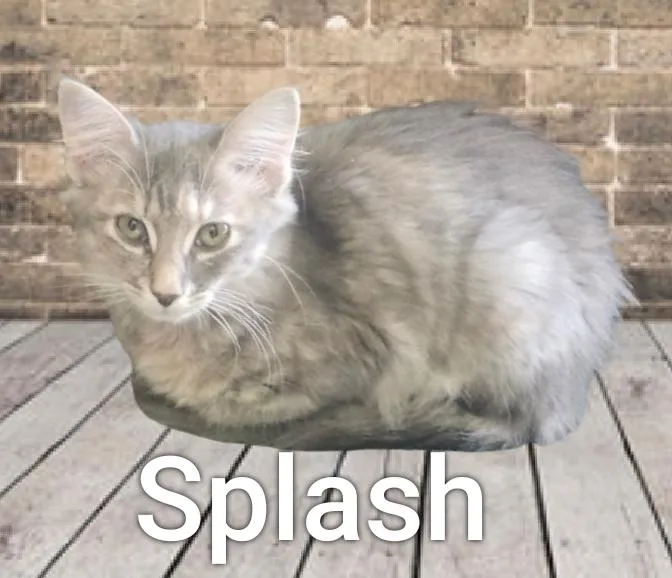
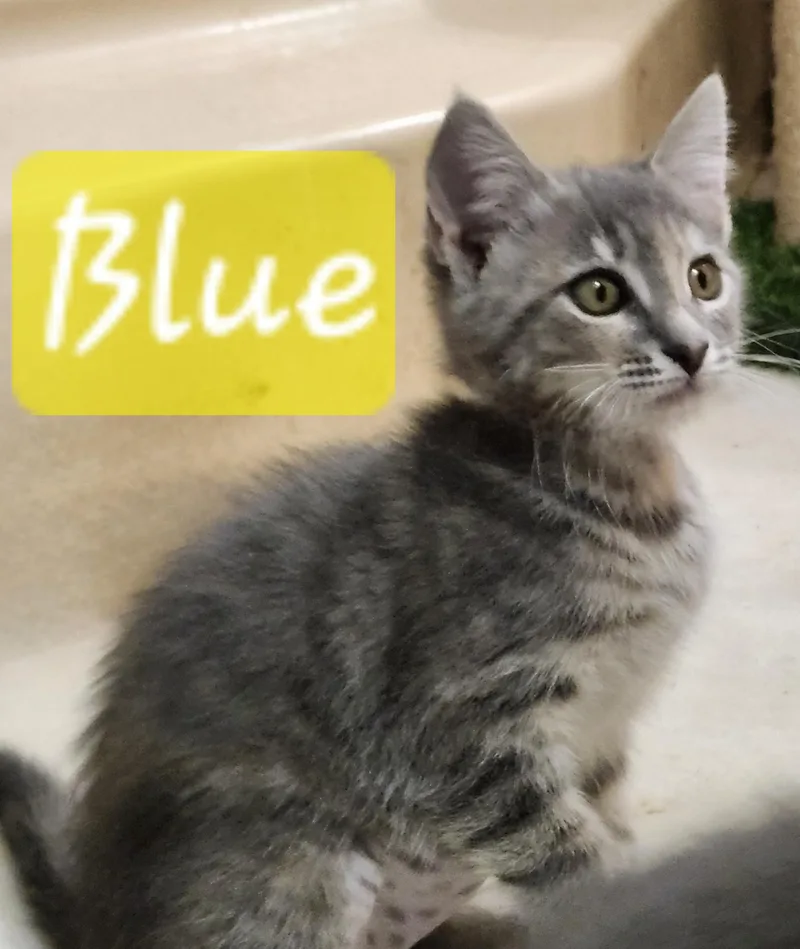
Meet your next Dilute Tortie

While we don't have enough cats near Cleveland, keep in mind that many rescues may offer transport.

Dilute Tortoiseshells Available for Adoption Near Cleveland

About the Dilute Tortoiseshell breed

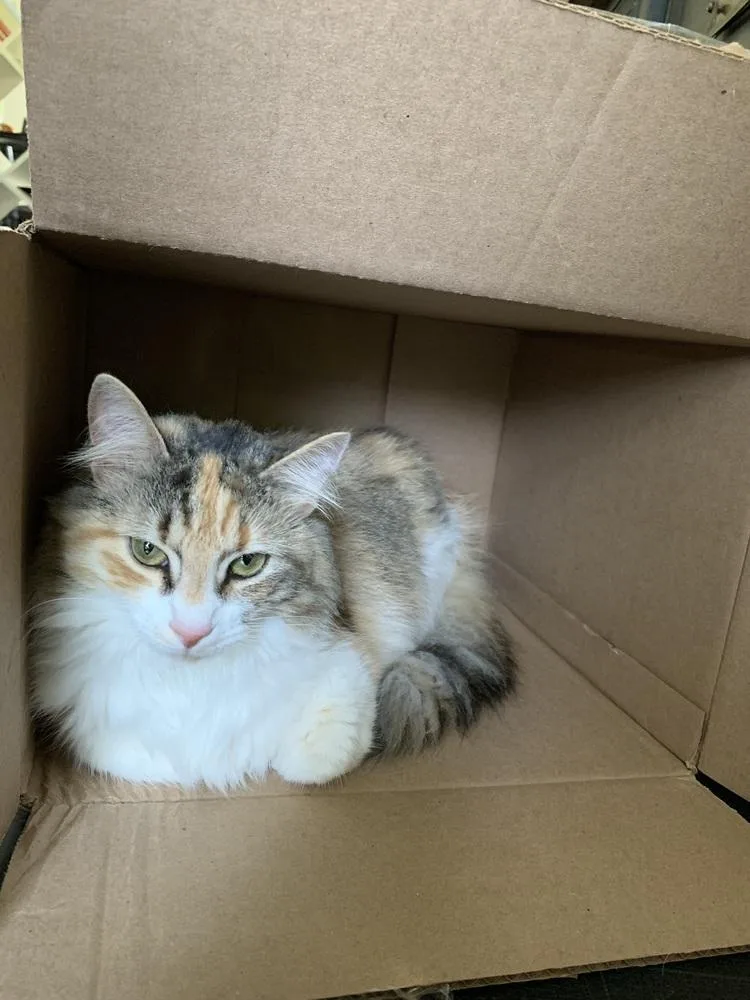
A dilute tortoiseshell is a coat pattern, not a breed. Where a standard tortie mixes black and orange, a dilute shows blue-gray and cream in patches or a fine marbled blend, often called blue-cream. The look comes from a recessive dilution gene a cat inherits from both parents, and because the patchwork depends on two X chromosomes, nearly all are female.

Most adopters will meet domestic shorthairs or longhairs, though the coloring also appears in Persians, British Shorthairs and Maine Coons. Weights run roughly 6 to 14 pounds, and lifespans 12 to 18 years. Coat color says little about personality, so expect anything from shy to outgoing, and spend time with a cat before deciding. Longhaired cats need regular brushing, and shedding is moderate.

Weight
6–14 lbs
Height
8–10 in
Lifespan
12–18 yrs
Temperament
Affectionate, Independent, Curious
Shedding
Moderate

Owning a Dilute Tortoiseshell in Cleveland

Having a Dilute Tortoiseshell in Cleveland

Dilute tortoiseshell describes color, not ancestry, so these cards cover what's typical of domestic cats with this coat. In Cleveland, the practical questions are indoor enrichment, winter routines and how a cat handles apartment life.

Temperament

Torties have a reputation for "tortitude," but there's little evidence that coat color shapes behavior. Dilute torties run from timid to bold and from lap cats to independent explorers. In a Cleveland apartment, a cat's comfort with noise, neighbors and visitors matters more than color, so watch how the cat reacts to new sounds and people.

Exercise Needs

Plan on a couple of play sessions a day with wand toys, balls and puzzle feeders, plus perches by a window. Long Cleveland winters mean more days at home, so a cat tree and short bursts of play help burn off energy. Kittens and young adults need the most, while seniors prefer gentler games.

Health Considerations

The dilute tortie pattern carries no known health risk in females, while the rare males are usually XXY, typically sterile and may have added concerns. Overall health depends on age and ancestry. Routine checkups, dental care, a healthy weight and up-to-date vaccines matter most, and a veterinarian can check a newly adopted cat's condition.

Living Space

Dilute torties do well in apartments and houses alike. Cleveland's mix of lofts, apartment buildings and older doubles suits cats that have scratching posts, window perches and a few hiding spots. Shy cats often settle best in quieter buildings, while confident ones handle busy households. Long-haired cats also need a brushing routine.

What it costs to own a Dilute Tortoiseshell in Cleveland

ExpenseTypical costPer year
Food$25 to $50 per month$300 to $600
Pet insurance$20 to $45 per month$240 to $540
Routine vet care$150 to $350 per year$150 to $350
Other*$450 to $1,150 per year$450 to $1,150
Estimated yearly total (after year one)$1,140 to $2,640

Other costs are estimates and vary with size, age and health.

* Litter, flea prevention, a dental cleaning allowance, toys and supplies, and light home grooming.

Adopt a Dilute Tortoiseshell in Cleveland.

Now that you know more, let’s find you a new best friend. These rescues and shelters below currently have Dilute Tortoiseshells available.

Frequently Asked Questions

Yes, if the cat stays in a carrier. RTA allows small pets weighing 25 pounds or less on its buses and Rapid trains, as long as the animal remains in the carrier under your control. The carrier can't take up a seat or block the aisle, so keep it under your seat. Dilute torties usually weigh 6 to 14 pounds.

Yes, as indoor cats they handle it well. Cleveland winters are cold and snowy, with heavier lake-effect snow on the East Side, but a heated home is what a tortie needs. Offer window perches, extra play and a warm bed away from drafts. Cats shouldn't be left outside or in a cold car.

Yes. Cleveland has no breed restrictions and no ordinance limiting how many pets a household keeps, and cats don't need a city or county license. Dilute tortoiseshell is a coat pattern, so any cat with that coloring qualifies. Check your lease for pet terms, and keep an ID tag or microchip current.

Yes. Cats adapt well to apartments, and Cleveland has plenty of rentals, from Downtown lofts to the buildings around Shaker Square. A window perch, scratching post and daily play matter more than square footage. Confirm the building's pet policy in writing, and think about how a vocal or very active cat will fit with shared walls.

Often, yes, for people who can offer indoor enrichment through long winters. Dilute torties range from shy to bold, so a cat's own temperament matters more than coat color. Spend time with the cat to see whether it prefers laps or independence, and match that to how much time you're home.

Shorthaired cats need a brush about once a week, longhaired cats several times a week, and more often during spring shedding. Heated indoor air in Cleveland winters can dry coats, so regular brushing helps then too. Home brushing costs little and fits within the Other line in the cost table.

A tortoiseshell cat is a cat with a coat pattern, not a breed, that mixes black-based and orange-based colors in patches or a mottled blend with little or no white. The dilute version shows blue-gray and cream instead. The pattern appears in domestic shorthairs and many purebreds, and because of its genetics nearly all tortoiseshells are female.

Almost all tortoiseshell cats are female, but not every single one. The orange and black color genes sit on the X chromosome, and a cat needs two X chromosomes to show both colors together. Females have two, so they can be torties. A tortoiseshell male is possible only through rare genetic exceptions, such as carrying an extra X chromosome.

We have 1 rescue with Dilute Tortoiseshells available: The Euclid Beach Cat Project. You can see every rescue with Dilute Tortoiseshells available in the list above these questions, or scroll to the top to see the Dilute Tortoiseshells near Cleveland.

Plan on roughly $25 to $50 a month for food, $20 to $45 for optional insurance, $150 to $350 a year for routine vet care, and $450 to $1,150 a year for everything else, including litter. That adds up to about $1,140 to $2,640 a year with insurance.

Find Dilute Tortoiseshells in Nearby Cities

Expand your search to find Dilute Tortoiseshells available for adoption near Cleveland.