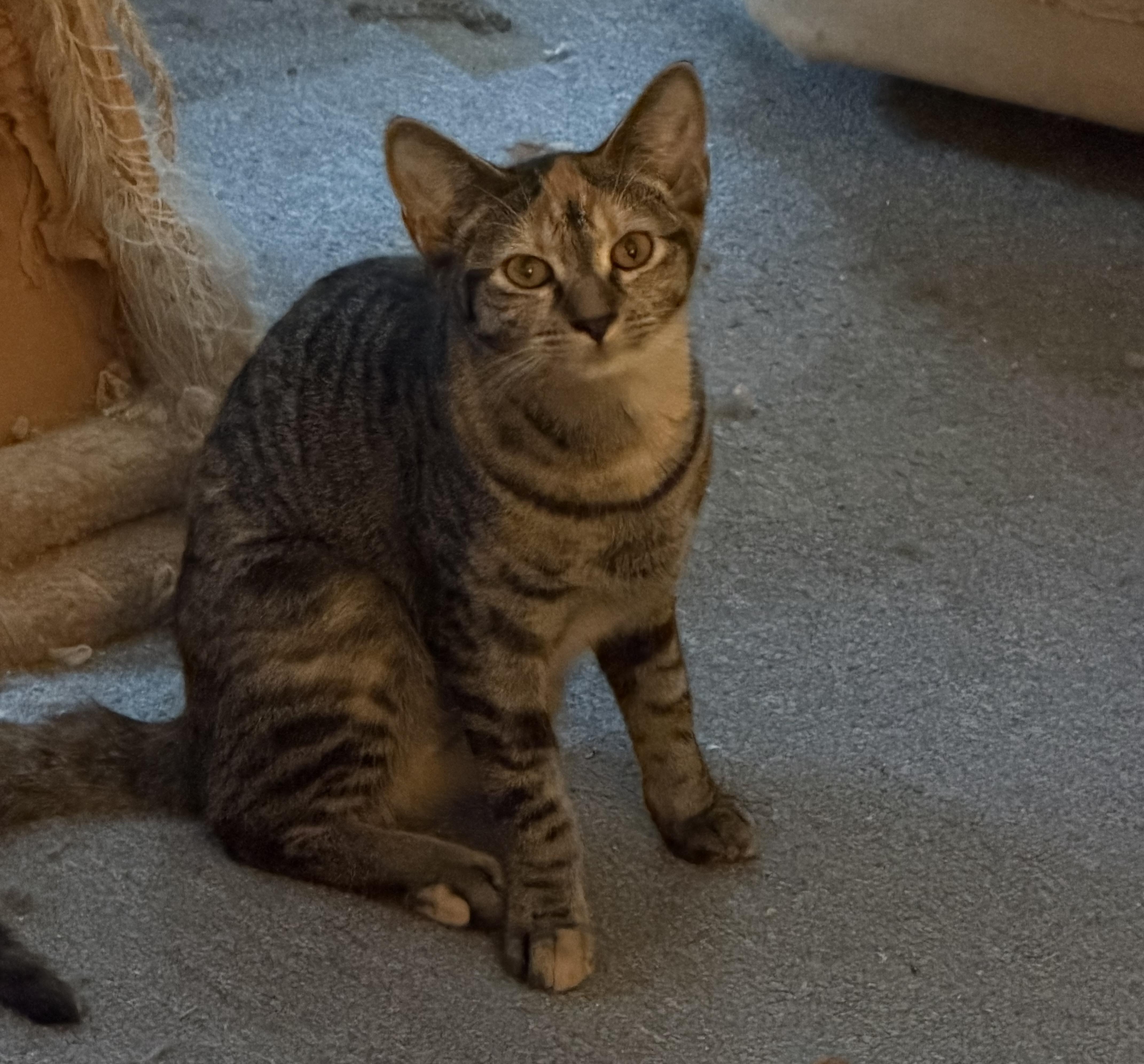
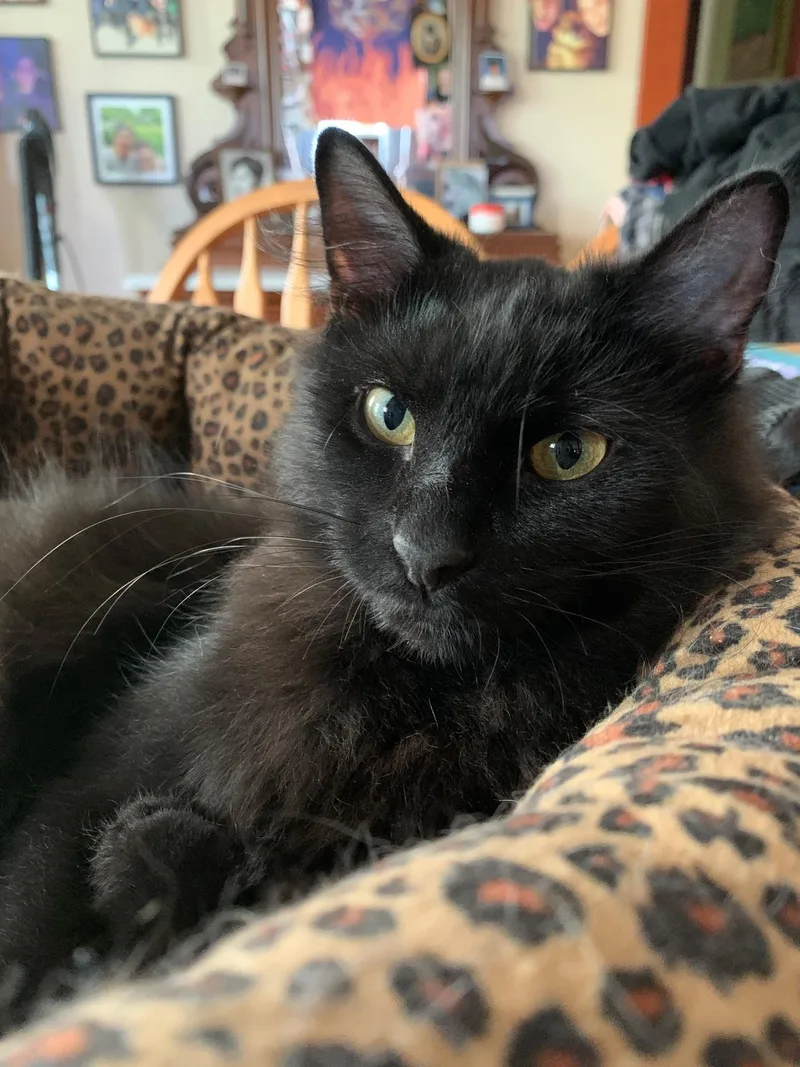
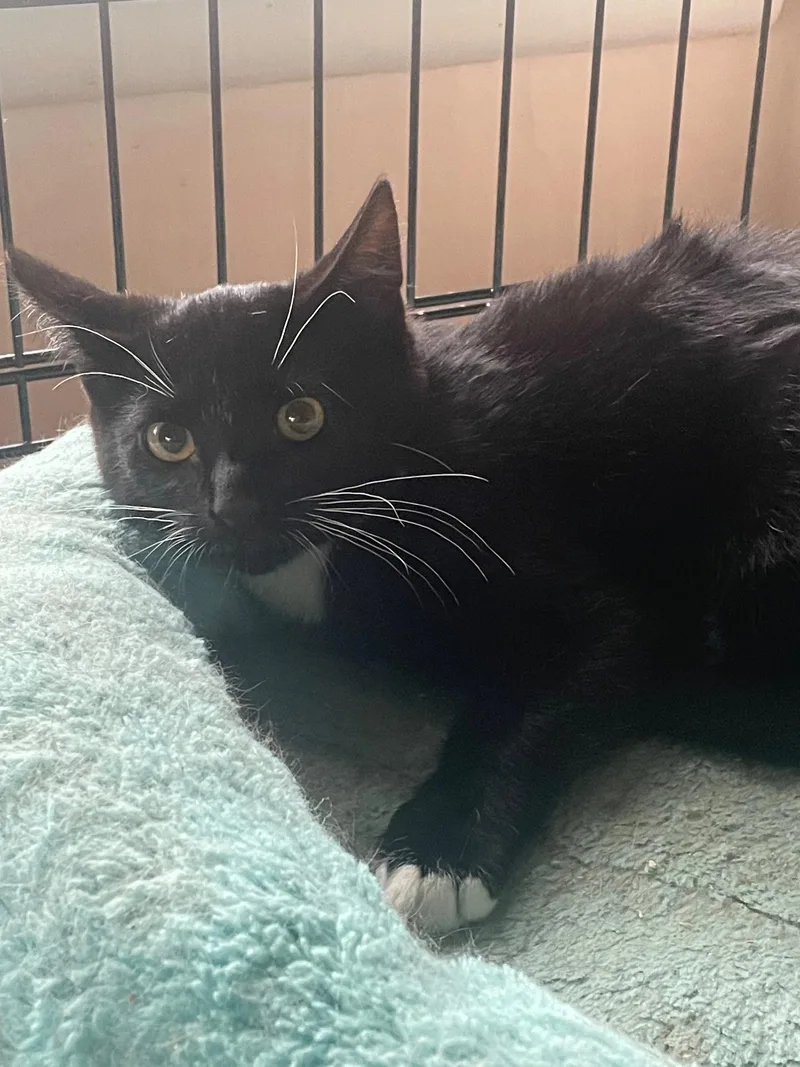
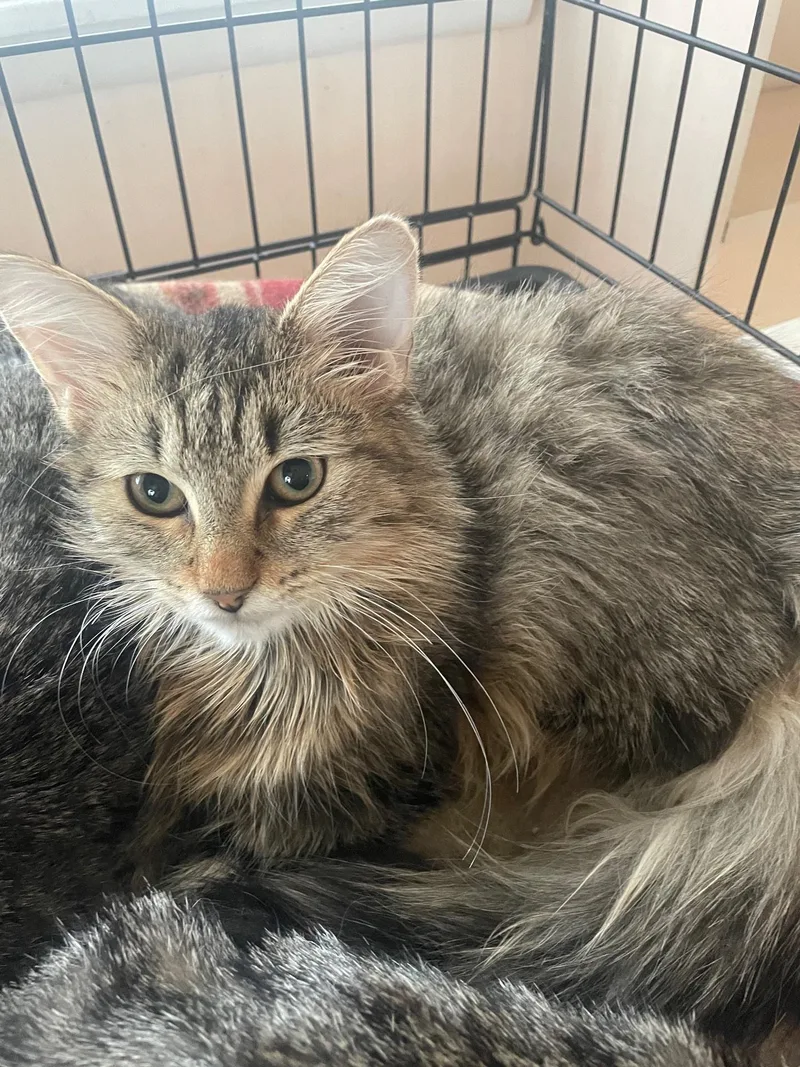
Domestic Short Hair Cats for Adoption in Troy, NY

Your guide to finding and caring for a Domestic Short Hair in Troy

A Domestic Short Hair is an easy fit for Troy's older apartments and rowhouses. These cats are common, adaptable and not fussy about space, so a flat in Lansingburgh or a brick rowhouse in Little Italy works well with a window perch and a few climbing spots. The short coat is easy to keep up. DSH is a mix rather than a breed, so personalities run from lap cats to quiet watchers. Troy winters are long, which makes an indoor play routine worth planning.

131850 Domestic Short Hairs available in Troy and nationwide

Find your Domestic Short Hair

Domestic Short Hairs Available for Adoption Near Troy

About the Domestic Short Hair breed

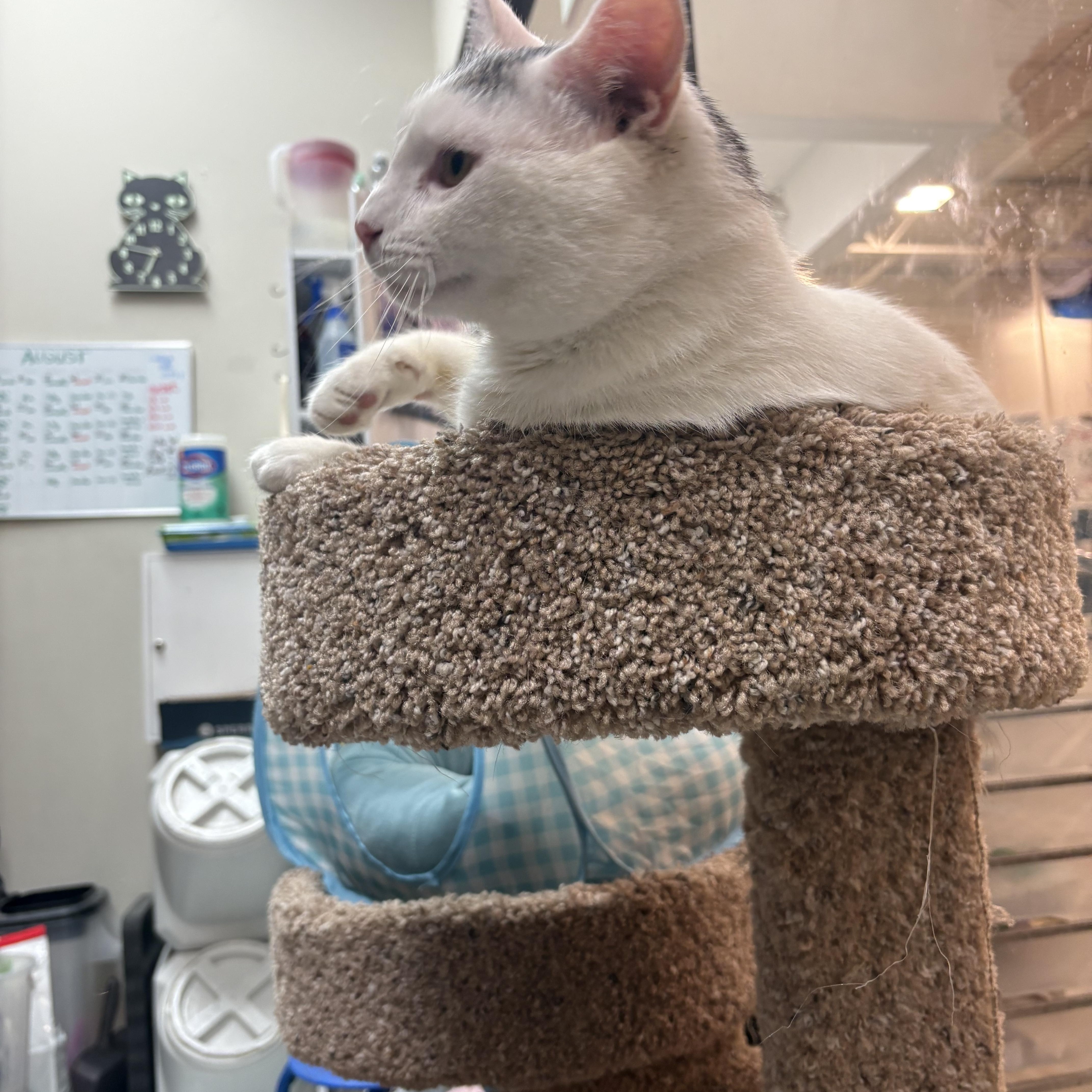
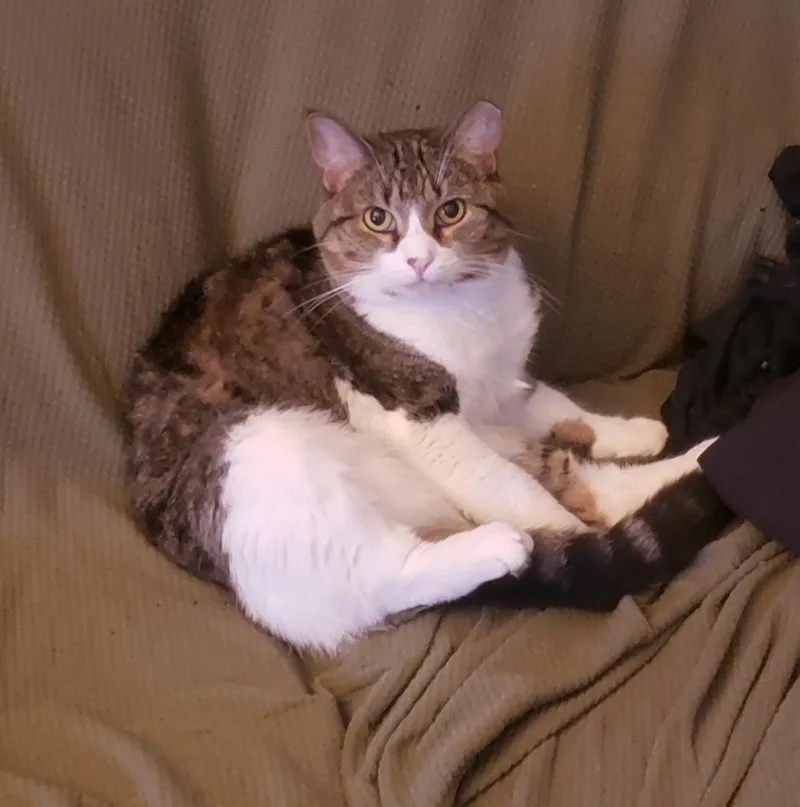
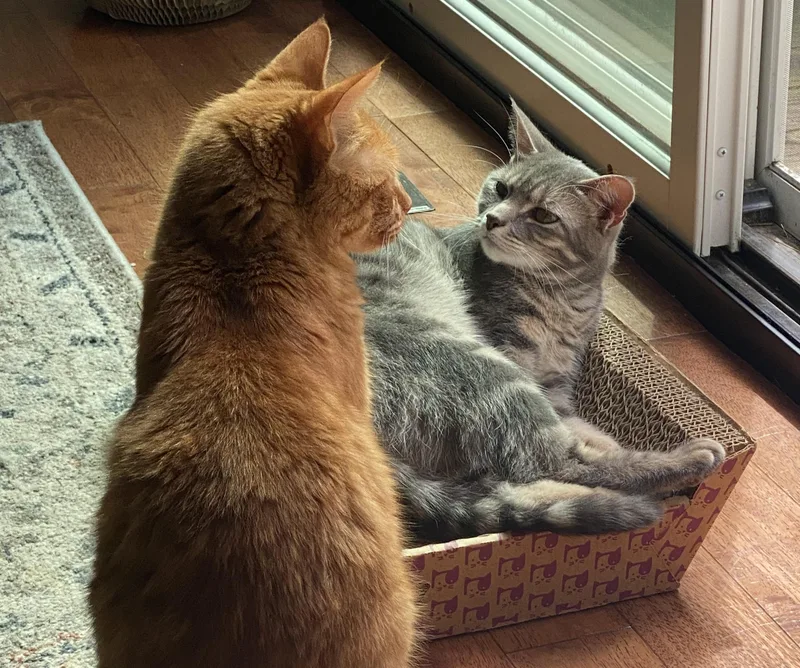
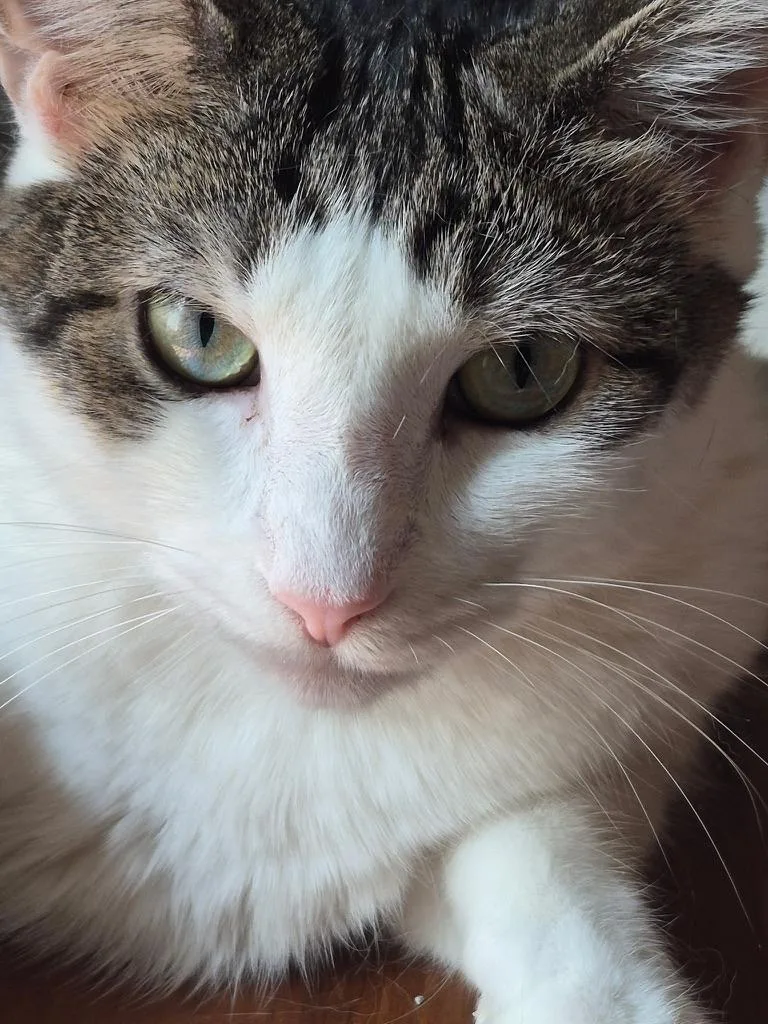
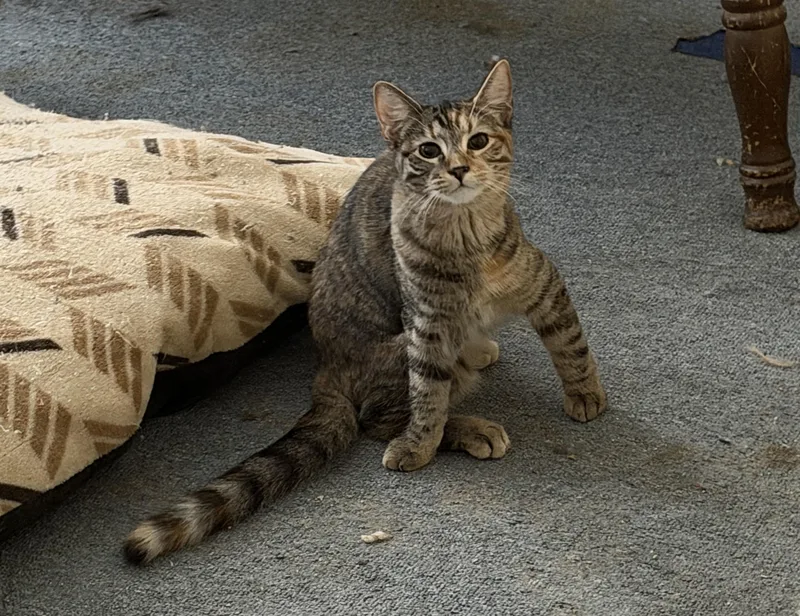
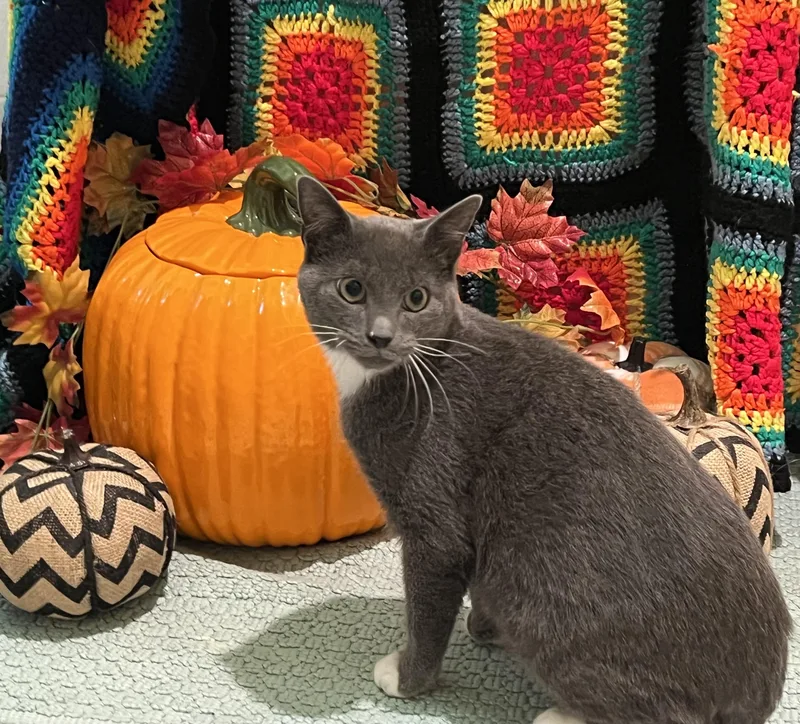
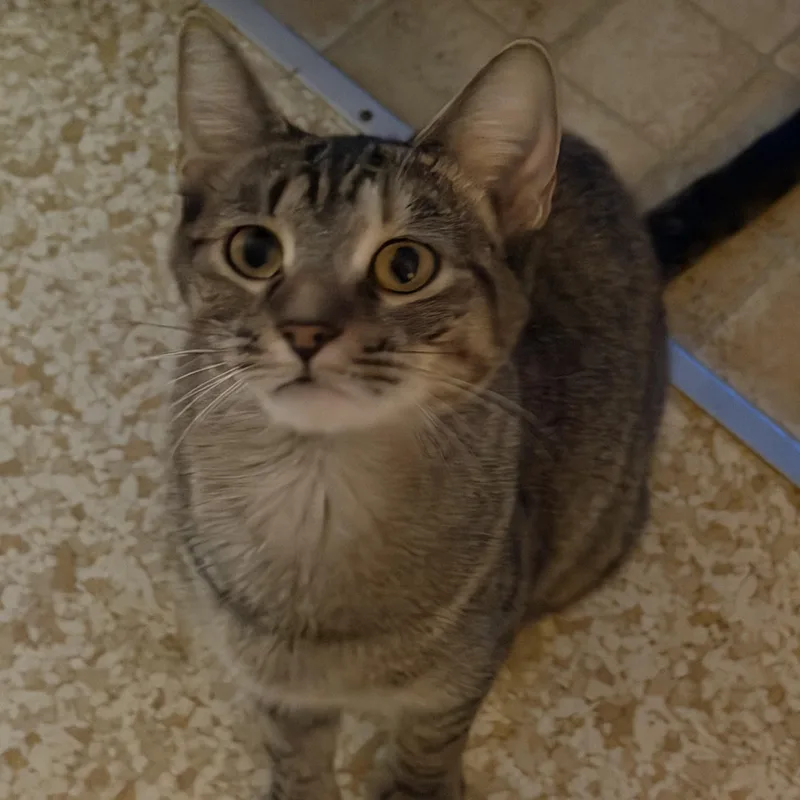
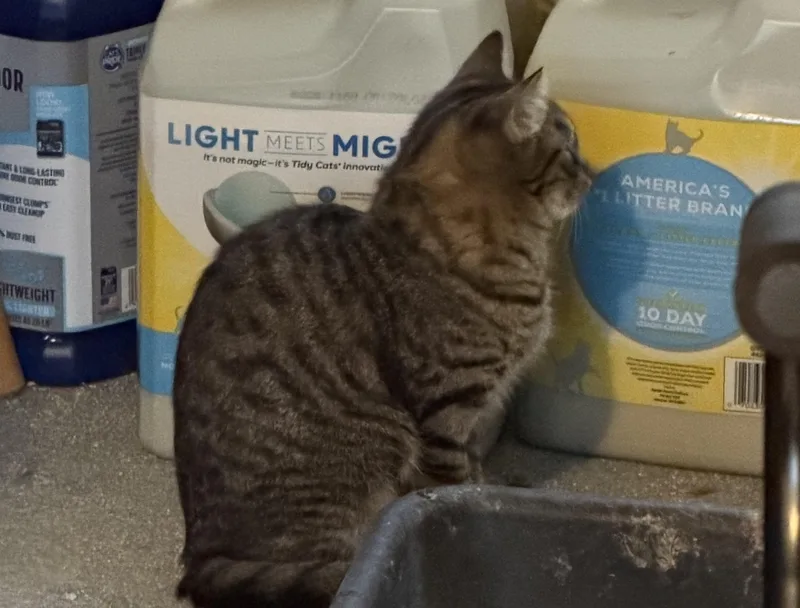
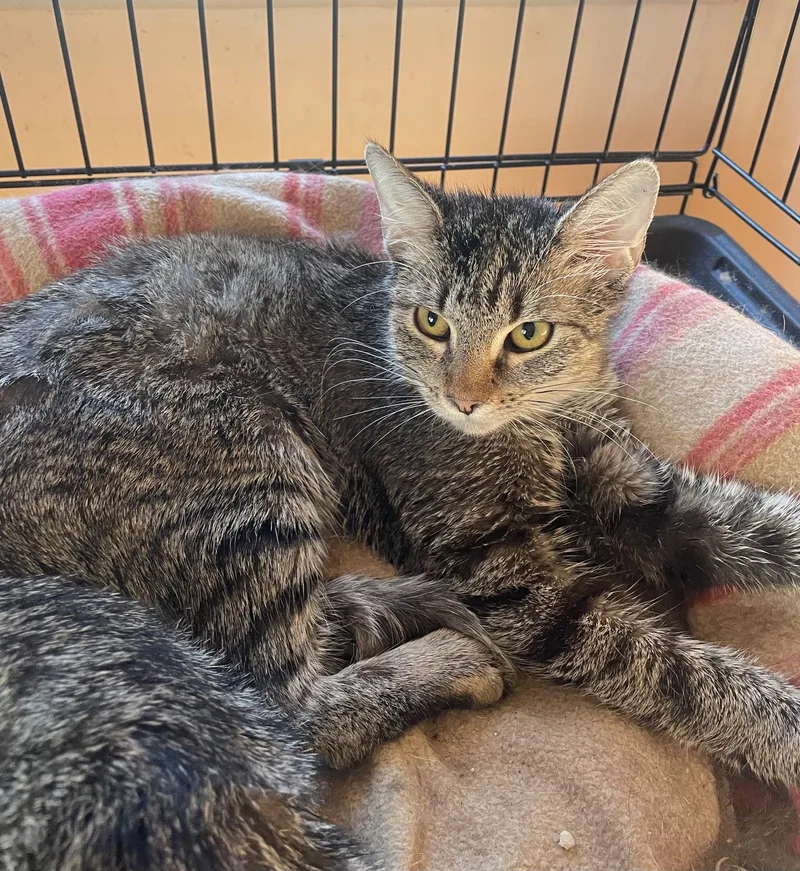
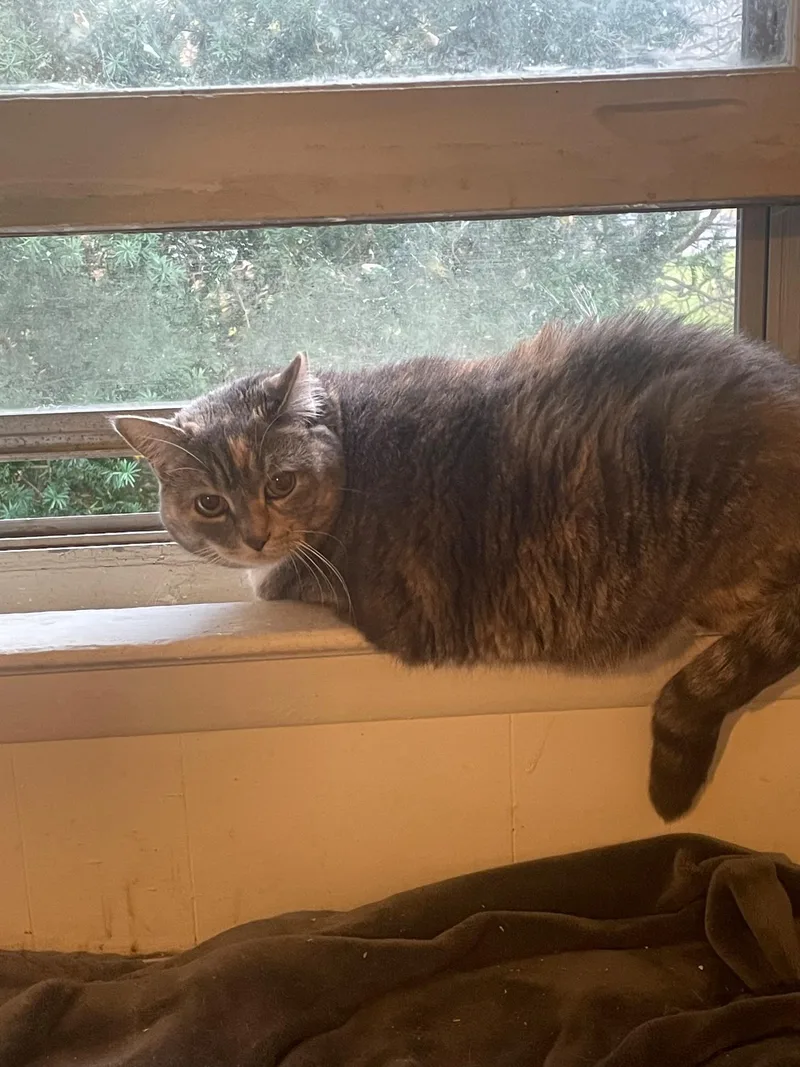
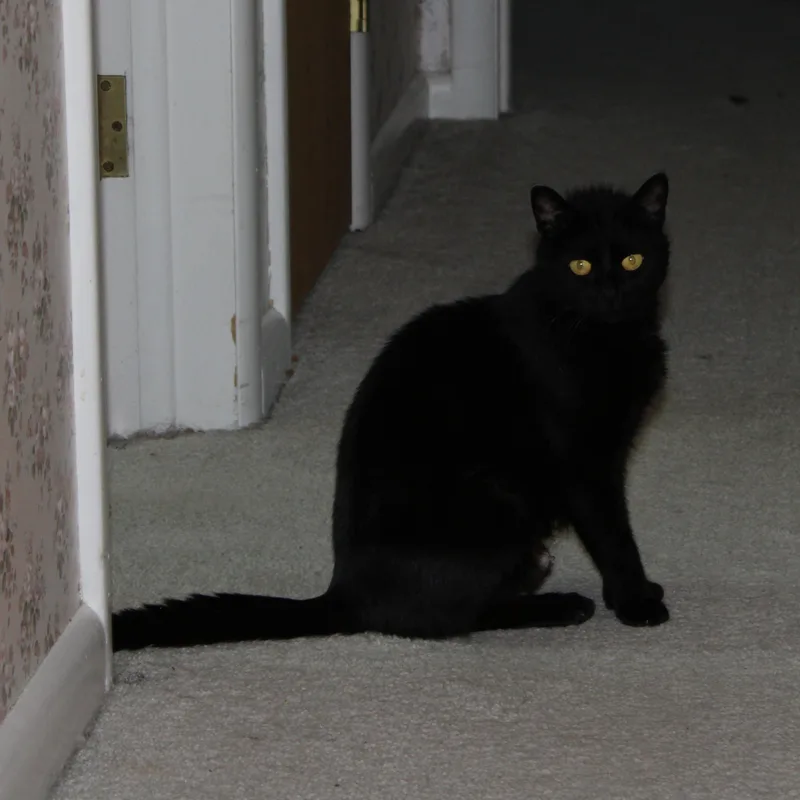
Domestic Short Hair is a type of cat, not a breed: a short-coated cat of mixed or unknown ancestry. It's the most common kind of cat in American homes, often shown as DSH on adoption records, and shouldn't be confused with the pedigreed American Shorthair. Coats come in tabby, tuxedo, calico, solid black and nearly everything in between.

Because the gene pool is so wide, size and personality vary. Most are medium-sized, sturdy and adaptable, weighing roughly 6 to 14 pounds, and many live well into their teens. Some are lap cats, some are talkers, and others prefer watching from a windowsill. Shedding is moderate year-round, and weekly brushing keeps it manageable. A cat's age, energy and behavior say more about fit than the coat or the label.

Weight
6–14 lbs
Height
8–10 in
Lifespan
12–18 yrs
Temperament
Adaptable, Curious, Affectionate
Shedding
Moderate

Owning a Domestic Short Hair in Troy

Having a Domestic Short Hair in Troy

DSH cats share a practical short coat and a lot of variety, so Troy adopters are best served by looking at each cat's age and energy level. Long indoor winters and rental living shape daily routines more than the label does.

Temperament

Domestic Short Hairs range from outgoing lap cats to shy, independent watchers, and coat type doesn't predict which. Many adapt to new homes after gradual introductions. Kittens tend to be bold and playful, while adults show settled personalities. In a Troy apartment, a cat that tolerates footsteps and street noise from neighboring units will be more at ease.

Exercise Needs

Plan on daily interactive play with wand toys, chase games and food puzzles. Young cats want several bursts a day, while seniors prefer gentler sessions. Troy's freezing winters keep cats indoors anyway, so window perches, cat trees and a play session before dinner stand in for outdoor time. Indoor living also protects cats and local wildlife.

Health Considerations

Common issues in DSH cats include obesity, dental disease and urinary trouble, with kidney disease, hyperthyroidism and diabetes more likely in seniors. Mixed ancestry may lower some inherited risks but not these. New York requires a rabies vaccine by four months of age, and a veterinarian can check weight, teeth and overall condition after adoption.

Living Space

Most Troy households rent, often in brick rowhouses and flats over shops, and a DSH cat fits that well. Vertical space, scratching posts, hiding spots and a clean litter box matter more than square footage. Secure window screens are worth installing, especially on upper floors where a curious cat might push against them.

What it costs to own a Domestic Short Hair in Troy

ExpenseTypical costPer year
Food$25 to $50 per month$300 to $600
Pet insurance$20 to $45 per month$240 to $540
Routine vet care$150 to $350 per year$150 to $350
Other*$450 to $1,150 per year$450 to $1,150
Estimated yearly total (after year one)$1,140 to $2,640

Other costs are estimates and vary with size, age and health.

* Litter, flea prevention, a dental cleaning allowance, toys, scratchers and other supplies, and minimal home grooming.

Adopt a Domestic Short Hair in Troy.

Now that you know more, let’s find you a new best friend. These rescues and shelters below currently have Domestic Short Hairs available.

Rescues in Troy with Domestic Short Hairs Available

Troy's rescues rely heavily on foster homes and volunteers to get local cats into adoptive homes. Here are the rescues & shelters in the Troy area where you can find Domestic Short Hairs and other cats available for adoption.

Frequently Asked Questions

Yes. Troy doesn't license cats, so the main legal requirement is a rabies vaccine by four months of age, plus sterilization, which is arranged at adoption or through a short follow-up agreement. Confirm your lease allows pets first. Watch the cats listed on this page, since availability changes often, and save a search to hear about new arrivals.

Yes, as indoor cats. A short coat offers little insulation against Troy's below-freezing nights and snow, so keep them inside, where normal room temperature is plenty. If a cat slips out onto salted sidewalks, wipe its paws afterward, and keep a carrier ready for cold-weather trips to the vet.

Yes, in a carrier. CDTA buses serve Troy, and its published guidance allows pets only in a carrier that fits on your lap or at your feet. Troy has no subway or light rail. Choose a sturdy, ventilated carrier, get the cat used to it at home first, and check current CDTA rules before riding.

Yes, apartments suit most Domestic Short Hairs. Brick rowhouse flats and apartments over shops are common in Troy, and cats need perches, scratchers and playtime more than floor space. Secure screens matter on upper floors. Adult cats are often calmer than kittens in small units, so match the cat's energy to your space.

For many households, yes. Troy's renter-heavy housing and long indoor winters suit a flexible indoor cat, and the short coat needs little upkeep. The fit depends on the cat's age and energy more than the label, so a calm adult usually suits a quiet household, while a playful kitten needs a home with time for games.

Very little. Brush weekly, more often during spring shedding, and trim nails every few weeks. Professional grooming isn't usually needed, so it adds little to the Other line in the cost table. Senior or overweight cats that can't groom themselves may develop mats, and a veterinarian or groomer should handle those.

Domestic shorthair cats typically live about 12 to 18 years, and many indoor cats reach their late teens or early twenties. Large UK veterinary studies have found mixed-breed cats tend to live slightly longer than pedigreed cats on average. Spaying or neutering, indoor living, a healthy weight, dental care and regular checkups all help a cat enjoy a longer life.

No, domestic shorthair cats are not hypoallergenic. The main cat allergen, a protein called Fel d 1, comes from saliva and skin glands, so short fur does not prevent reactions. Allergen levels vary between individual cats, and some people react less to certain cats. Spending time with a specific cat before adopting is the best way to test your response.

We have 2 rescues with Domestic Short Hairs available: Adopt-A-Pet Clinic, Inc. and Operation Snip. You can see every rescue with Domestic Short Hairs available in the list above these questions, or scroll to the top to see the Domestic Short Hairs near Troy.

Expect roughly $1,140 to $2,640 a year for a DSH cat in Troy: food at $25 to $50 a month, insurance at $20 to $45 a month, routine vet care at $150 to $350 a year, and $450 to $1,150 a year for litter, flea prevention, dental care and supplies. Insurance is optional, and illness or emergencies add more.

Explore Other Breeds in Troy

Looking for a different breed? Browse other cats available for adoption in Troy.