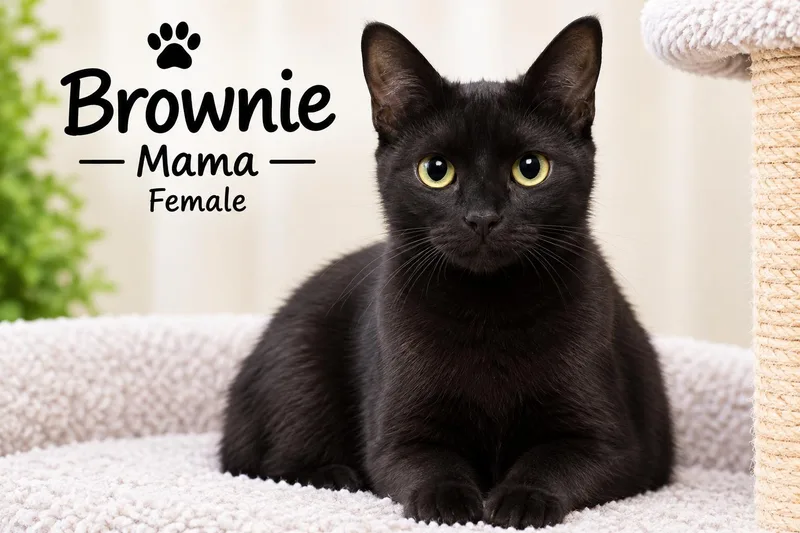
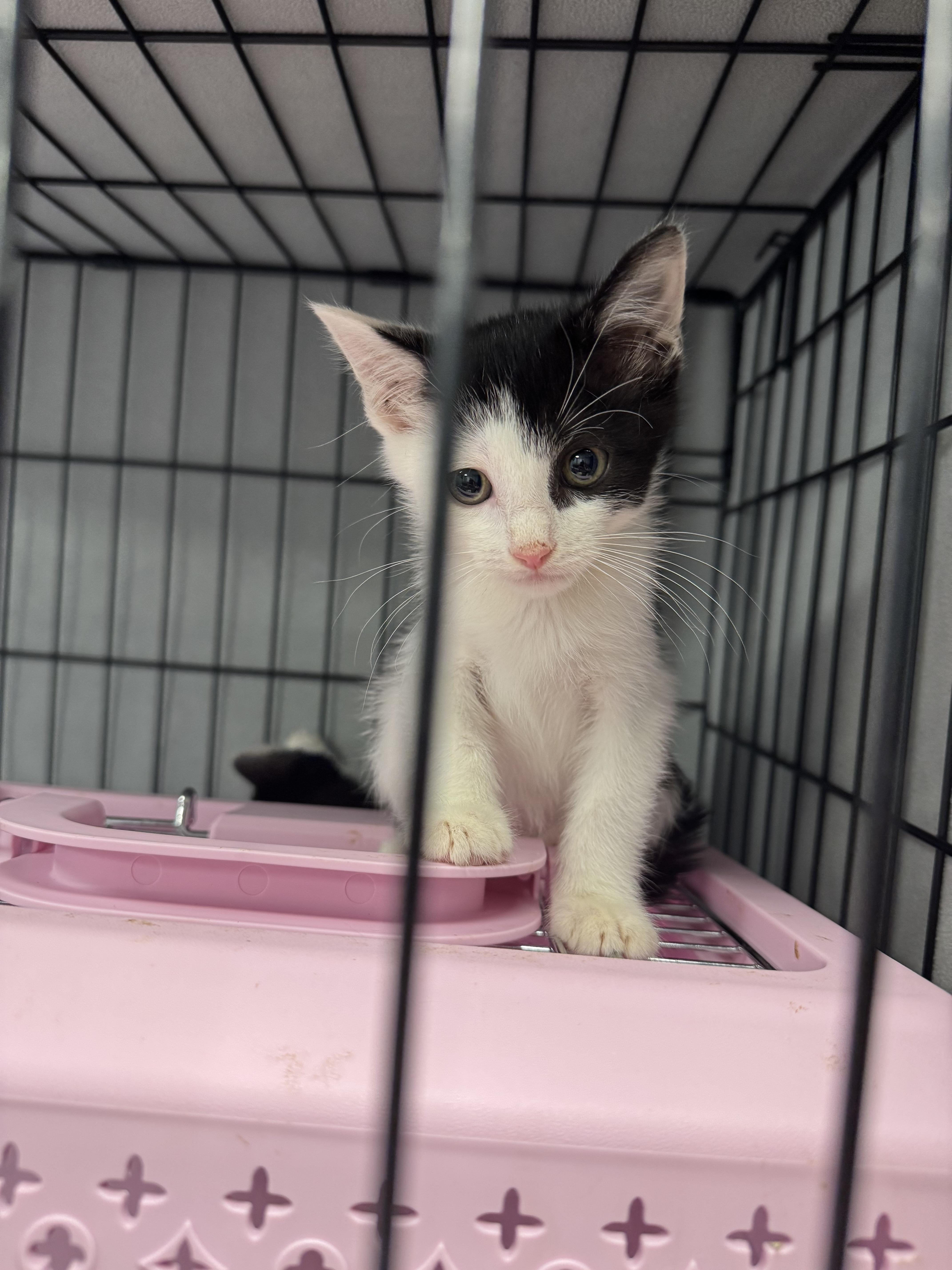
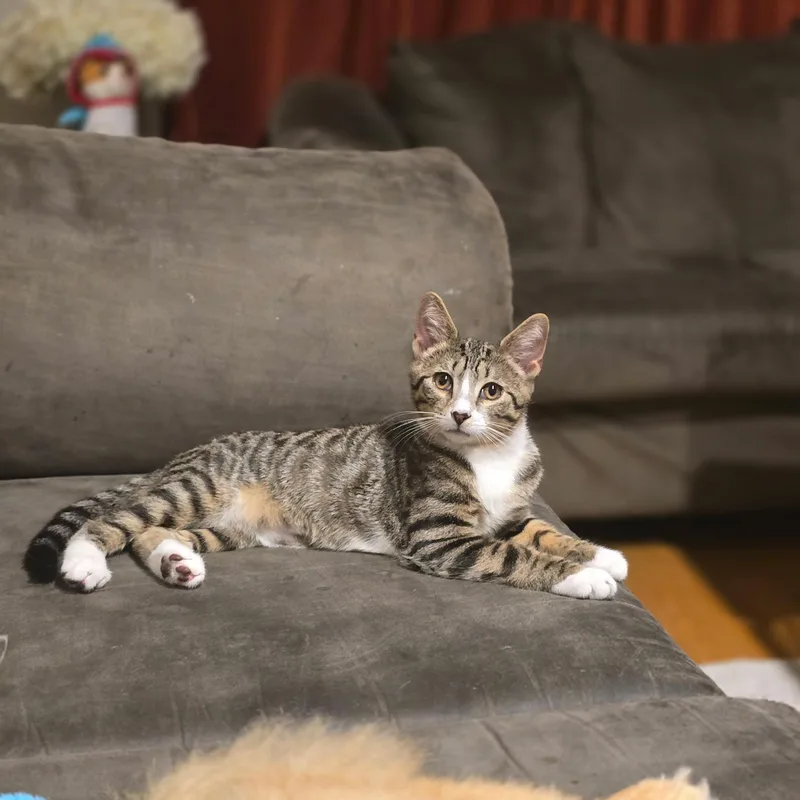
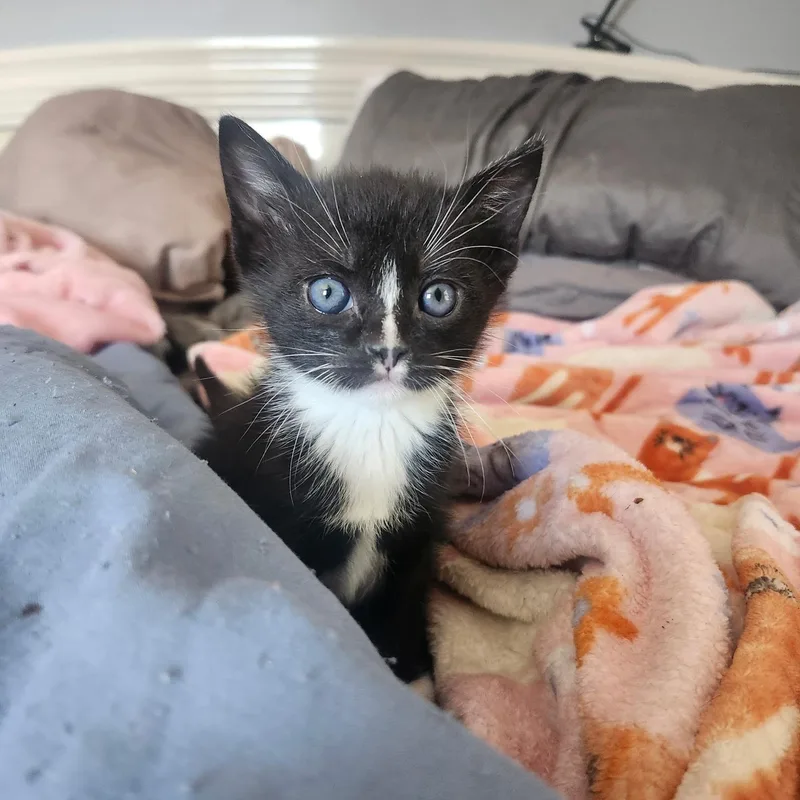
Domestic Long Hair Cats for Adoption in Staten Island, NY

Your guide to finding and caring for a Domestic Long Hair in Staten Island

Domestic Long Hairs fit Staten Island's low-rise housing well, since most homes here are houses or one- and two-family buildings. In a Westerleigh house or a garden apartment on Grymes Hill, a fluffy cat has plenty of window perches and sunny corners. Staying indoors also keeps out the ticks that are well established on the island. Cats in this group vary a lot in size and personality, and the coat needs brushing a few times a week to prevent mats.

6059 Domestic Long Hairs available in Staten Island and nationwide

Your Domestic Long Hair is waiting

Domestic Long Hairs Available for Adoption Near Staten Island

About the Domestic Long Hair breed

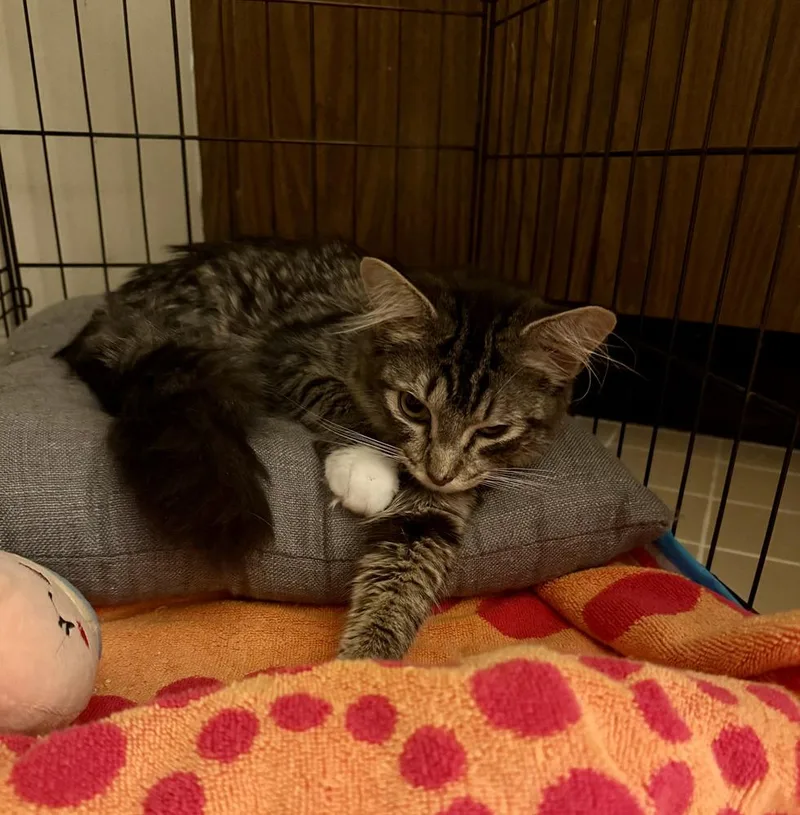
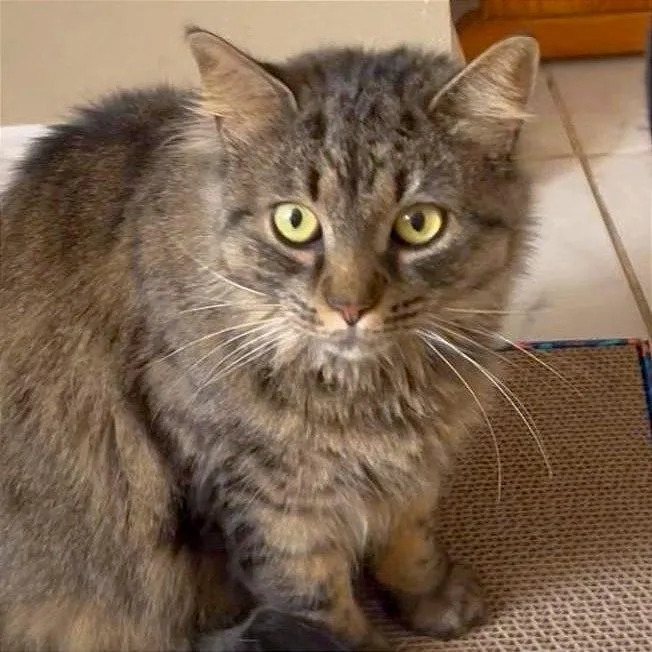
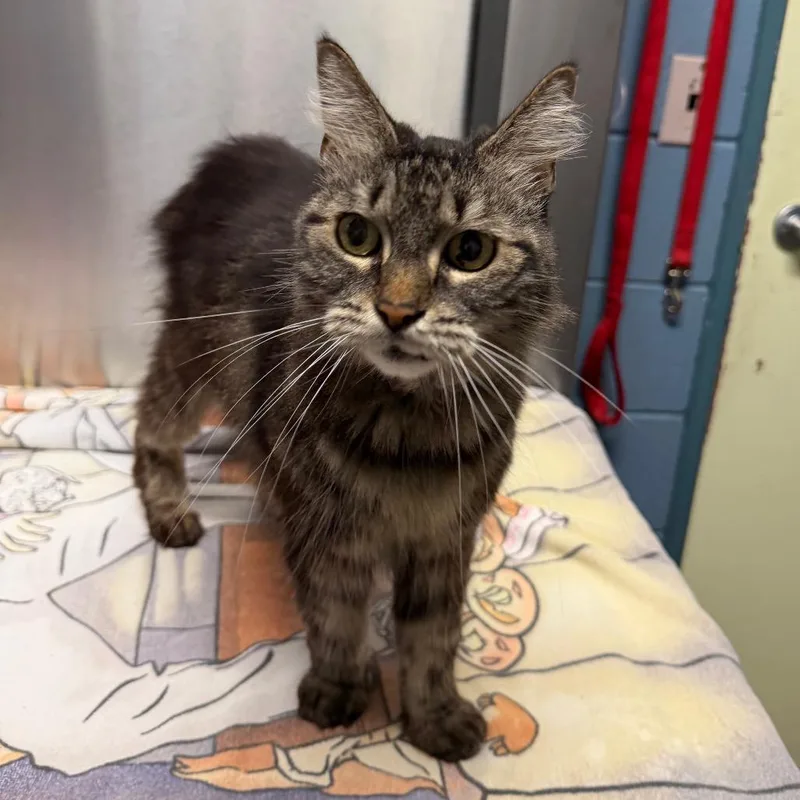
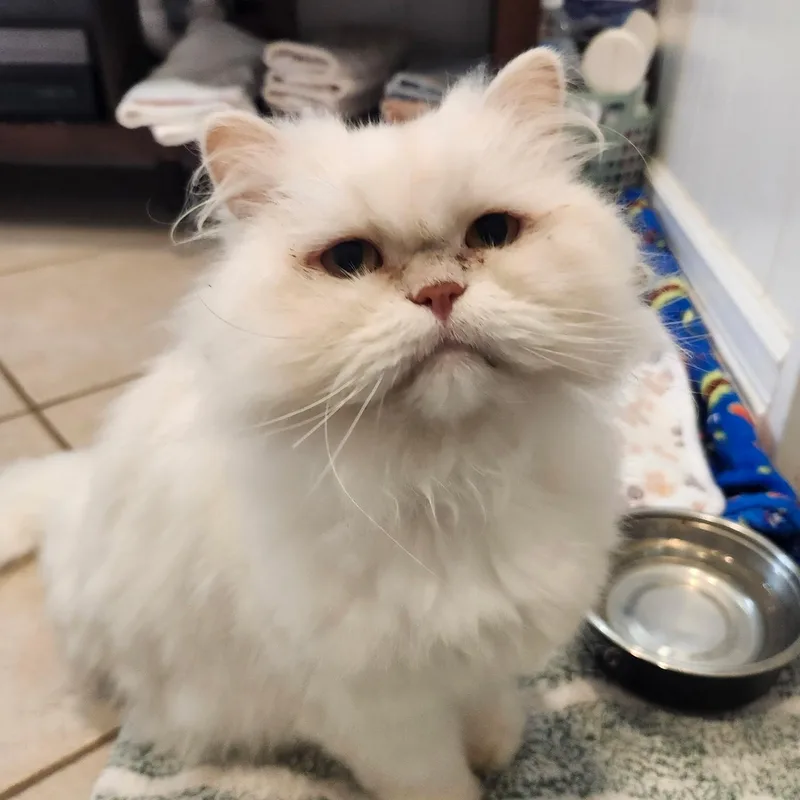
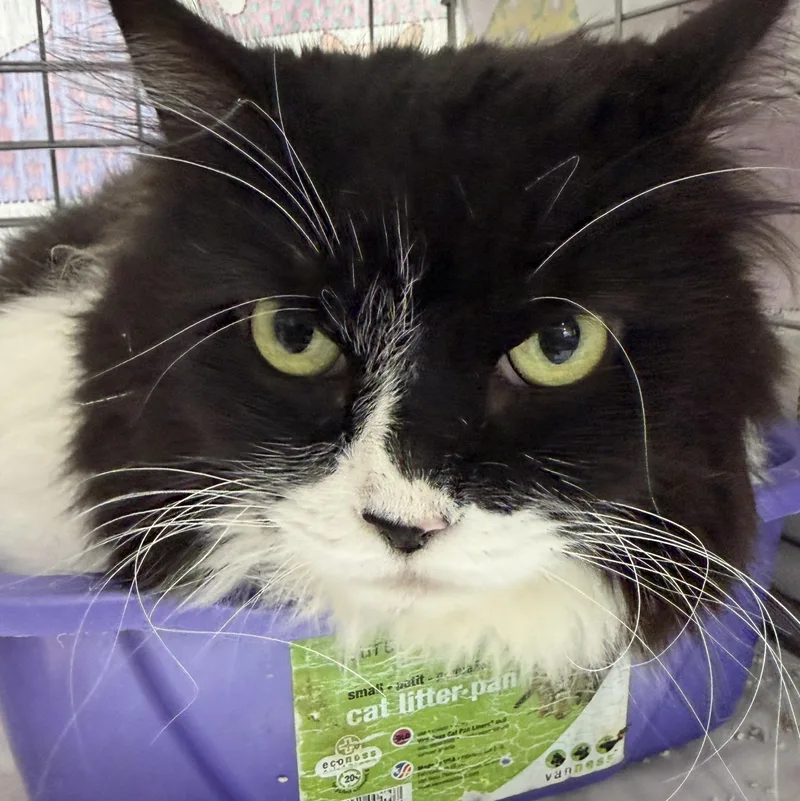
Domestic Long Hair isn't a breed. It's the label used for a mixed-ancestry cat with a long coat, the fluffy counterpart of the Domestic Short Hair. These cats turn up in every color and pattern, from tabby and calico to solid black and smoke, and some look like a Maine Coon or Persian without sharing that ancestry. Most adults weigh 8 to 15 pounds, and the long fur can make them look even bigger.

With no breed standard, size, coat texture and personality differ from cat to cat. Many are affectionate and adaptable once settled, but meeting the cat tells you far more than the label. What they share is a coat that needs regular brushing, and the genetic diversity that tends to keep mixed cats healthy. On Staten Island, that routine also includes tick awareness.

Weight
8–15 lbs
Height
8–11 in
Lifespan
12–18 yrs
Temperament
Adaptable, Affectionate, Gentle
Shedding
Moderate to High

Owning a Domestic Long Hair in Staten Island

Having a Domestic Long Hair in Staten Island

Domestic Long Hair describes a coat, not a pedigree, so personalities differ from cat to cat. On Staten Island, the long fur, indoor routines and tick season shape daily care more than any breed profile does, and mixed ancestry keeps inherited health risks broad.

Temperament

Domestic Long Hairs have no set breed personality; each cat's temperament comes from genes, early socialization and past experience. Many are affectionate, adaptable and gentle once settled, while others are bold or take time to warm up. That range suits Staten Island households from quiet North Shore apartments to busy family houses.

Exercise Needs

Most Domestic Long Hairs enjoy a couple of short play sessions a day with wand toys, balls or puzzle feeders, though energy varies with age. Window perches facing a yard or street add enrichment, and active play helps keep weight down, which matters because heavy longhaired cats struggle to groom themselves.

Health Considerations

Mixed ancestry spreads genetic risk, but long coats are prone to mats, hairballs and soiled fur, especially in older or heavier cats. Dental and kidney disease are common in cats generally. Because ticks are established on Staten Island, ask a veterinarian about year-round flea and tick prevention, even for indoor cats.

Living Space

These cats do well in Staten Island's mostly low-rise housing, from North Shore apartments to South Shore houses, as long as they have litter boxes, scratching posts, hiding spots and climbing room. Keeping them indoors protects the coat from burrs, ticks and traffic. A grooming routine matters more than square footage.

What it costs to own a Domestic Long Hair in Staten Island

ExpenseTypical costPer year
Food$25 to $50 per month$300 to $600
Pet insurance$20 to $45 per month$240 to $540
Routine vet care$150 to $350 per year$150 to $350
Other*$500 to $1,250 per year$500 to $1,250
Estimated yearly total (after year one)$1,190 to $2,740

Other costs are estimates and vary with size, age and health.

* Litter, flea and tick prevention, a dental cleaning allowance, toys, scratchers and other supplies, and brushing or grooming for the long coat.

Adopt a Domestic Long Hair in Staten Island.

Now that you know more, let’s find you a new best friend. These rescues and shelters below currently have Domestic Long Hairs available.

Frequently Asked Questions

Yes. No breed-specific rules apply to cats in Staten Island, and the city doesn't license cats. New York State does require rabies vaccination, with the first shot by four months of age. In NYCHA public housing, each household is limited to one dog or one cat, registered within 30 days. Adoptions through permitted shelters are spayed or neutered before the cat goes home.

Yes, a Domestic Long Hair adapts well to apartments if it has litter boxes, scratching posts, window perches and daily play. About 32% of Staten Island households rent, mostly on the North Shore. Read the lease first: city law waives a no-pet clause if a landlord knows about a pet and takes no action within three months.

Often, yes, especially for people who are home regularly and enjoy a brushing routine. Staten Island's houses and small buildings suit indoor cats, and ticks are established here, so indoor living is the safer choice. If you live on the East or South Shore, keep a carrier and a pet Go Bag ready for storms.

Mostly yes for an indoor cat. Winter lows around 28°F are comfortable for a thick coat, and summers are warm and humid, with 90°F heat waves mainly in July. Give the cat a cool resting spot, fresh water and a fan or tile floor in summer, and never leave a cat in a parked car.

Yes, in a carrier. The Staten Island Railway and MTA buses require pets to be in a bag or container carried so it doesn't bother other riders. The Staten Island Ferry allows pets only if caged or muzzled, and NYC Ferry requires non-dog pets to be in a fully enclosed carrier. There is no subway on the island.

Plan on brushing a few times a week, and daily during the spring and fall shedding seasons, to prevent mats and hairballs. Dry heated air in winter and humid summers can both affect the coat. Run a hand over the fur for ticks if the cat has been outside. The yearly Other costs on this page include a grooming allowance.

You can usually tell a kitten will have long hair by about three to four weeks old, when its fur looks noticeably fluffier than its littermates'. Look for longer tufts on the ears, between the toes and on the tail, plus a softer, fuller coat overall. The full adult coat, ruff and tail plume can take one to two years to develop.

Yes, long hair is a recessive trait in cats. A kitten needs two copies of a long-hair variant, usually in the FGF5 gene, one from each parent, to grow a long coat. Two shorthaired parents can produce longhaired kittens if both carry the variant, while a longhair bred to a cat with two short-hair copies produces only shorthaired kittens.

We have 1 rescue with Domestic Long Hairs available: Animal Care Centers of NYC - Staten Island. You can see every rescue with Domestic Long Hairs available in the list above these questions, or scroll to the top to see the Domestic Long Hairs near Staten Island.

Plan on roughly $1,190 to $2,740 a year for a Domestic Long Hair on Staten Island. Food runs $25 to $50 a month, insurance $20 to $45, routine vet care $150 to $350 a year, and other costs, including litter and coat care, $500 to $1,250 a year.