Calico Cats for Adoption in Staten Island, NY

Your guide to finding and caring for a Calico in Staten Island

Calicos tend to settle into Staten Island's low-rise housing without fuss, whether that's a Tompkinsville apartment or a two-family house in Great Kills. Calico is a coat pattern rather than a breed, so personalities range from shy to bossy, and most are medium-sized shorthairs. Give a Calico a window perch facing the street or a yard full of birds, a few play sessions a day and a quiet room to start in, and she'll usually claim the best seat in the house.

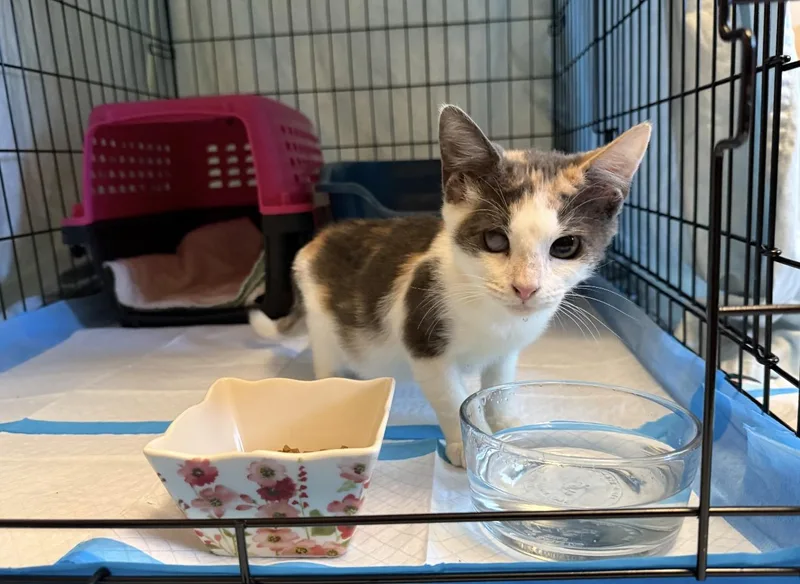
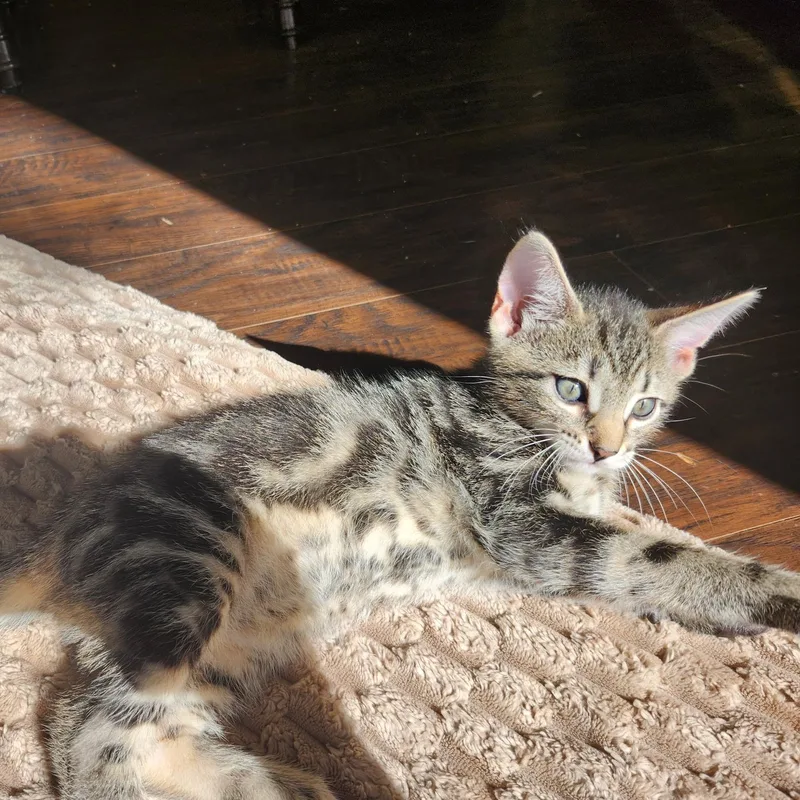
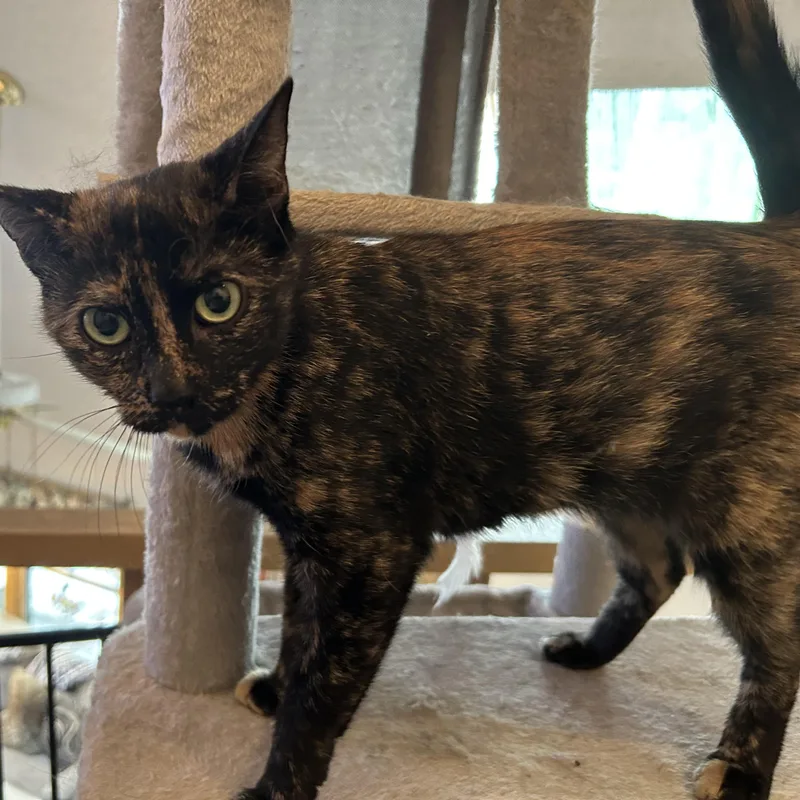
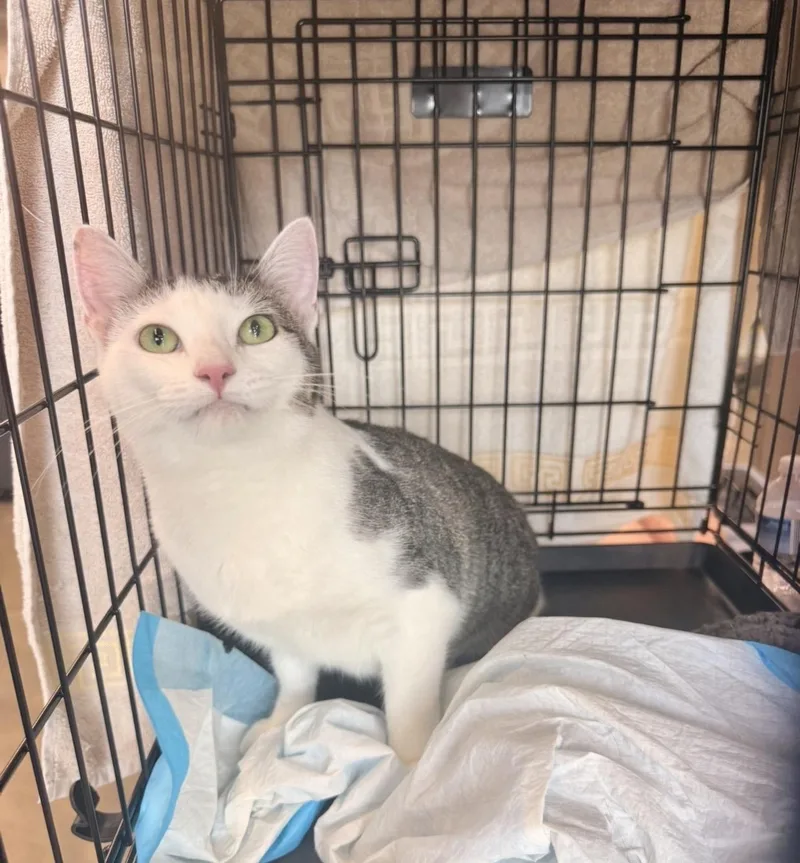
1331 Calicos available in Staten Island and nationwide

Bring home a Calico

Calicos Available for Adoption Near Staten Island

About the Calico breed

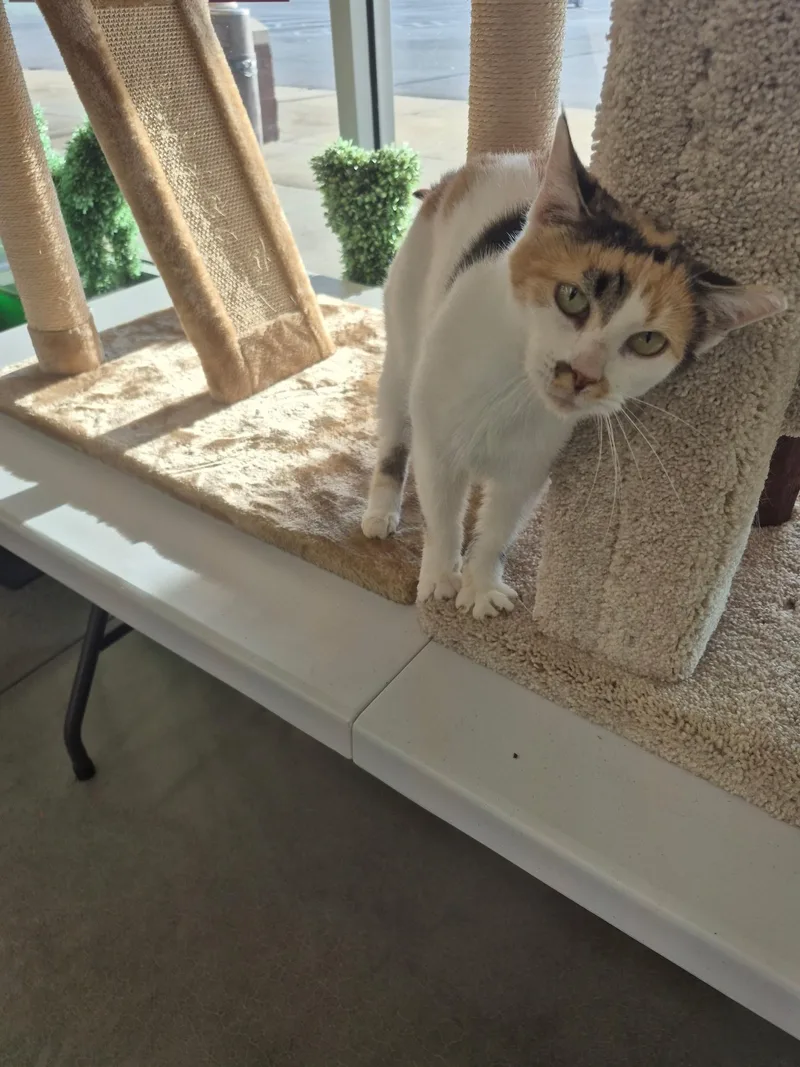
Calico describes a coat: white with patches of black and orange, or soft gray and cream in the dilute version. It shows up in domestic shorthairs and longhairs and in many pedigreed breeds, but most calicos looking for homes are domestic shorthairs, typically 6 to 12 pounds. Nearly all are female, because the orange and black coloring is carried on the X chromosome.

Because the coat says little about the cat, personality, energy and grooming needs vary from one cat to the next. Some are lap cats, others watchful and independent. On Staten Island, where winters bring real snow and summers turn humid, a Calico does best as an indoor cat with a safe outdoor option like a catio, which also keeps her away from the ticks the borough is known for. Lifespans commonly run 12 to 18 years.

Weight
6–12 lbs
Height
8–10 in
Lifespan
12–18 yrs
Temperament
Adaptable, Affectionate, Independent
Shedding
Moderate

Owning a Calico in Staten Island

Having a Calico in Staten Island

A Calico's traits follow her ancestry, age and upbringing, not her patches. Expect a medium-sized, moderately shedding cat that adapts to most Staten Island homes, with play and care needs similar to any domestic cat.

Temperament

Calicos range from shy and gentle to bold and chatty, since personality comes from each cat's genes and experiences rather than coat color. "Tortitude" is more folklore than science. Spend time with a cat, watch how she handles noise and being picked up, and match her to your household, whether that's a quiet North Shore apartment or a busy family home.

Exercise Needs

Plan on two or three short play sessions a day with wand toys, balls or food puzzles. A tall cat tree beside a window gives her indoor climbing and bird-watching, which helps through Staten Island's snowy stretches. Kittens and young adults need more play than seniors, and heavier or longhaired mixes may prefer gentler games.

Health Considerations

Female calicos share the health profile of other domestic cats: vaccines, dental care, weight control and yearly checkups. New York State requires rabies vaccination for cats. Staten Island's established ticks matter if a cat spends time in a yard or catio, so ask a veterinarian about year-round prevention. Rare male calicos may face added urinary and metabolic concerns.

Living Space

Calicos adapt to apartments and houses alike. Staten Island's mix of one- and two-family homes and North Shore apartments both work, provided she has scratching posts, a perch, hiding spots and daily play. Shy cats like a quiet room at first. A catio or harness walks give her safe outdoor time.

What it costs to own a Calico in Staten Island

ExpenseTypical costPer year
Adoption fee$200, one time$200 in year one
Food$25 to $50 per month$300 to $600
Pet insurance$20 to $45 per month$240 to $540
Routine vet care$150 to $350 per year$150 to $350
Other*$450 to $1,150 per year$450 to $1,150
Estimated yearly total (after year one)$1,140 to $2,640
First-year total (with adoption fee)$1,340 to $2,840

Adoption fee is the fee on Calico listings in Staten Island on GetBuddy today. Other costs are estimates and vary with size, age and health.

* Litter, flea and tick prevention, a dental cleaning allowance, toys and supplies, and home brushing.

Adopt a Calico in Staten Island.

Now that you know more, let’s find you a new best friend. These rescues and shelters below currently have Calicos available.

Frequently Asked Questions

Yes, a Calico can ride in a carrier. The Staten Island Railway and MTA buses require pets to be enclosed in a container and carried so they don't bother other riders. The Staten Island Ferry allows pets that are caged or muzzled, and the NYC Ferry's St. George route asks that cats stay in a fully enclosed carrier. There's no subway on the island.

Yes, for an indoor Calico. Winters run roughly 28 to 43°F with snow, and summers reach the mid-80s with humid stretches, but a home with heat and a fan or air conditioning handles both. Keep her away from road salt and antifreeze, never leave her in a parked car, and keep tick prevention going if she goes outside.

Yes. New York City has no breed rules for cats, and a coat pattern isn't regulated. Cats don't need a city license, but New York State requires rabies vaccination. Public housing (NYCHA) allows one cat or one dog per household, and other landlords set their own pet terms, so get permission in writing before you sign a lease.

Yes. Most Calicos adapt well to apartments, including North Shore buildings near the ferry, as long as they have scratching posts, a window perch and daily play. Many Staten Islanders live in one- or two-family houses, but a medium-sized, moderately active cat doesn't need a yard. A cat tree and a few play sessions a day cover her exercise.

Often, yes, especially in a home where someone is around part of the day. Calicos adapt to Staten Island's apartments and houses, and cold winters and humid summers are easy to manage indoors. Because personality runs from shy to bold, the cat's temperament matters more than her patches, so spend time with her and watch how she handles noise and other pets.

Most Calicos are shorthaired and need a quick brushing once or twice a week, while longhaired mixes do better with brushing several times a week to prevent mats. Shedding rises in spring and fall as the seasons change. Home brushing keeps grooming costs low, well within the yearly Other costs on this page.

Almost all calico cats are female, but not every single one. The genes for orange and black coat color sit on the X chromosome, so a cat normally needs two X chromosomes to show both colors at once. Roughly 1 in 3,000 calicos is male, usually because of an extra X chromosome, a genetic quirk rather than a separate type.

A calico cat is any cat with a three-color coat of white plus distinct patches of black and orange, or gray and cream in dilute calicos. Calico is a coat pattern rather than a breed, so it appears in domestic shorthairs, longhairs and many pedigreed breeds. Nearly all calicos are female because of how coat color genes are inherited.

We have 2 rescues with Calicos available: Victory 4 the Voiceless Animal Rescue, Inc. and Strays Hope for Life. You can see every rescue with Calicos available in the list above these questions, or scroll to the top to see the Calicos near Staten Island.

A Calico typically costs about $1,140 to $2,640 a year, before emergencies. That covers food at $25 to $50 a month, insurance at $20 to $45 a month, routine vet care at $150 to $350 a year, and $450 to $1,150 a year for litter, parasite prevention, dental care and supplies. Cats aren't licensed in New York City, so there's no license fee.