Bombay Cats for Adoption in Staten Island, NY

Your guide to finding and caring for a Bombay in Staten Island

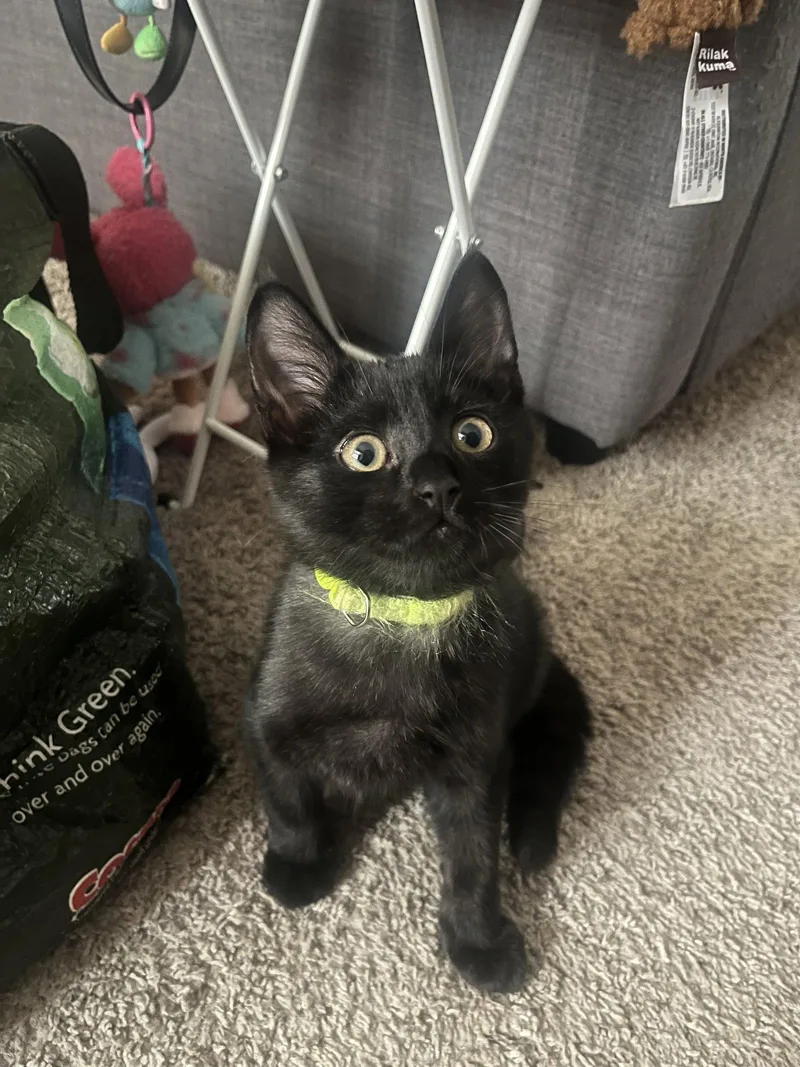
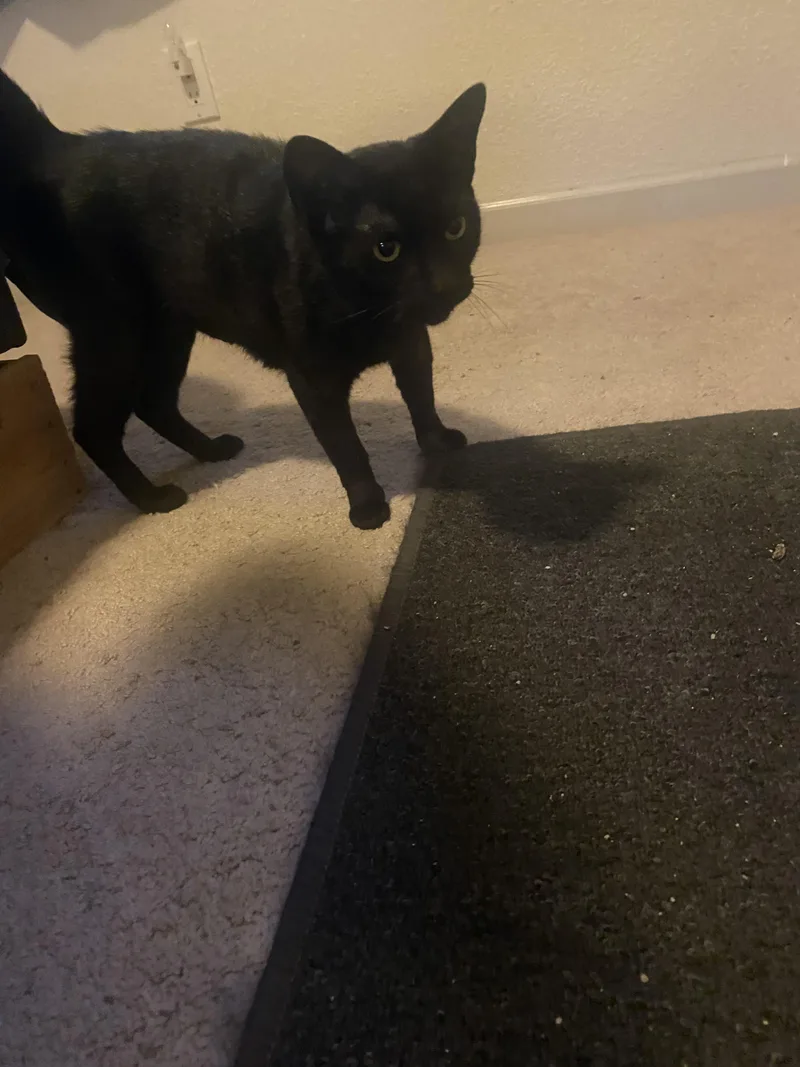
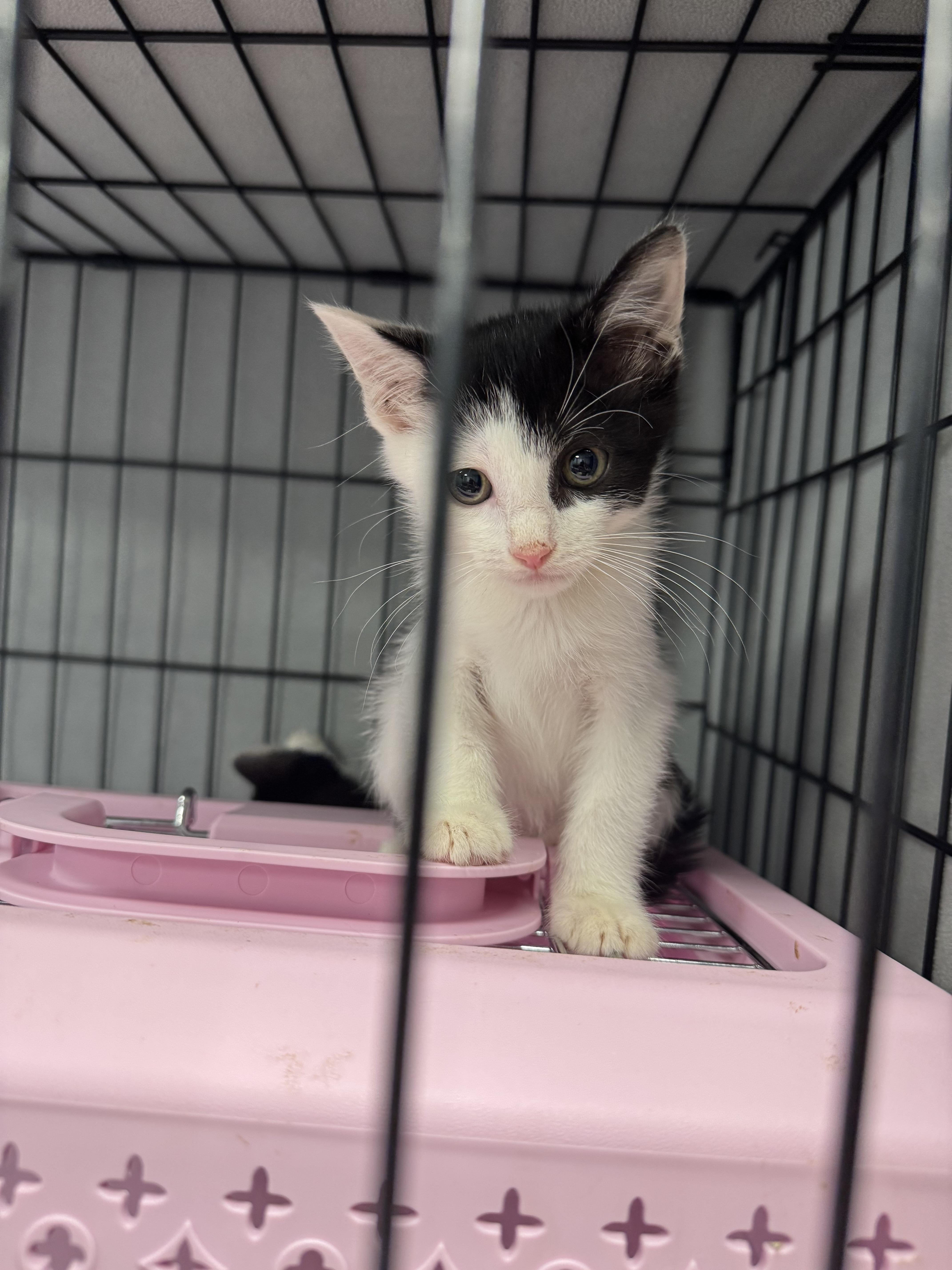
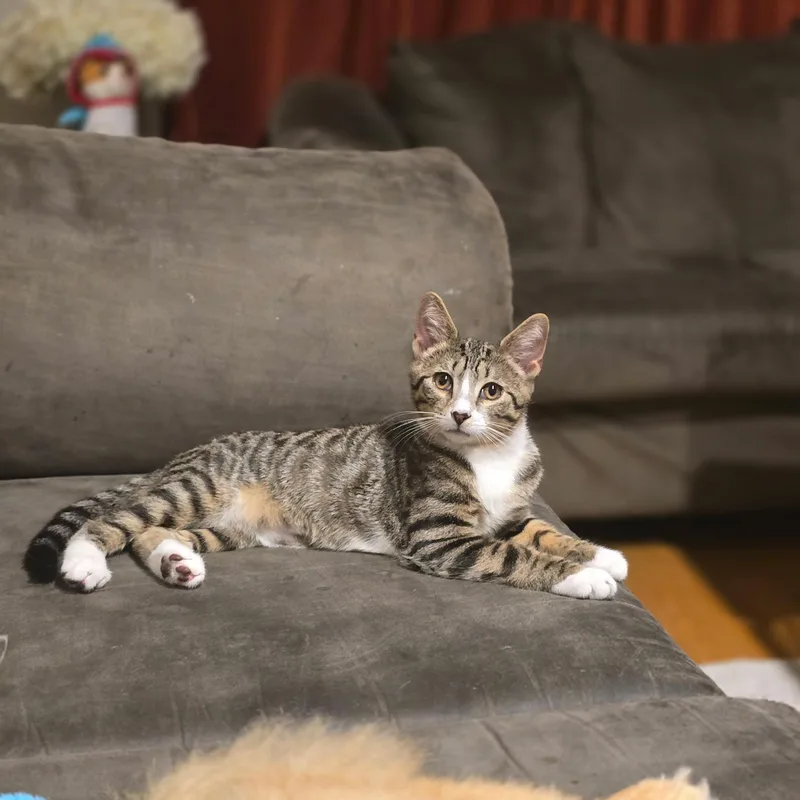
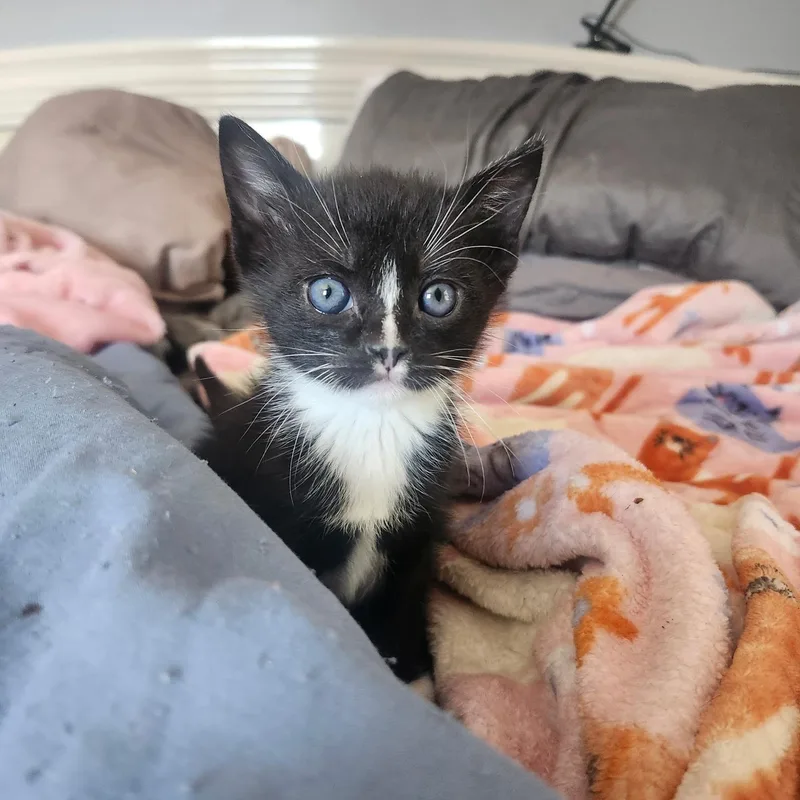
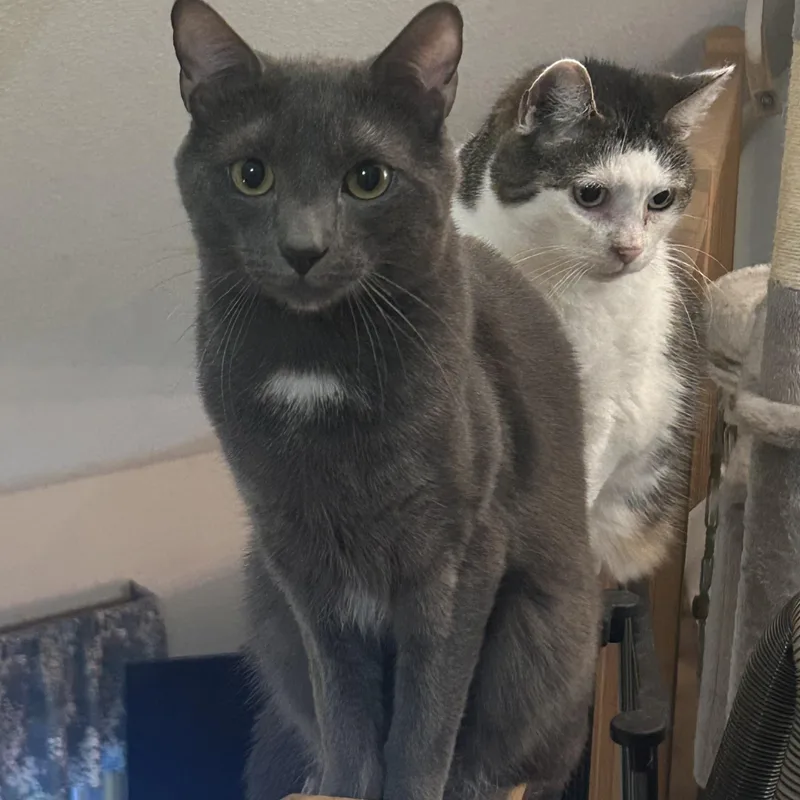
A Bombay fits Staten Island's low-rise streets well, since it's happy watching the neighborhood from a window. In a two-family house in Westerleigh or a garden apartment in Oakwood, a Bombay will follow you from room to room and claim your lap by evening. These cats like company, so they do best where someone is home for part of the day. Most cats listed as Bombays are sleek black shorthairs with copper eyes, so spend time with the cat itself.

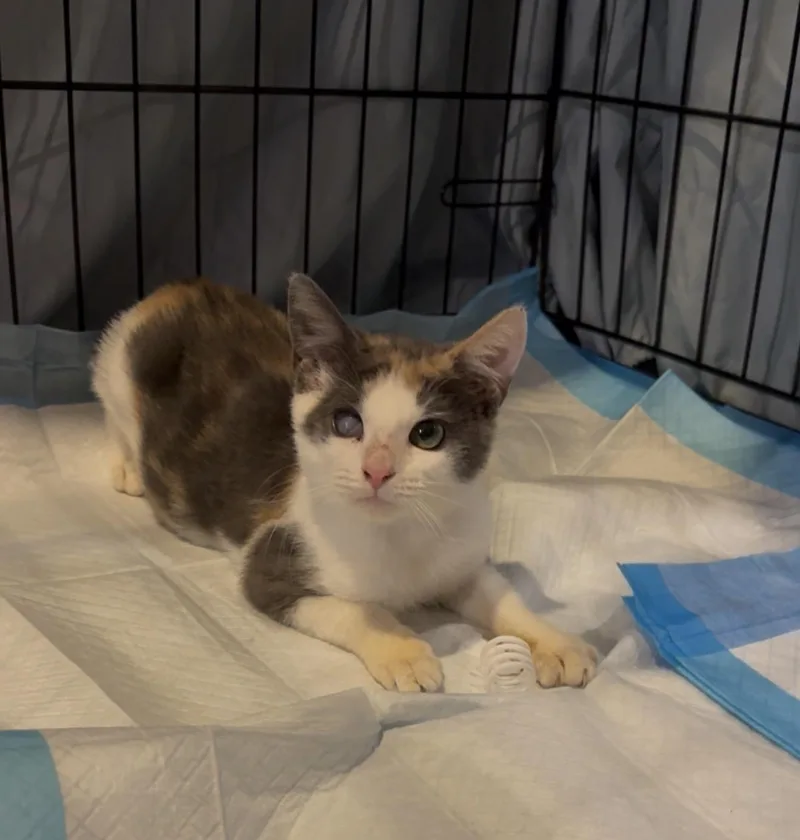
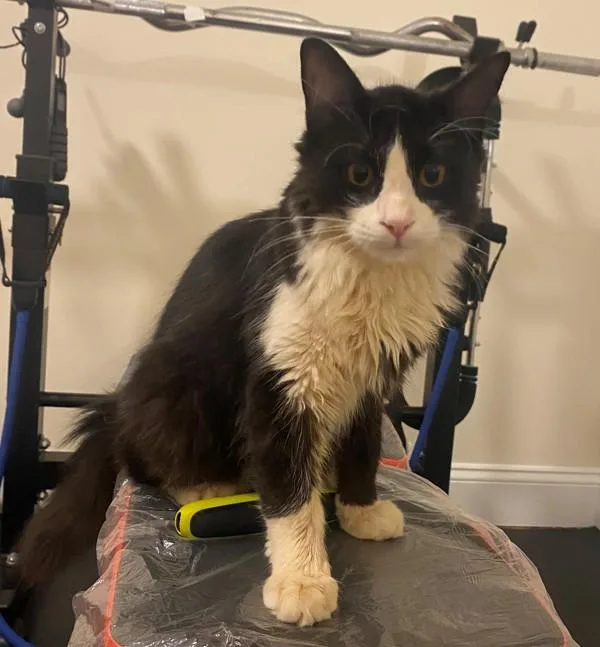
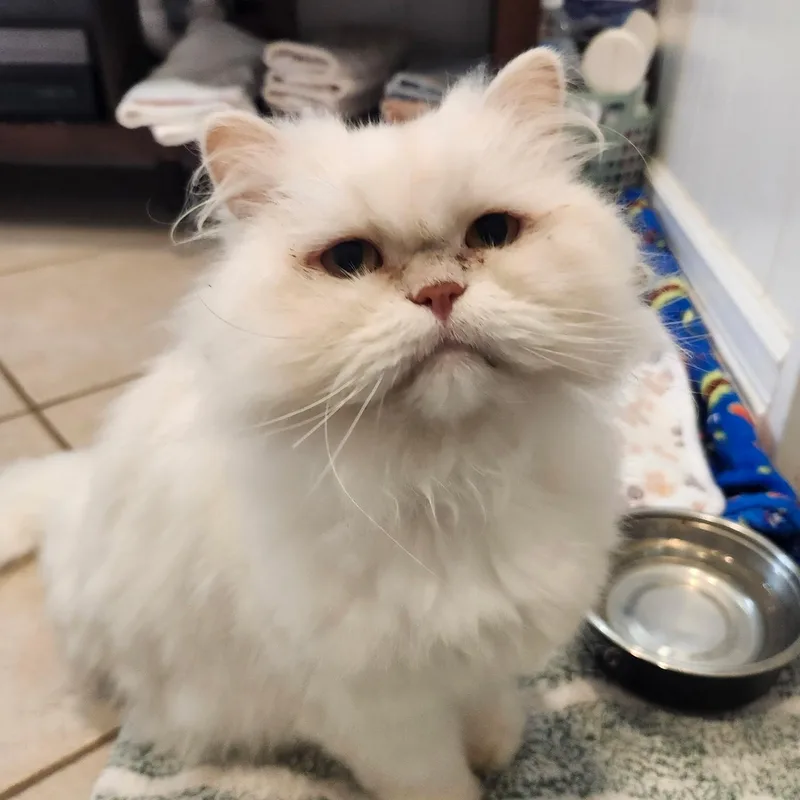
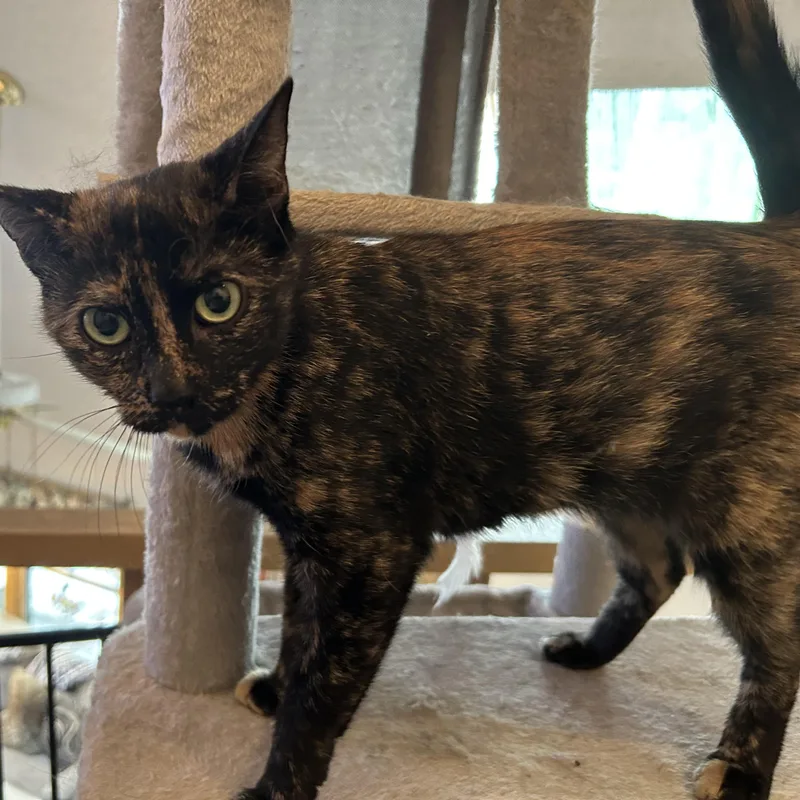
599 Bombays available in Staten Island and nationwide

Open your home to a Bombay

Bombays Available for Adoption Near Staten Island

About the Bombay breed

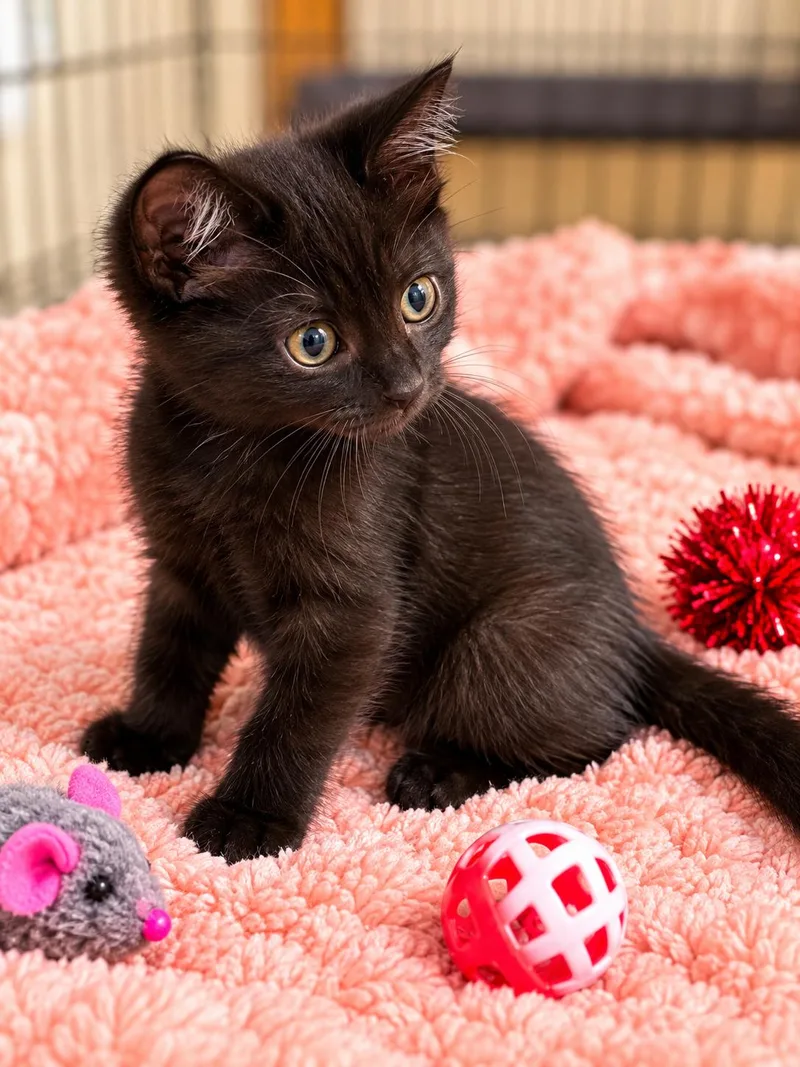
Bombays were developed in the United States beginning in the 1950s, when Nikki Horner of Kentucky crossed sable Burmese with black American Shorthairs, hoping for a miniature black panther. The name comes from India's black leopard, not the city. The result is a medium, surprisingly solid cat, usually 6 to 12 pounds, with a short satiny coat that is black to the roots, black nose and paw pads, and gold to deep copper eyes.

Many Bombays are people-focused, playful and curious, and some learn to fetch or walk on a harness, which suits a quiet backyard better than a busy street. Pedigreed Bombays are uncommon in shelters, and most black cats with copper eyes listed under the name are domestic shorthairs, so each cat's personality matters more than the label. The short coat needs very little care.

Weight
6–12 lbs
Height
8–10 in
Lifespan
12–15 yrs
Temperament
Affectionate, Social, Playful
Shedding
Low

Owning a Bombay in Staten Island

Having a Bombay in Staten Island

Bombays pair a low-maintenance coat with a real need for company. In Staten Island's mostly low-rise homes, what matters is how much time someone is around, how much play the cat gets each day, and how carefully mealtimes are measured.

Temperament

Bombays tend to be affectionate, outgoing and eager to be part of whatever is happening, and many greet visitors instead of hiding. Some bond closely with one person and dislike long days alone, which matters for commuters riding the ferry or express buses to Manhattan. History and socialization shape behavior, so some cats take longer to warm up.

Exercise Needs

Plan on daily interactive play with wand toys, chase games and fetch, plus food puzzles for mental work. Regular play helps keep a food-motivated Bombay lean. Some take to harness walking with patient training, which can work in a quiet backyard at one of Staten Island's many single-family homes. Older cats usually prefer shorter, gentler sessions.

Health Considerations

Hypertrophic cardiomyopathy has been reported in Bombays, and some have watery eyes that need occasional wiping. They can gain weight easily, which raises the risk of diabetes and joint strain. Regular exams, measured meals and dental care help, and a veterinarian can listen for heart murmurs and advise on screening and year-round flea and tick prevention.

Living Space

A Bombay does well in a Staten Island apartment or house when it has company, play and places to climb. Window perches, cat trees and scratching posts matter more than floor space. Indoor living keeps these cats safe, and a home where someone is around for part of the day usually suits them best.

What it costs to own a Bombay in Staten Island

ExpenseTypical costPer year
Food$25 to $50 per month$300 to $600
Pet insurance$30 to $60 per month$360 to $720
Routine vet care$150 to $350 per year$150 to $350
Other*$450 to $1,150 per year$450 to $1,150
Estimated yearly total (after year one)$1,260 to $2,820

Other costs are estimates and vary with size, age and health.

* Litter, flea and tick prevention, a dental cleaning allowance, toys, scratchers and other supplies, and minimal home grooming for the short coat.

Adopt a Bombay in Staten Island.

Now that you know more, let’s find you a new best friend. These rescues and shelters below currently have Bombays available.

Frequently Asked Questions

Yes. New York City has no breed-specific ownership rules, so a Bombay is treated like any other cat. Pedigreed Bombays are uncommon, and cats listed under the name are often sleek black shorthairs with copper eyes. Watch the listings on this page, browse similar breeds and nearby cities, or save a search to hear about new arrivals.

Yes. A Bombay needs company, play and climbing space more than square footage, so an apartment works with a cat tree and a window perch. If a lease bans pets but a landlord knows about an openly kept cat and takes no action within three months, New York City's pet law generally waives the clause. Read your lease first.

Often, yes, especially for households where someone is home part of the day. Low-rise housing gives a Bombay plenty of window views. The main challenge is long commuter days, since many Bombays crave attention. Morning play, puzzle feeders or a feline companion help, and keeping the cat indoors avoids the island's ticks, deer and traffic.

Yes, in a carrier. The Staten Island Railway and MTA buses require pets to be in a bag or closed container that doesn't bother other riders, and the Staten Island Ferry allows pets only if caged. The NYC Ferry's St. George route asks that non-dog pets ride in a fully enclosed carrier. Choose a sturdy carrier your Bombay can turn around in.

Yes, as indoor cats. Many winter nights fall below freezing, and nearby stations see roughly 25 to 32 inches of snow a year. A Bombay's thin, short coat won't keep it warm outdoors, so keep it inside, offer a cozy bed away from drafts, and keep extra blankets ready in case a storm knocks out power.

Very little. A weekly rub with a soft brush or rubber mitt keeps the satiny coat glossy, and shedding is low. Dry heated air in winter can make skin flaky, so brush a bit more then. Nail trims and tooth care matter more, and the small cost of home grooming is included in the Other line of the cost table.

We have 2 rescues with Bombays available: Staten Island Hope Animal Rescue and For Blake's Sake Rescue, Inc.. You can see every rescue with Bombays available in the list above these questions, or scroll to the top to see the Bombays near Staten Island.

A Bombay in Staten Island typically costs about $1,260 to $2,820 a year. That covers food at $25 to $50 a month, pet insurance at $30 to $60 a month, routine vet care at $150 to $350 a year, and other costs at $450 to $1,150 a year. New York City charges no cat license fee.