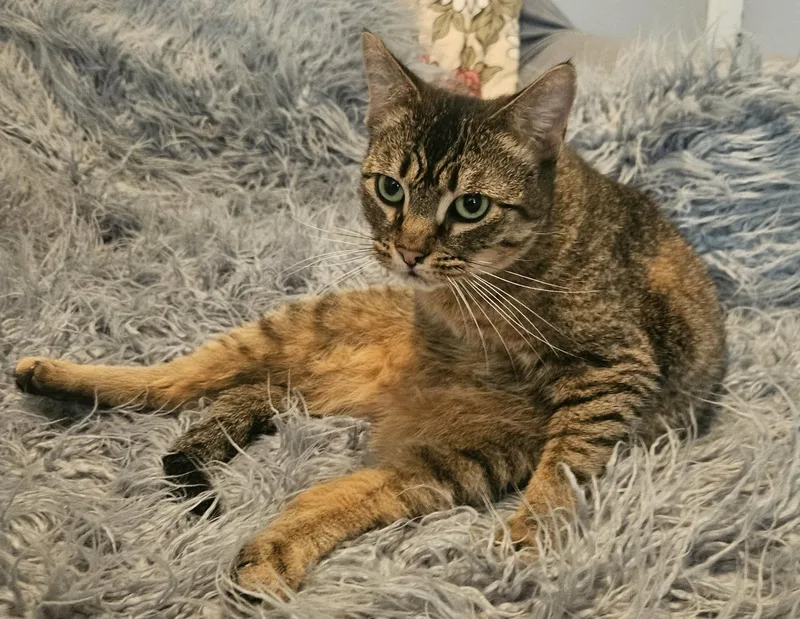
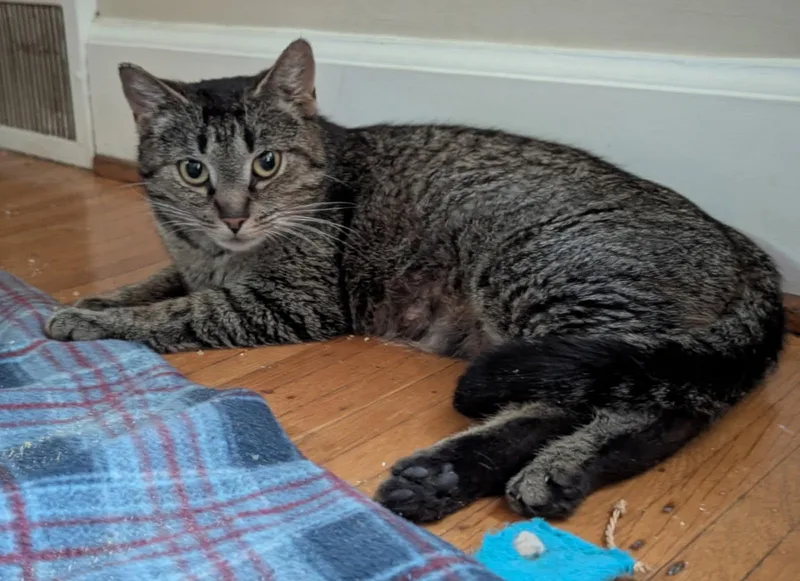
Tortoiseshell Cats for Adoption in Rochester, NY

Your guide to finding and caring for a Tortoiseshell in Rochester

Tortoiseshell cats fit Rochester's older apartments and two-family houses easily, since most spend their lives indoors. Tortoiseshell is a coat pattern, not a breed, so one tortie may be shy and another bossy. In Corn Hill, where Victorian houses were split into flats, or in a 19th Ward cottage, a cat tree by a window gives her plenty to watch. Rochester winters keep cats inside anyway, so plan on a few good play sessions every day.

982 Tortoiseshells available in Rochester and nationwide

Your Tortoiseshell is waiting

While we don't have enough cats near Rochester, keep in mind that many rescues may offer transport.

Tortoiseshells Available for Adoption Near Rochester

About the Tortoiseshell breed

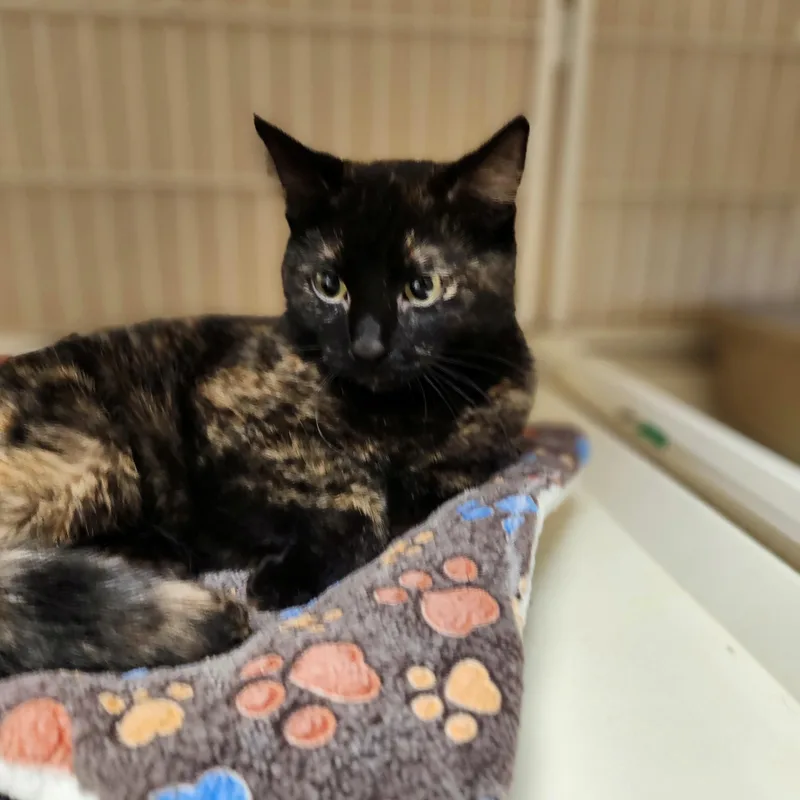
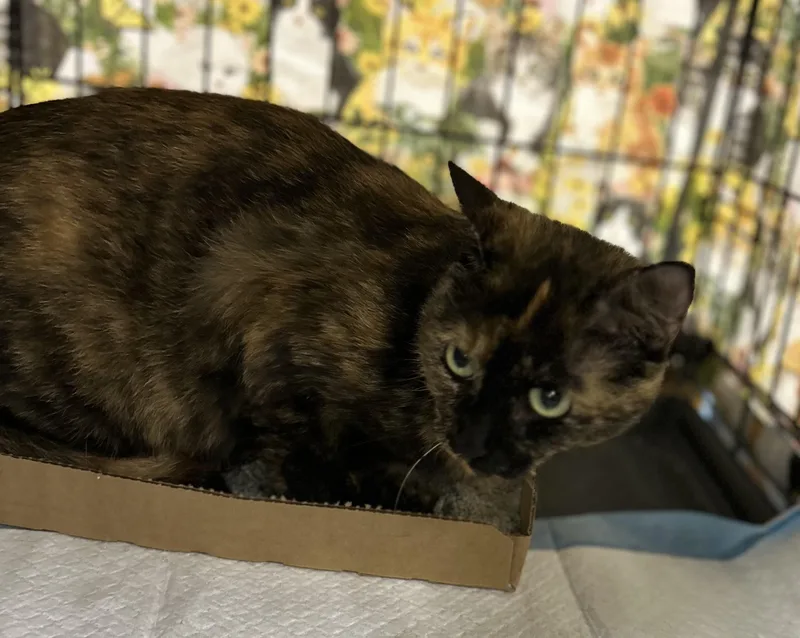
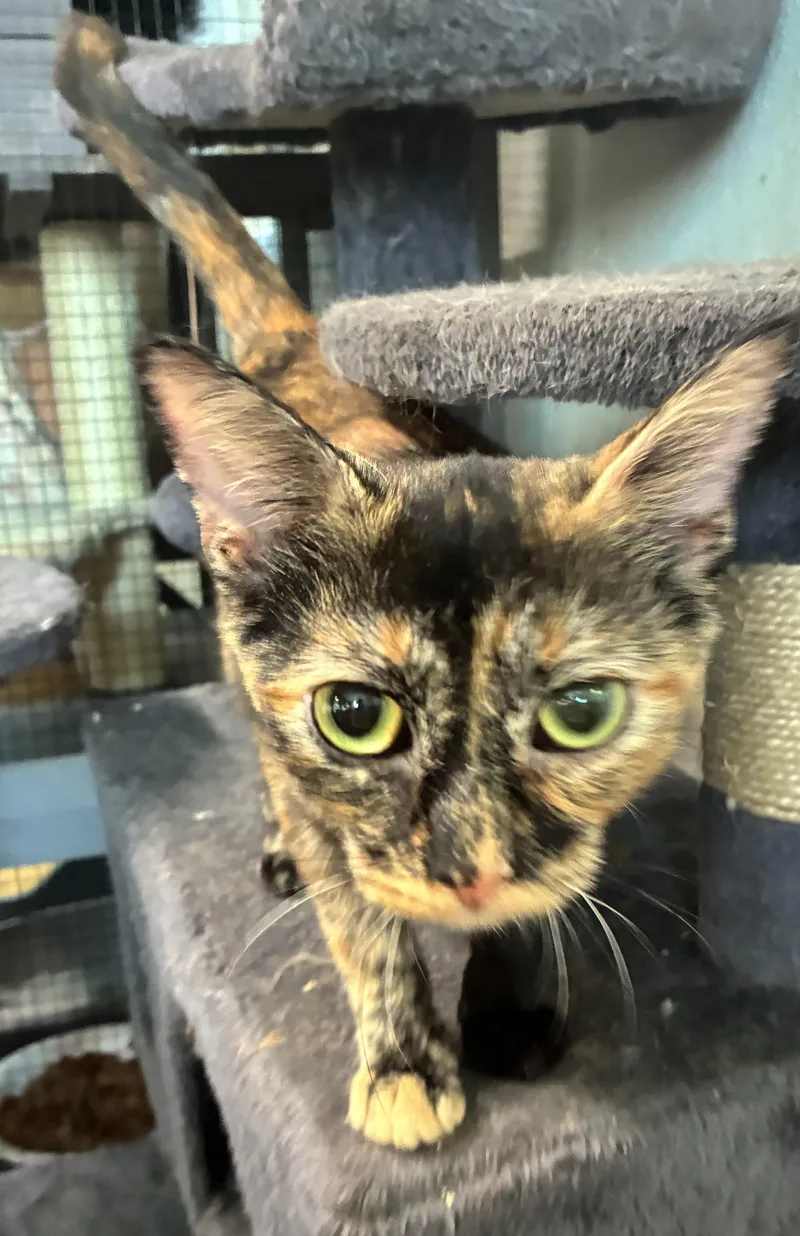
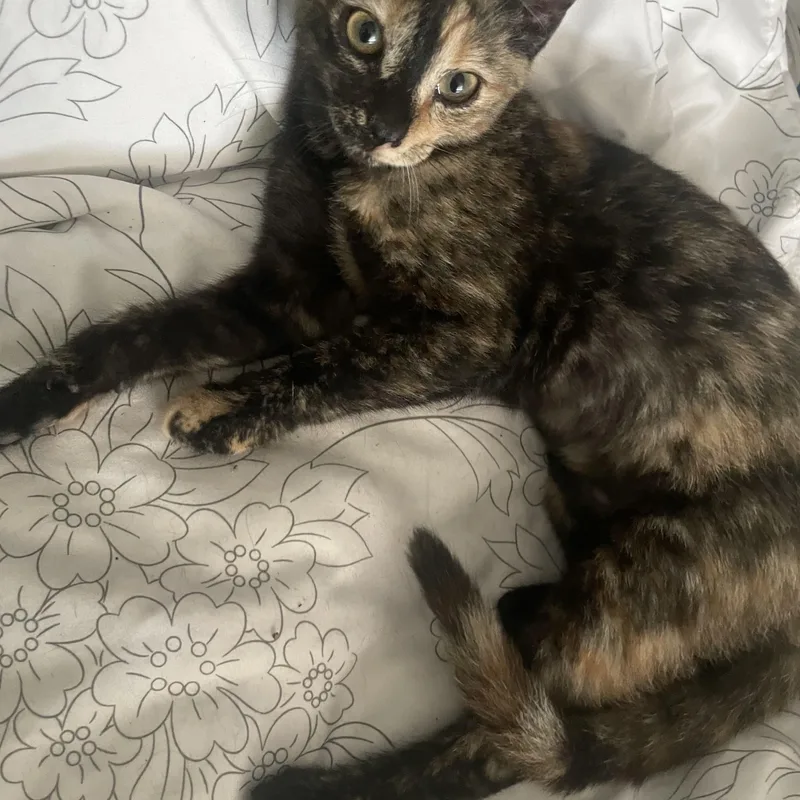
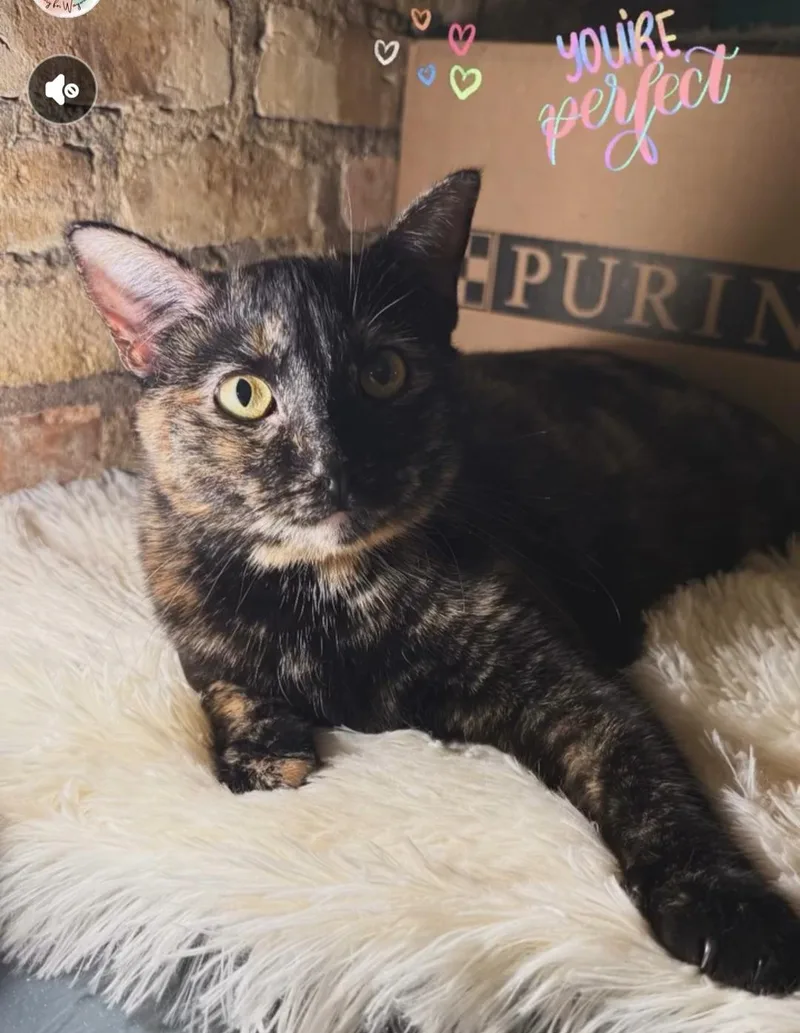
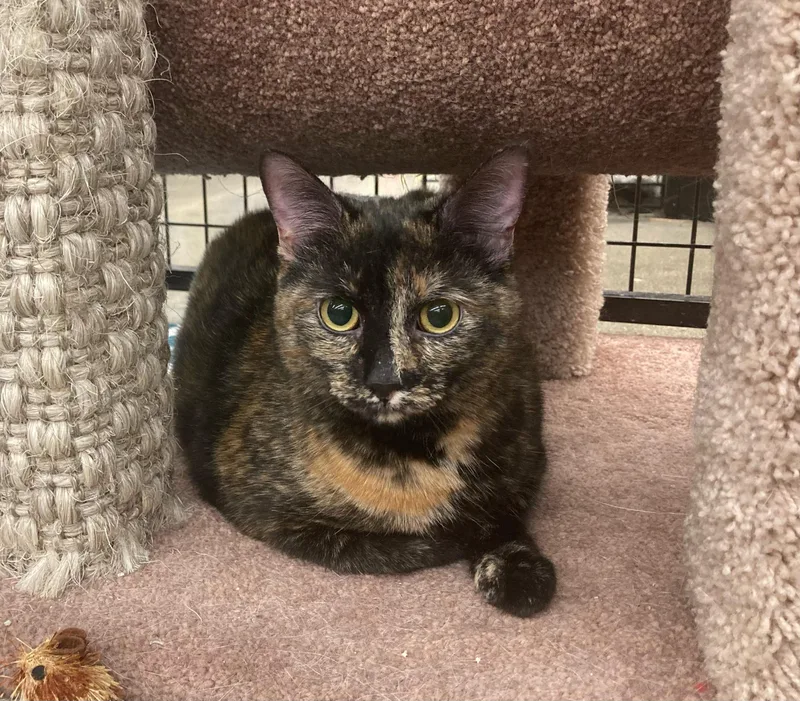
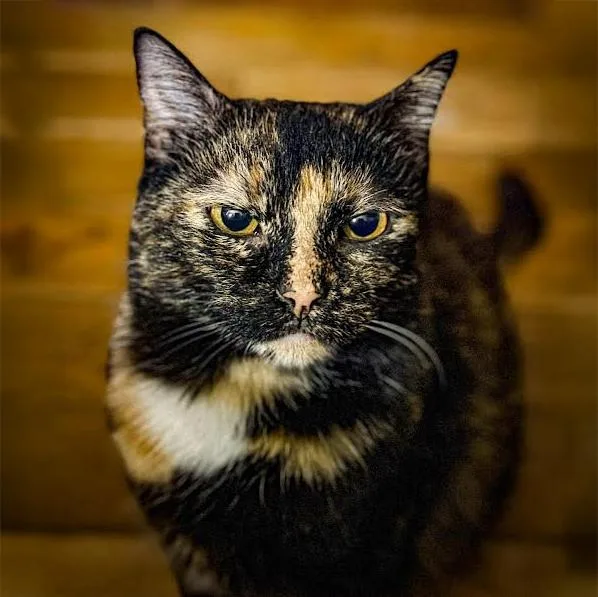
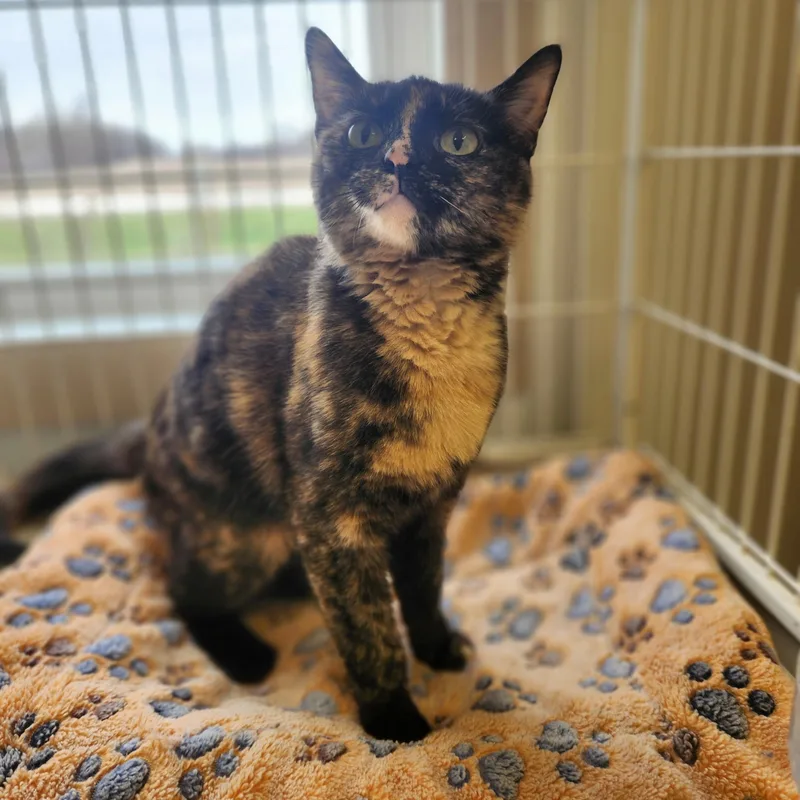
Tortoiseshell describes a coat, not a breed. The patchy or finely mottled mix of black-based and orange-based colors, usually with little white, appears mostly on domestic shorthairs and longhairs, and also on breeds such as Maine Coons and British Shorthairs. Nearly all torties are female. Most weigh 6 to 14 pounds and live 12 to 18 years, with moderate shedding that a weekly brushing keeps manageable.

Because torties come from such varied backgrounds, you'll meet every temperament, from bold and demanding to shy for the first few weeks. The "tortitude" reputation rests mostly on owner impressions, so judge each cat by how she behaves rather than by color. In Rochester, expect a long indoor life together: scratching posts, window perches and daily play matter more than any coat pattern.

Weight
6–14 lbs
Height
8–10 in
Lifespan
12–18 yrs
Temperament
Independent, Affectionate, Playful
Shedding
Moderate

Owning a Tortoiseshell in Rochester

Having a Tortoiseshell in Rochester

A tortie's traits come from her ancestry, age and upbringing more than her coat. These cards describe what holds for most tortoiseshells in Rochester homes, typically domestic shorthairs, and why a long indoor winter makes enrichment and a calm routine worth planning.

Temperament

Torties are often called spirited or opinionated, but the evidence linking coat color to behavior is thin. In Rochester apartments and houses, you'll find tortoiseshells that are cuddly, independent, chatty or shy. Spend time with the cat and read her listing notes; her behavior tells you far more than her color does.

Exercise Needs

Plan two or three short play sessions a day with wand toys, chase games or puzzle feeders, and more for young cats. Rochester's long winters keep most cats inside for months, so vertical space such as a cat tree beside a window helps burn energy. Seniors do well with gentler sessions.

Health Considerations

The tortoiseshell pattern carries no particular health risks in females, and the rare males are usually sterile and may face extra issues. Beyond that, health depends on age and ancestry. Yearly vet checkups, dental care and a healthy weight matter most, and a vet can check any cat you adopt.

Living Space

Tortoiseshells do well in Rochester's typical housing, from downtown lofts and older apartments to two-family houses, as long as there's a scratching post, a cat tree and a hideaway. Quiet cats may prefer calmer buildings, while confident, social torties usually handle busy households and noisy hallways.

What it costs to own a Tortoiseshell in Rochester

ExpenseTypical costPer year
Adoption fee$100, one time$100 in year one
Food$25 to $50 per month$300 to $600
Pet insurance$20 to $45 per month$240 to $540
Routine vet care$150 to $350 per year$150 to $350
Other*$450 to $1,150 per year$450 to $1,150
Estimated yearly total (after year one)$1,140 to $2,640
First-year total (with adoption fee)$1,240 to $2,740

Adoption fee is the fee on Tortoiseshell listings in Rochester on GetBuddy today. Other costs are estimates and vary with size, age and health.

* Litter, flea prevention, a dental cleaning allowance, toys and supplies, and home grooming; costs vary with the cat's size and coat.

Adopt a Tortoiseshell in Rochester.

Now that you know more, let’s find you a new best friend. These rescues and shelters below currently have Tortoiseshells available.

Frequently Asked Questions

Yes, Tortoiseshells handle Rochester winters well as indoor cats. The city averages about 102 inches of snow and roughly 129 freezing nights a year, so keep her inside, add daily play, and wipe paws after any outing to remove salt and de-icer. Keep several days of food, litter and medication on hand in case of a power outage.

Yes, but only in a closed carrier. Rochester's RTS buses require pets to stay in a closed container, cage or carrier at all times, held on your lap or at your feet. The carrier can't block the aisle or take a seat, and the cat must be quiet and calm. Rochester has no subway.

Yes. New York bars breed-specific local rules, and tortoiseshell is only a coat pattern anyway. Rochester doesn't license cats, but state law requires a rabies vaccination, with the first shot by four months of age. Pet stores can't sell cats in New York, so adoption is the way to find a tortie.

Yes, a Tortoiseshell can live happily in a Rochester apartment, and most Rochester torties do. About 61% of households here rent, so confirm your lease's pet terms first. Add a cat tree, a window perch and a scratching post, and plan daily play to keep her busy through the long winter months.

Often, yes. Torties adapt to Rochester's older flats, two-family houses and long indoor winters if they get play, perches and a steady routine. Personalities range widely, so a quiet tortie suits a calm home, while a bold, social one may enjoy a busier household. Look at each cat's behavior rather than her color.

Most Tortoiseshells have short coats and need a brushing about once a week, with extra sessions in spring when they shed their winter coats. Longhaired torties need brushing several times a week to prevent mats. Grooming is mostly done at home, and those supplies are covered in the yearly Other costs.

A tortoiseshell cat is a cat with a coat pattern of black-based and orange-based colors blended or patched together, usually with little or no white. It is not a breed; the pattern appears in many breeds and most often in domestic shorthairs. Nearly all tortoiseshells are female because the genes for orange and black are carried on the X chromosome.

Almost all tortoiseshell cats are female, but not all. A female has two X chromosomes and can carry both orange and black color genes, producing the mixed coat. Males normally have only one X. Rare male torties usually have an extra X chromosome or are genetic chimeras, and they are estimated at roughly 1 in 3,000 tortoiseshells.

We have 3 rescues with Tortoiseshells available: Rochester Rascals Pet Rescue, Inc., RocKats and Sea Breeze Friends of Feral Felines. You can see every rescue with Tortoiseshells available in the list above these questions, or scroll to the top to see the Tortoiseshells near Rochester.

Plan on roughly $1,140 to $2,640 a year for a tortie: food at about $25 to $50 a month, insurance at $20 to $45 a month, routine vet care at $150 to $350 a year, and $450 to $1,150 a year for litter, flea prevention, dental care and supplies. Costs shift with age, size and coat length.

Find Tortoiseshells in Nearby Cities

Expand your search to find Tortoiseshells available for adoption near Rochester.