Russian Blue Cats for Adoption in New York, NY

Your guide to finding and caring for a Russian Blue in NYC

Russian Blues suit NYC apartment life well, especially in a building that stays fairly quiet. These reserved cats bond closely with their people, so a calm one-bedroom in Astoria or a quiet floor of a Park Slope brownstone can suit them better than a loud, crowded share. A Russian Blue will want a window perch to watch the street, a hiding spot or two and a daily wand-toy session. Many are wary of strangers, so a steady household beats a revolving door of roommates.

694 Russian Blues available in New York and nationwide

Find your Russian Blue

Russian Blues Available for Adoption Near New York

About the Russian Blue breed

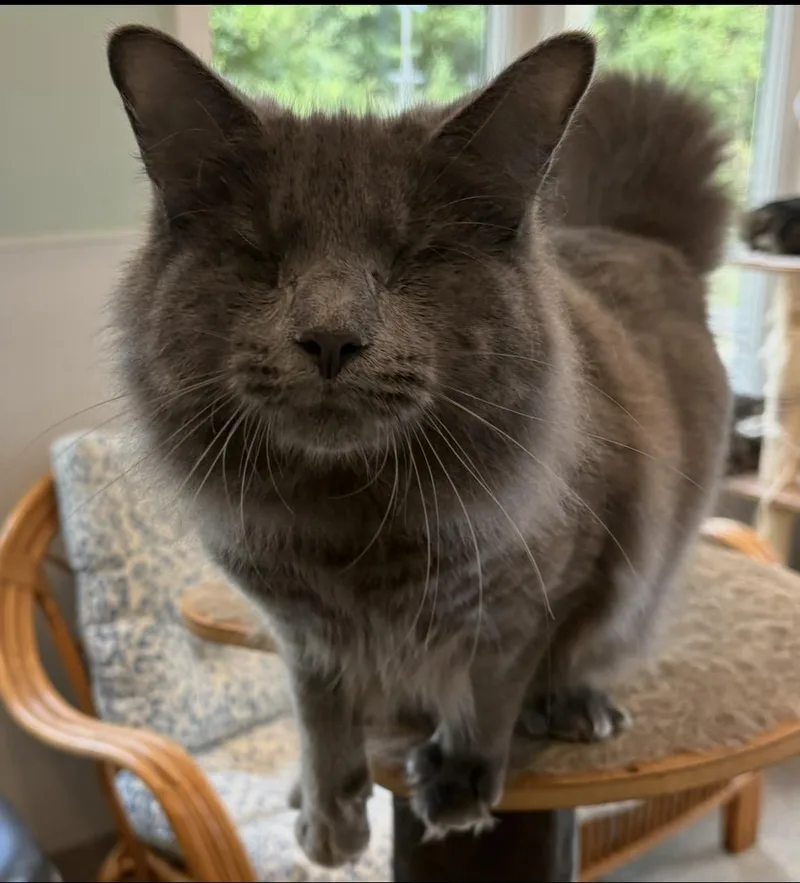
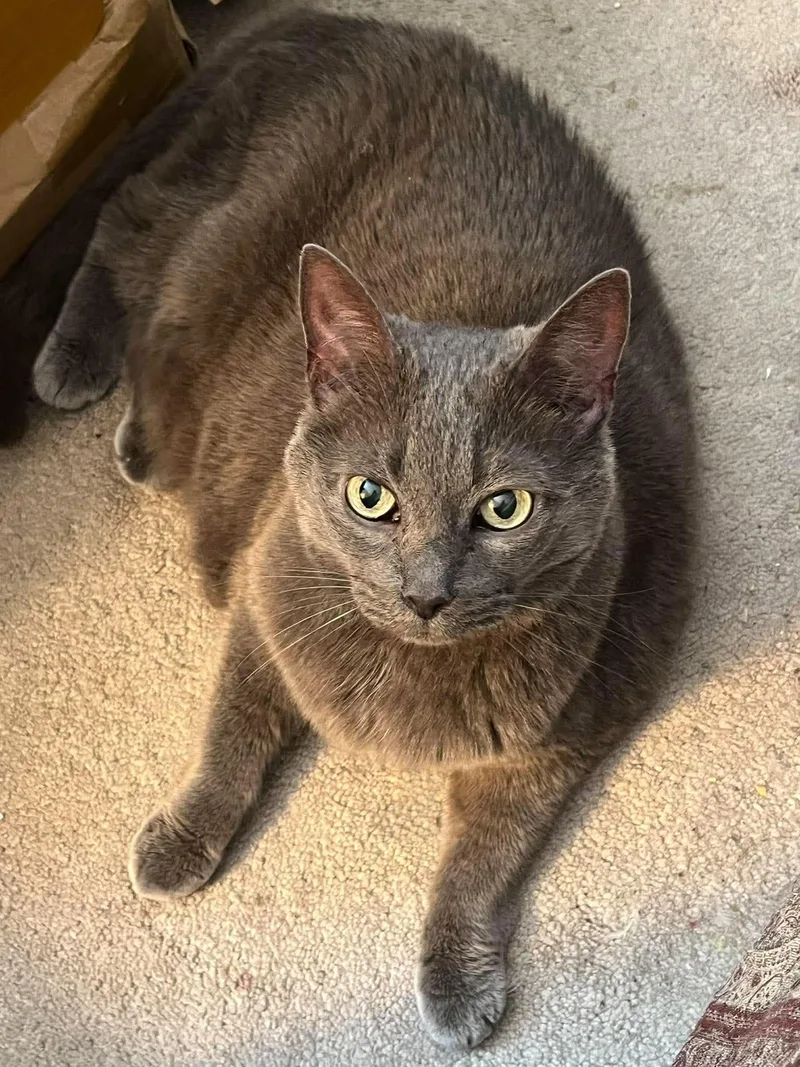
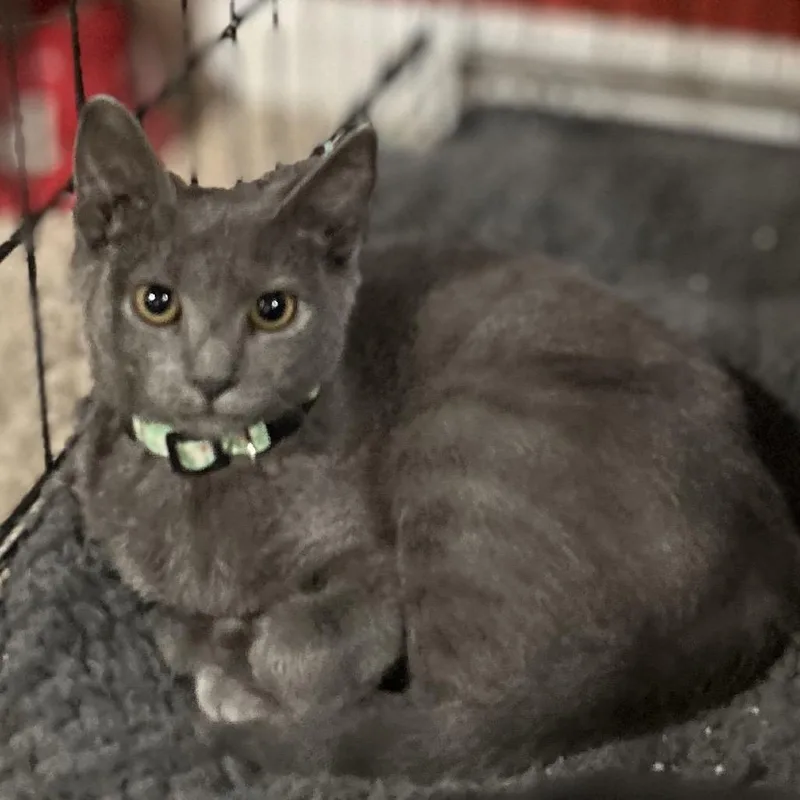
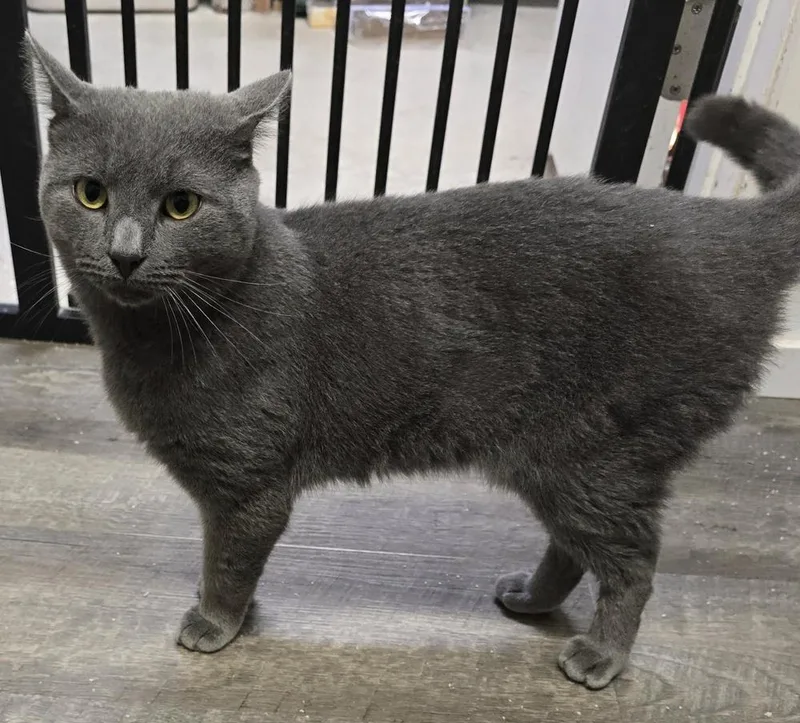
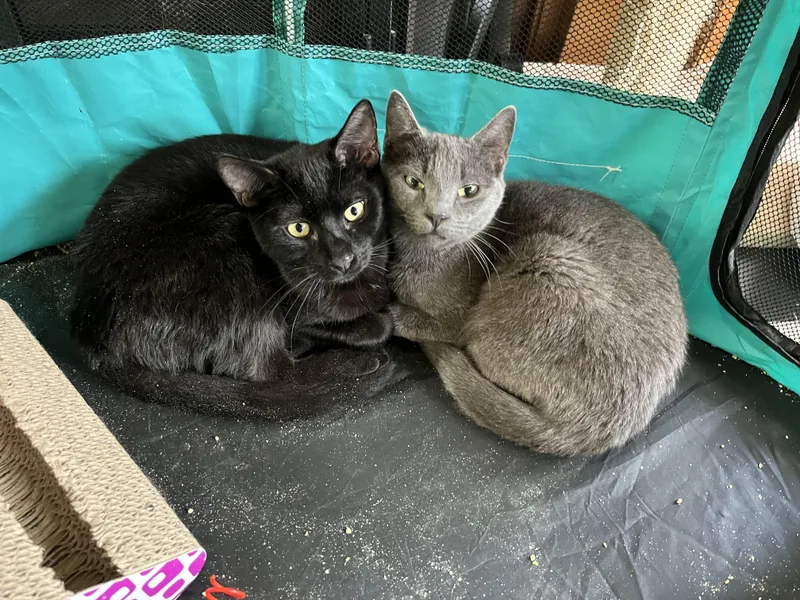
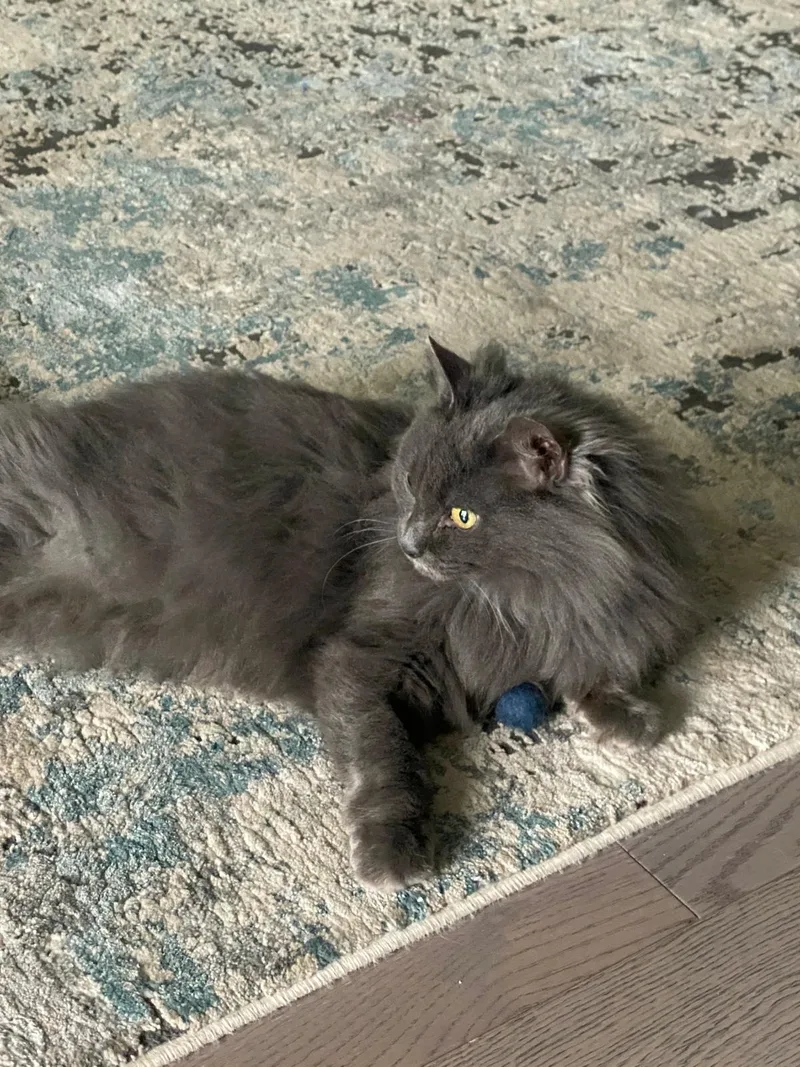
The Russian Blue is a slender, fine-boned shorthair with a plush silver-tipped blue-grey coat and vivid green eyes. The breed is believed to trace back to the Archangel region of northern Russia, and it was refined in Britain, Scandinavia and the United States. Many adults weigh somewhere around 6 to 12 pounds and live 12 to 16 years, so adopting one is a long commitment.

Temperament runs gentle, quiet and observant. Many Russian Blues are devoted to their own people, notice changes in routine and take time to warm up to visitors. In a city where deliveries, sirens and neighbors are part of daily life, a hiding spot and a predictable schedule matter. Their short coat is easy to maintain, but they love food, so measured portions are part of everyday care. Each cat's personality varies.

Weight
6–12 lbs
Height
8–10 in
Lifespan
12–16 yrs
Temperament
Gentle, Quiet, Intelligent
Shedding
Low to Moderate

Owning a Russian Blue in New York

Having a Russian Blue in NYC

Russian Blues pair an easy-care coat with a sensitive, thoughtful nature. In a busy city, how a cat handles routine, noise and visitors often matters more than size or looks, so meet the cat you're considering and watch how it settles.

Temperament

Russian Blues tend to be gentle and loyal with family but cautious with newcomers, often watching from across the room first. Many prefer predictable days, which can be a challenge near noisy streets or with frequent guests. Patient introductions help, and a cat's past shapes how quickly it trusts. Expect a range of personalities.

Exercise Needs

Most Russian Blues are agile and playful, enjoying wand toys, chase games and puzzle feeders. In an apartment, vertical space does a lot of the work: a tall cat tree or wall shelves give them somewhere to climb and survey the block. Daily interactive play also helps keep their hearty appetite from turning into extra weight.

Health Considerations

Russian Blues have no widely recognized breed-specific inherited disease, but like any cat they can develop dental disease, bladder stones, kidney disease or heart conditions. Obesity is a common, preventable concern. Rabies vaccination is required for cats in New York State, and regular checkups, measured meals and dental care help keep a cat healthy.

Living Space

Russian Blues often do well in apartments, since they value calm routines and cozy retreats over square footage. A small NYC space works if it has window perches, a cat tree and a quiet place to hide when the building gets noisy. Keep windows securely screened, because city cats can be tempted by birds outside.

What it costs to own a Russian Blue in New York

ExpenseTypical costPer year
Adoption fee$100 to $150, one time$100 to $150 in year one
Food$25 to $50 per month$300 to $600
Pet insurance$25 to $50 per month$300 to $600
Routine vet care$150 to $350 per year$150 to $350
Other*$450 to $1,150 per year$450 to $1,150
Estimated yearly total (after year one)$1,200 to $2,700
First-year total (with adoption fee)$1,300 to $2,850

Adoption fee is the range of fees on Russian Blue listings in New York on GetBuddy today. Other costs are estimates and vary with size, age and health.

* Litter, flea prevention, a dental cleaning allowance, toys, scratchers and other supplies, and minimal home grooming for the short coat.

Adopt a Russian Blue in New York.

Now that you know more, let’s find you a new best friend. These rescues and shelters below currently have Russian Blues available.

Rescues in New York with Russian Blues Available

NYC has a large rescue community, so cats of all ages and coat colors turn up in its shelters. Here are the rescues & shelters in the NYC area where you can find Russian Blues and other cats available for adoption.

Frequently Asked Questions

Yes, as long as your Russian Blue is inside a bag or other container. NYC Transit rules require pets to be enclosed and carried in a way that doesn't annoy other riders. Choose a carrier with good ventilation and a secure latch, and practice at home first, since many Russian Blues are sensitive to noise and crowds. Service animals are exempt.

Yes, for an indoor Russian Blue. NYC winters average lows near 30°F and summers reach the low 80s, with some days above 90°F. A dense double coat copes with cold, but heat and humidity are the bigger concern. Keep rooms ventilated or air-conditioned, offer fresh water, and never leave a cat in a parked car.

Yes. NYC has no breed-specific ownership rules, and the city doesn't license cats. New York State does require rabies vaccination. Your lease is the main hurdle. The city's pet law can waive a no-pet clause after three months of open, known pet ownership, but NYCHA public housing limits households to one dog or one cat.

Yes, many Russian Blues do well in NYC apartments because they value calm routines over space. Provide a tall cat tree, a window perch and a hiding spot, and schedule daily play. Pick a quieter unit if you can, since some Russian Blues get stressed by constant noise. Secure window screens are essential, especially on upper floors.

It can be, if your home is fairly calm. Russian Blues bond closely with their people and often take time with visitors, so a steady household suits them better than a revolving door of roommates. They handle small spaces well. If you're away long hours or host often, think carefully about whether this cat's reserved nature will thrive.

Very little. A weekly brush keeps the short, dense coat tidy and manages shedding, which may rise a bit in spring and fall. Dry winter indoor air and summer humidity don't change much. Most owners skip professional grooming, which is why grooming adds only a small amount to the yearly Other costs of $450–$1,150.

Russian Blue cats are often gentle, quiet and deeply attached to their families, while staying reserved with strangers. Many like predictable routines, follow favorite people around and enjoy interactive games that test their intelligence. They tend to be sensitive to household mood and noise. Personality varies, so a foster's description of an individual cat is the best guide.

A Russian Blue is a medium-sized shorthaired cat with a dense, plush blue-grey coat tipped in silver, vivid green eyes and a slender, graceful build. The breed is thought to come from northern Russia. Many Russian Blues are quiet, intelligent and loyal to their people, though often shy around visitors until they feel comfortable.

We have 5 rescues with Russian Blues available, including Bronx Tails Cat Rescue, Stray From The Heart and They All Want To Live. You can see every rescue with Russian Blues available in the list above these questions, or scroll to the top to see the Russian Blues near New York.

A Russian Blue typically costs about $25–$50 a month for food, $25–$50 a month for pet insurance, $150–$350 a year for routine vet care and $450–$1,150 a year for other expenses such as litter, flea prevention and dental care. There's no city cat license fee. NYC prices overall run high, so get local quotes.