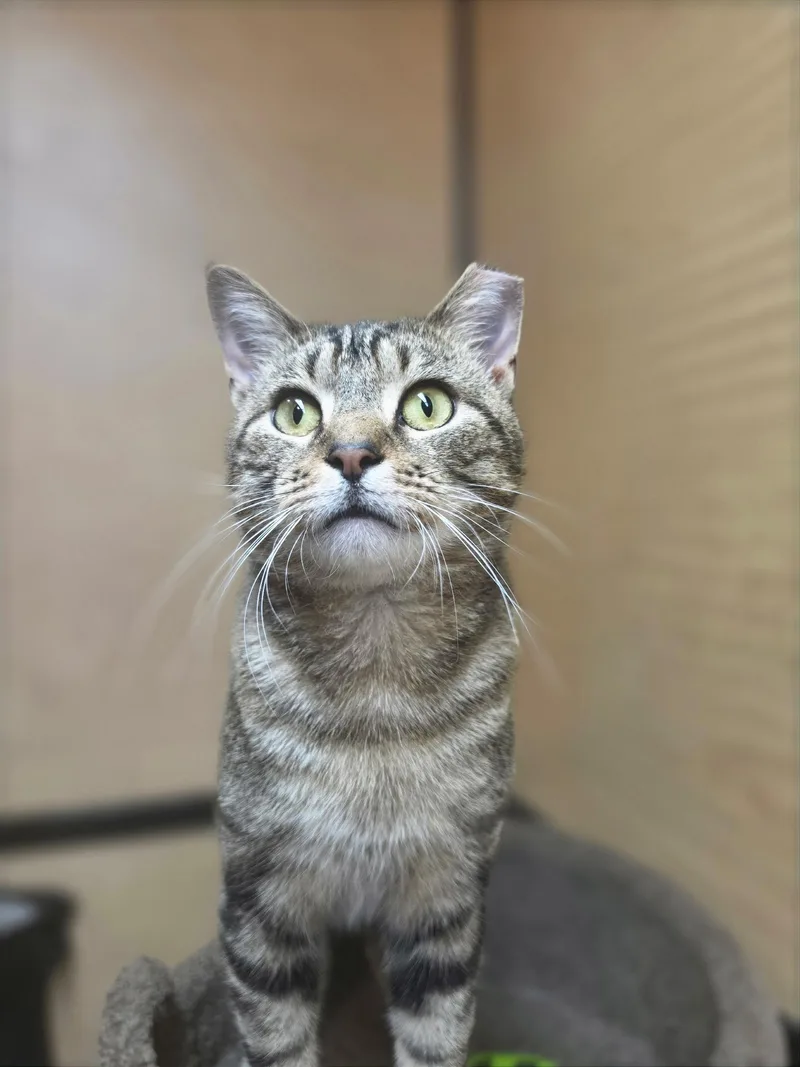
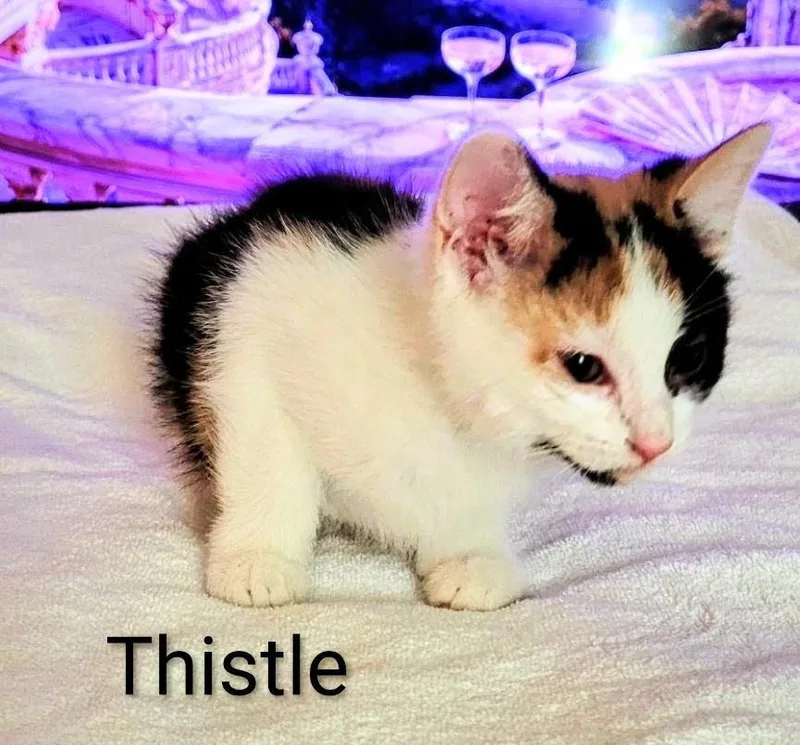
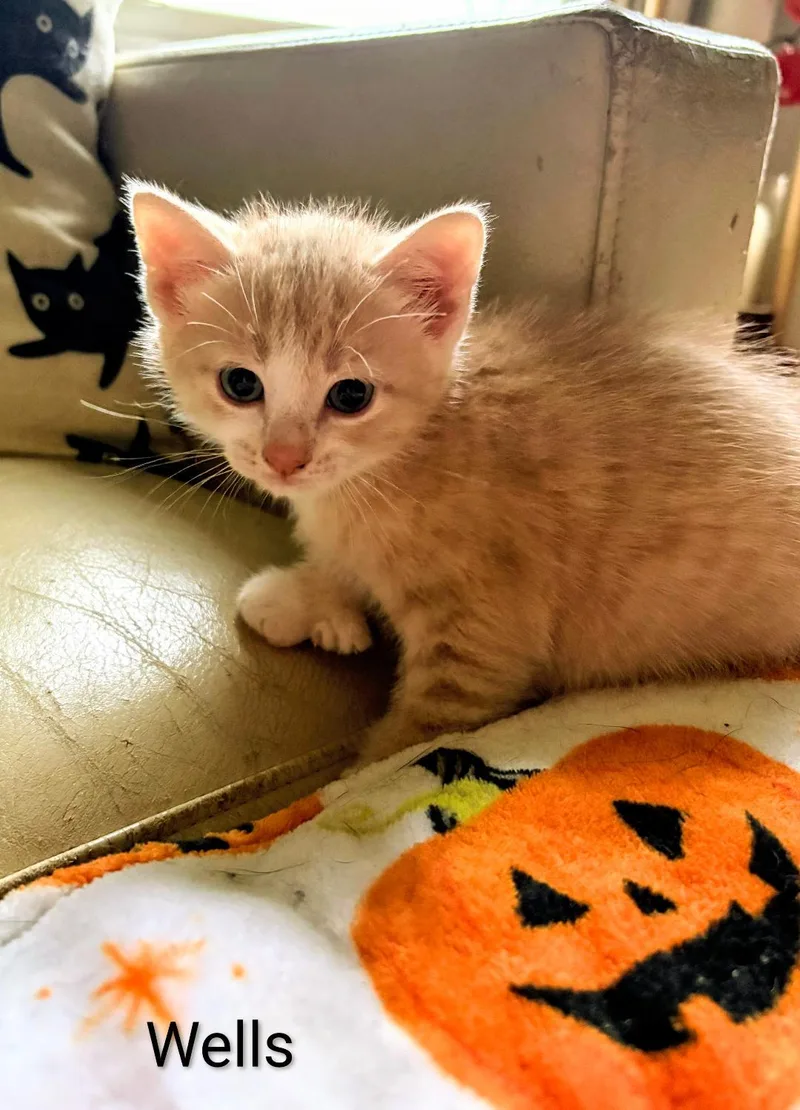
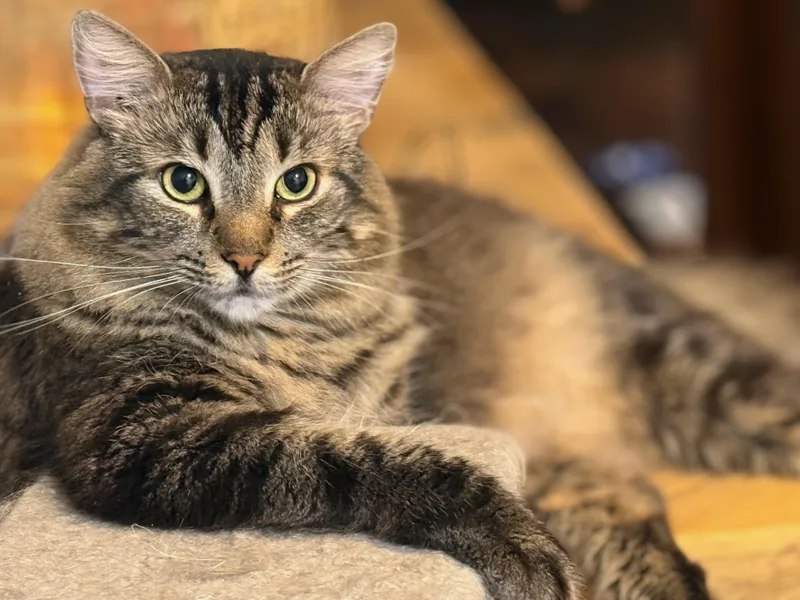
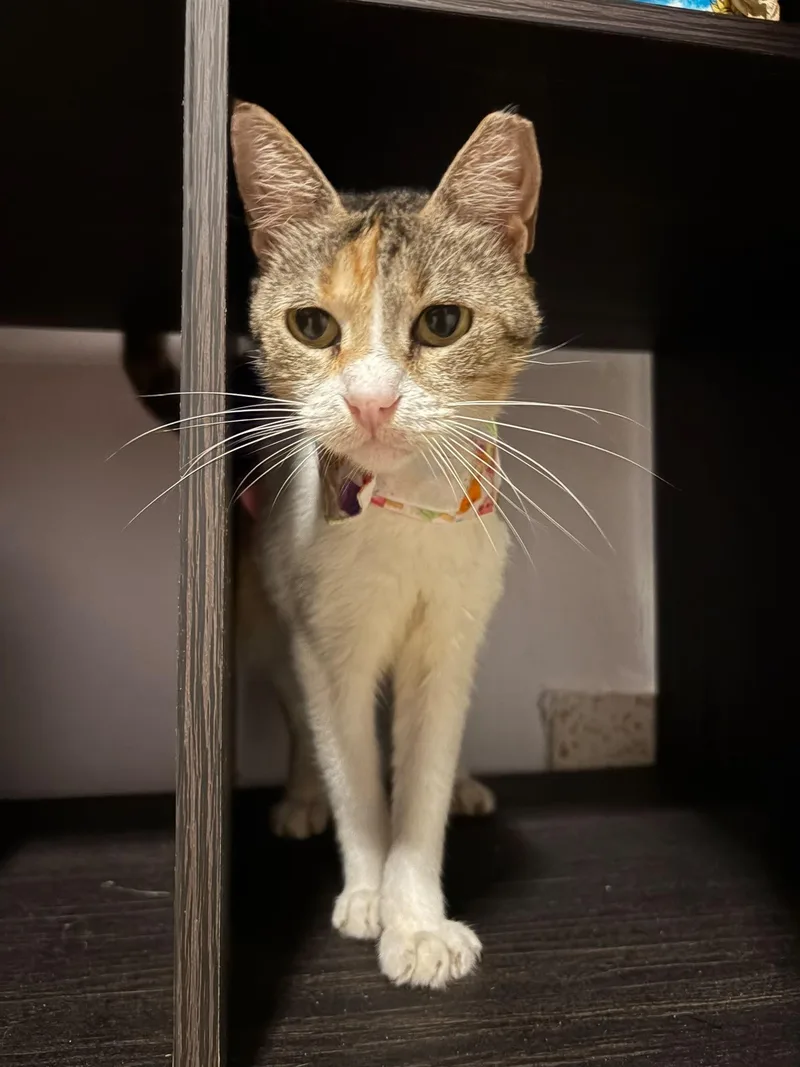
Extra-Toes Cat / Hemingway Polydactyls for Adoption in New York, NY

Your guide to finding and caring for an Extra-Toes Cat / Hemingway Polydactyl in NYC

Extra-toed cats suit NYC apartment life well, since they're simply domestic cats with bigger paws. Whether you're in a Ridgewood apartment or a Staten Island house, expect the usual cat needs: a window perch, daily play and a sturdy scratching post. The extra claws are the one quirk, and they need regular trims so they don't curl into the paw pads. Keeping a polydactyl indoors is also the safest setup in a city this busy.

194 Extra-Toes Cat / Hemingway Polydactyls available in New York and nationwide

Adopt a Polydactyl cat today

Extra-Toes Cat / Hemingway Polydactyls Available for Adoption Near New York

About the Extra-Toes Cat / Hemingway Polydactyl breed

An extra-toes cat isn't a breed. It's any cat born with polydactyly, a harmless genetic variation that adds toes to one or more paws. A typical cat has 18 toes, while polydactyls often have six or seven on a front paw, sometimes forming a mitten-like thumb. The trait is dominant, so one affected parent can pass it to roughly half a litter. It's especially common in New England and Atlantic Canada, where big-pawed ship cats were prized as mousers.

The "Hemingway" nickname comes from Ernest Hemingway, who was given a six-toed cat named Snow White. Most extra-toed cats are domestic shorthairs or longhairs, and their personalities vary as much as any cat's. Weight usually runs 6 to 15 pounds, and many live 12 to 18 years. The main care difference is nail trimming, since extra claws can curl into the paw pads.

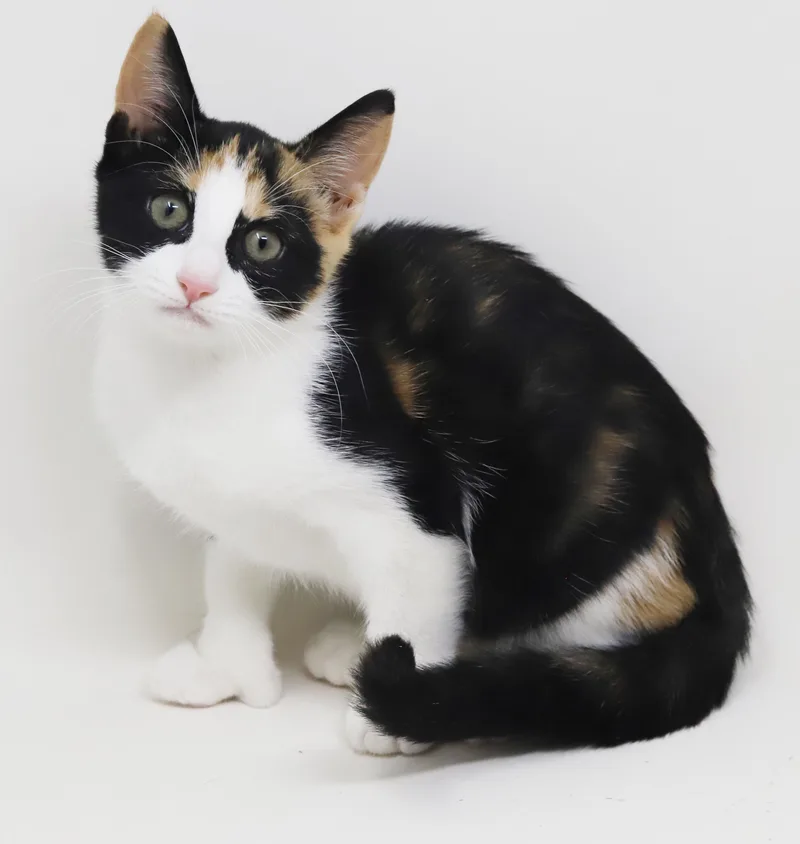
Weight
6–15 lbs
Height
8–10 in
Lifespan
12–18 yrs
Temperament
Adaptable, Curious, Affectionate
Shedding
Moderate

Owning an Extra-Toes Cat / Hemingway Polydactyl in New York

Having an Extra-Toes Cat / Hemingway Polydactyl in NYC

Extra toes give these cats charming, oversized paws, but they don't decide personality or health. What matters most for a New York home is each cat's age, coat and background, plus steady attention to claw care.

Temperament

Polydactyl cats range from bold, chatty companions to shy ones who warm up slowly, just like other domestic cats. Tales of extra friendliness are charming but unproven. In a busy NYC building, hallway and neighbor noise can bother a nervous cat, so a quiet hiding spot helps. Some use their wide paws to bat toys with surprising skill.

Exercise Needs

Plan on daily interactive play with wand toys, balls and puzzle feeders that mimic hunting. Many are agile climbers, so cat trees and wall shelves turn limited apartment square footage into a playground. Indoor cats need regular activity to prevent boredom and weight gain, and kittens and young adults usually want more than seniors do.

Health Considerations

The common form of polydactyly usually causes no health problems on its own. Extra claws may not wear down and can grow into the paw pads, so check and trim them regularly. A rare, unrelated limb condition is sometimes mistaken for polydactyly, so have a veterinarian examine a new cat's paws. Otherwise, expect typical feline concerns like dental and kidney disease.

Living Space

Extra-toed cats adapt to apartments or houses like any domestic cat. Give them vertical space, sturdy scratching posts that help keep extra claws in shape, hiding spots and clean litter boxes. In an upper-floor apartment, secure window screens prevent falls, and indoor living protects against traffic and disease.

What it costs to own an Extra-Toes Cat / Hemingway Polydactyl in New York

ExpenseTypical costPer year
Food$25 to $50 per month$300 to $600
Pet insurance$20 to $45 per month$240 to $540
Routine vet care$150 to $350 per year$150 to $350
Other*$450 to $1,150 per year$450 to $1,150
Estimated yearly total (after year one)$1,140 to $2,640

Other costs are estimates and vary with size, age and health.

* Litter, flea prevention, a dental cleaning allowance, toys and scratching posts, and home grooming and claw trims.

Adopt an Extra-Toes Cat / Hemingway Polydactyl in New York.

Now that you know more, let’s find you a new best friend. These rescues and shelters below have cats available in and near New York.

Rescues and Shelters in or near New York

The shelters and rescues below list adoptable cats around NYC, and extra-toed cats may appear among them as listings change. Here are the rescues & shelters in the NYC area with cats available for adoption, worth asking whether an Extra-Toes Cat / Hemingway Polydactyl is coming in.

Frequently Asked Questions

Yes, as long as your cat is enclosed in a bag or carrier. The MTA requires pets on the subway and buses to be in a container carried so it doesn't annoy other riders; service animals are exempt. Choose a sturdy carrier with room to turn around, line it with a towel, and keep it on your lap or at your feet.

Yes. New York City has no breed-specific ownership rules, and an extra-toes cat is simply a domestic cat with extra toes. There's no city license for cats, unlike dogs, but state law requires rabies vaccination. Extra toes don't change any legal requirement, so your main task is making sure your home and lease allow a cat.

Yes. Extra-toed cats adapt well to apartments of any size if they have vertical space, a scratching post and daily play. In NYC, secure window screens matter most, since cats can fall from upper floors. A quiet hiding spot also helps a sensitive cat cope with noisy hallways and neighbors.

Yes, most handle it well as indoor cats. Extra toes don't change cold tolerance, and a heated apartment with warm beds away from drafty windows is enough for most. Skip outdoor time in freezing weather, and wipe paws after any walk on salted sidewalks, since ice-melting chemicals can make pets sick.

Less than many people expect. Brush shorthairs weekly and longhairs several times a week, especially when shedding picks up in spring. The main task is checking and trimming claws every few weeks, since extra claws can curl into the paw pads. Most owners do this at home, so it fits within the Other line of the cost table.
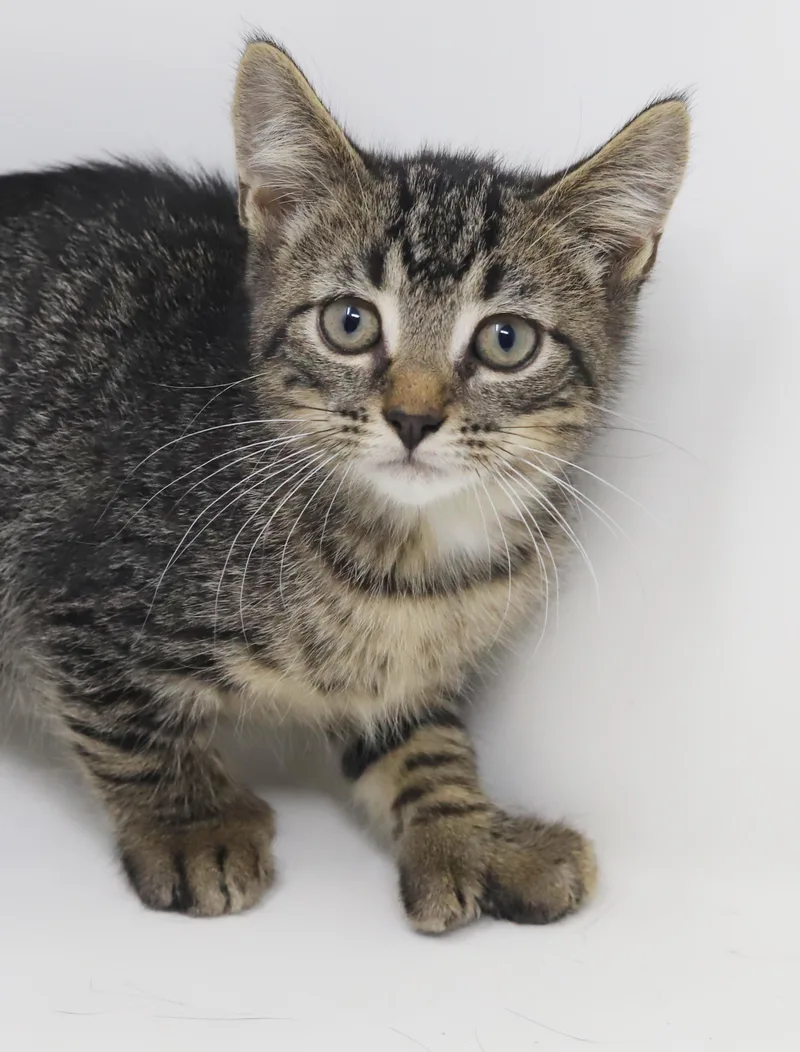
Often, for people who can offer daily play and a safe indoor home. Compact apartments suit cats well, but a cat's age, coat and personality matter more than its extra toes. A confident, social cat copes with noisy buildings more easily, while a shy one may prefer a quiet home. Watch the listings on this page for a match.

A cat normally has 18 toes: five on each front paw and four on each back paw. The fifth front toe is the dewclaw, set higher on the inside of the leg like a thumb, so it doesn't touch the ground when the cat walks. Polydactyl cats have more than 18, most often an extra one or two per front paw.

Cats don't have true thumbs. The dewclaw on each front paw sits in a similar position to a human thumb and helps a cat grip prey and climb, but it isn't opposable. Some polydactyl cats have extra toes on the inner side of the paw that look like a thumb, which is where the nickname thumb cat comes from.

A polydactyl cat is a cat born with more than the usual number of toes on one or more paws. It is a genetic trait, not a breed, and it can appear in any cat, though most are domestic shorthairs or longhairs. The common form is harmless and is passed down by a dominant gene.

Plan on roughly $1,140 to $2,640 a year for an extra-toed cat in NYC. That covers food at $25 to $50 a month, insurance at $20 to $45 a month, routine vet care at $150 to $350 a year, and other costs of $450 to $1,150 a year. Adoption fees depend on the cat and appear in the listings.