Calico Cats for Adoption in New York, NY

Your guide to finding and caring for a Calico in NYC

A calico can do well in a New York apartment, from a Brooklyn walk-up to a Queens high-rise. Because the coat pattern says little about temperament, calicos run from mellow lap sitters to busy climbers. Most are shorthaired and content in a small space, as long as there's a window perch over the street and a few play sessions a day. In a city this vertical, a tall cat tree makes better use of a one-bedroom than any amount of floor space.

1451 Calicos available in New York and nationwide

Bring home a Calico

Calicos Available for Adoption Near New York

About the Calico breed

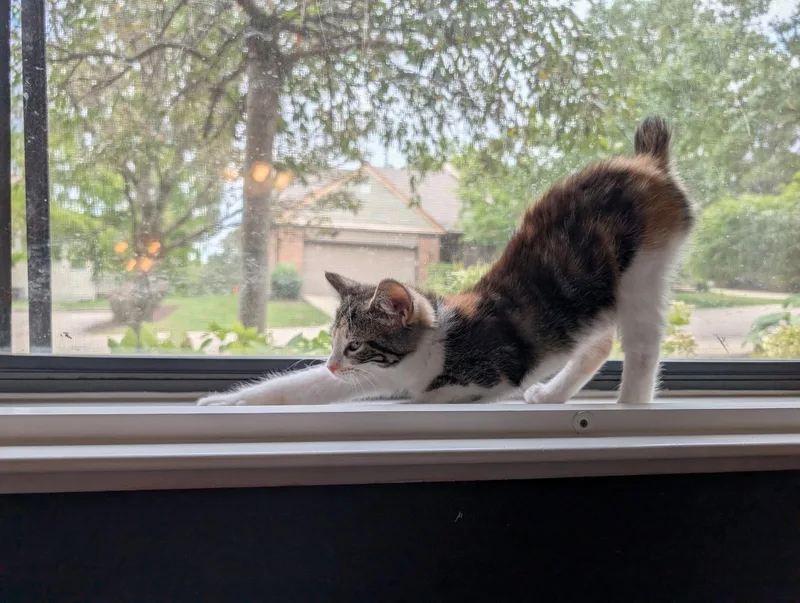
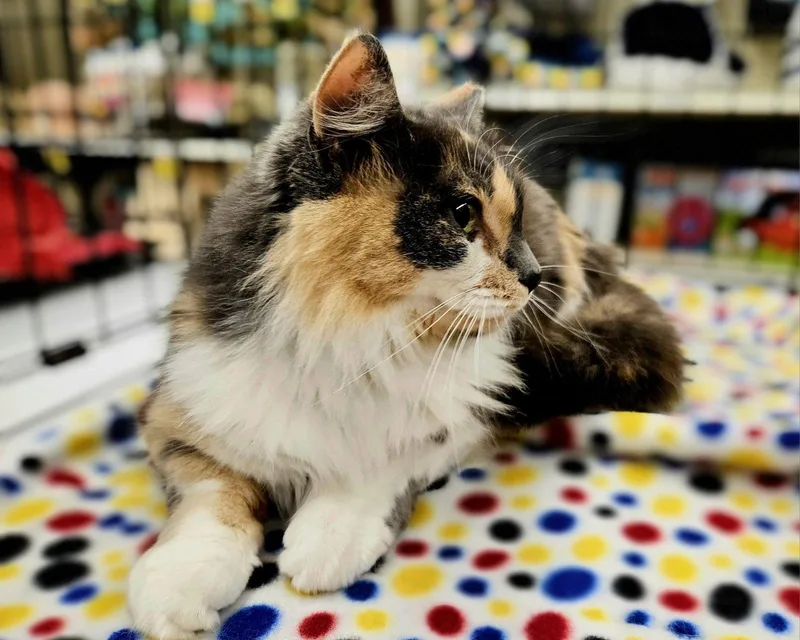
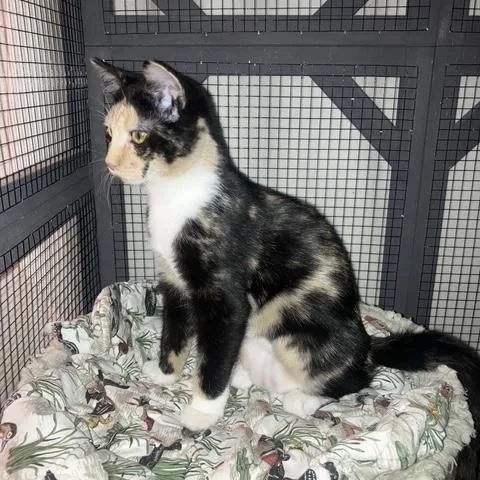
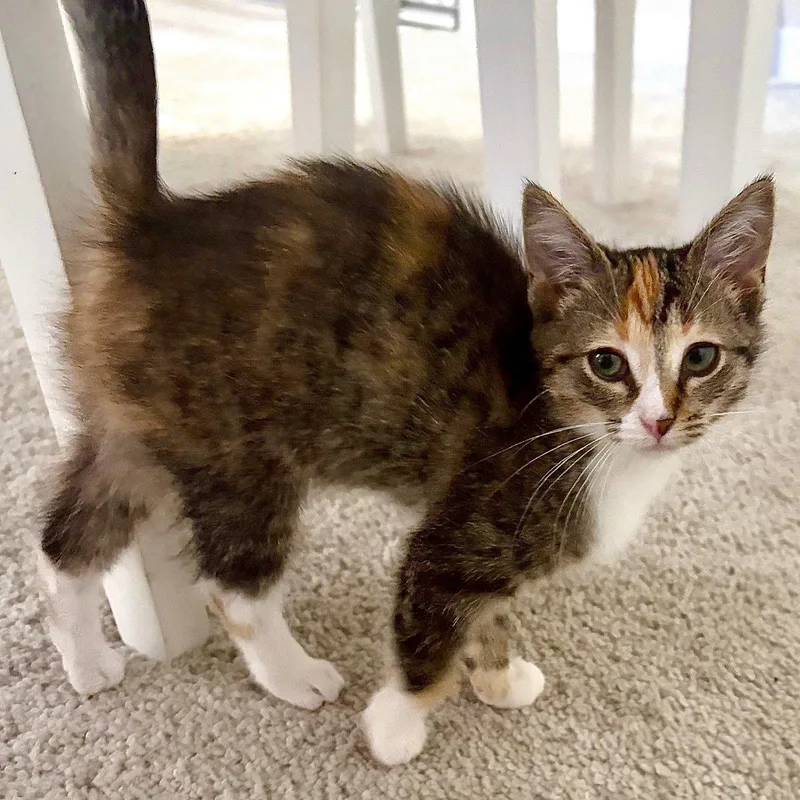
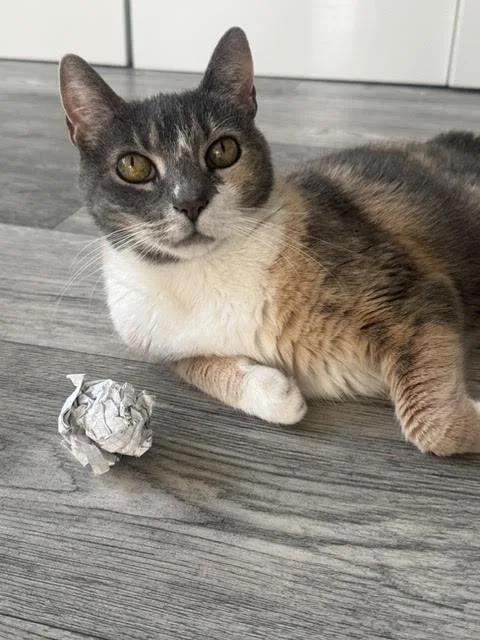
Calico describes a tricolor coat of white with patches of black and orange, or soft gray and cream in the dilute version. The pattern appears in domestic shorthairs and longhairs and in several pedigreed breeds. Nearly all calicos are female, because the orange and black colors are carried on the X chromosome. Most calicos in NYC are domestic shorthairs, typically 6 to 12 pounds, with a lifespan of 12 to 18 years.

The pattern says little about personality, so calicos can be shy, bold or chatty. The reputation for attitude is closer to folklore than science. In a city apartment, what matters is each cat's age, background and comfort with noise, such as sirens, hallway neighbors and elevator rides. Spend time with a cat before deciding, and plan on a commitment that can last well over a decade.

Weight
6–12 lbs
Height
8–10 in
Lifespan
12–18 yrs
Temperament
Adaptable, Affectionate, Independent
Shedding
Moderate

Owning a Calico in New York

Having a Calico in NYC

A calico's traits follow her ancestry, age and upbringing, not her coat. For New York adopters, the useful questions are how a cat handles noise, small spaces and visitors, and whether her coat length fits the time you have for brushing.

Temperament

Calicos range from shy and gentle to bold and talkative, since personality comes from genes and experience, not color. The tortitude reputation hasn't been reliably confirmed. In a busy building with thin walls and frequent footsteps, a calm cat that's relaxed around noise may settle faster than a skittish one, so time with her is the best guide.

Exercise Needs

Plan on two or three short play sessions a day with wand toys, balls or food puzzles. In a New York apartment, vertical space does a lot of the work: a tall cat tree or wall shelves let her climb and survey the street. Kittens need more play than seniors, and heavier mixes may prefer gentler games.

Health Considerations

Calicos need the same routine care as any domestic cat: vaccines, dental care, weight control and regular checkups. New York State requires cats to be vaccinated against rabies. Indoor apartment cats can gain weight, so measure meals and keep her moving. A veterinarian can check for dental and urinary problems, which rare male calicos may face more often.

Living Space

Calicos adapt well to the studios and one-bedrooms common in NYC when they have scratching posts, a window perch, hiding spots and regular play. A shy cat appreciates a quiet room to settle into first. Keep window screens snug, since cats can fall from high floors, and consider a harness for outdoor time.

What it costs to own a Calico in New York

ExpenseTypical costPer year
Adoption fee$150 to $400, one time$150 to $400 in year one
Food$25 to $50 per month$300 to $600
Pet insurance$20 to $45 per month$240 to $540
Routine vet care$150 to $350 per year$150 to $350
Other*$450 to $1,150 per year$450 to $1,150
Estimated yearly total (after year one)$1,140 to $2,640
First-year total (with adoption fee)$1,290 to $3,040

Adoption fee is the range of fees on Calico listings in New York on GetBuddy today. Other costs are estimates and vary with size, age and health.

* Litter, flea prevention, a dental cleaning allowance, toys and supplies, and home brushing.

Adopt a Calico in New York.

Now that you know more, let’s find you a new best friend. These rescues and shelters below currently have Calicos available.

Rescues in New York with Calicos Available

NYC's adoption network includes city shelter centers in Manhattan, Queens and Staten Island, plus rescue partners and weekend adoption events. Here are the rescues & shelters in the NYC area where you can find Calicos and other cats available for adoption.

Frequently Asked Questions

Yes, a Calico can live happily in an NYC apartment, including a studio, because most calicos are ordinary domestic cats that adapt to small spaces. Give her a window perch, a tall cat tree, scratching posts and daily play, and keep windows screened. Read your lease and building rules first, since landlords and co-ops may set their own pet policies.

Yes. New York City has no breed-specific ownership rules, and calico is a coat pattern rather than a breed anyway. NYC licenses only dogs, so there's no city cat license, but state law requires rabies vaccination. Renters should read their lease, and NYCHA residents are limited to one dog or one cat per household.

Yes, but only in a bag or other container. MTA rules require pets on the subway and buses to be enclosed and carried so they don't annoy other riders; only service animals are exempt. Choose a secure carrier she can't squeeze out of, and a cover can help if noise stresses her.

Yes, indoor calicos handle New York winters easily. Freezing nights and snow are common, but a heated home keeps her comfortable. Give her a warm bed away from drafts, and if she walks on a harness, wipe her paws afterward to remove ice-melting chemicals from salted sidewalks, which can make pets sick.

No. Only service dogs are allowed inside New York restaurants, and the outdoor dining exception covers companion dogs, not cats. Other animals aren't allowed in outdoor dining areas either. A Calico is safer and more comfortable at home, where a window perch or puzzle feeder keeps her busy while you're out.

Most calicos are shorthaired and need a brush about once a week, while longhaired mixes need brushing several times a week to prevent mats. Shedding rises in spring and fall. Home brushing is already counted in the yearly Other costs, so professional grooming is usually optional for a shorthaired calico.

Almost all calico cats are female, but not every single one. The genes for orange and black coat color sit on the X chromosome, so a cat normally needs two X chromosomes to show both colors at once. Roughly 1 in 3,000 calicos is male, usually because of an extra X chromosome, a genetic quirk rather than a separate type.

A calico cat is any cat with a three-color coat of white plus distinct patches of black and orange, or gray and cream in dilute calicos. Calico is a coat pattern rather than a breed, so it appears in domestic shorthairs, longhairs and many pedigreed breeds. Nearly all calicos are female because of how coat color genes are inherited.

We have 4 rescues with Calicos available, including Ready For Rescue, Paul the Cat Guy Inc and Bronx Tails Cat Rescue. You can see every rescue with Calicos available in the list above these questions, or scroll to the top to see the Calicos near New York.

Expect roughly $25 to $50 a month for food and $20 to $45 a month for pet insurance, plus $150 to $350 a year for routine vet care. Other yearly costs, including litter, flea prevention, dental care and supplies, run about $450 to $1,150. Local quotes will vary.