British Shorthair Cats for Adoption in New York, NY

Your guide to finding and caring for a British Shorthair in NYC

British Shorthairs suit small NYC apartments better than most big cats do. They're quiet and not big climbers, so a one-bedroom in Astoria or a walk-up in Washington Heights gives them plenty of room, as long as there's a sunny window to sit in. They're sturdy, too: males can reach 17 pounds, which you'll notice carrying a carrier up four flights. Expect a calm roommate that follows you from room to room rather than begging for your lap.

78 British Shorthairs available in New York and nationwide

Meet a British Shorthair who needs you

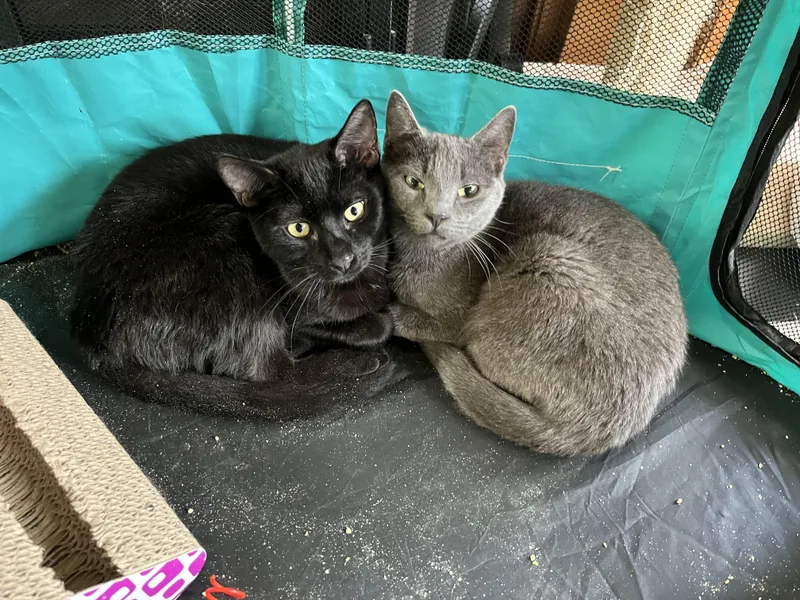
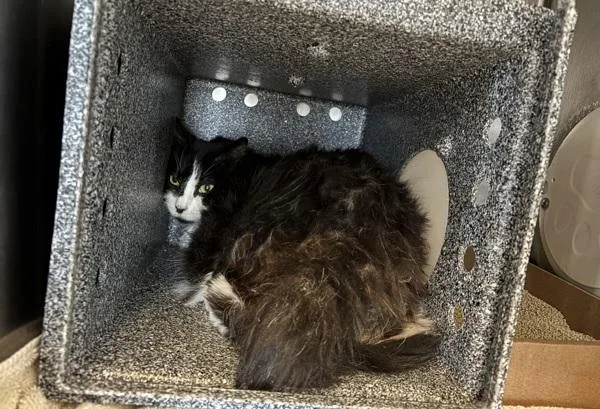
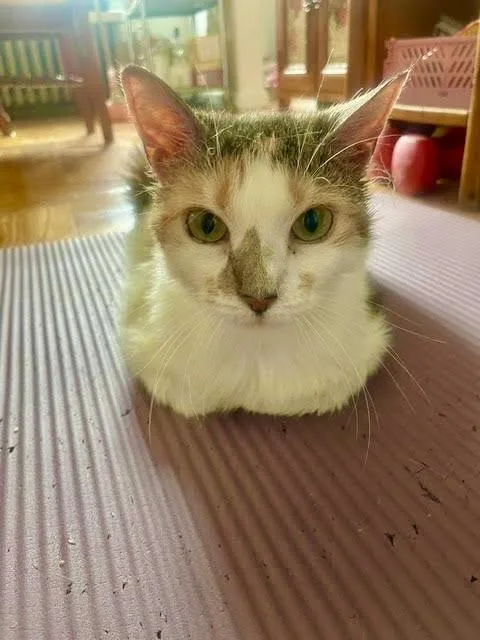
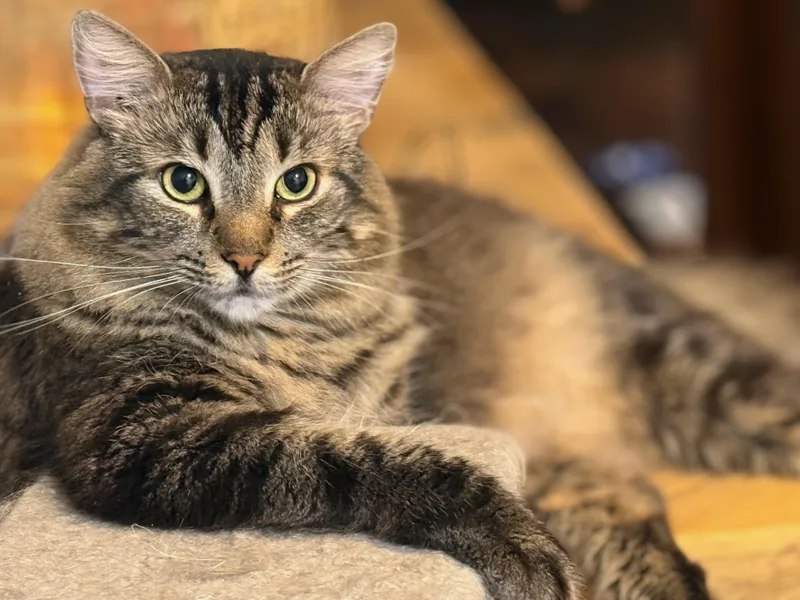
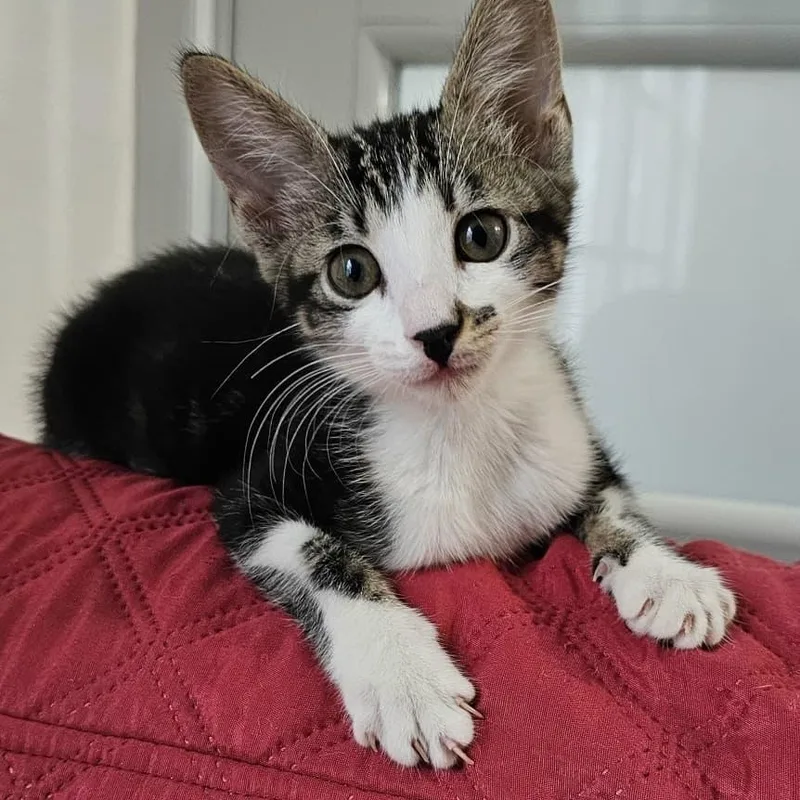
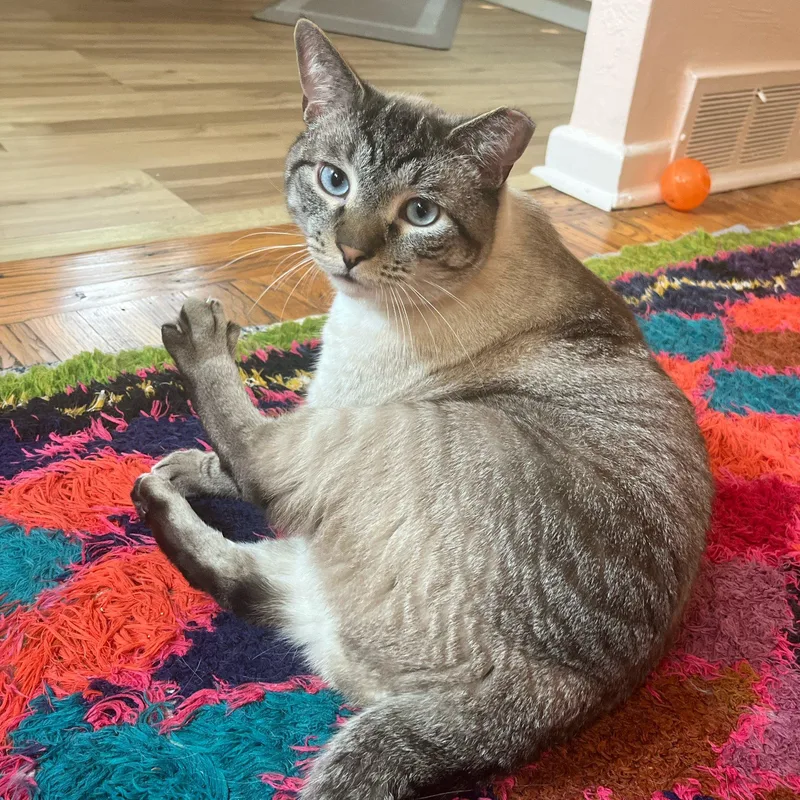
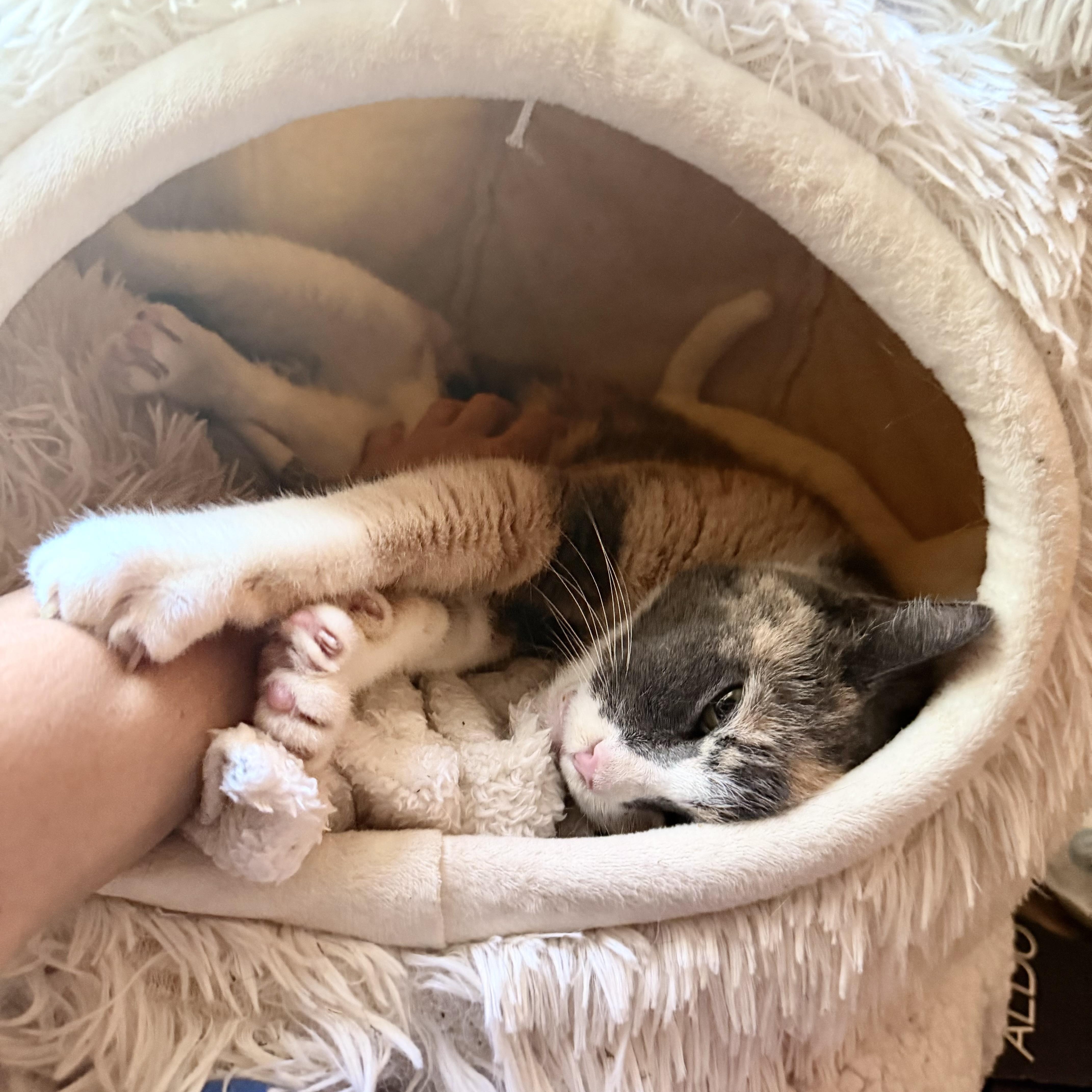
British Shorthairs Available for Adoption Near New York

About the British Shorthair breed

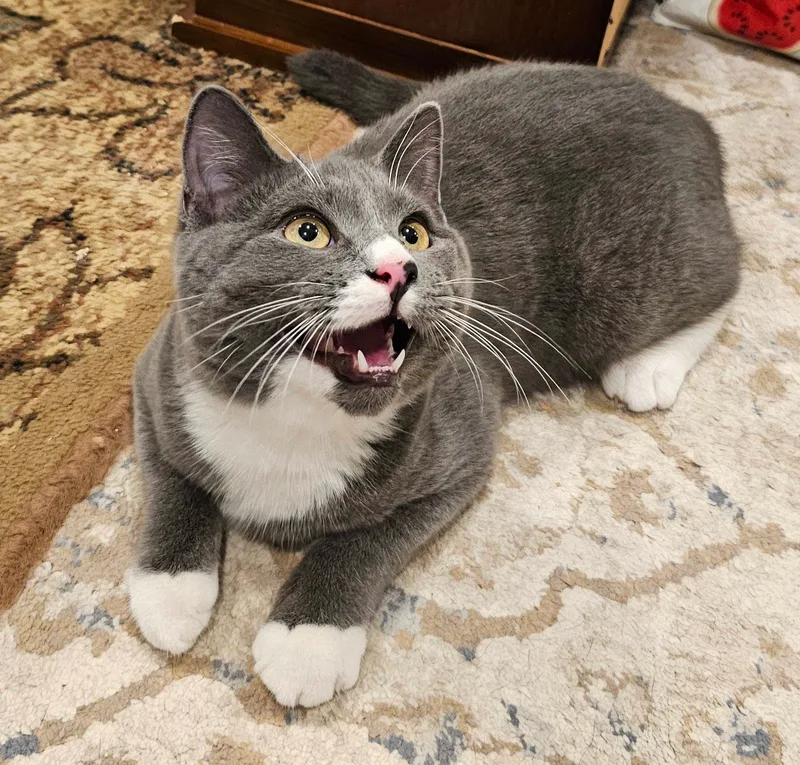
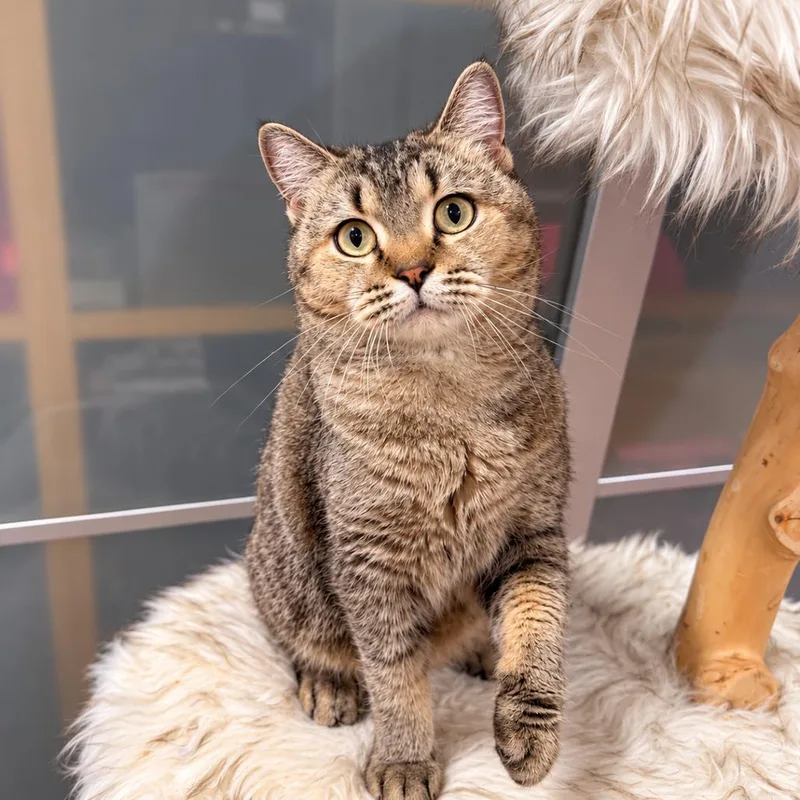
The British Shorthair grew from the working street and farm cats of Britain and appeared at the first organized cat show in London in 1871. The breed nearly vanished during the world wars and was rebuilt with help from Persian and other outcrosses. The plush blue cat with copper eyes is the classic image, though the coat comes in dozens of colors and patterns.

Many British Shorthairs are calm, quiet companions that stay near their people without demanding a lap. Most dislike being carried and prefer play that keeps four paws on the floor. They mature slowly, often not filling out until about age three, and they need measured portions to avoid weight gain. In a city apartment that low-key temperament is a real asset, though every cat's personality differs.

Weight
7–17 lbs
Height
12–14 in
Lifespan
12–17 yrs
Temperament
Calm, Easygoing, Affectionate
Shedding
Moderate

Owning a British Shorthair in New York

Having a British Shorthair in NYC

British Shorthairs are steady, unhurried cats with a sturdy, teddy-bear build, which tends to suit apartment life. Plan for a dense shedding coat, an appetite that needs managing, and heart and kidney conditions worth discussing with a veterinarian.

Temperament

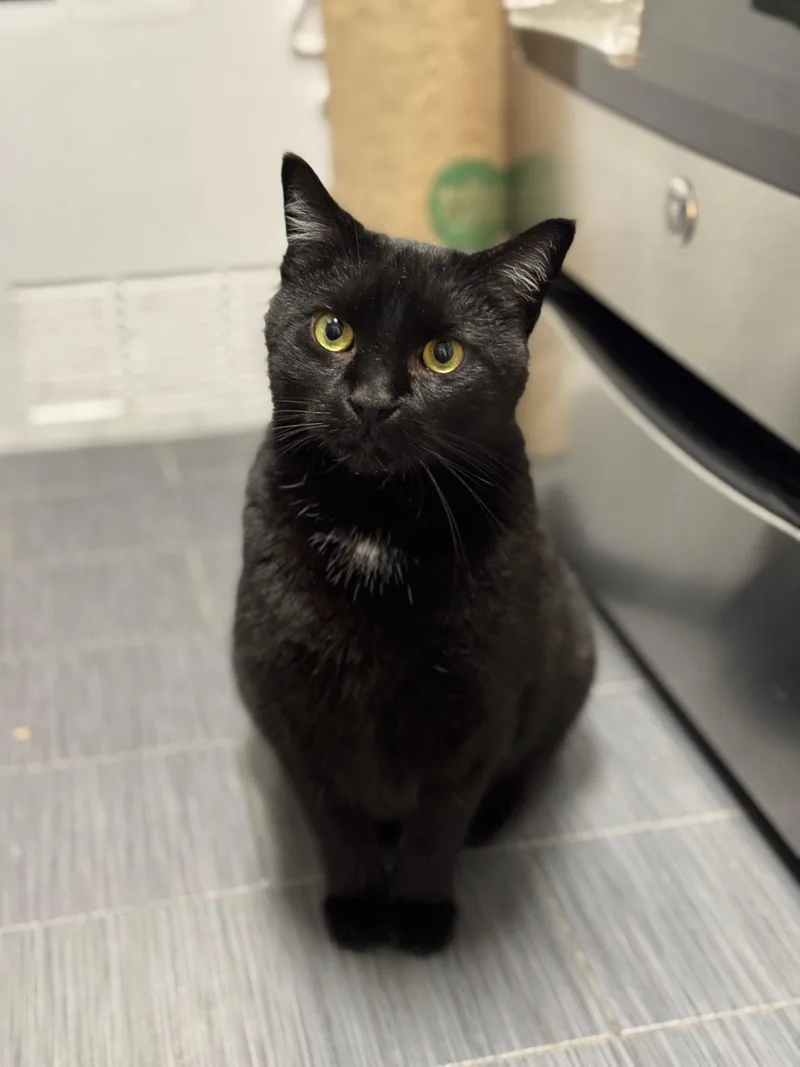
Expect an even-tempered, quiet cat that would rather supervise from the next cushion than sit in your lap. Many handle city noise, visitors and calm housemates well, though some are reserved with strangers at first. Most dislike being carried, which matters on carrier trips. A cat's past experiences shape its comfort level as much as breed does.
Exercise Needs

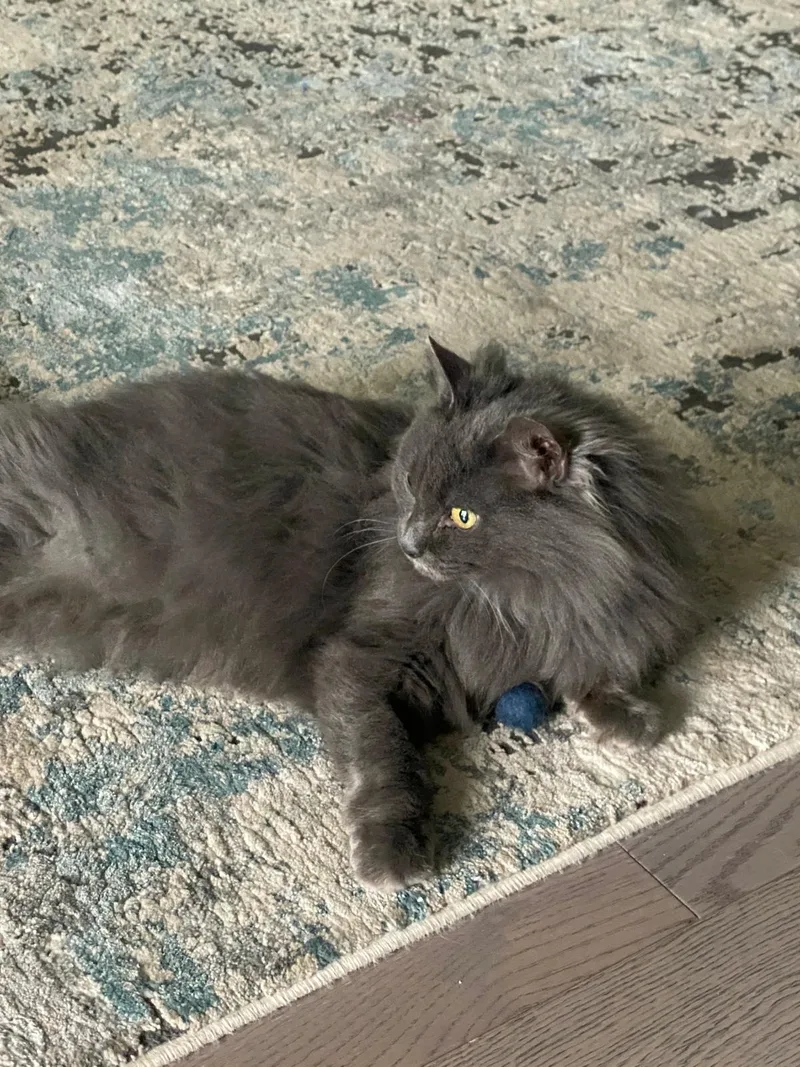
A few short play sessions a day usually do it. Wand toys, toy mice and puzzle feeders keep a British Shorthair moving without any need for tall climbing. In a small NYC apartment, a hallway or living room is plenty of space for chase games. Regular activity matters because adults gain weight easily.

Health Considerations

Hypertrophic cardiomyopathy, a thickening of the heart muscle, is documented in the breed and is more common in males, and some cats carry polycystic kidney disease. Obesity and dental disease are common but preventable. Ask a veterinarian about heart and kidney screening at the first checkup, and keep up regular visits.

Living Space

Apartments suit this breed well because it's quiet and not an acrobat. A sturdy scratching post, a low cat tree and a window perch cover most needs. With so many high-rise windows in NYC, keep screens secure, since even a placid cat can bolt or fall. Staying indoors is safest.

What it costs to own a British Shorthair in New York

ExpenseTypical costPer year
Adoption fee$600 to $800, one time$600 to $800 in year one
Food$30 to $60 per month$360 to $720
Pet insurance$30 to $65 per month$360 to $780
Routine vet care$150 to $350 per year$150 to $350
Other*$450 to $1,150 per year$450 to $1,150
Estimated yearly total (after year one)$1,320 to $3,000
First-year total (with adoption fee)$1,920 to $3,800

Adoption fee is the range of fees on British Shorthair listings in New York on GetBuddy today. Other costs are estimates and vary with size, age and health.

* Litter, flea prevention, a dental cleaning allowance, toys, scratchers and other supplies, and weekly home brushing for the dense short coat.

Adopt a British Shorthair in New York.

Now that you know more, let’s find you a new best friend. These rescues and shelters below currently have British Shorthairs available.

Rescues in New York with British Shorthairs Available

NYC's shelters and rescues care for cats of every age, breed and mix, including cats that look like British Shorthairs. Here are the rescues & shelters in the NYC area where you can find British Shorthairs and other cats available for adoption.

Frequently Asked Questions

Yes, as long as your cat is in a bag or other container carried so it doesn't annoy other riders. That's the MTA rule for the subway and buses. Choose a sturdy carrier sized for a heavy cat, since males can reach 17 pounds. The Long Island Rail Road requires a container that fits on your lap, so pick one that works for both.

Yes, British Shorthairs generally do well in NYC apartments because they're quiet, moderate in energy and rarely climb. Floor-level play, a low cat tree and a window perch are enough for many. Secure window screens, and plan for daily play in a small space so a cat that gains weight easily stays trim.

Often, yes. The breed's calm, undemanding style fits small homes and busy schedules, and many cats stay unbothered by city noise. Two things to plan for are that most dislike being carried, which matters for stairs and vet trips, and that a slow-maturing, heavy cat needs measured meals and daily play indoors.

Yes. No breed-specific ownership rules apply in NYC, and the city licenses dogs only, so cats need no city license. New York State law requires rabies vaccination. Cats adopted from NYC shelters are sterilized before they go home. Watch the listings on this page to see British Shorthairs and similar cats as they appear.

Mostly, because an indoor British Shorthair rarely feels the weather. The dense coat handles NYC winters, which bring about 67 freezing nights a year at Central Park. Summer is the harder season: around 17 days a year reach 90°F or higher, so keep air conditioning or fans running and water available.

A weekly brushing handles most British Shorthairs, with a few extra sessions during spring and fall shedding. The dense short coat rarely needs a professional groomer, so most owners brush at home. Brushing supplies fall within the yearly Other costs of $450–$1,150, and indoor heating can dry skin, so watch for flaking.

British Shorthairs commonly live about 12 to 17 years, and many healthy indoor cats reach their late teens. Swedish insurance data found most lived past ten, though a UK veterinary study reported a lower average because of early deaths. Keeping a British Shorthair lean, brushing its teeth and screening for heart and kidney disease all help support a longer life.

No, British Shorthairs are not hypoallergenic. Their dense coat sheds, and like all cats they produce the Fel d 1 allergen in saliva and skin, which spreads onto fur during grooming. People with mild allergies sometimes cope with frequent brushing, air purifiers and a cat-free bedroom, but spending time with the specific cat before adopting is the safest test.

We have 1 rescue with British Shorthairs available: Good World Animal Rescue and Protection, Inc.. You can see every rescue with British Shorthairs available in the list above these questions, or scroll to the top to see the British Shorthairs near New York.

Budget about $30–$60 a month for food, $30–$65 a month for insurance, $150–$350 a year for routine vet care, and $450–$1,150 a year for everything else, including litter, flea prevention and dental care. NYC doesn't license cats, so there's no city license fee. Get quotes from local clinics, since prices vary.