Balinese Cats for Adoption in New York, NY

Your guide to finding and caring for a Balinese in NYC

A Balinese suits a New York apartment better than most breeds, because it wants company and something to climb. In a Park Slope walk-up or an Astoria one-bedroom, a cat tree by the front window gives it a street view to comment on all day. They're chatty, though softer-voiced than Siamese. If you're out ten hours a day with no one home, think twice, since this is a cat that wants you around.

2368 cats similar to Balinese available in New York and nationwide

Fall for a Balinese

Balinese and Similar Breeds Available for Adoption Near New York

About the Balinese breed

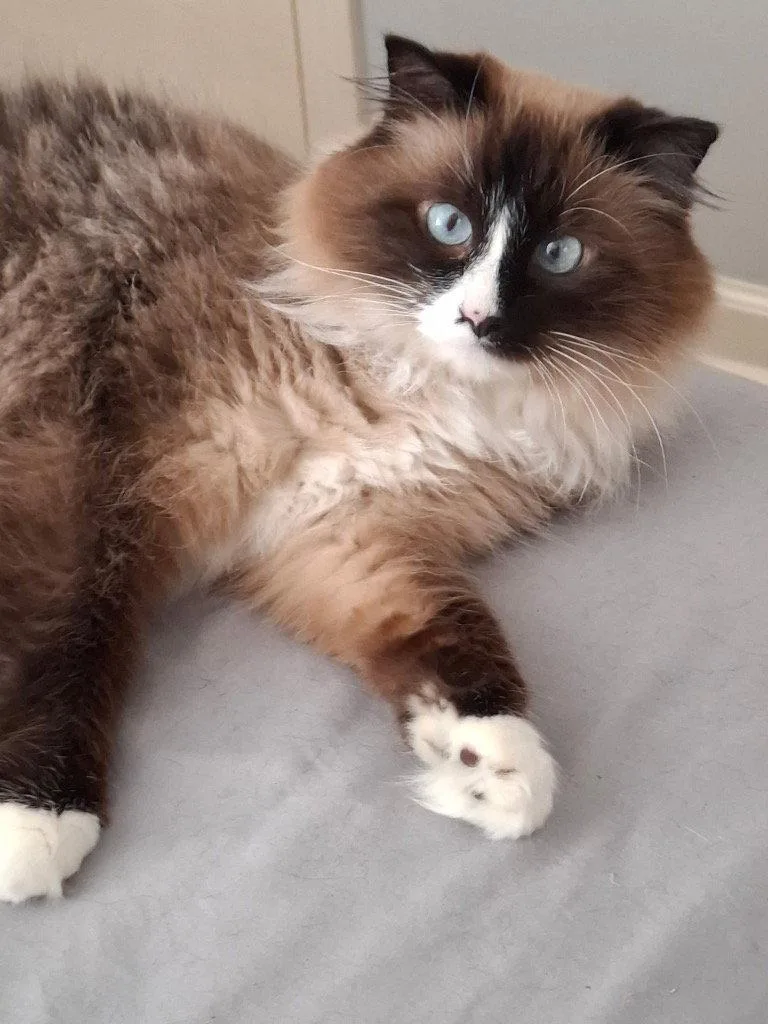
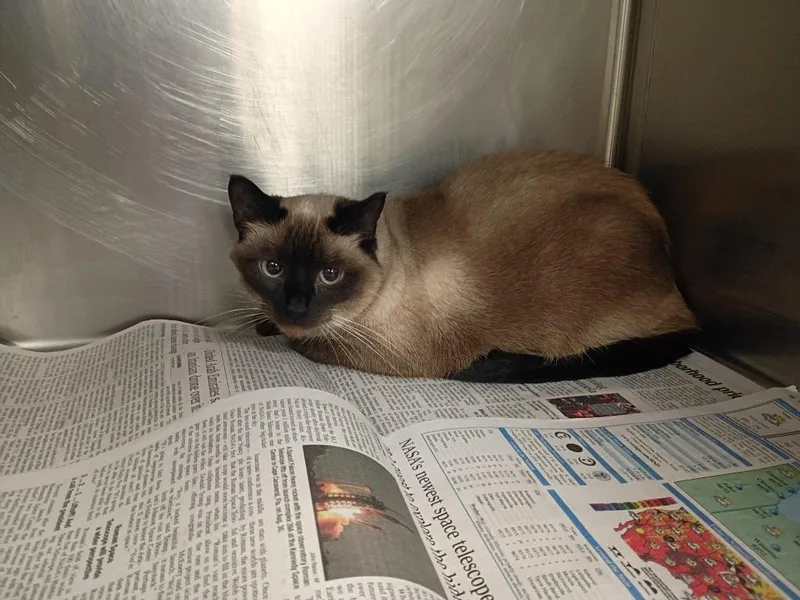
Despite the name, the Balinese has no link to Indonesia. It's essentially a longhaired Siamese, developed in the United States in the 1940s and 1950s and named for the graceful movement of Balinese dancers. It has the colorpoint pattern, vivid blue eyes and slender body of a Siamese, plus a silky single coat that ends in a plumed tail. Both a modern, wedge-headed type and a sturdier traditional type exist.

Many Balinese are bright, social and playful, and they want to be part of whatever their people are doing. They're usually quieter than Siamese but still chatty, and they often enjoy fetch, puzzle toys and high perches. With no dense undercoat, grooming is easy, but they typically need daily interaction and dislike long stretches alone. That matters in a city where workdays and commutes can run long.

Weight
5–10 lbs
Height
8–11 in
Lifespan
12–20 yrs
Temperament
Affectionate, Intelligent, Playful, Vocal
Shedding
Low to Moderate

Owning a Balinese in New York

Having a Balinese in NYC

The Balinese pairs Siamese-style brains with an easy, silky coat. Company, climbing space and regular veterinary attention for eye, liver and dental concerns shape daily life, whether you share a small apartment or a roomy home.

Temperament

Many Balinese bond closely, follow their people from room to room and comment on everything in a softer voice than most Siamese. They're curious and clownish, and they often get along with considerate kids and pets. Some get clingy or bored when alone, and adult cats' personalities vary, so spend time with a cat before deciding.

Exercise Needs

Several short play sessions a day usually suit a Balinese better than one long one. In an NYC apartment, wand toys, puzzle feeders, a tall cat tree and a window perch over the street cover most of it. Clicker training or a game of fetch down the hallway adds mental work, and older cats still enjoy gentle play.

Health Considerations

Siamese-line cats can be prone to progressive retinal atrophy, liver amyloidosis, dental disease and crossed eyes, which is usually harmless. Not every cat develops these problems. Book a full exam with a veterinarian soon after adopting, keep up dental care, and mention any vision change or weight loss promptly. New York requires rabies vaccination for cats too.

Living Space

Apartment size matters less than stimulation, which suits NYC well. A Balinese can do well in a small apartment with shelves, a cat tree and a sunny window, and it prefers having someone home much of the day or a compatible feline companion. Keep windows securely screened, since a curious climber can slip out.

What it costs to own a Balinese in New York

ExpenseTypical costPer year
Food$25 to $50 per month$300 to $600
Pet insurance$25 to $50 per month$300 to $600
Routine vet care$150 to $350 per year$150 to $350
Other*$450 to $1,150 per year$450 to $1,150
Estimated yearly total (after year one)$1,200 to $2,700

Other costs are estimates and vary with size, age and health.

* Litter, flea prevention, a yearly dental cleaning allowance, toys, scratchers and cat trees, and minimal grooming for a single coat.

Adopt a Balinese in New York.

Now that you know more, let’s find you a new best friend. These rescues and shelters below have cats available in and near New York.

Rescues and Shelters in or near New York

New York has a large shelter and rescue community, and the groups below list cats of many ages and types. Here are the rescues & shelters in the NYC area with cats available for adoption, worth asking whether a Balinese is coming in.

Frequently Asked Questions

Yes, you can adopt a Balinese in NYC, since no breed-specific ownership rules apply in the city. Cats don't need a city license, though New York requires rabies vaccination. Availability changes often, so watch the listings on this page, browse similar breeds and nearby cities, and save a search to hear when a new cat is listed.

Yes, a Balinese does well in a New York apartment, even a small one, as long as it has things to climb and someone around. Shelves, a tall cat tree and a window perch matter more than square footage. They're chatty, though quieter than Siamese, so expect some conversation at the door when you get home.

Yes, but only in a bag or other container carried so it doesn't annoy other riders, under MTA rules for the subway and buses. At about 5 to 10 pounds, a Balinese fits a soft-sided carrier easily. The LIRR wants a lap-sized container, and NYC Ferry requires other pets, including cats, to be in a fully enclosed carrier.

Yes, an indoor Balinese handles New York winters fine. Its fine single coat gives little insulation, so keep it inside and offer a bed in a warm, sunny spot. Central Park averages about 67 nights a year at or below freezing, so check that windows are draft-free and the cat can't reach the hottest radiator surfaces.

A Balinese fits NYC life if you're home a fair amount or can offer a second cat for company. It wants attention and conversation and dislikes long empty days, so remote work or a flexible schedule suits it best. It's comfortable in a small apartment, and getting it used to a carrier early makes vet trips across the boroughs easier.

Very little. A Balinese has a single silky coat with no dense undercoat, so brushing a few times a month keeps it tidy and mats are rare. Shedding is low to moderate, and professional grooming is rarely needed, so it adds little to yearly costs. Check the teeth, nails and ears regularly, since dental care matters more for this breed.

No, Balinese cats are not hypoallergenic. Claims that they produce less of the main cat allergen, Fel d 1, are widely repeated but not supported by solid research. Their single coat sheds less than many longhaired breeds, which some allergic people find easier. Reactions vary between people and cats, so spend time with the individual cat before adopting.

Balinese is usually pronounced BAH-lih-neez, with the stress on the first syllable, the same way people say the word for something from Bali. Some people say BAL-ih-neez instead, and both are understood. The name was chosen to evoke the grace of Balinese dancers, not because the cats come from Bali.

Balinese cats shed, but usually less than you might expect from a longhaired cat. Their fine, silky coat has no dense undercoat, so it sheds lightly year-round with modest seasonal increases. The coat rarely mats. Brushing or combing once or twice a week removes loose hair and helps reduce hairballs.

Expect roughly $1,200 to $2,700 a year for a Balinese in NYC. Food runs $25 to $50 a month and pet insurance $25 to $50 a month. Routine vet care is $150 to $350 a year, and other costs like litter, dental care and supplies add $450 to $1,150 a year. Plan toward the higher end in the first year, when a cat tree and supplies add up.