Tortoiseshell Cats for Adoption in Buffalo, NY

Your guide to finding and caring for a Tortoiseshell in Buffalo

Tortoiseshell cats suit Buffalo's two-flats and older single-family houses well, since indoor life works for most cats. Tortoiseshell is a coat pattern, not a breed, so these cats run from shy to bold. In North Buffalo, where 1920s homes line flat, walkable streets near Hertel Avenue, or in Riverside's two-family houses, a tortie can claim a window perch and supervise the block. Long winters make a daily round of wand-toy play worth building into the routine.

1040 Tortoiseshells available in Buffalo and nationwide

Your Tortoiseshell is waiting

While we don't have enough cats near Buffalo, keep in mind that many rescues may offer transport.

Tortoiseshells Available for Adoption Near Buffalo

About the Tortoiseshell breed

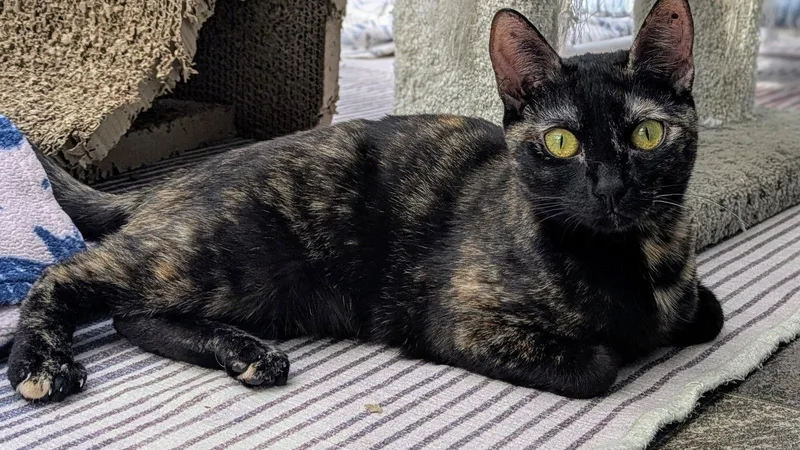
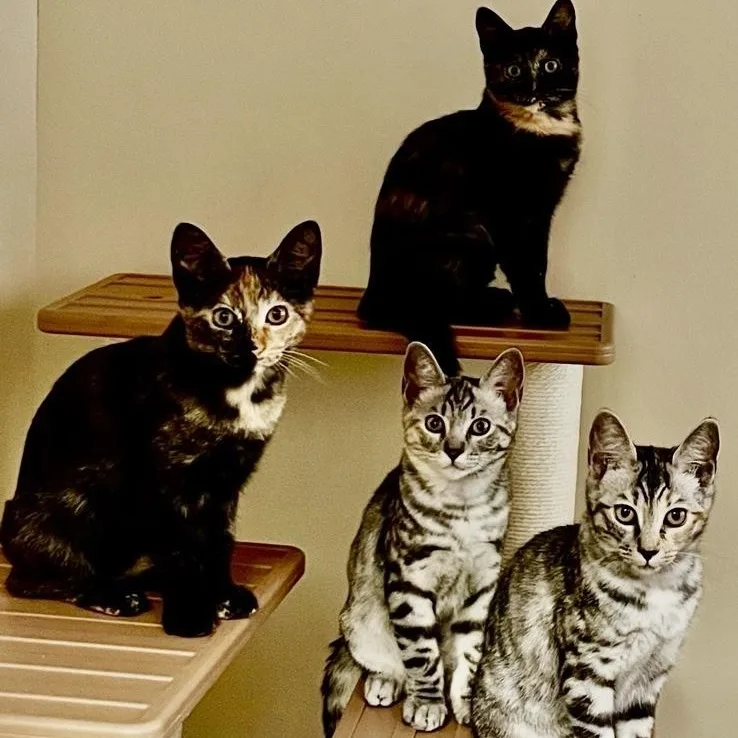
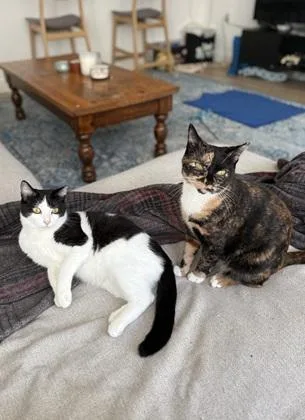
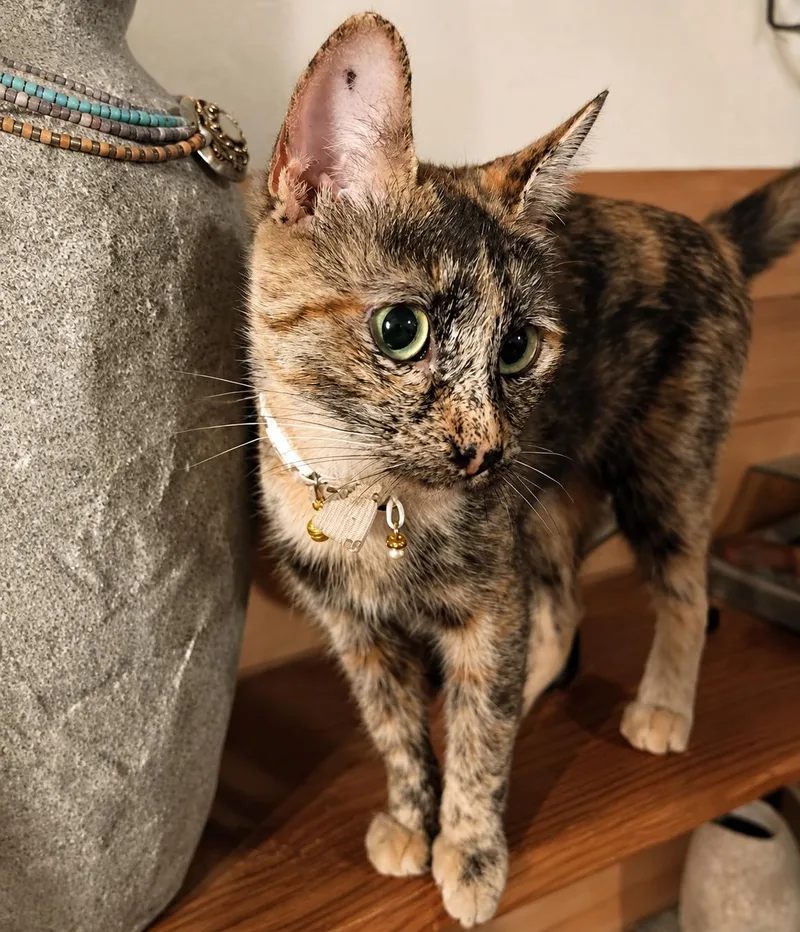
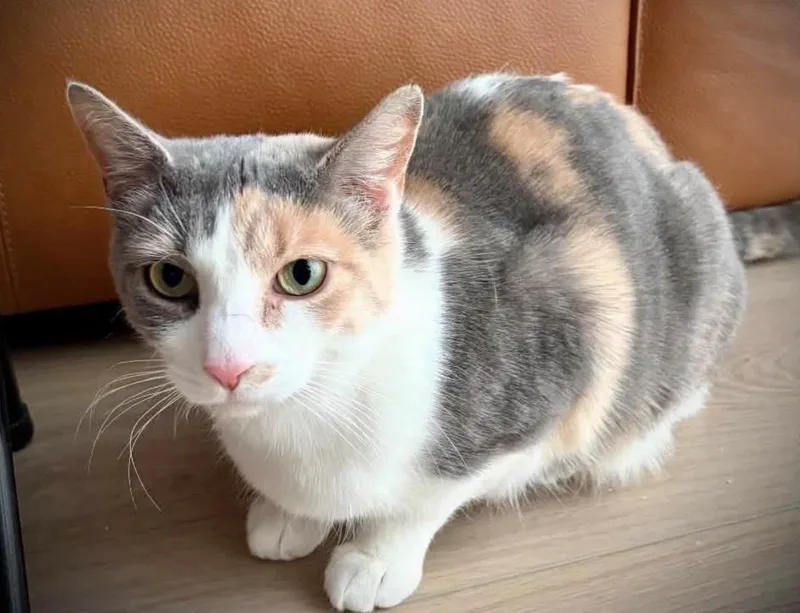
Tortoiseshell describes a coat, not a breed: black-based and orange-based colors mixed in patches or a fine blend, usually with little white. Add large white areas and the cat is called a calico. Dilute torties show soft gray and cream. Because the orange gene sits on the X chromosome, nearly all torties are female, and the rare males usually carry an extra X chromosome.

Most torties are domestic shorthairs, though the pattern also turns up in Persians, Maine Coons, British Shorthairs and many other breeds. The "tortitude" reputation for sass is mostly owner folklore, so a cat's age, history and socialization say far more than its color. Expect moderate shedding, which a weekly brushing handles, and a long commitment, since torties often live 12 to 18 years.

Weight
6–14 lbs
Height
8–10 in
Lifespan
12–18 yrs
Temperament
Independent, Affectionate, Playful
Shedding
Moderate

Owning a Tortoiseshell in Buffalo

Having a Tortoiseshell in Buffalo

A tortie's traits come from ancestry, age and upbringing far more than coat color. In Buffalo, the practical questions are how a cat handles long indoor winters, how much play it needs, and whether your building has room for perches and climbing.

Temperament

Torties have a reputation for being spirited and opinionated, but that rests mostly on owner impressions, and tortoiseshell cats range from shy to bold and from cuddly to aloof. For Buffalo's long indoor winters, a playful, people-oriented cat is handy, but each cat's own behavior matters more than its color.

Exercise Needs

Plan on daily interactive play, such as wand toys, chase games and puzzle feeders, in short sessions. Young cats usually need more, and seniors prefer gentler play. Snow keeps most Buffalo cats inside from December into March, so cat trees, window perches and rotating toys keep a tortie busy when the street is buried.

Health Considerations

The tortoiseshell pattern carries no particular health risks in females, while the rare males usually have an extra X chromosome and may face added issues. A tortie's health depends on ancestry, age and care, so yearly vet exams, dental care and a healthy weight matter most. Watch portions in winter, when cats tend to play less.

Living Space

A tortie can do well in a Buffalo apartment, a two-flat or a house, since space needs depend on the cat rather than the coat. Vertical space helps most: a cat tree, a window perch and a sturdy scratching post. Quieter cats may prefer calmer buildings, while confident ones often handle busy households.

What it costs to own a Tortoiseshell in Buffalo

ExpenseTypical costPer year
Food$25 to $50 per month$300 to $600
Pet insurance$20 to $45 per month$240 to $540
Routine vet care$150 to $350 per year$150 to $350
Other*$450 to $1,150 per year$450 to $1,150
Estimated yearly total (after year one)$1,140 to $2,640

Other costs are estimates and vary with size, age and health.

* Litter, flea prevention, a dental cleaning allowance, toys and supplies, and home grooming; costs vary with the cat's size and coat.

Adopt a Tortoiseshell in Buffalo.

Now that you know more, let’s find you a new best friend. These rescues and shelters below currently have Tortoiseshells available.

Rescues in Buffalo with Tortoiseshells Available

Buffalo's cats find homes through the city shelter, the SPCA Serving Erie County and local rescues. Here are the rescues & shelters in the Buffalo area where you can find Tortoiseshells and other cats available for adoption.

Frequently Asked Questions

Yes. New York bars breed-specific local rules, and cats aren't licensed, so the main requirements are a rabies vaccination by four months of age and a lease that allows cats. Tortoiseshell is a coat pattern, not a breed, so watch the listings on this page for torties and similar-colored cats.

Yes, a Tortoiseshell can live happily in a Buffalo apartment. The city's dog limits for larger buildings don't cover cats, though leases may set their own pet rules. A window perch, cat tree and daily play matter more than square footage, and upper-floor units need secure screens on every open window.

Yes, as indoor cats. Buffalo gets about 95 inches of snow and roughly 124 freezing nights a year, which is too harsh for outdoor living but fine inside a heated home. Expect more indoor play, keep supplies for multi-day storms, and never let a cat roam on snow, where it can lose its bearings.

No. NFTA Metro allows only service animals on its buses and on Metro Rail, with no carrier exception for pet cats. Plan vet visits and moving day by car, with a secure carrier on the back seat, or with a friend who can drive.

Usually little. Short coats need a weekly brush, and long-haired torties need brushing several times a week to prevent mats. Indoor heating through Buffalo's long winters can leave coats and skin dry, so brush more often then. Home grooming is covered in the yearly Other costs, and professional grooming is rarely needed.

No, plan to leave your cat at home. New York's rule letting restaurants admit pets covers dogs on outdoor patios only, at the owner's discretion, and cats aren't included. Buffalo's patio season runs roughly May through September anyway, and most cats are calmer and safer in their own home.

A tortoiseshell cat is a cat with a coat pattern of black-based and orange-based colors blended or patched together, usually with little or no white. It is not a breed; the pattern appears in many breeds and most often in domestic shorthairs. Nearly all tortoiseshells are female because the genes for orange and black are carried on the X chromosome.

Almost all tortoiseshell cats are female, but not all. A female has two X chromosomes and can carry both orange and black color genes, producing the mixed coat. Males normally have only one X. Rare male torties usually have an extra X chromosome or are genetic chimeras, and they are estimated at roughly 1 in 3,000 tortoiseshells.

We have 1 rescue with Tortoiseshells available: West Side Cat Sanctuary. You can see every rescue with Tortoiseshells available in the list above these questions, or scroll to the top to see the Tortoiseshells near Buffalo.

Most torties cost roughly $1,140 to $2,640 a year in Buffalo, covering food ($300 to $600), insurance ($240 to $540), routine vet care ($150 to $350) and other costs such as litter, prevention and dental care ($450 to $1,150). Emergencies and illness cost extra.

Find Tortoiseshells in Nearby Cities

Expand your search to find Tortoiseshells available for adoption near Buffalo.