Tabby Cats for Adoption in Albany, NY

Your guide to finding and caring for a Tabby in Albany

A tabby fits Albany's rowhouses and upstairs apartments easily, as long as there's a sunny window. Tabby is a coat pattern, so these cats run from lap-sitters to loners, and many are easygoing domestic shorthairs. In Arbor Hill's Ten Broeck Triangle or an older Pine Hills duplex, a perch over the street can keep a cat busy for hours. Snowy stretches keep most Albany cats indoors anyway, which is safest, so plan on daily play at home.

7615 Tabbies available in Albany and nationwide

Find your Tabby

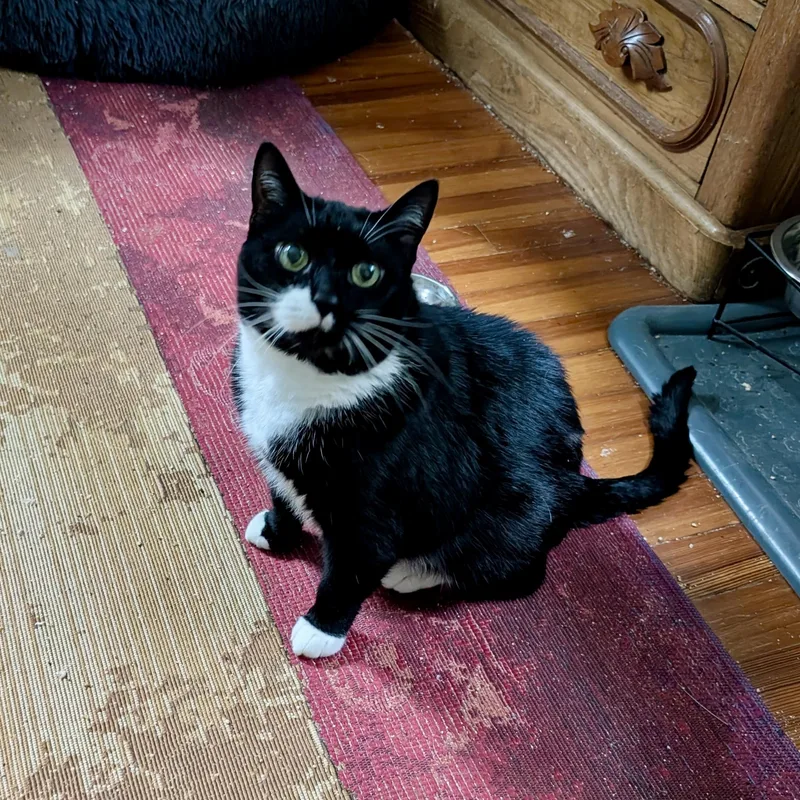
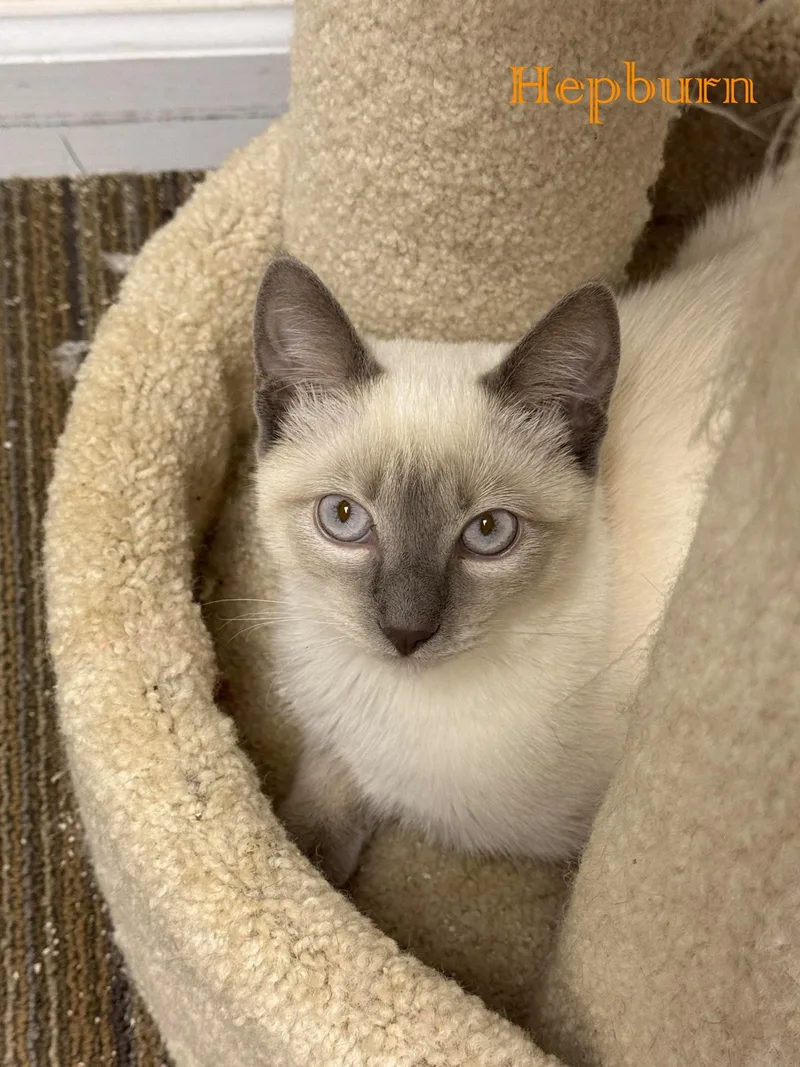
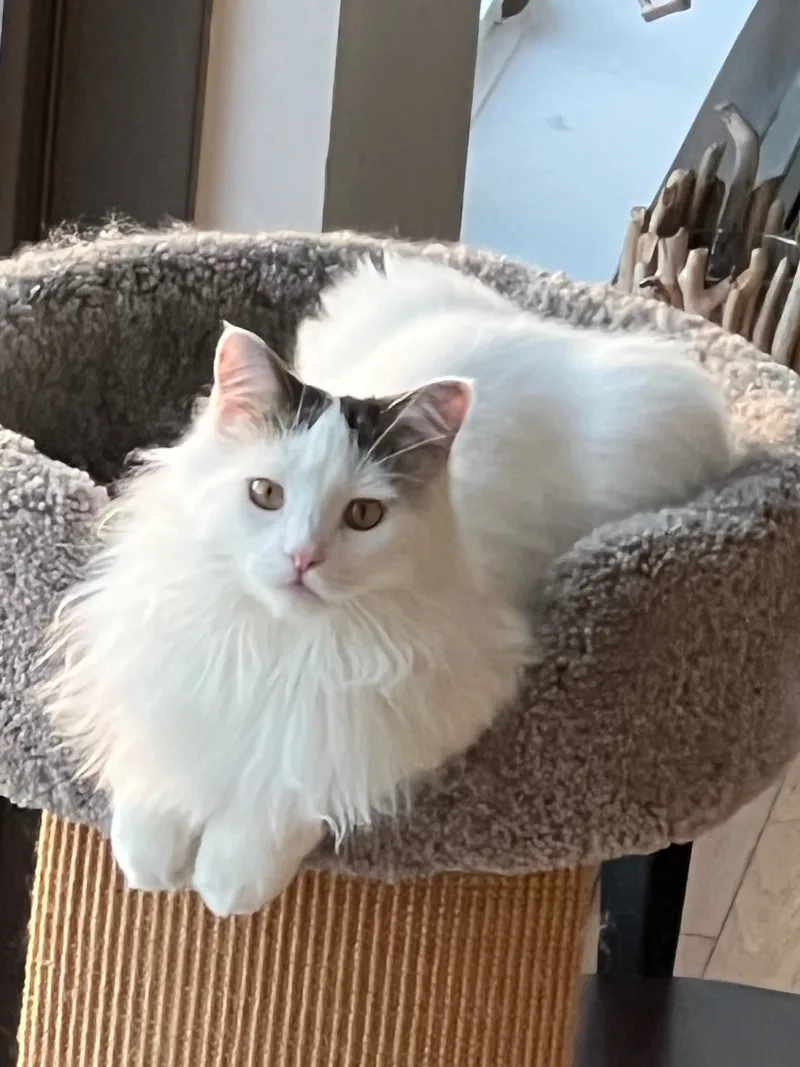
Tabbies Available for Adoption Near Albany

About the Tabby breed

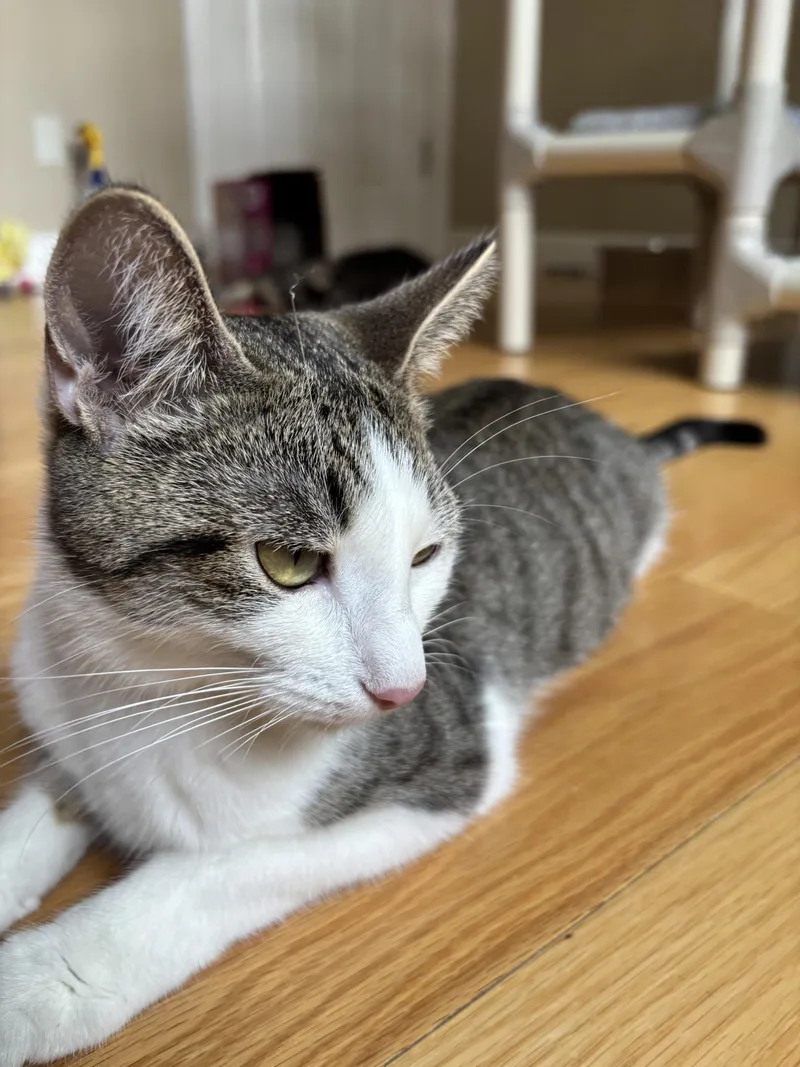
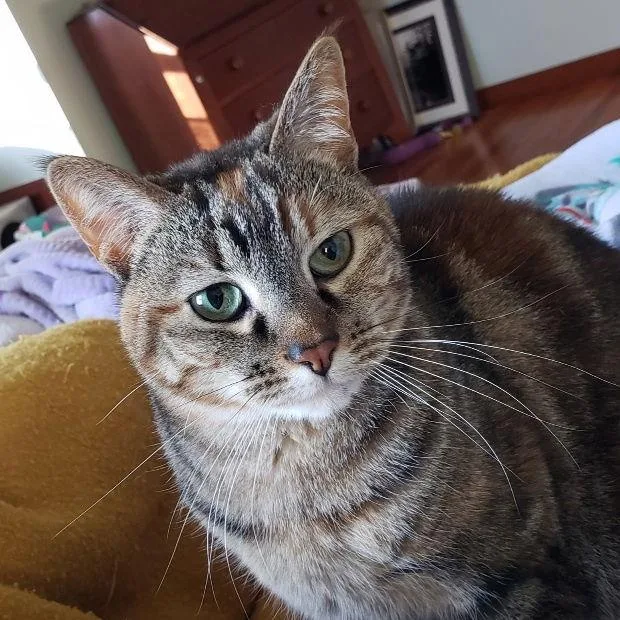
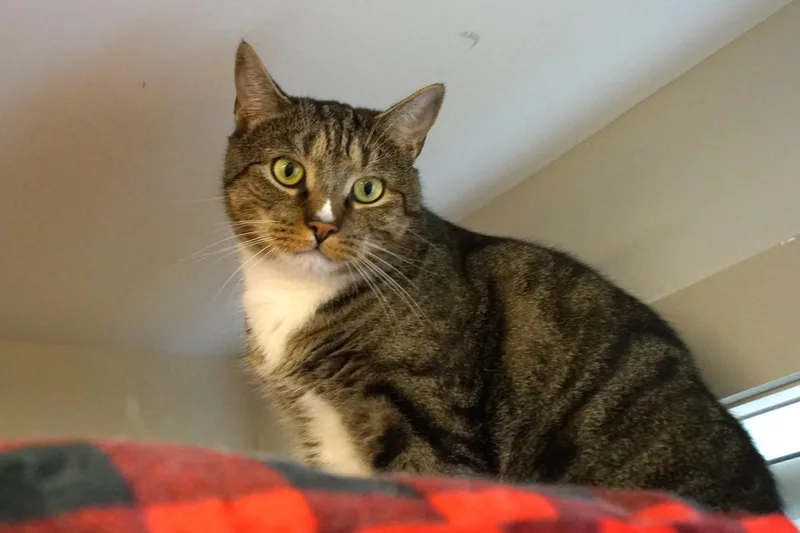
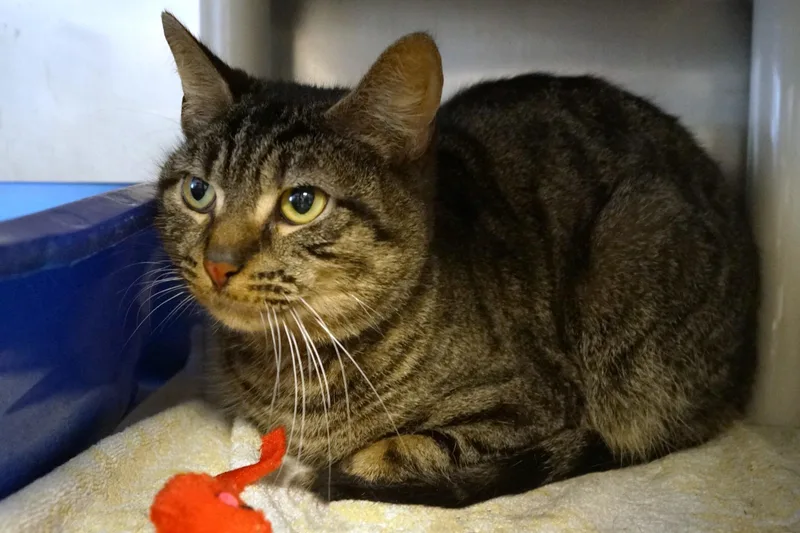
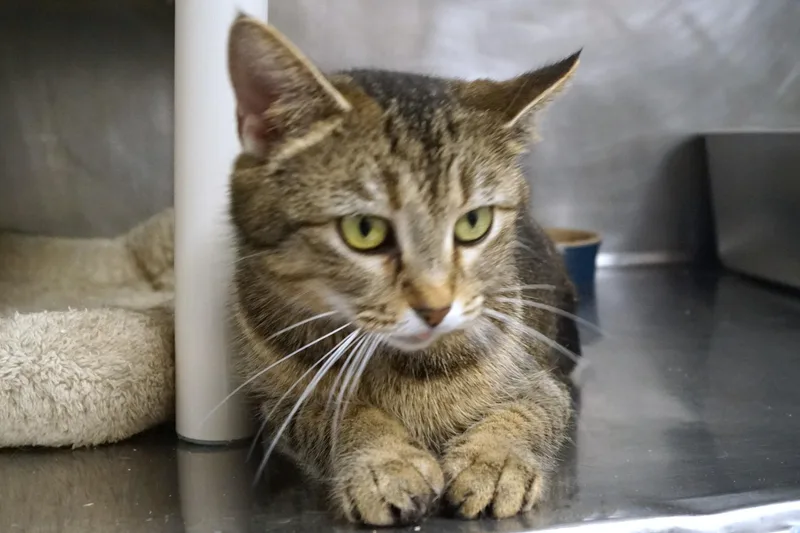
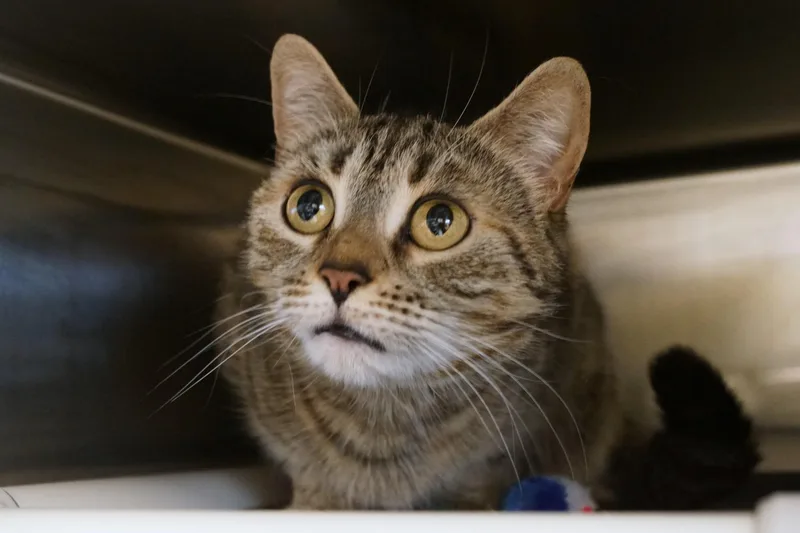
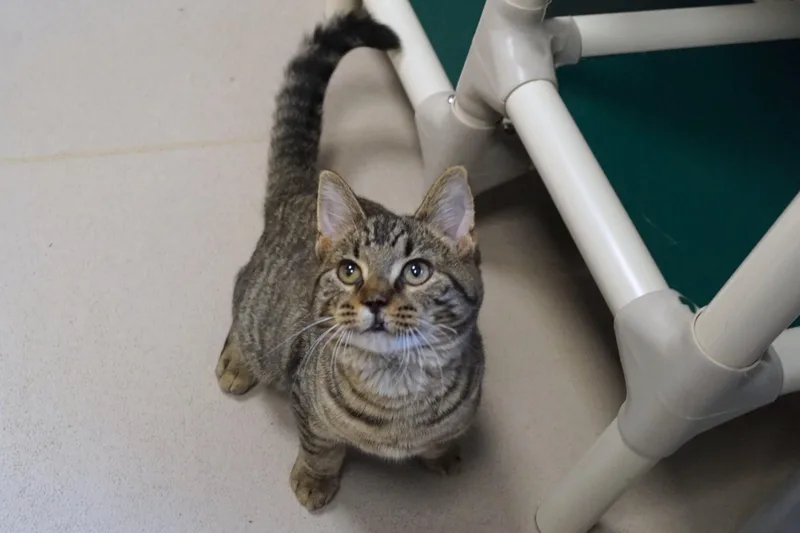
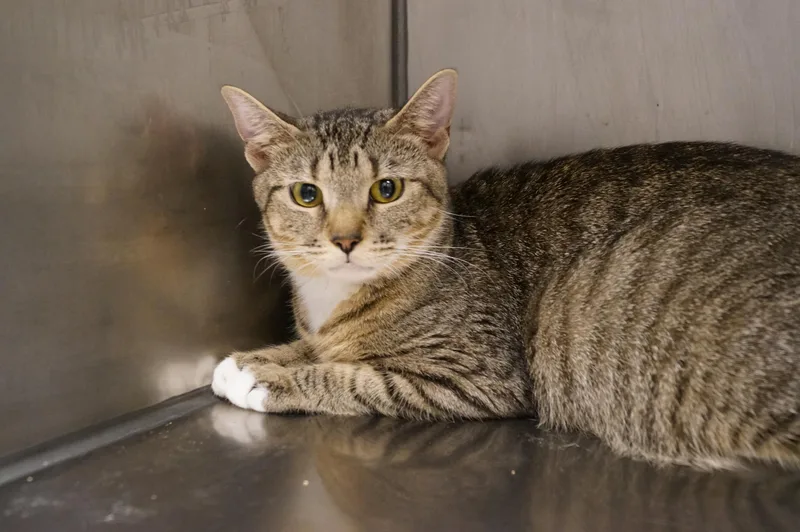
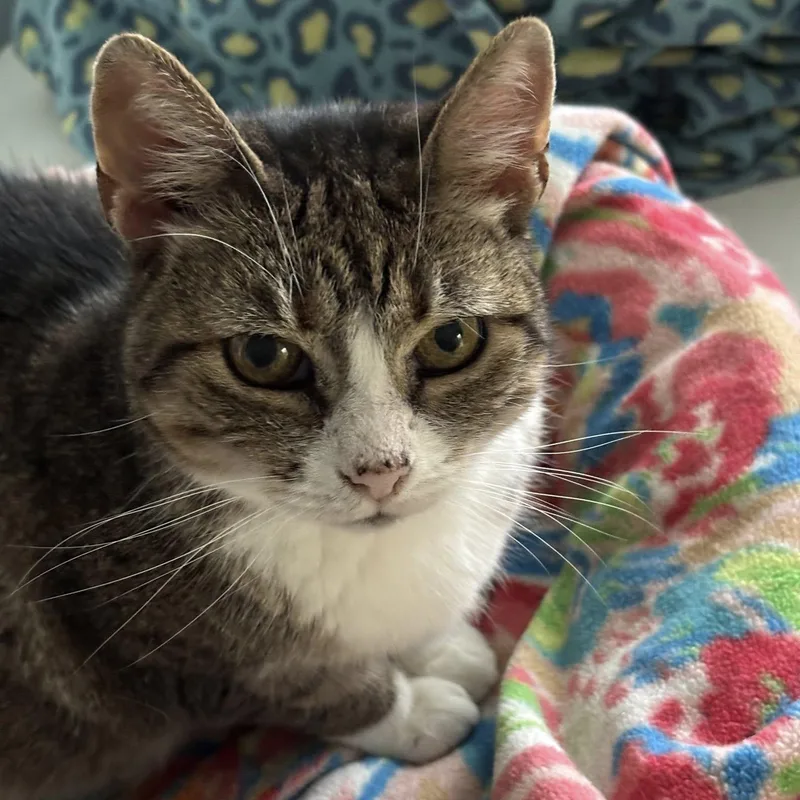
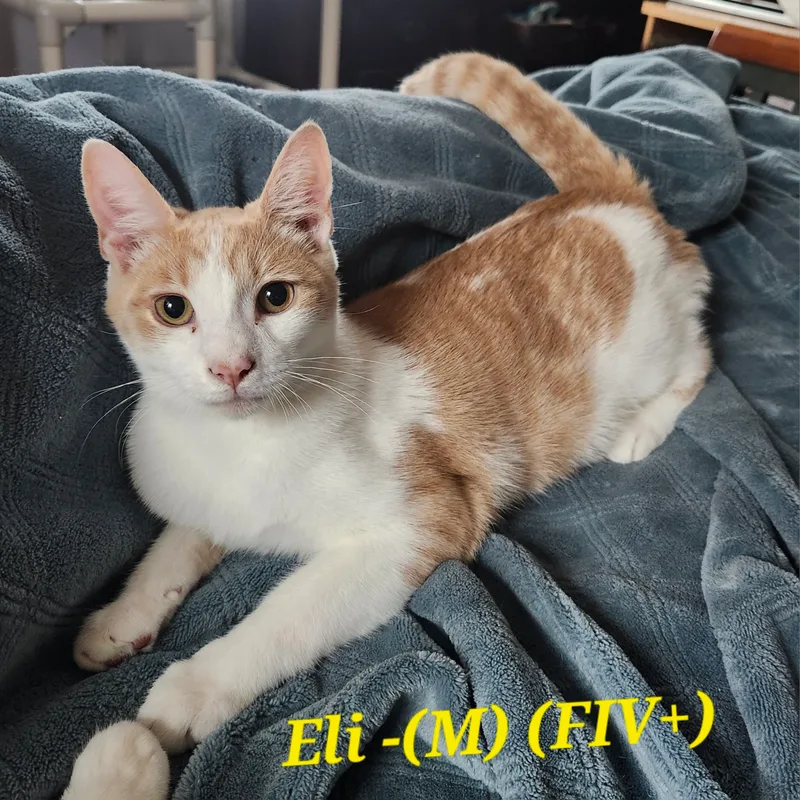
Tabby is a coat pattern, not a breed. The M-shaped mark on the forehead, plus stripes, swirls or spots, is what makes a cat a tabby, and the pattern appears on domestic shorthairs, Maine Coons, American Shorthairs and many other cats. Most adoptable tabbies are medium-sized domestic shorthairs, usually 6 to 14 pounds, with moderate shedding that peaks with the seasons.

In Albany, that mix of backgrounds means personality matters more than stripes. A tabby may be a social cat that greets everyone at the door of a Center Square rowhouse, or a shy one that needs a quiet room in a Melrose family home. Plan on indoor living, daily play, a sturdy scratching post and yearly vet visits, and spend time with a cat before deciding.

Weight
6–14 lbs
Height
8–10 in
Lifespan
12–18 yrs
Temperament
Curious, Adaptable, Affectionate
Shedding
Moderate

Owning a Tabby in Albany

Having a Tabby in Albany

A tabby's traits depend on the cat's breed mix, age and history, not its stripes. In Albany, your daily routine, your indoor space and a warm spot for the long winter will tell you more about fit than the coat pattern does.

Temperament

Tabbies show the full range of feline personalities, from curious and affectionate to shy or independent. Stripes don't predict behavior. In a busy Albany apartment, spend time with a cat to see how it handles hallway noise and street traffic, and whether it seeks company or prefers quiet corners.

Exercise Needs

Most tabbies need daily play that mimics hunting, such as wand toys, chasing and pouncing. Cat trees, window perches and scratching posts keep indoor cats moving. Albany's snowy months push nearly all exercise indoors, so several short play sessions a day, especially for kittens and young adults, matter.

Health Considerations

Coat pattern doesn't affect health; risks follow the cat's mix, age and lifestyle. Obesity, dental disease and urinary trouble are common, with kidney disease and thyroid problems in seniors. New York requires rabies vaccination, and a vet can advise on flea and tick prevention, especially for cats that ever go outside.

Living Space

Tabbies adapt to apartments and houses alike when they have places to climb, scratch, hide and watch the outdoors. Albany's older rowhouses and multi-unit houses suit them well. Add a window perch, put the litter box in a quiet spot, and use extra boxes in busier homes. Long-haired tabbies need more grooming space.

What it costs to own a Tabby in Albany

ExpenseTypical costPer year
Food$25 to $50 per month$300 to $600
Pet insurance$20 to $45 per month$240 to $540
Routine vet care$150 to $350 per year$150 to $350
Other*$450 to $1,150 per year$450 to $1,150
Estimated yearly total (after year one)$1,140 to $2,640

Other costs are estimates and vary with size, age and health.

* Litter, flea and tick prevention, a dental cleaning allowance, toys, scratchers and bedding, and occasional grooming.

Adopt a Tabby in Albany.

Now that you know more, let’s find you a new best friend. These rescues and shelters below currently have Tabbies available.

Rescues in Albany with Tabbies Available

Albany-area shelters and rescues care for cats of every age and coat pattern, tabbies included, and the listings change often. Here are the rescues & shelters in the Albany area where you can find Tabbies and other cats available for adoption.

Frequently Asked Questions

Yes, indoor tabbies handle Albany winters well. January averages about 33°F by day and 16°F at night, with roughly 41 days a year when the high stays at freezing, so keep cats inside and away from road salt and antifreeze. Provide a warm bed away from drafty windows, and keep up indoor play when snow limits outings.

Yes, but only in a carrier that fits on your lap or at your feet; service animals are the exception. Albany has no subway or light rail, so CDTA buses are the local option. Use a sturdy, ventilated carrier and get the cat comfortable with it first. Confirm current rules and fares with CDTA before riding.

Yes, you can own a tabby in Albany. Tabby is a coat pattern, so no breed rules apply, and Albany doesn't license cats. New York does require rabies vaccination, with the first shot by four months of age and boosters afterward. Renters should confirm that the lease allows cats before adopting.

Yes, most tabbies do well in Albany apartments. Older rowhouses and multi-unit buildings in Pine Hills or Center Square tend to have plenty of windows for watching the street. Add a cat tree, scratching posts and daily play, and confirm the lease's pet terms first. A cat that is very vocal may need extra thought in shared buildings.

Most short-haired tabbies need a brush about once a week, and long-haired ones several times a week. Shedding peaks in spring and fall as the coat changes, and dry heated air in winter can add dander, so brush a little more then. Professional grooming is usually occasional, a small part of the yearly Other costs.

A tabby cat is any cat with a tabby coat pattern, meaning stripes, swirls, spots or ticked hairs plus a distinctive M-shaped marking on the forehead. Tabby is not a breed. The pattern appears in domestic shorthairs and longhairs as well as many pedigreed breeds, such as the American Shorthair, Maine Coon and Abyssinian, and it is one of the most common cat patterns.

A tabby cat isn't any one breed, because tabby is a coat pattern. Cats with the pattern include shelter domestic shorthairs and longhairs as well as breeds such as the American Shorthair, Maine Coon, Bengal and Abyssinian. Most tabbies available for adoption are mixed-breed domestic cats, so browse the cats listed here and look at each one's age and personality.

A tabby cat has an M-shaped mark on its forehead, thin lines running from the outer corners of the eyes, and striped or spotted markings on the body, legs and tail. Mackerel tabbies have narrow parallel stripes, classic tabbies have bold swirls with a bullseye on each side, spotted tabbies have spots, and ticked tabbies show flecked hairs with few stripes.

We have 2 rescues with Tabbies available: Help Orphan Puppies and Whiskers Animal Benevolent League. You can see every rescue with Tabbies available in the list above these questions, or scroll to the top to see the Tabbies near Albany.

A tabby typically costs $25 to $50 a month for food, $20 to $45 for insurance, $150 to $350 a year for routine vet care, and $450 to $1,150 a year for litter, flea prevention, dental care and supplies. Together that's roughly $1,140 to $2,640 a year, varying with the cat's size, coat and health.