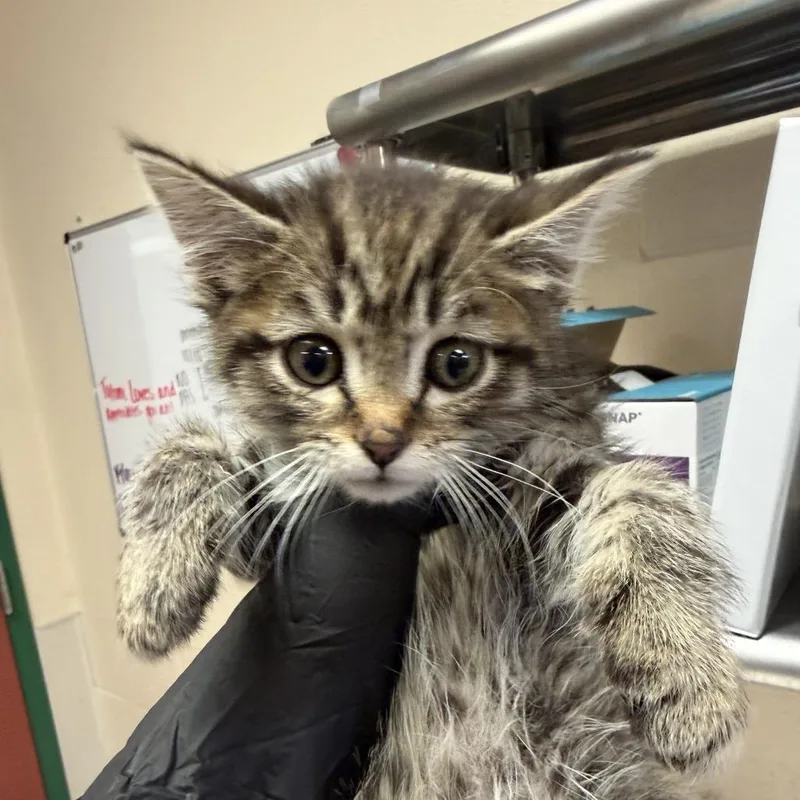
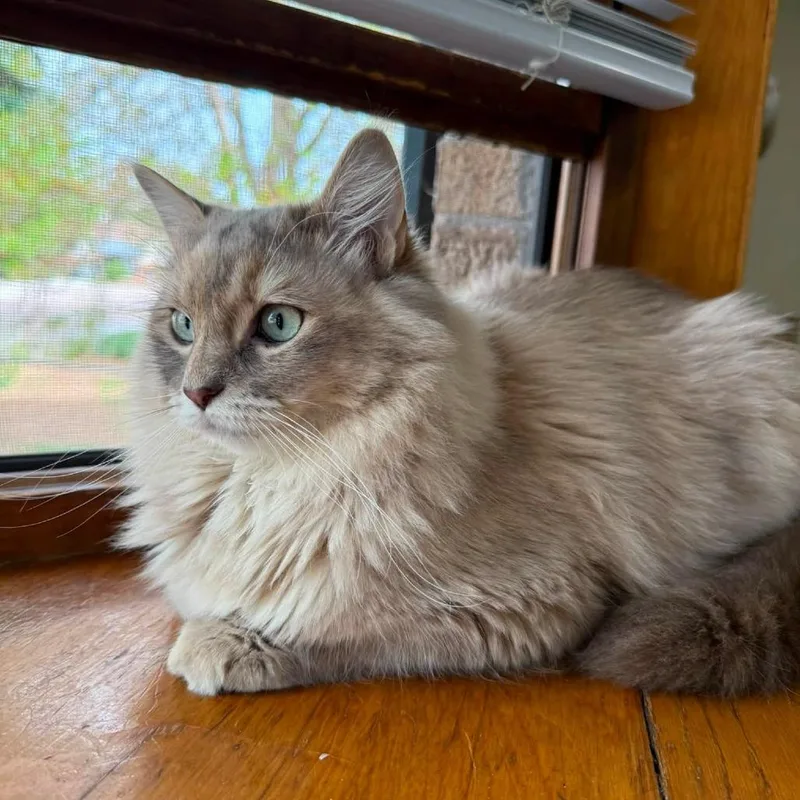
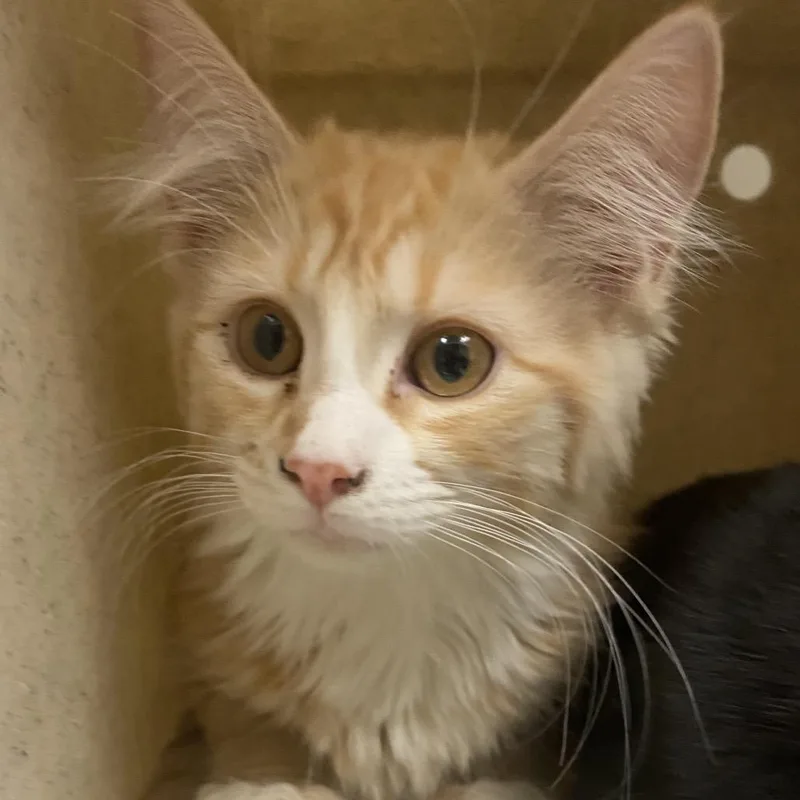
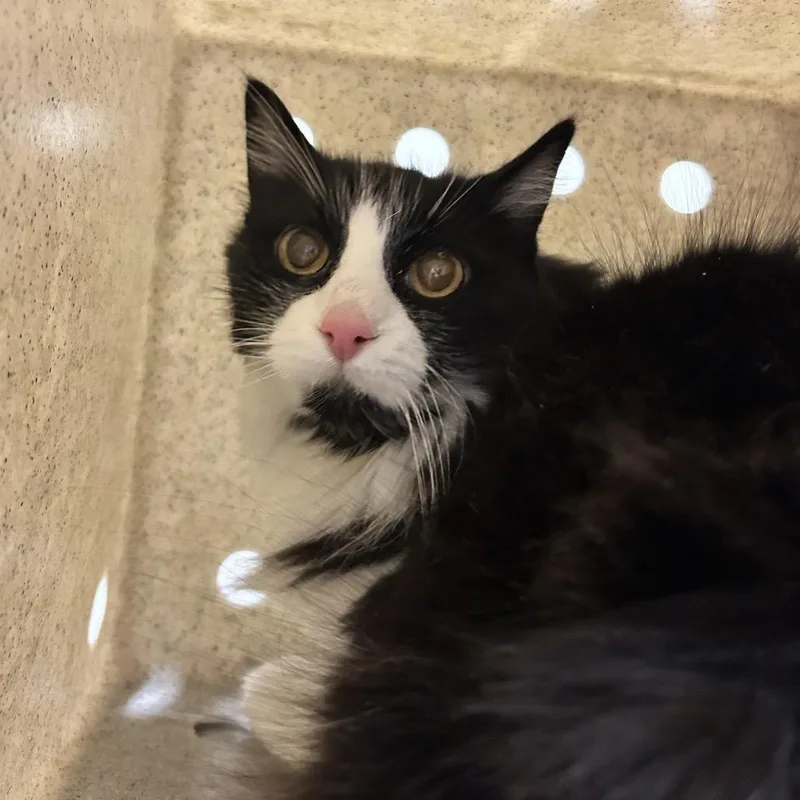
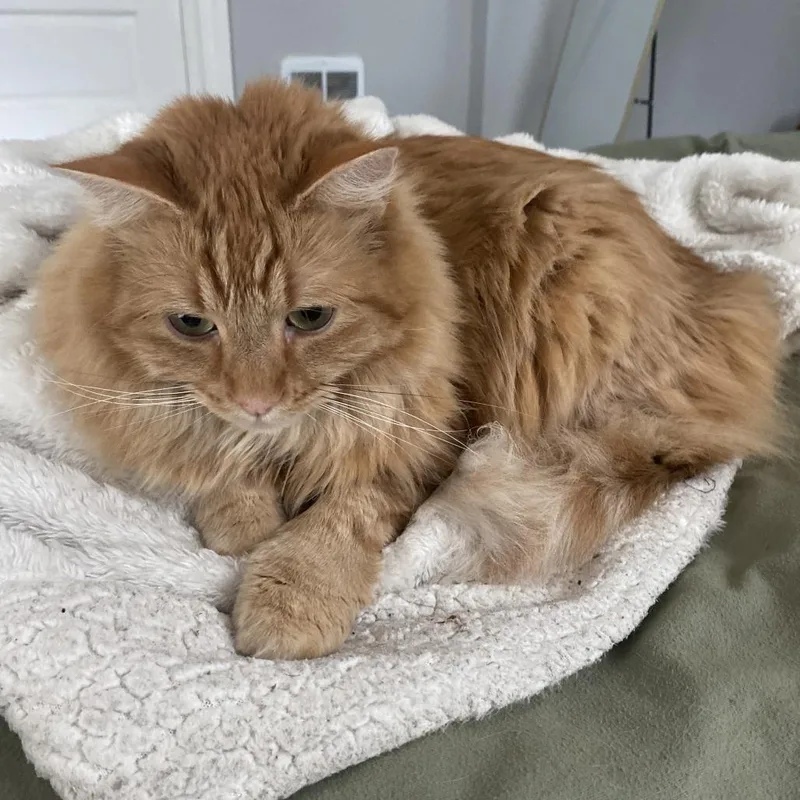
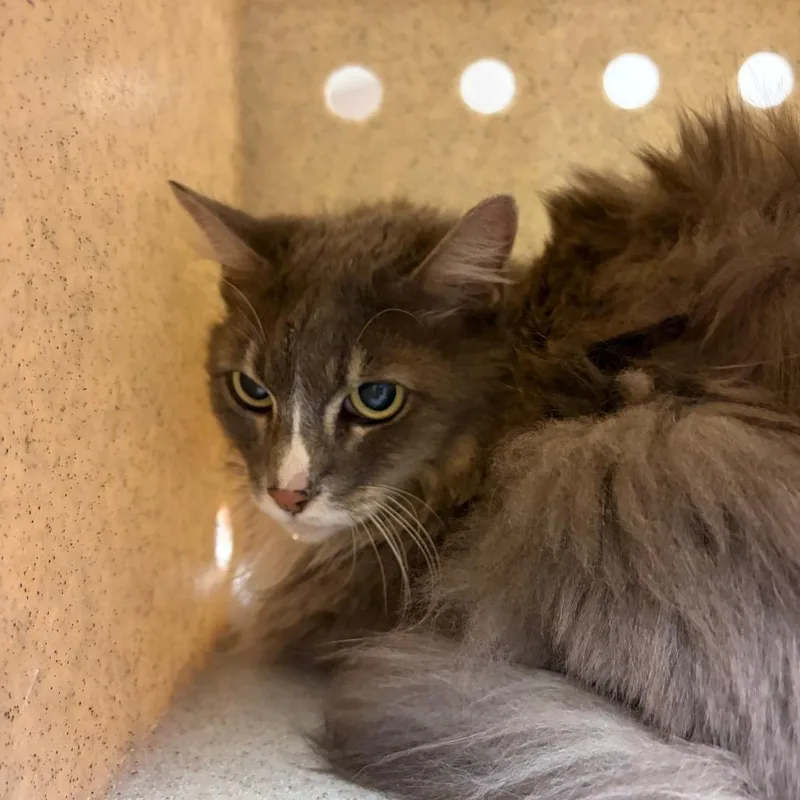
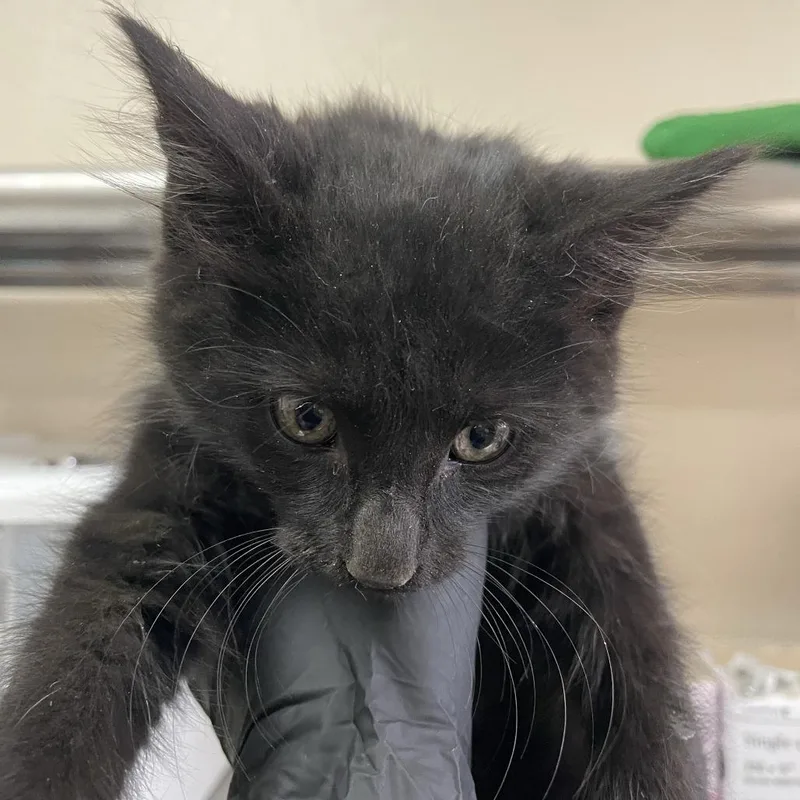
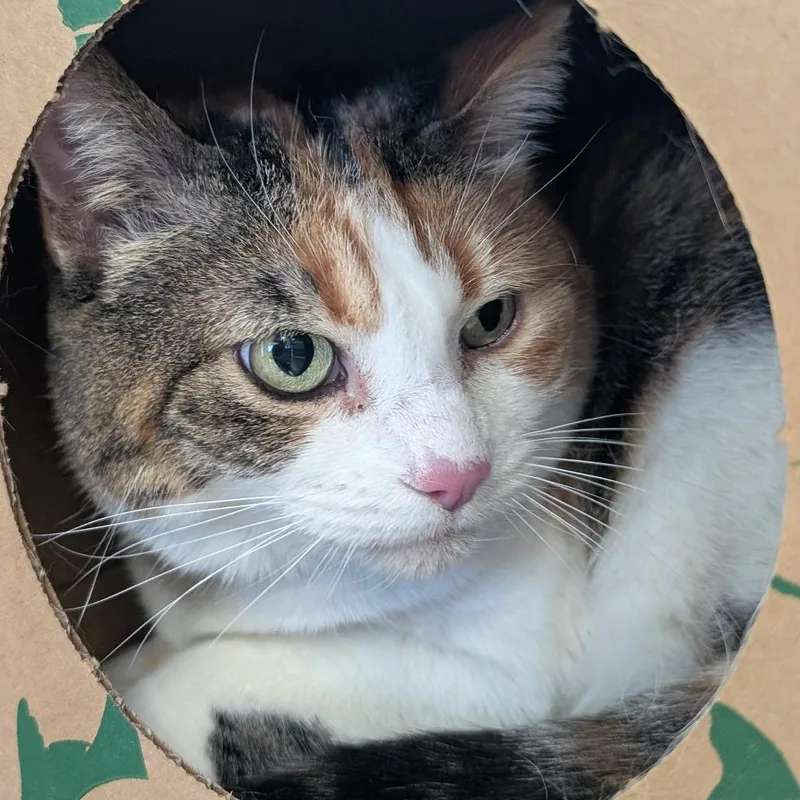
Domestic Long Hair Cats for Adoption in Reno, NV

Your guide to finding and caring for a Domestic Long Hair in Reno

A Domestic Long Hair suits Reno's older bungalow streets, where a sunny window is the best seat in the house. Around Wells Avenue, the early-1900s homes give a cat plenty of sills to claim and a street to watch all day. Domestic Long Hair is a coat type, not a breed, so you'll meet lap cats and bold explorers alike. Keeping one indoors also spares that coat from the dust the Washoe Zephyr lifts on summer afternoons.

17 Domestic Long Hairs available for adoption in Reno

Your Domestic Long Hair is waiting

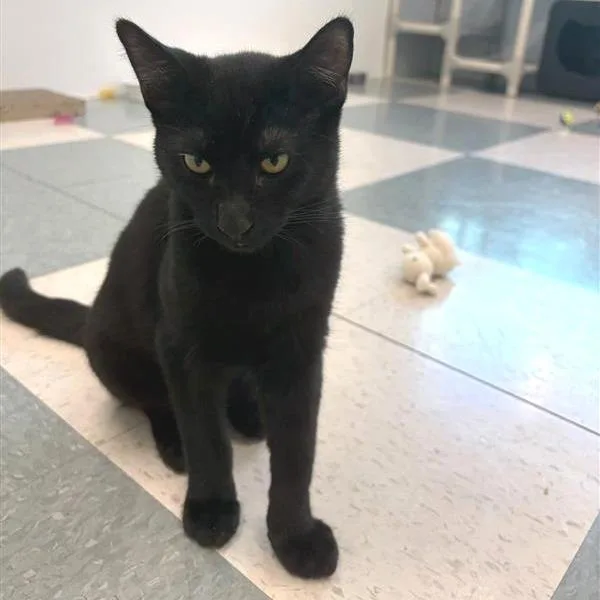
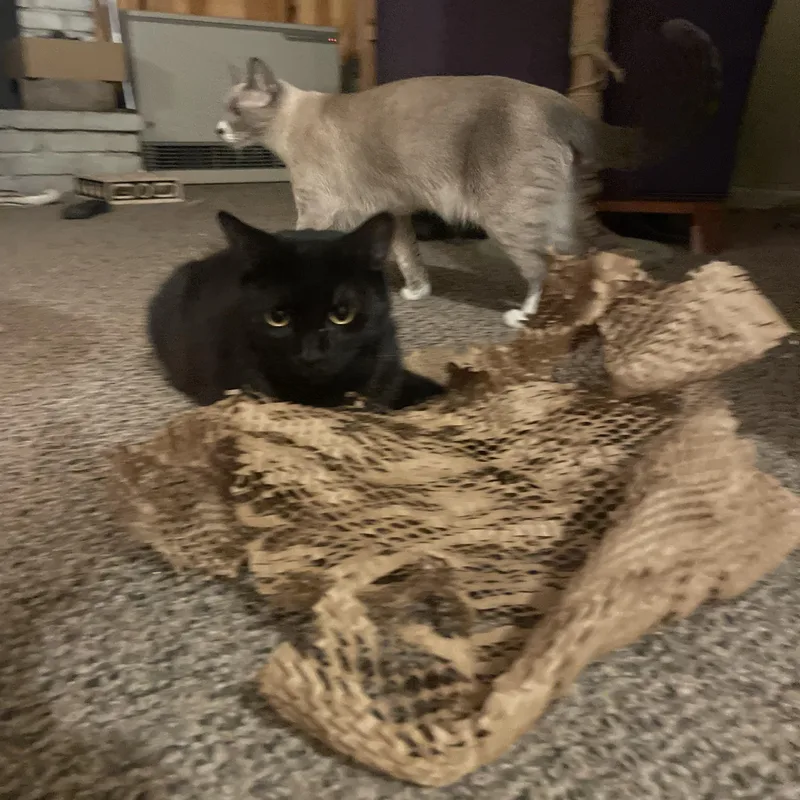
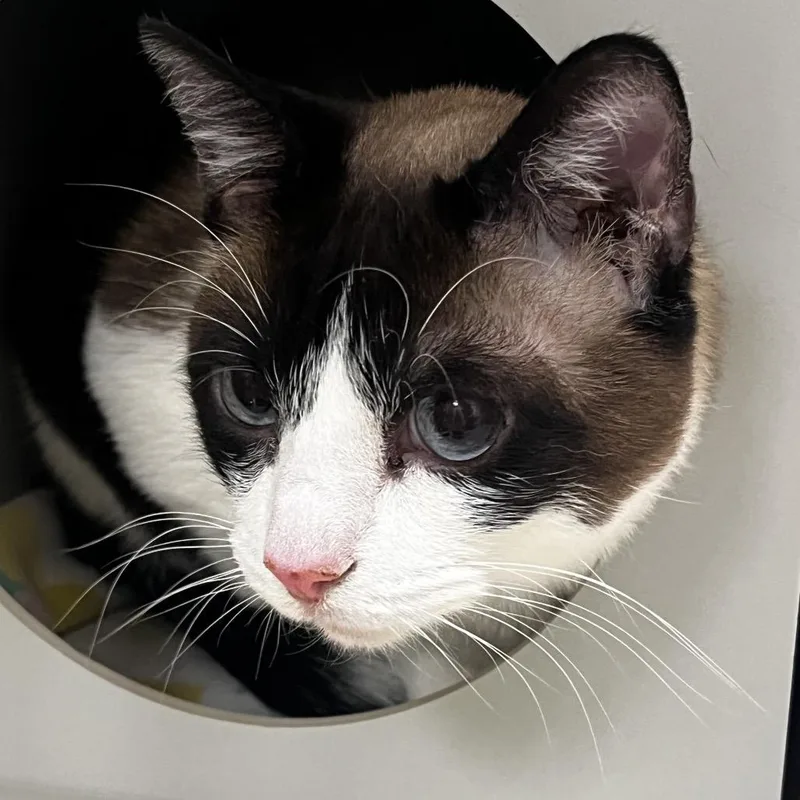
Domestic Long Hairs Available for Adoption in Reno

About the Domestic Long Hair breed

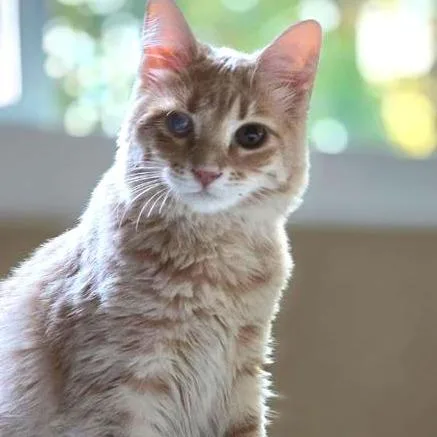
Domestic Long Hair isn't a breed. It's the label for a mixed-ancestry cat with a long coat, the fluffy counterpart of the everyday Domestic Short Hair. These cats come from the general cat population, so they appear in every color and pattern, from tabby and calico to solid black, smoke and bicolor. Some look a lot like a Maine Coon or Persian without sharing that ancestry.

With no breed standard, size, coat texture and personality vary from cat to cat, and adults usually weigh 8 to 15 pounds. What they share is a coat that needs regular brushing to prevent mats and hairballs, and the genetic diversity that tends to keep mixed cats healthy. In Reno's dry air, steady brushing also helps keep the fur from getting brittle.

Weight
8–15 lbs
Height
8–11 in
Lifespan
12–18 yrs
Temperament
Adaptable, Affectionate, Gentle
Shedding
Moderate to High

Owning a Domestic Long Hair in Reno

Having a Domestic Long Hair in Reno

Domestic Long Hair describes a coat, not a pedigree, so energy, size and personality vary from cat to cat. In Reno, the points that matter most are regular brushing, safe indoor living and a plan for hot, dry summers and wildfire season.

Temperament

Temperament comes from each cat's genes, early socialization and past experience, not from the coat. Domestic Long Hairs can be mellow lap cats, bold explorers or shy cats who need time to settle. Many turn out affectionate and adaptable, which helps in Reno's mix of apartments and houses.

Exercise Needs

Most Domestic Long Hairs enjoy a couple of short daily play sessions with wand toys, balls or puzzle feeders. A sunny window perch or tall cat tree gives indoor cats something to watch, and play keeps weight down, which helps a long coat stay clean. Energy varies with age and personality.

Health Considerations

Mixed ancestry means no breed-specific inherited conditions, but long coats are prone to mats, hairballs and soiled fur, especially in older or overweight cats. Dental disease, obesity and kidney disease are common in cats generally. Regular vet checkups and brushing help catch problems early, and a veterinarian can check any new cat's health.

Living Space

A Domestic Long Hair can thrive in a Reno apartment or house with litter boxes, scratching posts, hiding spots and places to climb. Indoor living keeps the coat free of burrs and the cat safe from coyotes and traffic. Cool resting spots matter in summer, and grooming matters more than square footage.

What it costs to own a Domestic Long Hair in Reno

ExpenseTypical costPer year
Adoption fee$75 to $150, one time$75 to $150 in year one
Food$25 to $50 per month$300 to $600
Pet insurance$20 to $45 per month$240 to $540
Routine vet care$150 to $350 per year$150 to $350
Other*$500 to $1,250 per year$500 to $1,250
Estimated yearly total (after year one)$1,190 to $2,740
First-year total (with adoption fee)$1,265 to $2,890

Adoption fee is the range of fees on Domestic Long Hair listings in Reno on GetBuddy today. Other costs are estimates and vary with size, age and health.

* Litter, flea prevention, a dental cleaning allowance, toys, scratchers and other supplies, and brushing tools or occasional grooming for the long coat.

Adopt a Domestic Long Hair in Reno.

Now that you know more, let’s find you a new best friend. These rescues and shelters below currently have Domestic Long Hairs available.

Rescues in Reno with Domestic Long Hairs Available

Reno's shelters and rescues care for cats of every coat, age and personality, including long-haired ones. Here are the rescues & shelters in the Reno area where you can find Domestic Long Hairs and other cats available for adoption.

Frequently Asked Questions

Yes, most Domestic Long Hairs handle Reno summers well as indoor cats. The dry heat is the main concern, so keep a cool room available, leave fresh water in several places and brush out loose undercoat regularly. Cooler nights help, but never leave a cat in a parked car, even briefly, because interiors heat up quickly.

Yes, a Domestic Long Hair usually does well in a Reno apartment when it has a litter box, scratching posts, a window perch and places to climb. Daily play matters more than square footage. Read your lease for pet terms, and expect loose fur on upholstery, since long coats shed moderately to heavily.

Yes, but only in a carrier. RTC buses let service animals ride freely, while pets must be contained, so use a secure, latching carrier that keeps your Domestic Long Hair from slipping out. Reno has no subway or rail. Quieter travel times can make the ride less stressful for nervous cats.

Plan on brushing several times a week, and daily during heavy shedding or for cats with dense coats. Reno's dry air and summer dust can leave fur brittle and prone to mats, so a comb that reaches the undercoat helps. Most brushing happens at home, and an occasional professional groom fits within the yearly Other costs.

A Domestic Long Hair fits Reno well as an indoor cat. Coyotes, rattlesnakes and wildfire smoke make staying inside safer than roaming. Fireworks are banned but still heard around July 4, so give nervous cats a quiet room. Keep a carrier ready for wildfire evacuations, which have affected southwest and south Reno neighborhoods.

You can usually tell a kitten will have long hair by about three to four weeks old, when its fur looks noticeably fluffier than its littermates'. Look for longer tufts on the ears, between the toes and on the tail, plus a softer, fuller coat overall. The full adult coat, ruff and tail plume can take one to two years to develop.

Yes, long hair is a recessive trait in cats. A kitten needs two copies of a long-hair variant, usually in the FGF5 gene, one from each parent, to grow a long coat. Two shorthaired parents can produce longhaired kittens if both carry the variant, while a longhair bred to a cat with two short-hair copies produces only shorthaired kittens.

Domestic Long Hair cats commonly live about 12 to 18 years, and many indoor cats reach their late teens or beyond. Mixed-breed cats have broad genetic diversity, and UK veterinary research found non-pedigree cats lived longer than purebreds on average. Indoor living, a healthy weight, dental care and regular checkups make the biggest difference.

We have 1 rescue with Domestic Long Hairs available: Nevada Humane Society. You can see every rescue with Domestic Long Hairs available in the list above these questions, or scroll to the top to see the Domestic Long Hairs in Reno.

Expect roughly $25 to $50 a month for food, $20 to $45 a month for optional pet insurance, $150 to $350 a year for routine vet care, and $500 to $1,250 a year for other costs such as litter, flea prevention, dental care, supplies and grooming. Adoption fees appear on each listing.