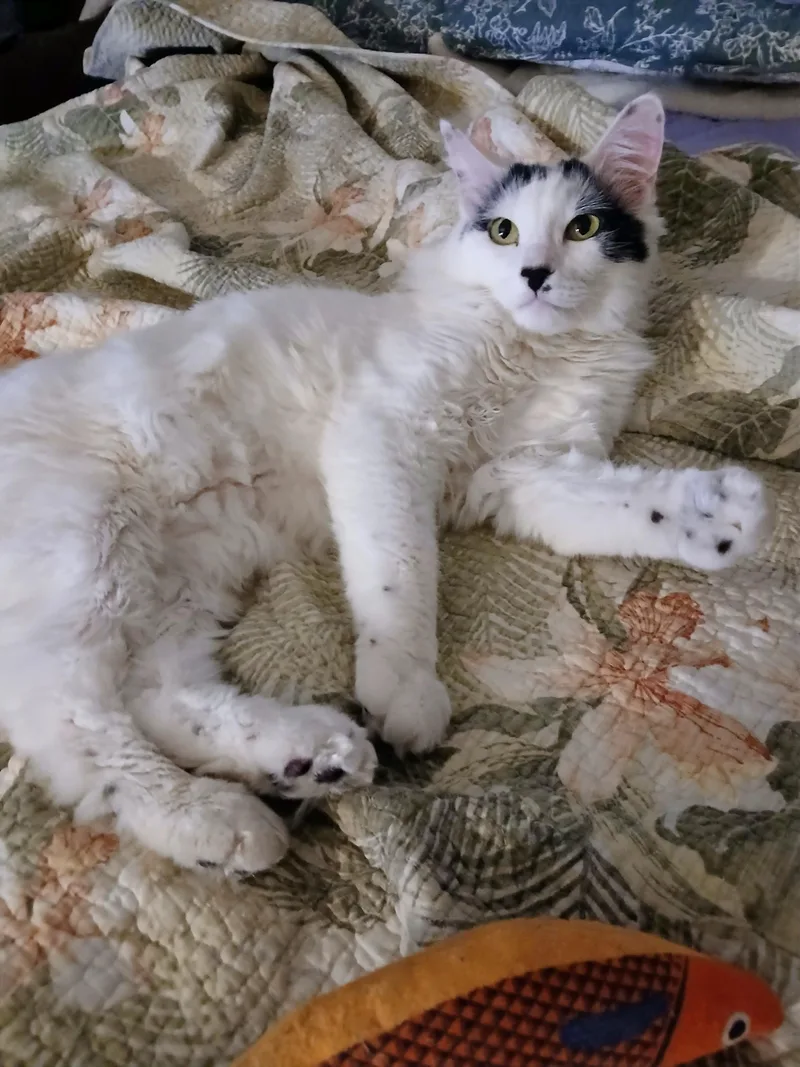
Tuxedo Cats for Adoption in Las Vegas, NV

Your guide to finding and caring for a Tuxedo in Vegas

A Tuxedo cat suits a Vegas loft or condo well, because most are happy living indoors. Whether it's a converted warehouse apartment in the Arts District like Holsum Lofts or a condo in The Lakes, a Tuxedo needs a window perch, a few play sessions a day and a cool room when afternoons pass 100 degrees. Tuxedo is a coat pattern, not a breed, so these cats come in every personality, from chatty to shy. Spending time with the cat tells you more than the markings do.

1993 Tuxedos available in Las Vegas and nationwide

Say hello to your Tuxedo cat

While we don't have enough cats near Las Vegas, keep in mind that many rescues may offer transport.

Tuxedos Available for Adoption Near Las Vegas

About the Tuxedo breed

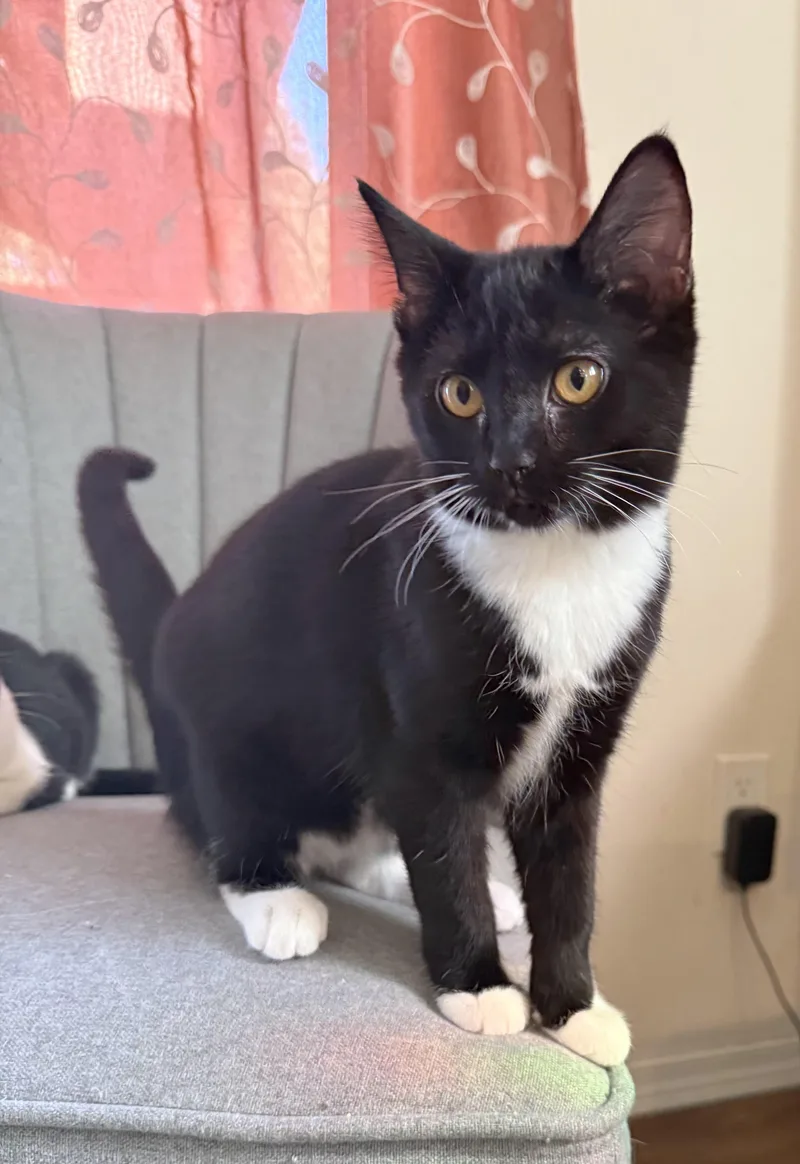
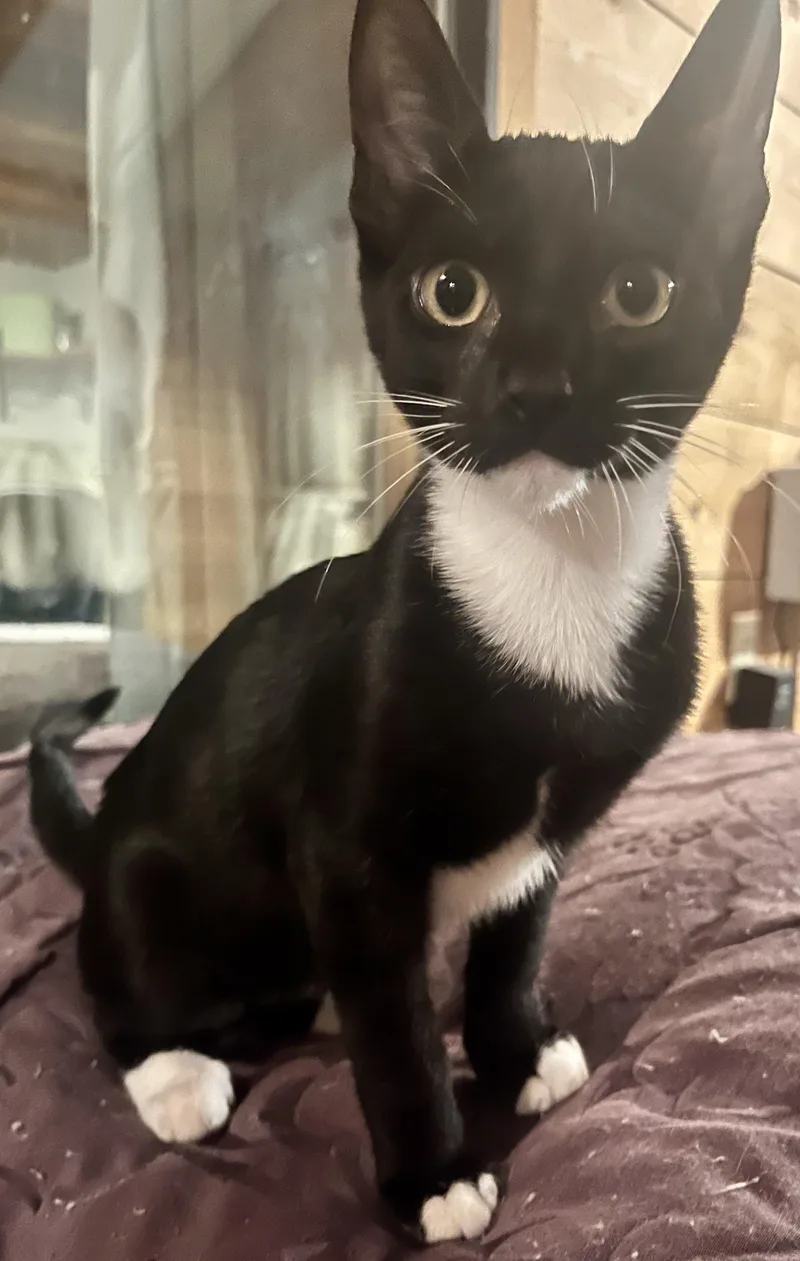
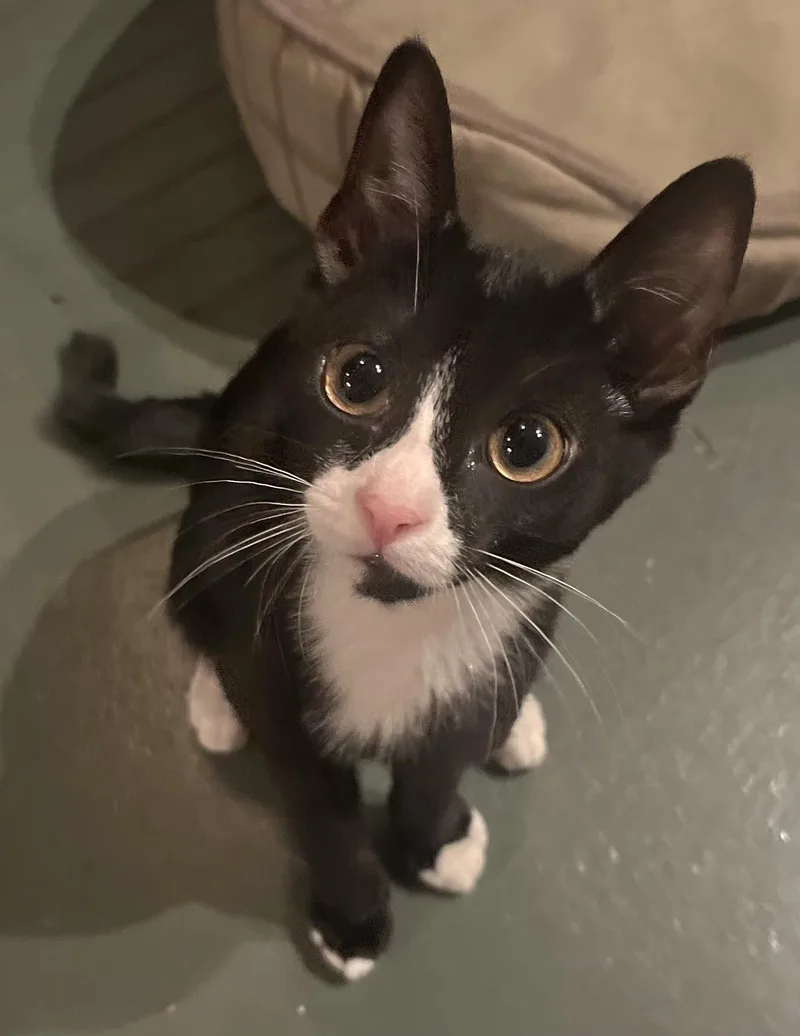
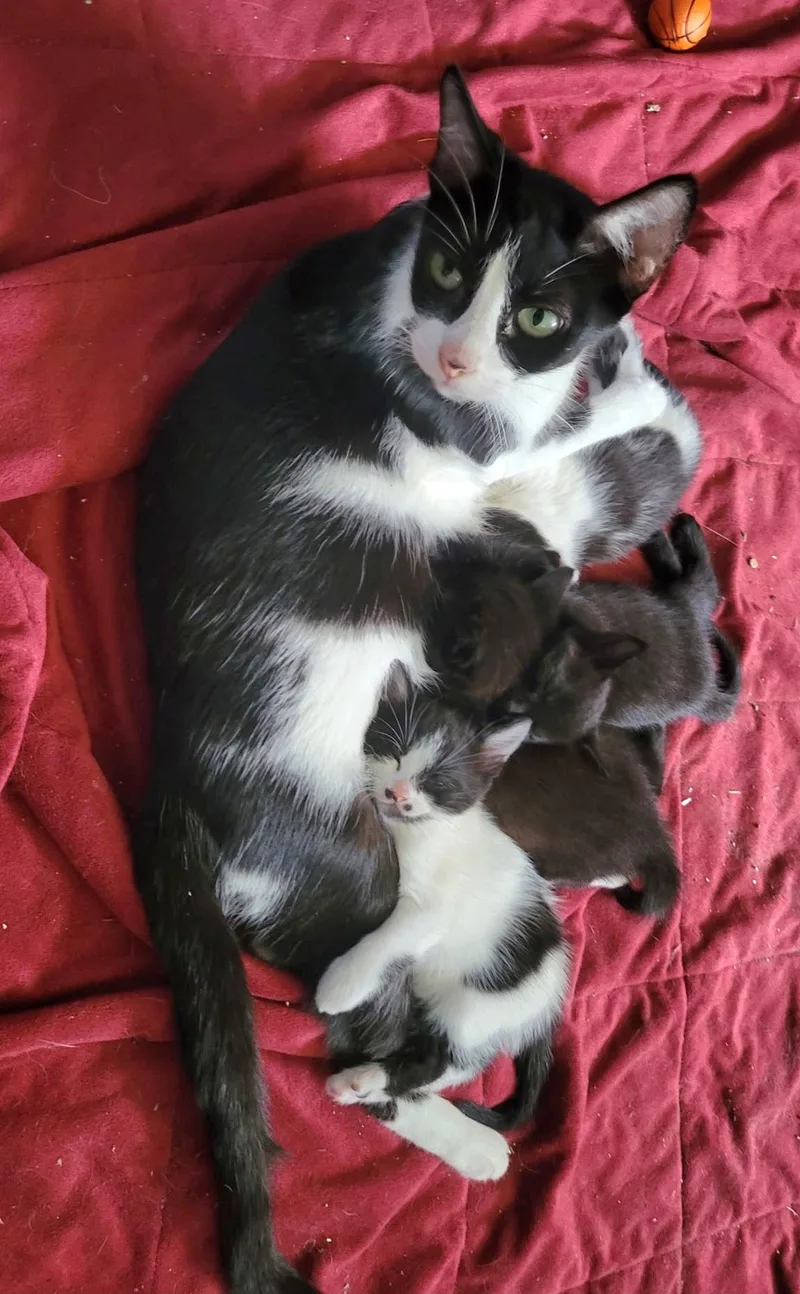
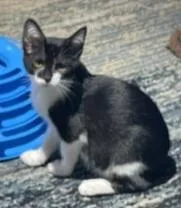
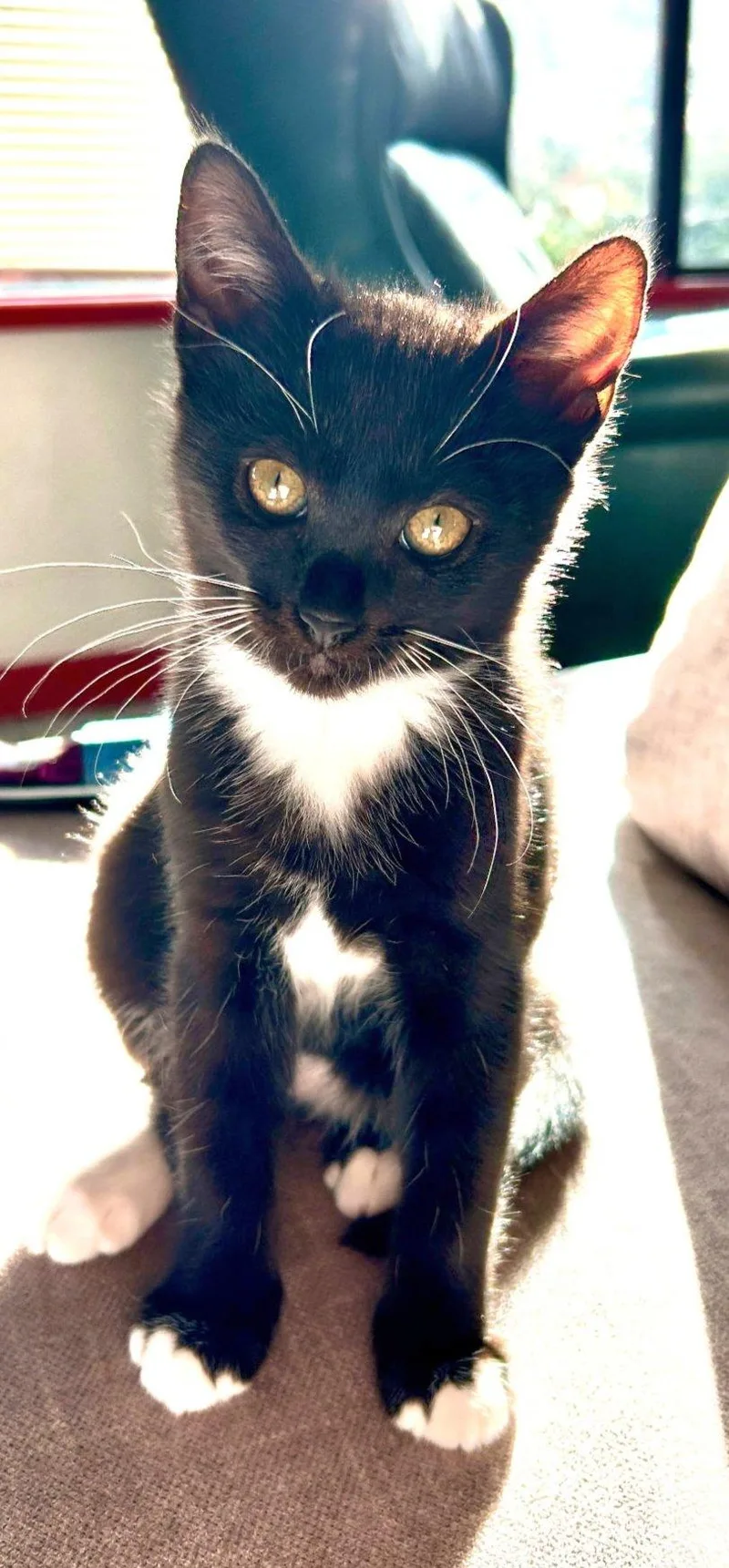
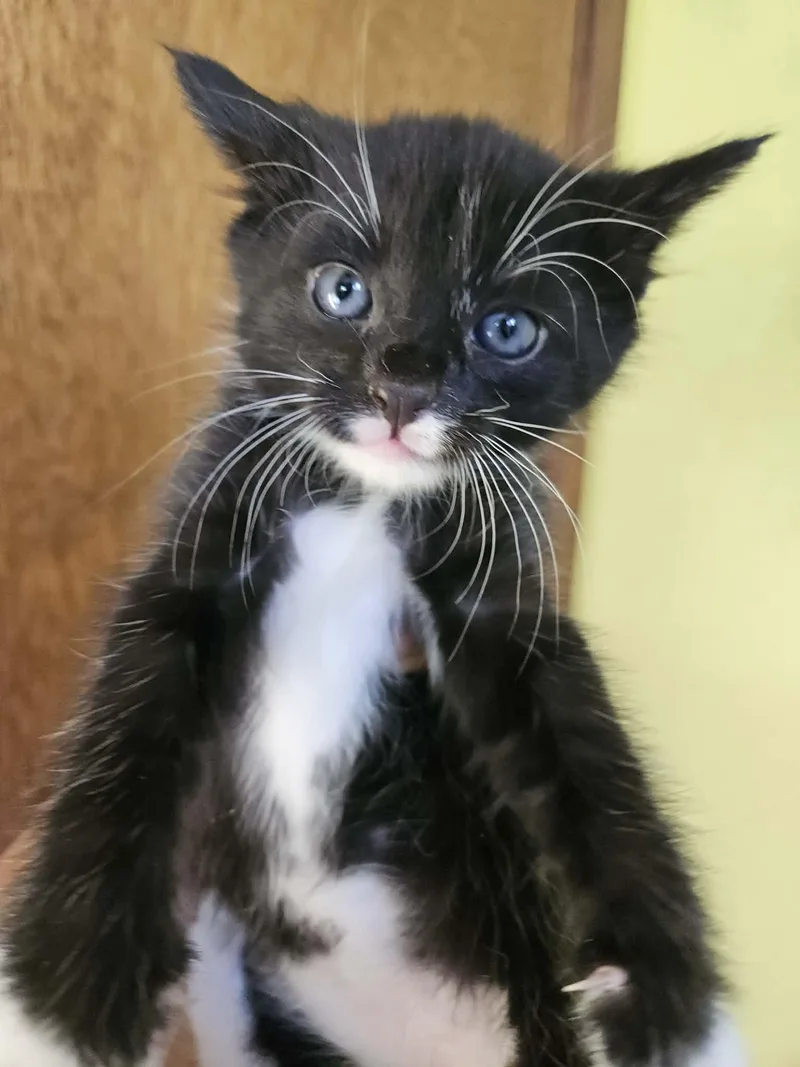
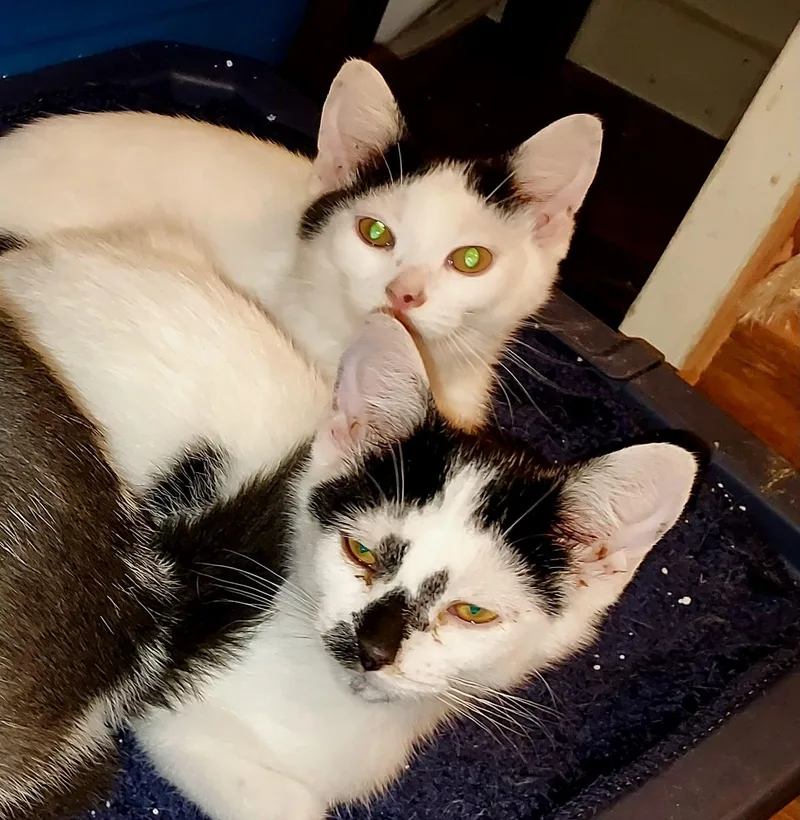
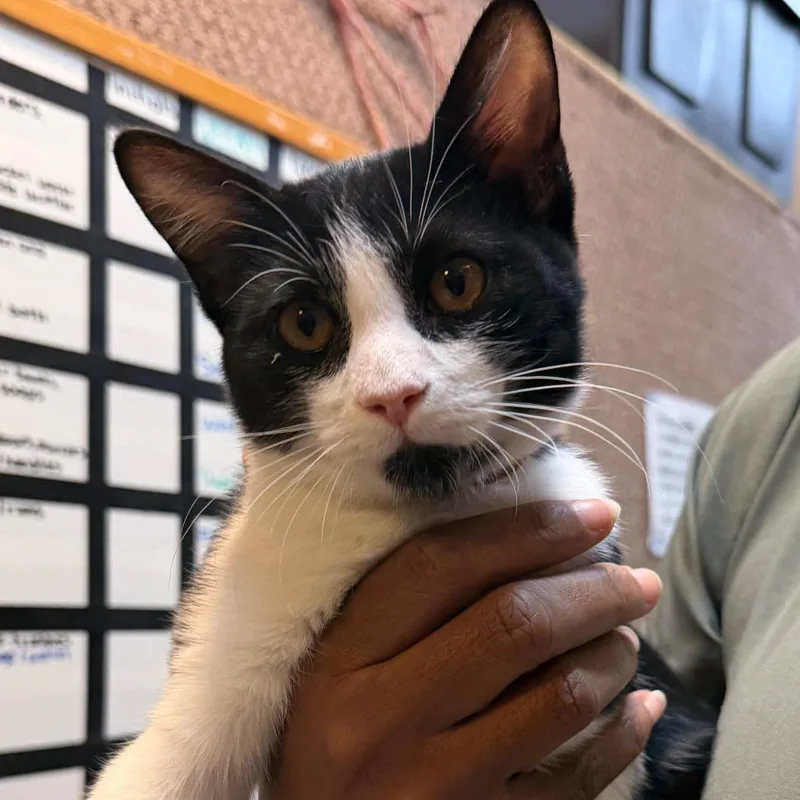
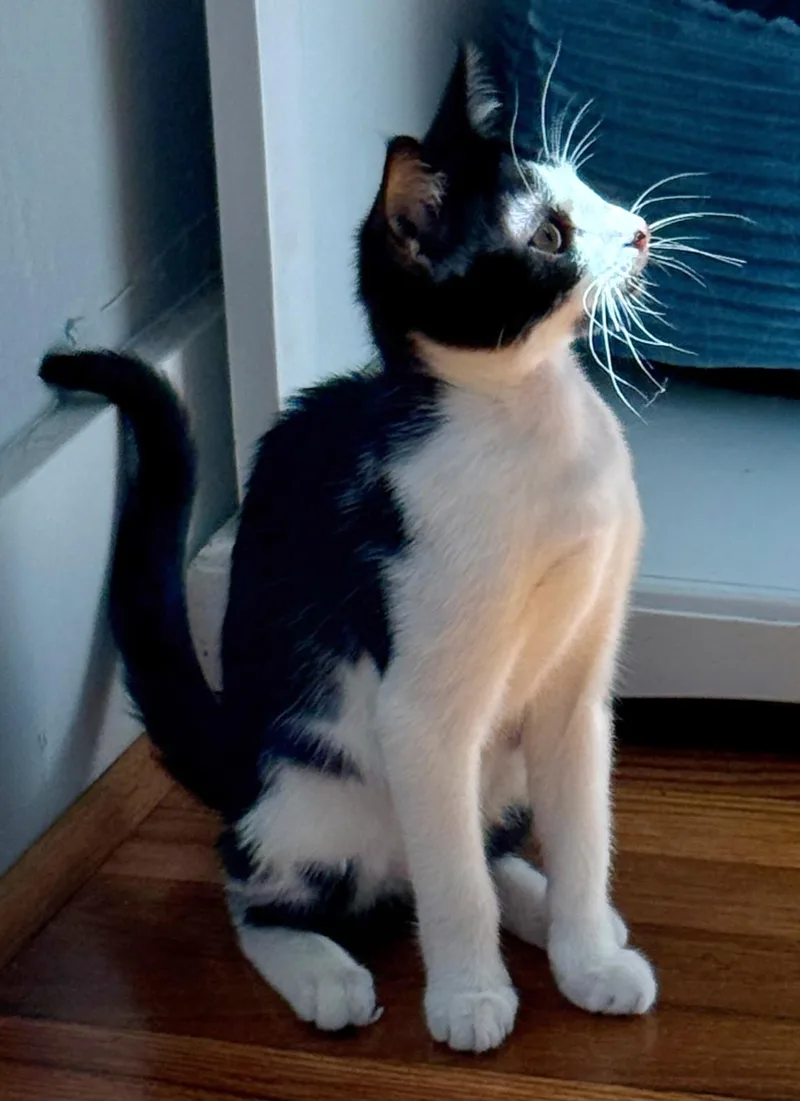
Tuxedo isn't a breed but a coat pattern: a bicolor cat, usually black and white, with a white chest that looks like a shirtfront and often white paws, chin or a facial blaze. Grey-and-white Tuxedos exist too. The pattern comes from white spotting variation in the KIT gene, and it appears about equally in males and females.

Most Tuxedos are domestic shorthairs, though the pattern also shows up in breeds like the Maine Coon and Persian. Color doesn't set personality, so tales of especially smart or bold Tuxedos are just tales. A short coat copes well with desert living and sheds moderately, while longhaired Tuxedos need more brushing. Expect a medium-size cat of roughly 6 to 14 pounds that can live 12 to 18 years.

Weight
6–14 lbs
Height
8–10 in
Lifespan
12–18 yrs
Temperament
Adaptable, Playful, Affectionate
Shedding
Moderate

Owning a Tuxedo in Las Vegas

Having a Tuxedo in Vegas

Tuxedo markings are cosmetic, so what matters is each cat's age, energy, coat length and history. In Vegas, look for a cat that's comfortable indoors, settles in a warm home and enjoys regular play.

Temperament

Tuxedos run from chatty and outgoing to quiet and reserved, since coat color doesn't predict personality. Many settle well with children and other pets after slow introductions. In a Vegas apartment, a cat that enjoys company and window-watching often does well, while a shy cat may prefer a calm room with hiding spots.

Exercise Needs

Plan on daily interactive play: wand toys, chasing games and puzzle feeders that mimic hunting. Because Vegas afternoons are too hot for outdoor time much of the year, morning and evening sessions indoors keep a cat fit. Young cats may want several bursts a day, while seniors prefer gentle games and comfortable perches.

Health Considerations

The pattern carries no known health risk. Tuxedos face common feline issues such as dental disease, obesity, urinary problems and, later in life, kidney disease, diabetes or hyperthyroidism. With Vegas's dry air, set out fresh water in several spots, and a veterinarian can check teeth, weight and hydration at routine visits.

Living Space

Tuxedos fit apartments and houses alike when they have vertical space, scratching surfaces, hiding places and clean litter boxes. Las Vegas has both single-family homes and apartment clusters, and either can work. Keep a cat indoors or in a secure enclosure, and put sturdy screens on upper-floor windows to prevent falls.

What it costs to own a Tuxedo in Las Vegas

ExpenseTypical costPer year
Food$25 to $50 per month$300 to $600
Pet insurance$20 to $45 per month$240 to $540
Routine vet care$150 to $350 per year$150 to $350
Other*$460 to $1,160 per year$460 to $1,160
Estimated yearly total (after year one)$1,150 to $2,650

Other costs are estimates and vary with size, age and health.

* Litter, flea prevention, a dental cleaning allowance, toys and supplies, light home grooming, and the $10 Las Vegas license for a spayed or neutered cat.

Adopt a Tuxedo in Las Vegas.

Now that you know more, let’s find you a new best friend. These rescues and shelters below currently have Tuxedos available.

Frequently Asked Questions

Yes, indoor Tuxedo cats handle Las Vegas summers well when the home stays cool. Highs average about 102°F, and roughly 78 days a year reach 100°F, so keep the air conditioning on, set out fresh water in several spots and block hot afternoon windows. Black fur warms quickly in direct sun. Never leave a cat in a parked car.

Yes, Nevada has no breed-specific rules, and Tuxedo is a coat pattern anyway. Within city limits, cats over four months need a license and a microchip, and most must be spayed or neutered. Up to six cats are allowed per residence. Shelter cats are typically sterilized before adoption, leaving the license and chip registration.

Yes, a Tuxedo cat usually does well in a Vegas apartment, since indoor enrichment matters more than square footage. Provide a window perch, scratching posts, a tall cat tree and daily play, and read the lease for pet rent, deposits and cat limits. Sturdy screens on upper-floor windows help prevent falls.

Yes, but only in a carrier. RTC buses allow pets in a covered, secured cage when there's open space, and full adult fare applies if the pet needs its own seat. Service animals ride free. The valley has no subway or light rail, so buses are the main option. Check current RTC fares before your first trip.

Most Tuxedos are shorthairs that need brushing about once a week, with extra sessions during spring and fall shedding. Longhaired Tuxedos benefit from brushing a few times a week to prevent mats. Vegas's dry air makes skin and coat worth watching, and baths are rarely needed. Home grooming is usually enough, so professional grooming isn't a regular expense.

A Tuxedo cat can be a great fit if it lives indoors and your home stays cool. Vegas's heat and coyotes make an indoor life the safest choice for any cat, and July 4 fireworks can frighten them, so a quiet room helps. Spend time with the cat to judge energy and sociability, since coat color doesn't predict personality.

We have 1 rescue with Tuxedos available: All the Same Wild and Tame. You can see every rescue with Tuxedos available in the list above these questions, or scroll to the top to see the Tuxedos near Las Vegas.

Expect roughly $1,150 to $2,650 a year for a Tuxedo in Las Vegas, covering food at $25 to $50 a month, insurance at $20 to $45 a month, routine vet care at $150 to $350 and other costs at $460 to $1,160. Insurance is optional, so totals drop without it. Emergencies and illness are extra.

Find Tuxedos in Nearby Cities

Expand your search to find Tuxedos available for adoption near Las Vegas.