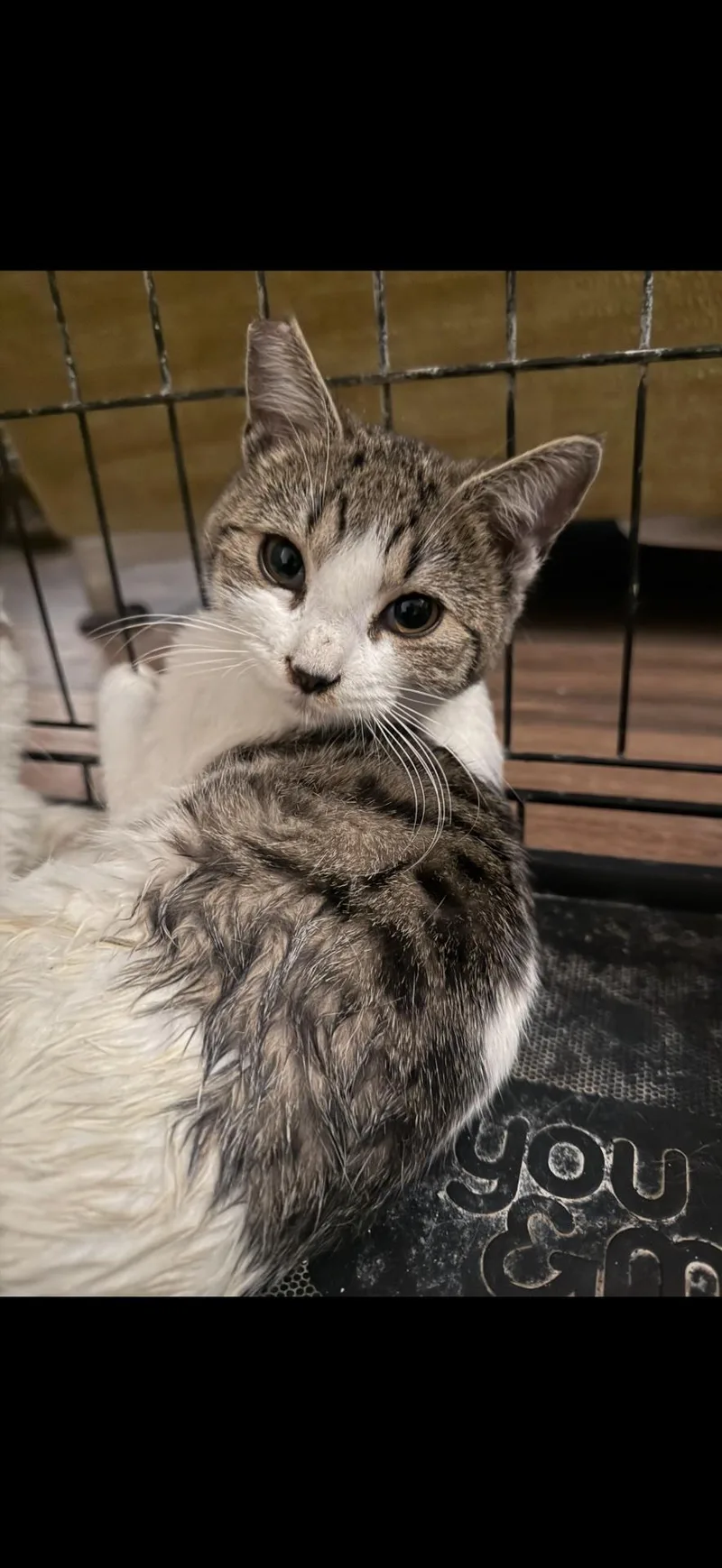
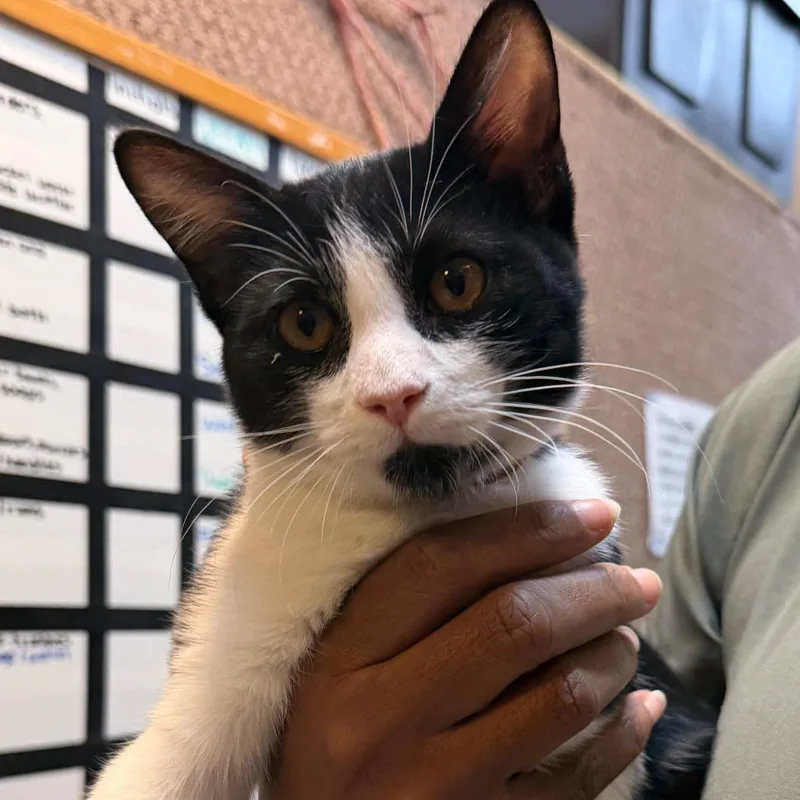
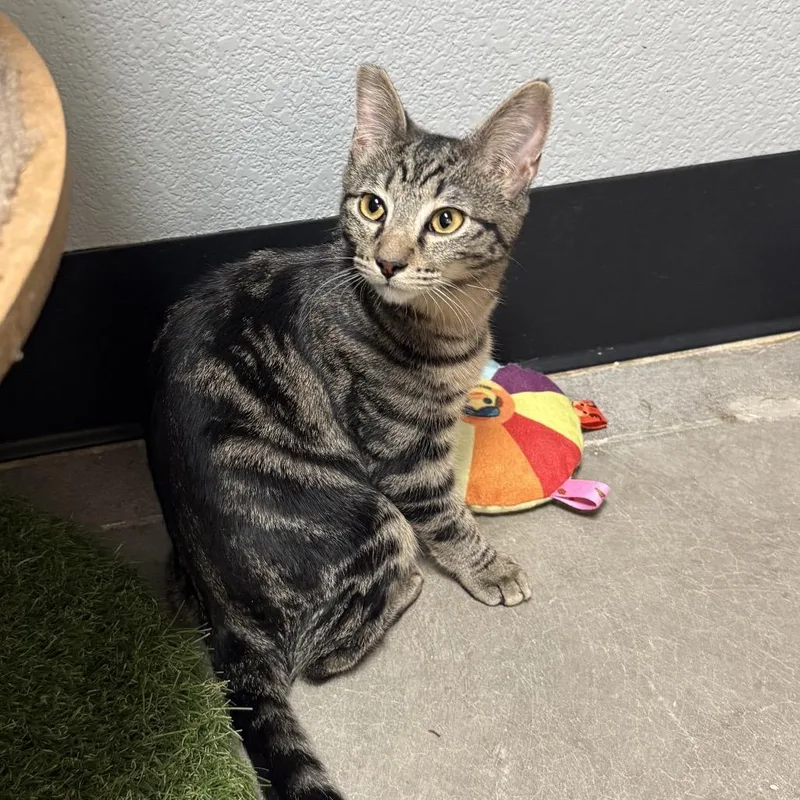
Tortoiseshell Cats for Adoption in Las Vegas, NV

Your guide to finding and caring for a Tortoiseshell in Vegas

A tortoiseshell cat fits an Arts District loft as easily as a house in The Lakes. Tortoiseshell is a coat pattern, not a breed, so you'll meet torties of every temperament, from shy to bossy. Most do well indoors, which suits Vegas, where triple-digit afternoons make a cool living room the best seat in town. A window perch, a cat tree and a couple of play sessions a day cover most of what they need.

960 Tortoiseshells available in Las Vegas and nationwide

Your Tortoiseshell is waiting

While we don't have enough cats near Las Vegas, keep in mind that many rescues may offer transport.

Tortoiseshells Available for Adoption Near Las Vegas

About the Tortoiseshell breed

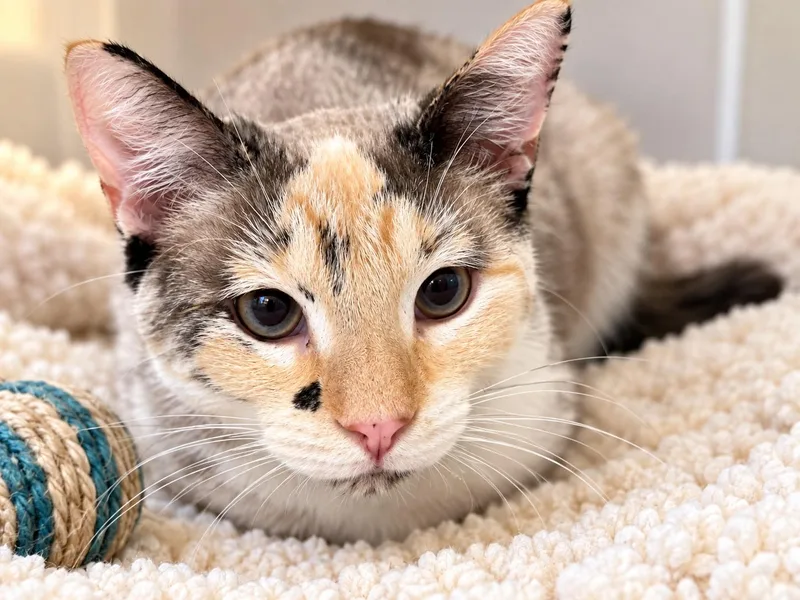
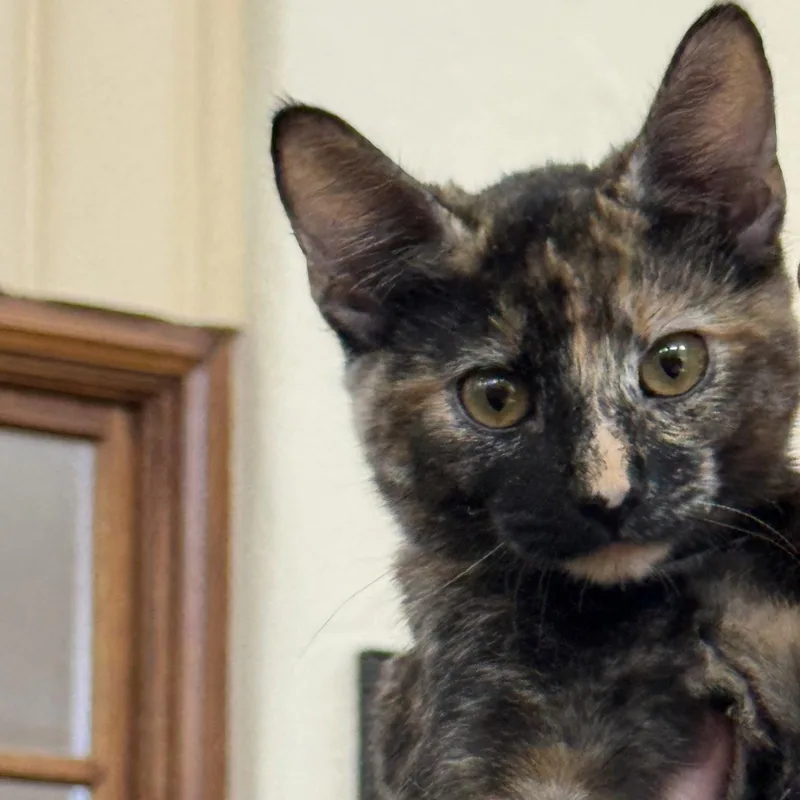
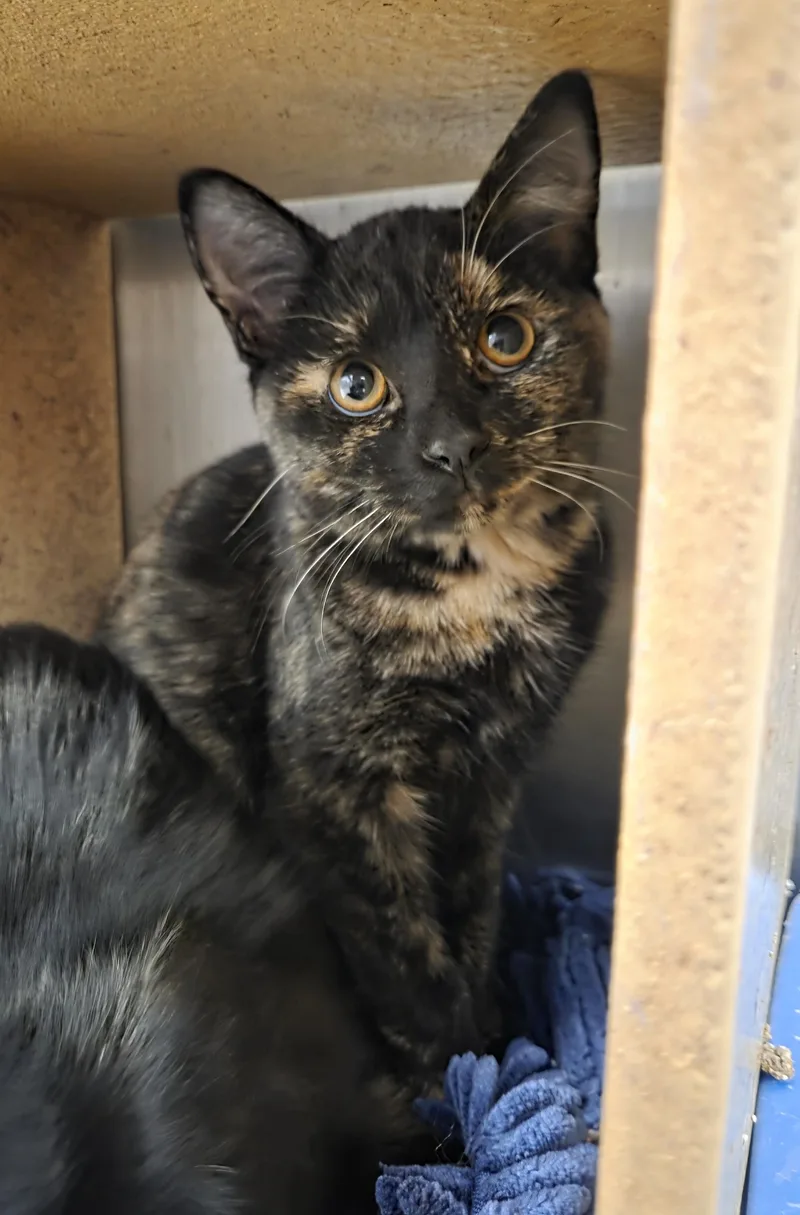
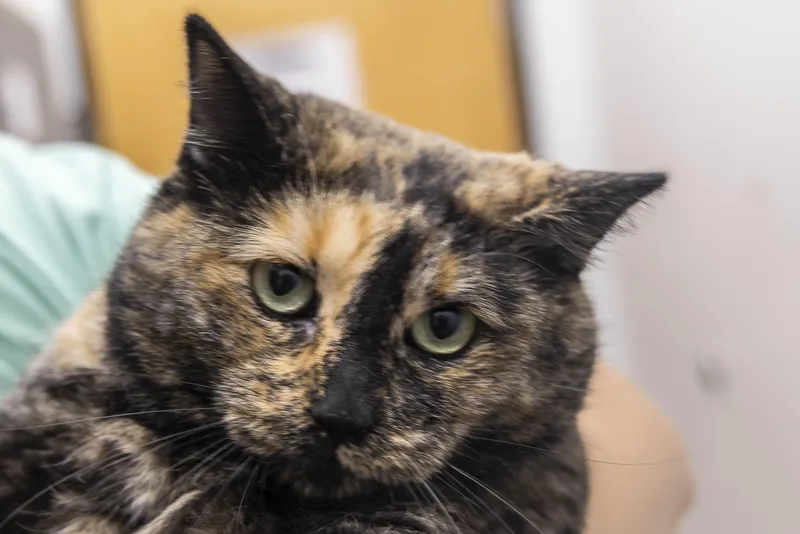
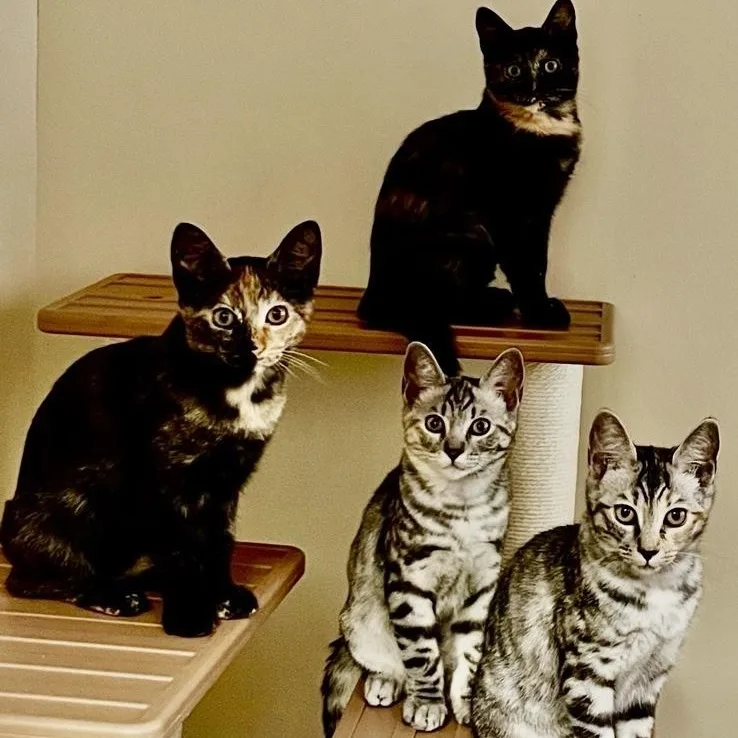
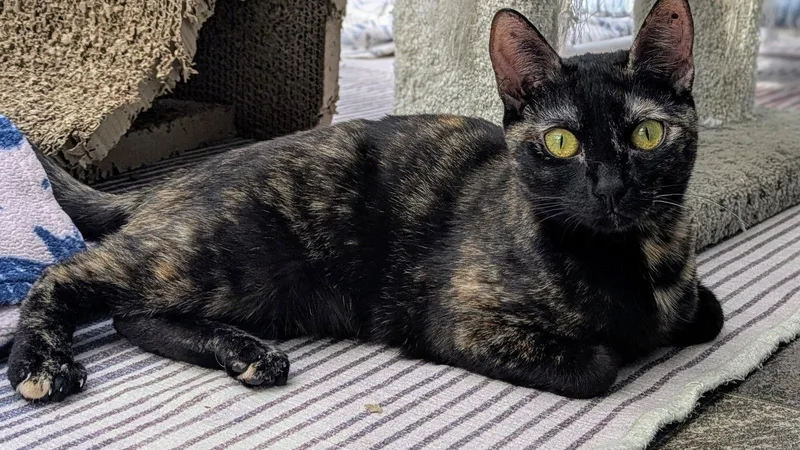
Tortoiseshell describes a coat, not a breed: black-based and orange-based colors in patches or a fine mottled blend, usually with little white. Because the orange gene sits on the X chromosome, nearly all torties are female. Most are domestic shorthairs, though the pattern also turns up in Persians, Maine Coons, British Shorthairs and many other breeds.

The reputation for "tortitude" comes mostly from owner impressions, and the evidence is thin. A cat's age, history and socialization say far more about personality than color does. In Vegas, where most cats live indoors, enrichment matters: climbing spaces, puzzle feeders and daily play. Shedding is moderate, so a weekly brushing usually keeps a short coat in check.

Weight
6–14 lbs
Height
8–10 in
Lifespan
12–18 yrs
Temperament
Independent, Affectionate, Playful
Shedding
Moderate

Owning a Tortoiseshell in Las Vegas

Having a Tortoiseshell in Vegas

Because tortoiseshell is a coat rather than a breed, traits follow a cat's ancestry, age and upbringing. Expect a medium-sized, moderately shedding cat. In Vegas, the practical questions are heat, space and keeping an indoor cat busy and safe.

Temperament

Torties are often called spirited, a reputation nicknamed tortitude, but the evidence is limited and mostly owner impressions. Cats range from shy to bold. A confident cat may enjoy the comings and goings of a busy Vegas apartment building, while a shy one usually does better in a quieter home with a hiding spot.

Exercise Needs

Plan on two or three short sessions of wand toys, chase games or puzzle feeders each day, more for young cats and gentler for seniors. Vegas summers push play indoors, so schedule it for early morning or evening and put cat trees beside windows for watching birds.

Health Considerations

The tortoiseshell pattern itself carries no particular health risks in females, and the rare males often have an extra X chromosome that can bring other issues. Dental care, a healthy weight and yearly checkups matter most. A veterinarian can check teeth, weight and heart, and keep rabies vaccination current, which Nevada requires.

Living Space

Tortoiseshell cats do well in apartments and houses alike, since space needs depend on the cat, not the coat. Vegas has plenty of both. Vertical space like cat trees and window perches counts more than square footage, and a screened or enclosed balcony adds fresh air safely.

What it costs to own a Tortoiseshell in Las Vegas

ExpenseTypical costPer year
Food$25 to $50 per month$300 to $600
Pet insurance$20 to $45 per month$240 to $540
Routine vet care$150 to $350 per year$150 to $350
Other*$460 to $1,160 per year$460 to $1,160
Estimated yearly total (after year one)$1,150 to $2,650

Other costs are estimates and vary with size, age and health.

* Litter, flea prevention, a dental cleaning allowance, toys and supplies, home grooming, and the $10 Las Vegas license for a spayed or neutered cat.

Adopt a Tortoiseshell in Las Vegas.

Now that you know more, let’s find you a new best friend. These rescues and shelters below have cats available in and near Las Vegas.

Frequently Asked Questions

Yes. Tortoiseshell is a coat pattern rather than a breed, so no rule treats these cats differently from any other cat. What counts is the household: a residence in the city is limited to six cats over four months old. Watch the listings on this page, and save a search to hear when new torties appear.

Yes, as indoor cats. Coat color doesn't change heat tolerance, and a short coat helps. Keep the home cool, offer several water bowls and avoid outdoor time on summer afternoons. Never leave a cat in a parked car: in Nevada it's a misdemeanor when heat poses a significant risk, and officers may break in.

Yes. Cats need vertical space more than floor space, so a cat tree and a window perch suit a Vegas apartment well. Pick a cat comfortable with hallway noise, and use a screened or enclosed balcony only. Read the lease for pet deposits and monthly pet rent before moving in.

Only in limited cases. On RTC buses, pets that aren't service animals must travel in a covered, secured cage and are allowed only when there's open space. If the carrier needs its own seat, full adult fare is charged. Las Vegas has no subway or light rail, and the Monorail's policy mentions only service animals.

No. Southern Nevada health rules let restaurants host dogs on patios under a signed agreement, but only dogs qualify. Other pets are prohibited outdoors, and all pets are prohibited indoors. Your tortie is better off at home, especially in summer, when a patio or parked car gets dangerously hot.

Not much. Most torties are domestic shorthairs that shed moderately, so a weekly brush is usually enough, and longhaired cats need more frequent brushing. Dry desert air can make skin flaky, so watch for dandruff. Home grooming supplies are already counted in the Other cost line, so a professional groomer isn't normally needed.

Often, if you keep her indoors and cool. Cats don't need a yard, and most handle workdays alone, so Vegas apartments and houses both work. Torties vary from shy to bold, so read each listing's personality notes and choose a cat whose energy matches your routine.

A tortoiseshell cat is a cat with a coat pattern of black-based and orange-based colors blended or patched together, usually with little or no white. It is not a breed; the pattern appears in many breeds and most often in domestic shorthairs. Nearly all tortoiseshells are female because the genes for orange and black are carried on the X chromosome.

Almost all tortoiseshell cats are female, but not all. A female has two X chromosomes and can carry both orange and black color genes, producing the mixed coat. Males normally have only one X. Rare male torties usually have an extra X chromosome or are genetic chimeras, and they are estimated at roughly 1 in 3,000 tortoiseshells.

A tortoiseshell cat typically costs about $1,150 to $2,650 a year in Vegas. That covers food at $25–$50 a month, insurance at $20–$45 a month, routine vet care at $150–$350 a year, and roughly $460–$1,160 in other costs such as litter and the city license. Age and health shift the total.