Havana Cats for Adoption in Las Vegas, NV

Your guide to finding and caring for a Havana in Vegas

A Havana suits Las Vegas condo and loft life well, since this cat cares more about company than square footage. In the Arts District's converted warehouses or a condo in The Lakes, a sunny window perch and a few play sessions a day go a long way. Havanas are curious and chatty, and they like having people around, so they do best when someone's home for part of the day. Indoors is the safest place for one here, away from the heat and the coyotes.

2798 cats similar to Havana available in Las Vegas and nationwide

Give a Havana Brown a home

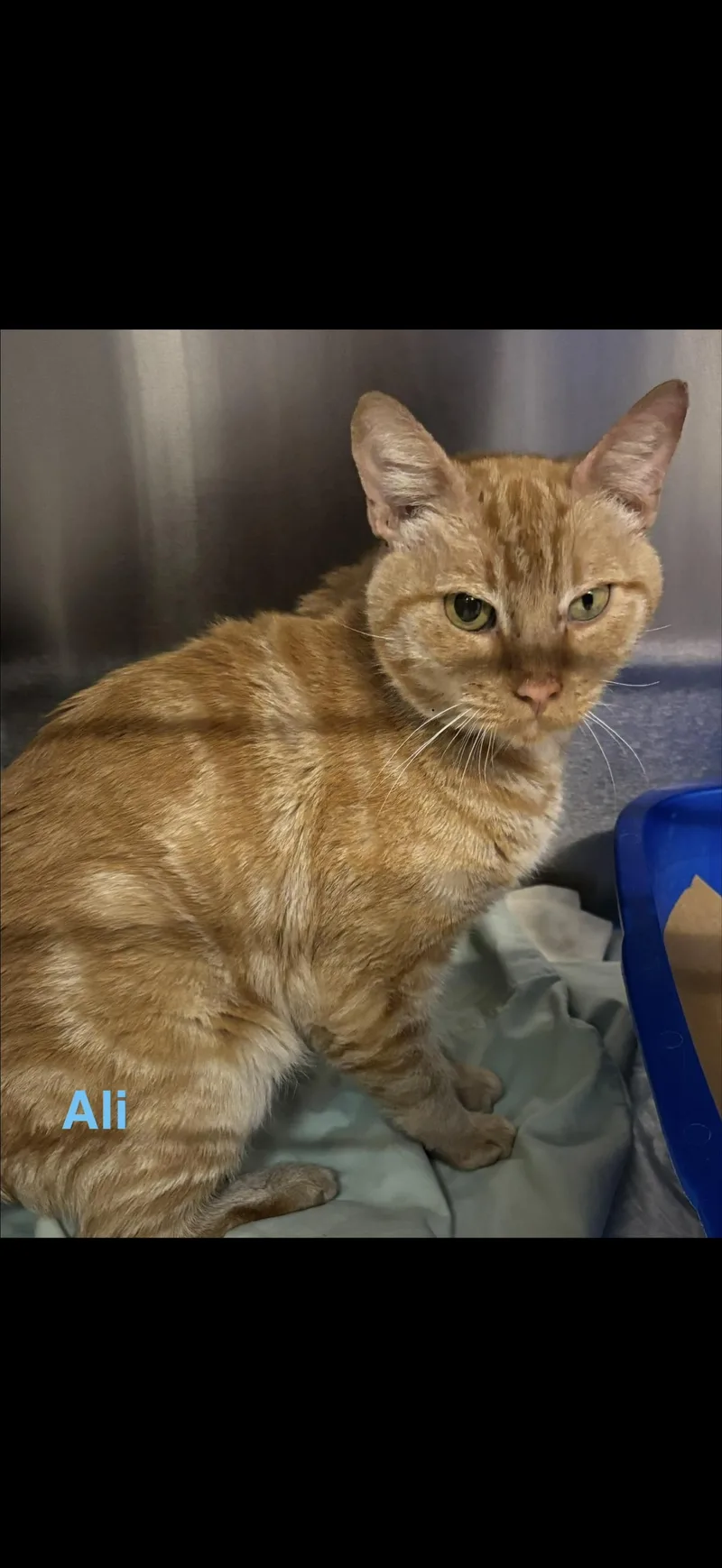
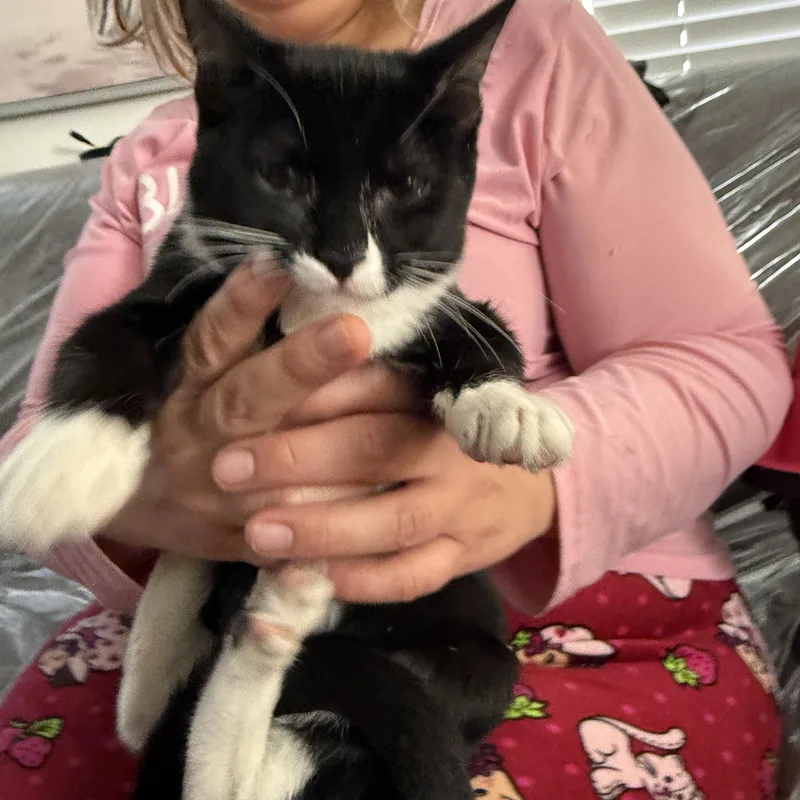
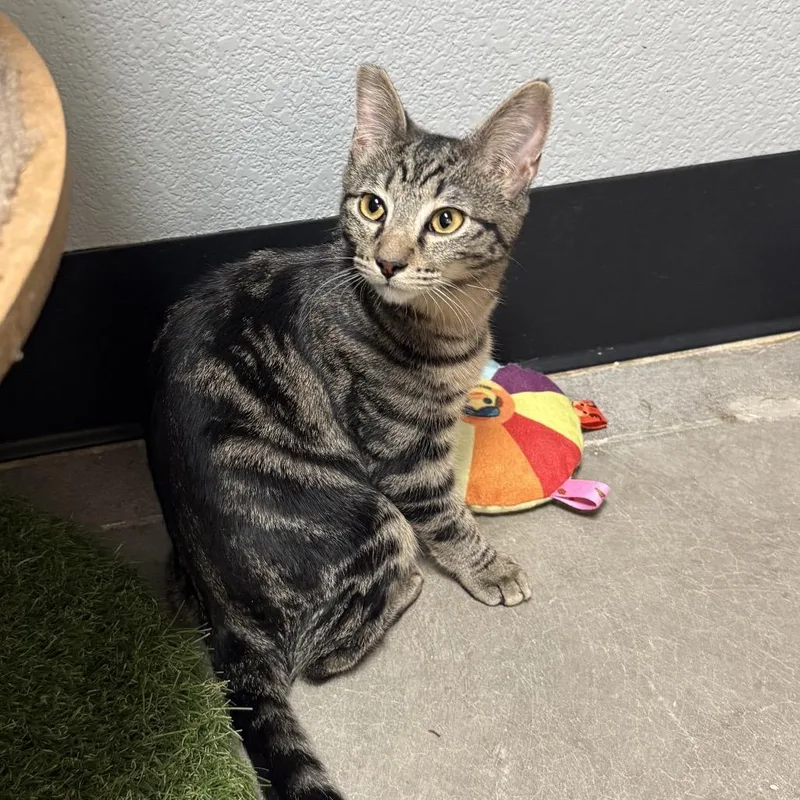
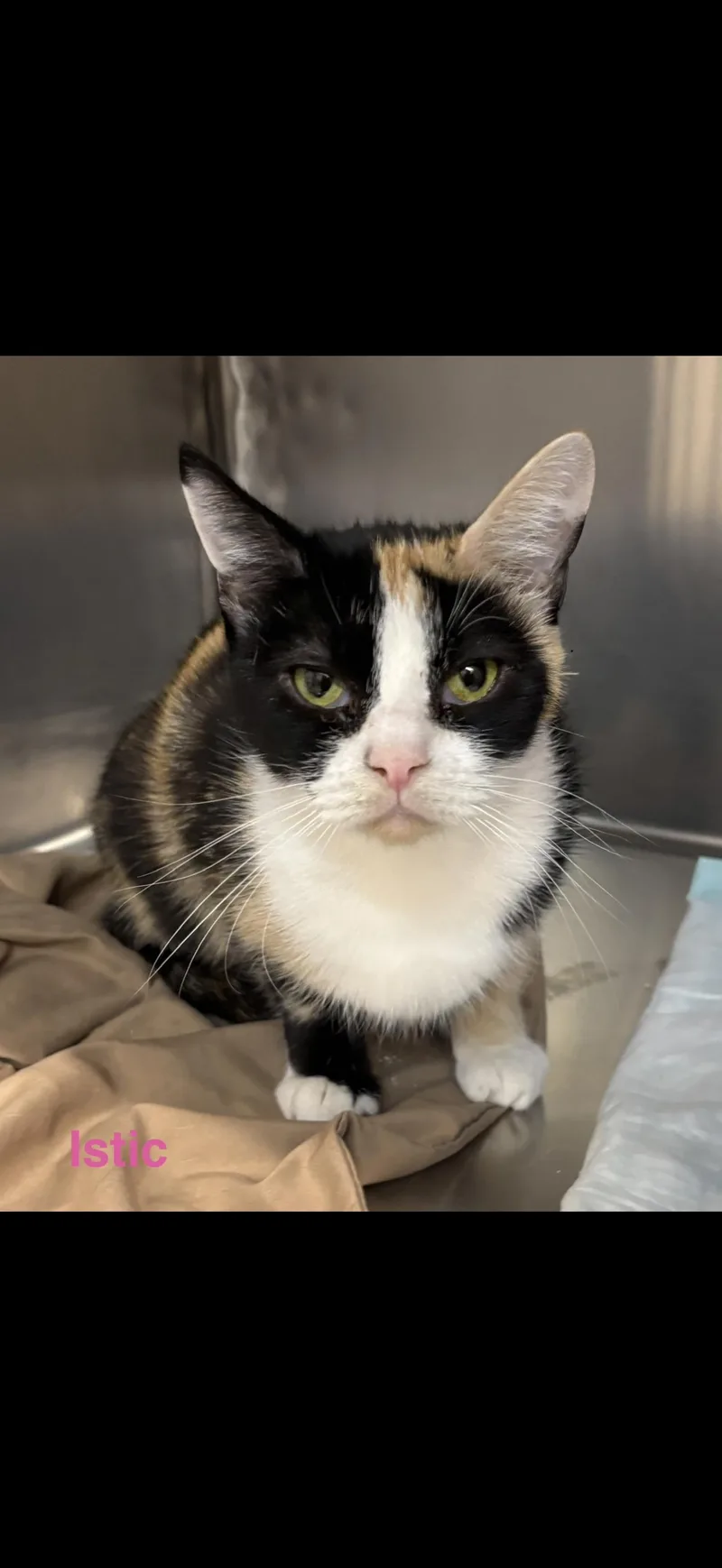
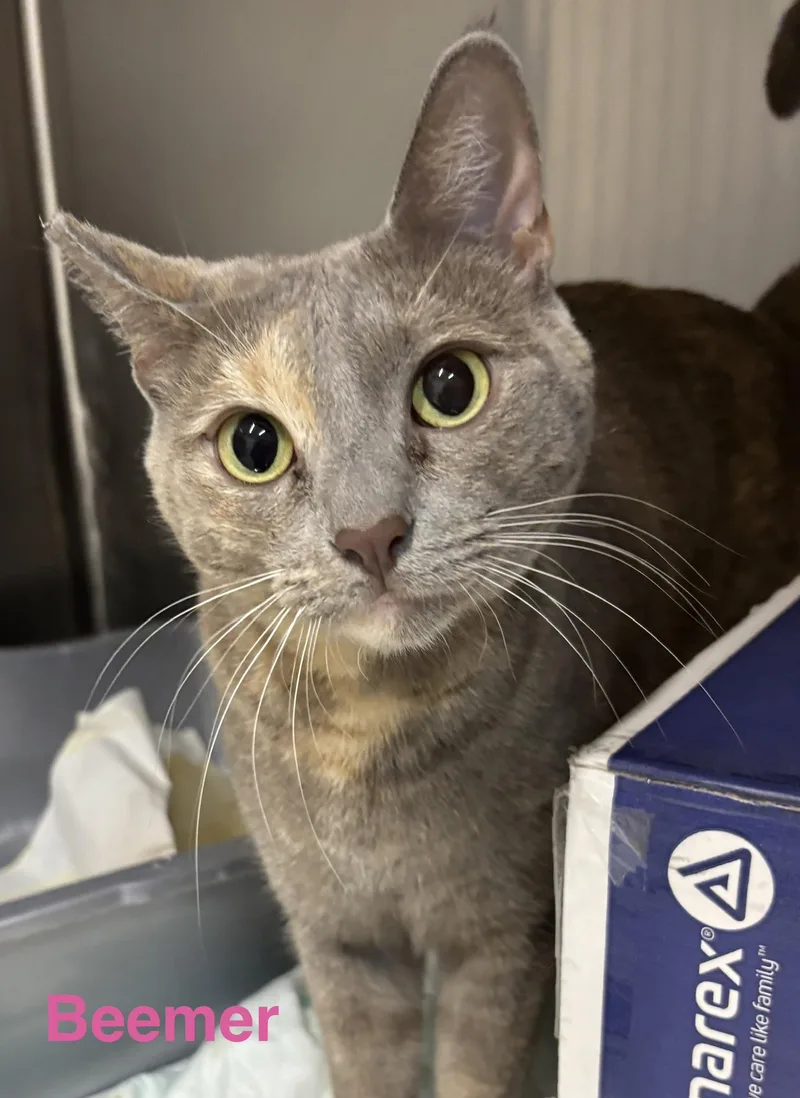
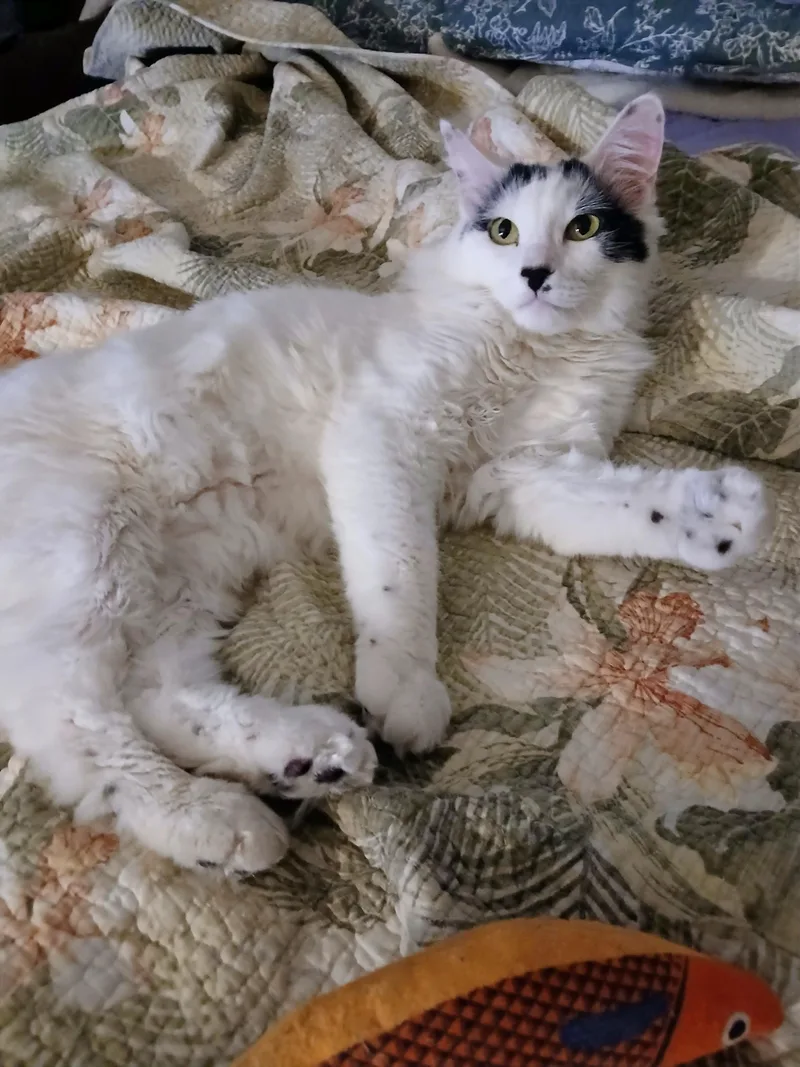
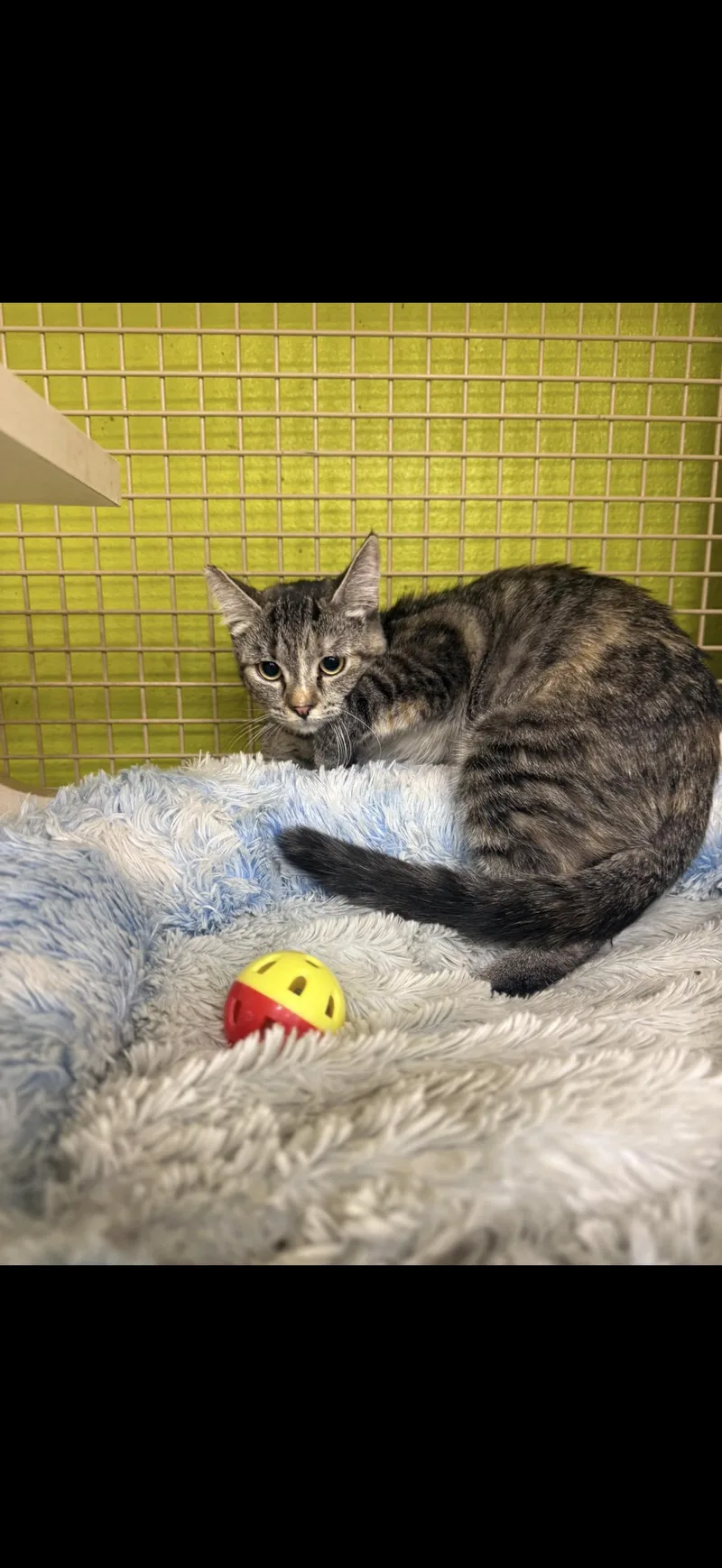
Havanas and Similar Breeds Available for Adoption Near Las Vegas

About the Havana breed

The Havana, called the Havana Brown by some registries, was developed in Britain in the 1950s from chocolate-carrying Siamese cats and black domestic shorthairs. The look is unmistakable: a glossy chocolate coat, brown whiskers, green eyes, large forward-tilted ears and a squared-off muzzle on a moderate, muscular body of about 6 to 10 pounds.

Havanas are curious, people-focused cats that like to help with whatever's going on, sometimes patting at things with a paw. Many chat in a softer voice than a Siamese. The breed is rare, so in Las Vegas you're more likely to meet brown shorthaired cats or Havana mixes, and each cat has a personality of its own. The short, low-shedding coat keeps day-to-day care simple.

Weight
6–10 lbs
Height
9–11 in
Lifespan
10–15 yrs
Temperament
Social, Curious, Affectionate, Playful
Shedding
Low

Owning a Havana in Las Vegas

Having a Havana in Vegas

A Havana pairs a sleek, low-maintenance coat with a strong wish to be involved in family life. In Vegas, that mostly means keeping this social cat busy and comfortable indoors, where air conditioning handles the summers.

Temperament

Havanas are often affectionate and interactive, following people from room to room and greeting guests with interest. Many get along with considerate children and calm dogs. Because they're so people-oriented, some get lonely during long days alone. Cats vary, so spend time watching how a cat behaves around people before you decide.

Exercise Needs

Most Havanas are moderately active and enjoy wand toys, balls and anything they can bat with a paw. Two or three short play sessions a day, plus puzzle feeders and a tall perch, work better than one long one. Indoors in Vegas, play is your cat's main exercise, so plan it for cooler mornings and evenings.

Health Considerations

Havanas have no well-documented breed-specific genetic disease, though gum inflammation may be somewhat more common. Tooth brushing, yearly dental checks and regular wellness exams are worthwhile. Because the breed is rare and health records are limited, a veterinarian can check a newly adopted cat's teeth, weight and overall health and suggest any screening.

Living Space

A Havana can live happily in a Vegas apartment, condo or house, since companionship and enrichment matter more than square footage. Window perches, a cat tree and a few hiding spots help. Draw the blinds on hot afternoons so a sunny perch doesn't get too warm, and plan for company if you're away much of the day.

What it costs to own a Havana in Las Vegas

ExpenseTypical costPer year
Food$25 to $50 per month$300 to $600
Pet insurance$25 to $50 per month$300 to $600
Routine vet care$150 to $350 per year$150 to $350
Other*$460 to $1,160 per year$460 to $1,160
Estimated yearly total (after year one)$1,210 to $2,710

Other costs are estimates and vary with size, age and health.

* The $10 Las Vegas cat license for a spayed or neutered cat, litter, flea prevention, a dental cleaning allowance, toys, scratchers and other supplies, and minimal home grooming.

Adopt a Havana in Las Vegas.

Now that you know more, let’s find you a new best friend. These rescues and shelters below have cats available in and near Las Vegas.

Frequently Asked Questions

Yes, as long as a Havana lives indoors with air conditioning. Summer highs average about 102°F, and 100°F days are common from May into September. Provide fresh water in several spots, block direct afternoon sun, and play early or late. Never leave a cat in a parked car; in Nevada that's a misdemeanor when extreme heat poses a risk.

Sometimes. RTC buses allow pets only in a covered, secured carrier, and only when there's open space. If a pet needs its own seat, full adult fare is charged, so a carrier small enough to hold on your lap helps. Service animals ride free. Las Vegas has no subway, so buses are the main option.

Yes. Nevada bars breed-specific rules, so nothing restricts Havanas. The city requires cats over four months to be licensed (the fee is $10 for a spayed or neutered cat), microchipped and vaccinated against rabies, and cats must be sterilized by four months unless exempt. A household may keep up to six cats.

Yes. A Havana cares more about company and enrichment than space, so an apartment or condo works well. Offer window perches and a tall cat tree, and schedule play sessions, since a bored or lonely Havana may get vocal or destructive. Pet deposits, pet rent and rules vary by building, so read the lease first.

Often, for people who are home part of the day and keep their cat indoors. Havanas are social and curious, and they do well in an air-conditioned home. They may struggle with long days alone. Because the breed is rare, many cats you'll meet are brown shorthairs or Havana mixes, so judge each cat by its own personality.

Very little. The short, low-shedding coat needs a weekly brush or rub with a soft glove to stay glossy. Dry desert air can make some cats' skin flaky, so skip frequent baths. Nail trims and dental care matter more, and any occasional professional grooming fits within the Other costs listed above.

A Havana cat, also called the Havana Brown, is a rare shorthaired breed developed in Britain in the 1950s from Siamese and black domestic cats. It is recognized by its rich chocolate-brown coat, brown whiskers, green eyes and distinctive muzzle. Havanas tend to be social, curious and people-focused, and few are available, so brown shorthaired mixes are more common in shelters.

Expect roughly $25 to $50 a month for food and $25 to $50 a month for optional insurance, $150 to $350 a year for routine vet care, and $460 to $1,160 a year for other costs such as litter, dental care, flea prevention and the city license. Together that's about $1,200 to $2,700 a year.