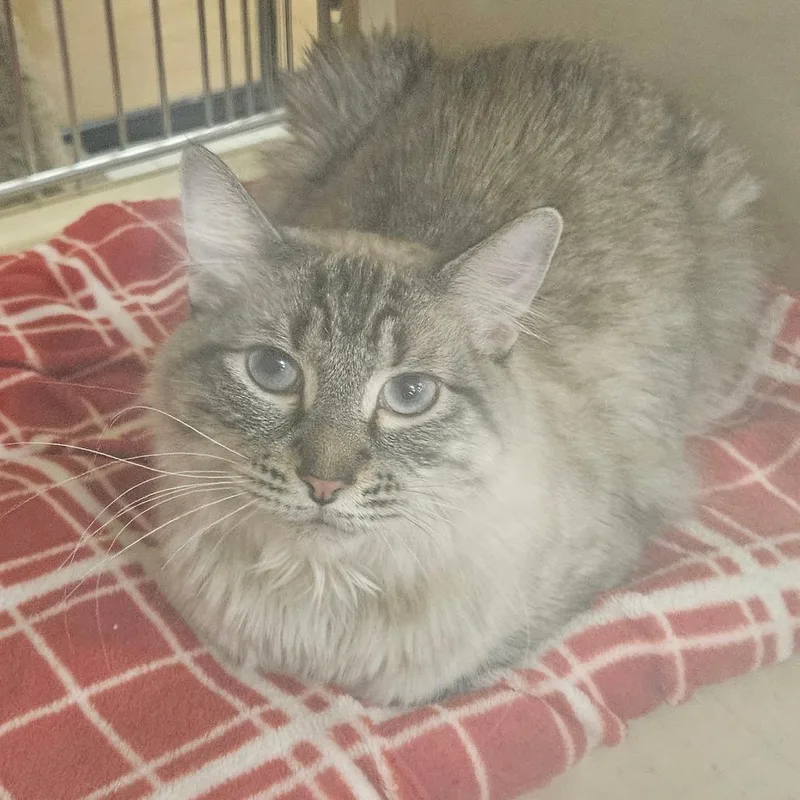
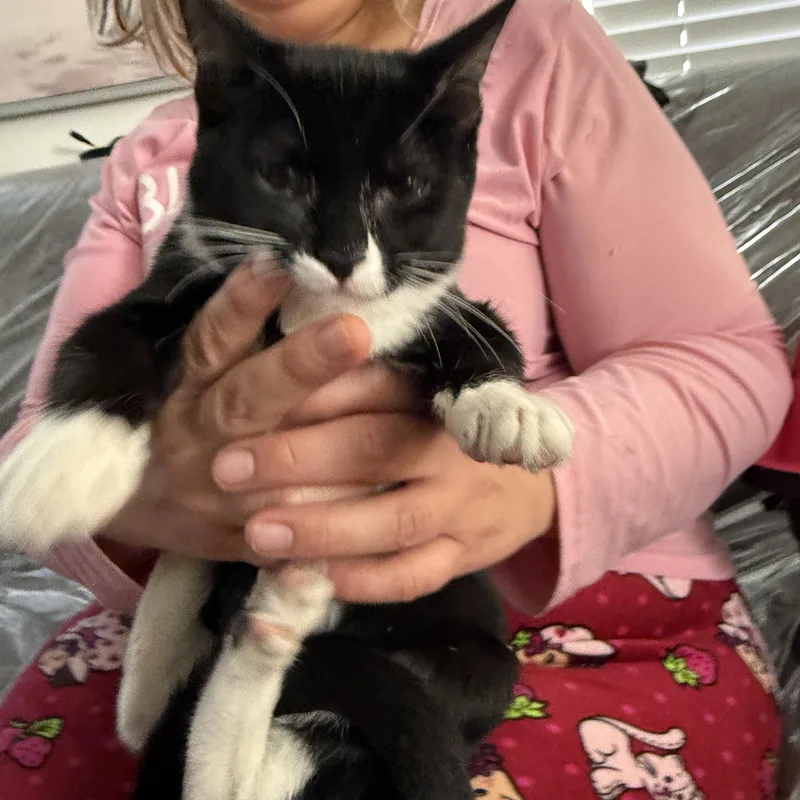
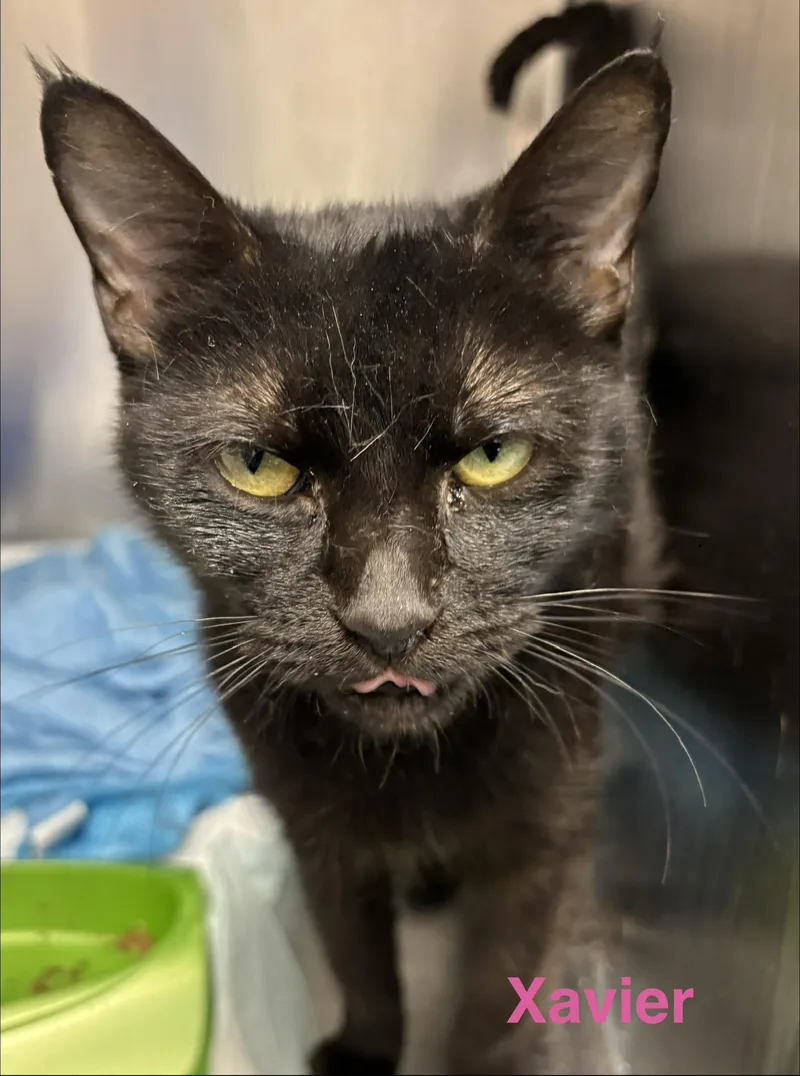
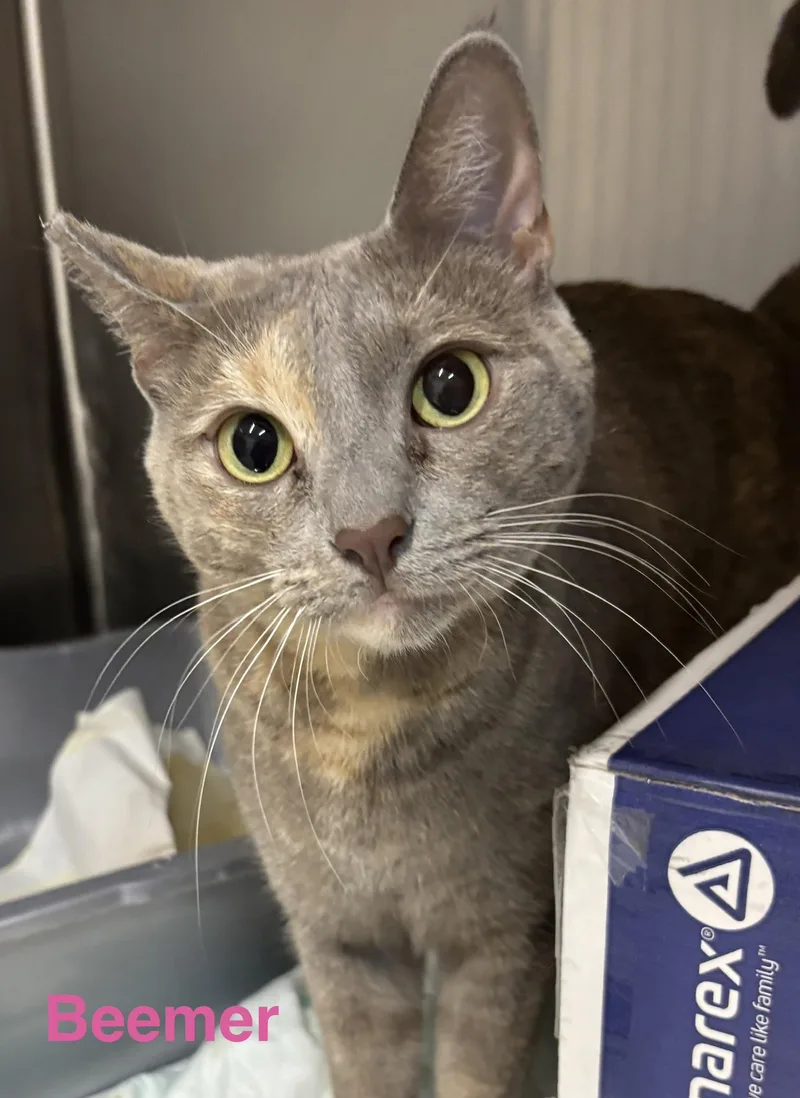
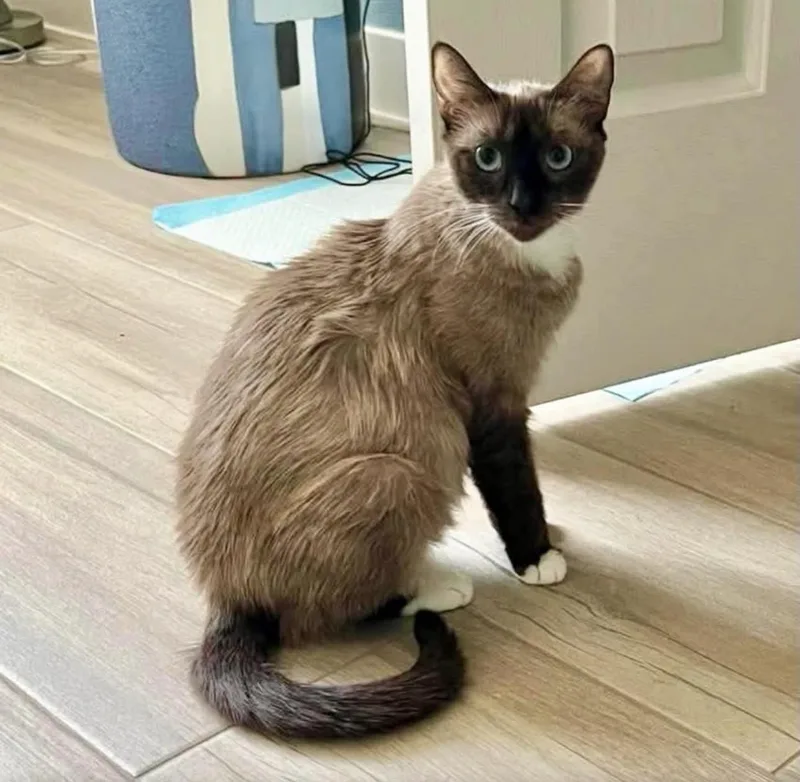
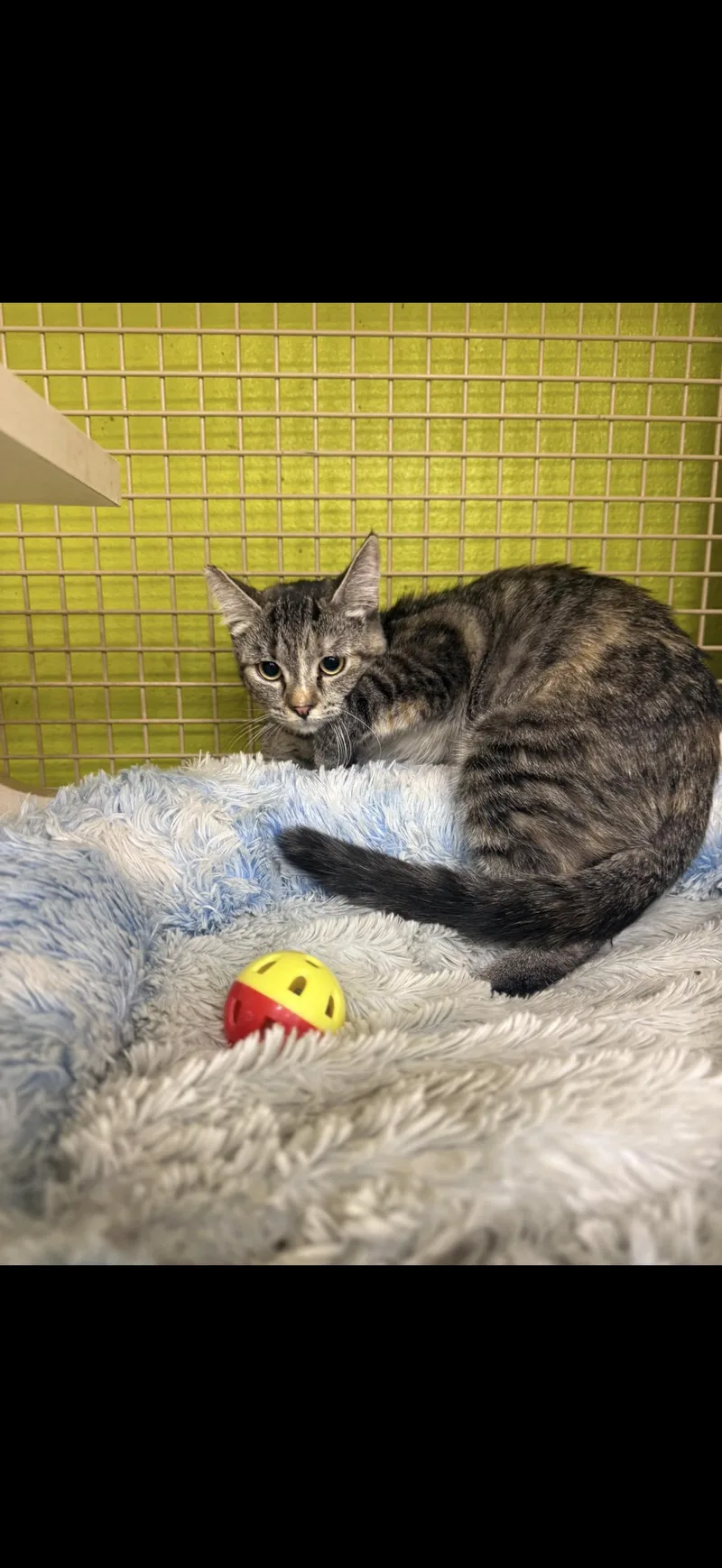
Extra-Toes Cat / Hemingway Polydactyls for Adoption in Las Vegas, NV

Your guide to finding and caring for an Extra-Toes Cat / Hemingway Polydactyl in Vegas

An extra-toed cat suits Las Vegas condo and loft life well, because nearly all the care happens indoors. In the Arts District or around The Lakes, a cat with a window perch and a tall scratching post has plenty to watch. The big paws mostly mean a bit of nail trimming, not a certain personality, so these cats vary as much as any domestic cat. Staying inside also keeps them away from coyotes and hot summer pavement.

194 Extra-Toes Cat / Hemingway Polydactyls available in Las Vegas and nationwide

Adopt a Polydactyl cat today

While we don't have enough cats near Las Vegas, keep in mind that many rescues may offer transport.

Extra-Toes Cat / Hemingway Polydactyls Available for Adoption Near Las Vegas

About the Extra-Toes Cat / Hemingway Polydactyl breed

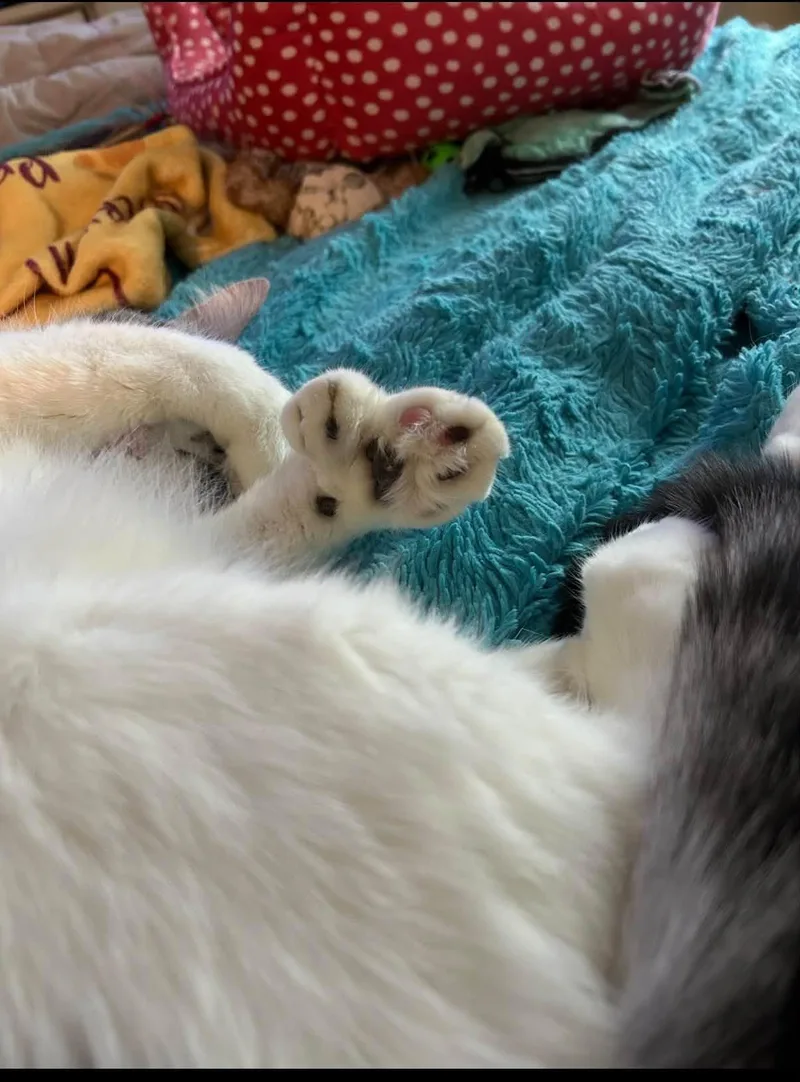
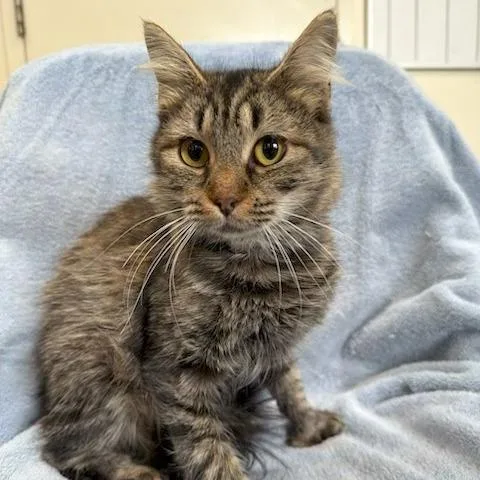
An extra-toes cat isn't a breed. It's any cat born with polydactyly, a harmless genetic variation that adds toes to one or more paws. Most are domestic shorthairs or longhairs, usually weighing 6 to 15 pounds, so coats, sizes and personalities run the full range. The Hemingway nickname comes from the writer's six-toed cat, Snow White.

The main care difference is the claws. Extra nails may not wear down on their own and can curl into the paw pads, so plan on regular checks and trims. In Vegas, where most cats live indoors year-round, a sturdy scratching post, a weekly brush and a cool, quiet place to rest cover most of what these cats need. Shedding is moderate and depends on the coat.

Weight
6–15 lbs
Height
8–10 in
Lifespan
12–18 yrs
Temperament
Adaptable, Curious, Affectionate
Shedding
Moderate

Owning an Extra-Toes Cat / Hemingway Polydactyl in Las Vegas

Having an Extra-Toes Cat / Hemingway Polydactyl in Vegas

Extra toes make for charming, oversized paws, but they don't set a cat's personality or health. What matters most to an adopter is the cat's age, coat and background, plus a little extra attention to claw care.

Temperament

Polydactyl cats range from bold, chatty companions to shy ones who warm up slowly, just like other domestic cats. A curious, adaptable cat usually settles into a Vegas apartment or condo happily with window views and play. Stories about extra friendliness are charming but unproven, so judge the cat, not the toes.

Exercise Needs

Plan on daily play with wand toys, balls and puzzle feeders, since many extra-toed cats are agile climbers. Because Las Vegas summers keep cats indoors for months, tall cat trees and a couple of short play sessions each day burn energy safely. Kittens and young adults want more play than seniors.

Health Considerations

The common form of polydactyly usually causes no problems, but extra claws can grow into the paw pads, so check them often. Otherwise watch for dental disease, obesity and kidney disease. Desert air can mean a cat drinks less, so a water fountain and wet food help, and a vet can check any limping or swollen toes.

Living Space

Extra-toed cats do fine in a Las Vegas condo, townhome or house. Give them vertical space, sturdy scratching posts that help keep extra claws in shape, hiding spots and clean litter boxes. Keep them indoors or in a secure enclosure, and screen windows and balcony doors to prevent falls.

What it costs to own an Extra-Toes Cat / Hemingway Polydactyl in Las Vegas

ExpenseTypical costPer year
Food$25 to $50 per month$300 to $600
Pet insurance$20 to $45 per month$240 to $540
Routine vet care$150 to $350 per year$150 to $350
Other*$460 to $1,160 per year$460 to $1,160
Estimated yearly total (after year one)$1,150 to $2,650

Other costs are estimates and vary with size, age and health.

* The $10 Las Vegas cat license for a spayed or neutered cat, litter, flea prevention, a dental cleaning allowance, toys and scratching posts, and home grooming and claw trims.

Adopt an Extra-Toes Cat / Hemingway Polydactyl in Las Vegas.

Now that you know more, let’s find you a new best friend. These rescues and shelters below have cats available in and near Las Vegas.

Frequently Asked Questions

Yes, indoor extra-toed cats handle Vegas summers well when the home stays cool. About 78 days a year reach 100°F, so run the air conditioning and keep water out in several spots. Extra toes don't change heat tolerance. Coat and age matter more, so thick-coated and senior cats need extra attention to shade and hydration.

Yes. Nevada law bars breed-based restrictions, and polydactyly is a trait rather than a breed, so extra toes don't affect whether you can keep one. What counts is your household: the city allows up to six cats per residence, and your lease may set its own pet terms.

Yes. Extra-toed cats adapt to apartments like any domestic cat, and staying indoors suits the desert heat. Provide a cat tree, scratching posts that help keep the extra claws in shape, and secure screens on windows and balcony doors. Choose a unit with reliable air conditioning, since summer apartments can heat up quickly.

Yes, in a carrier. RTC buses allow pets that aren't service animals only in a covered, secured cage and only when there's open space. If a pet needs its own seat, full adult fare is charged. Check current fares with RTC. Las Vegas has no subway.

Most need a weekly brush, more for long coats, plus claw trims every few weeks. Shedding tends to rise in spring. Air conditioning, not a trim, keeps a cat cool in summer. Home grooming and trims fall under the yearly Other costs, so a professional groomer is mainly worth considering for a long coat that mats.

No. Southern Nevada health rules let restaurants host only dogs, and only on patios reachable without passing through the dining room. Cats and other pets are prohibited both outdoors and indoors. On hot days your cat is better off at home in the air conditioning.

A cat normally has 18 toes: five on each front paw and four on each back paw. The fifth front toe is the dewclaw, set higher on the inside of the leg like a thumb, so it doesn't touch the ground when the cat walks. Polydactyl cats have more than 18, most often an extra one or two per front paw.

Cats don't have true thumbs. The dewclaw on each front paw sits in a similar position to a human thumb and helps a cat grip prey and climb, but it isn't opposable. Some polydactyl cats have extra toes on the inner side of the paw that look like a thumb, which is where the nickname thumb cat comes from.

A polydactyl cat is a cat born with more than the usual number of toes on one or more paws. It is a genetic trait, not a breed, and it can appear in any cat, though most are domestic shorthairs or longhairs. The common form is harmless and is passed down by a dominant gene.

Expect roughly $300 to $600 a year for food, $240 to $540 for insurance, $150 to $350 for routine vet care and $460 to $1,160 for everything else, including litter. That puts a typical year at about $1,150 to $2,650, or roughly $95 to $220 a month, depending on the cat's size, coat and age.