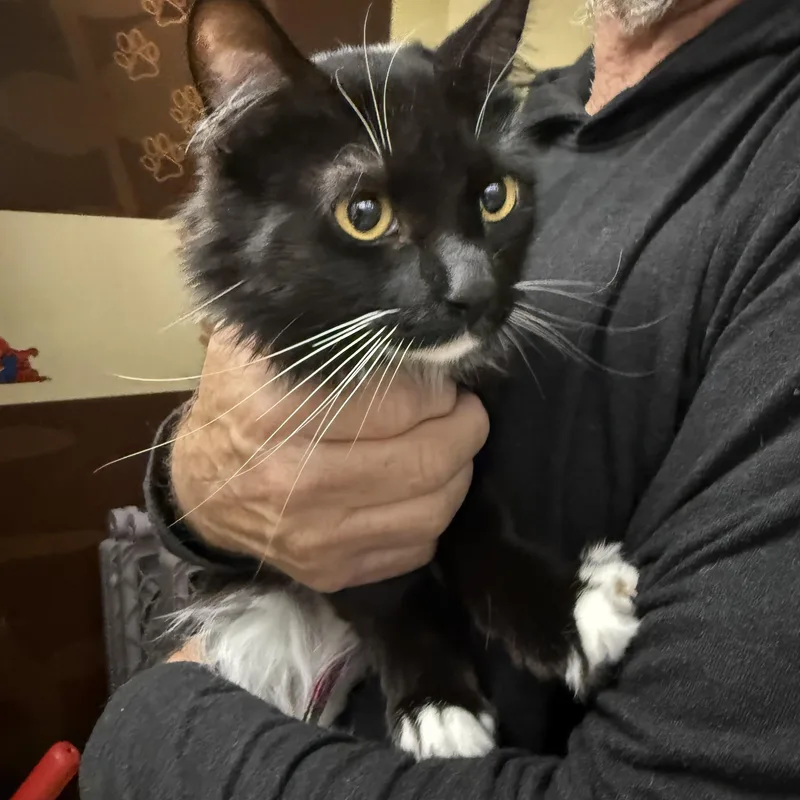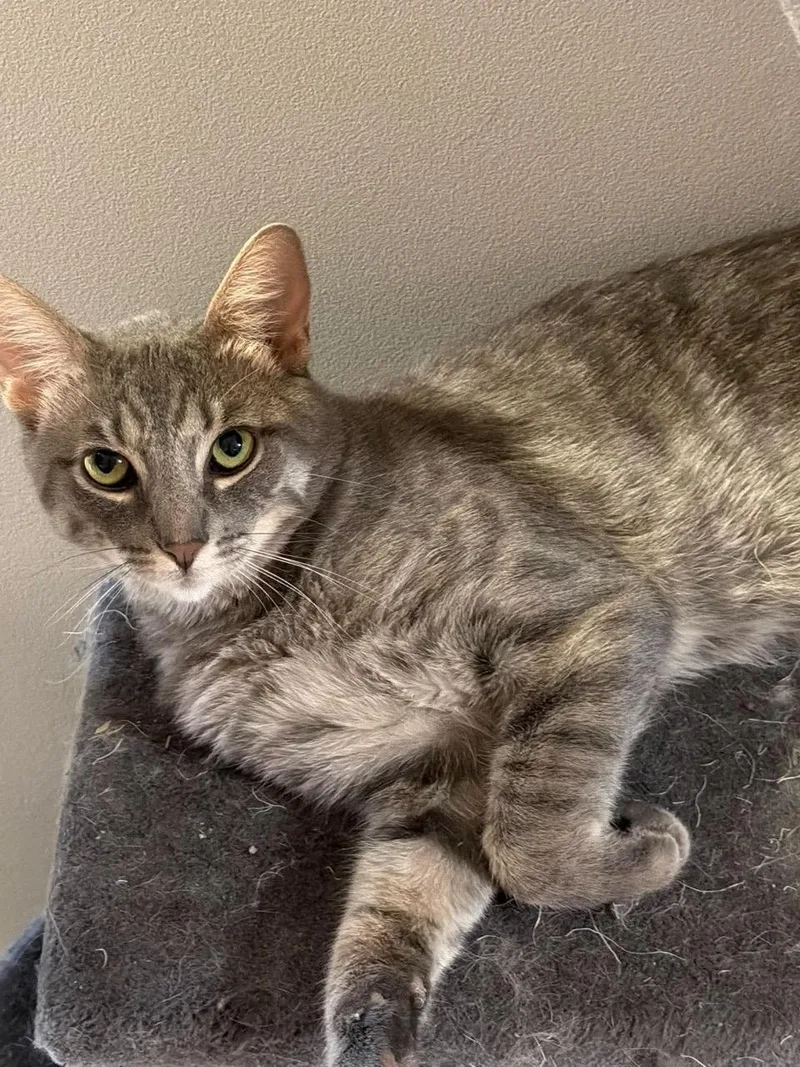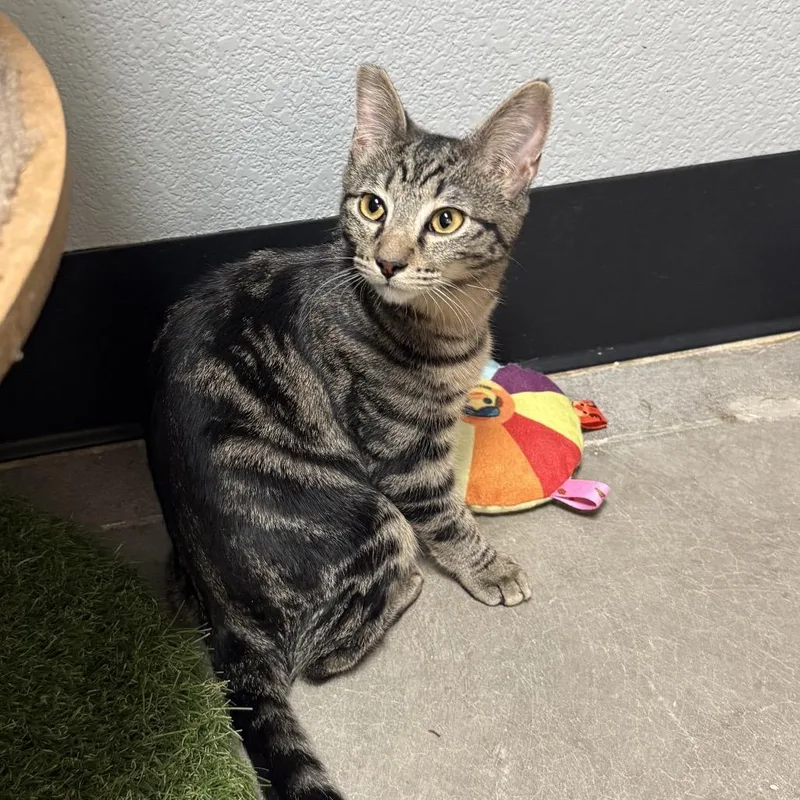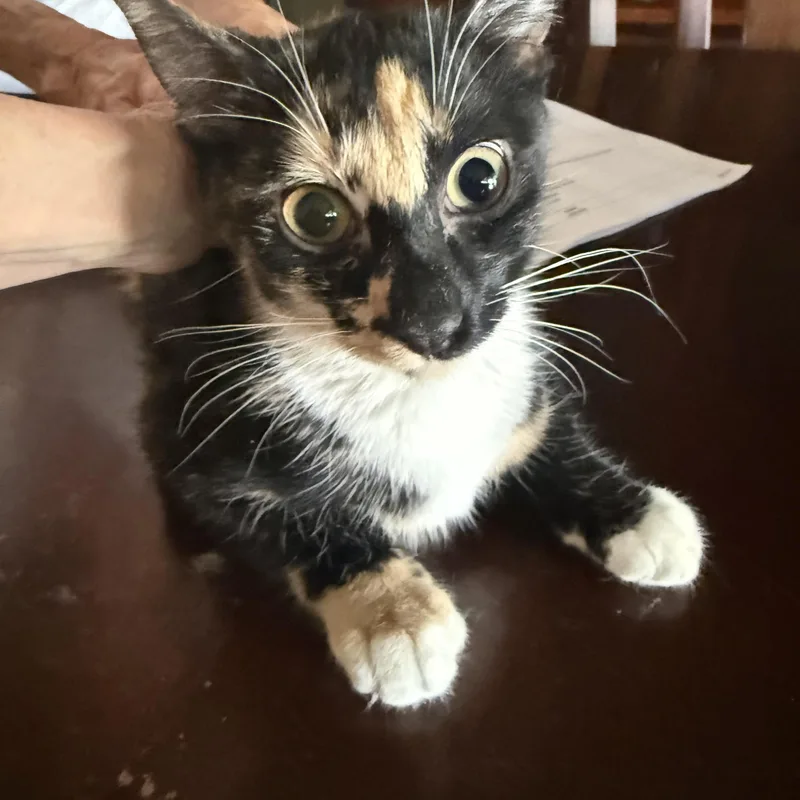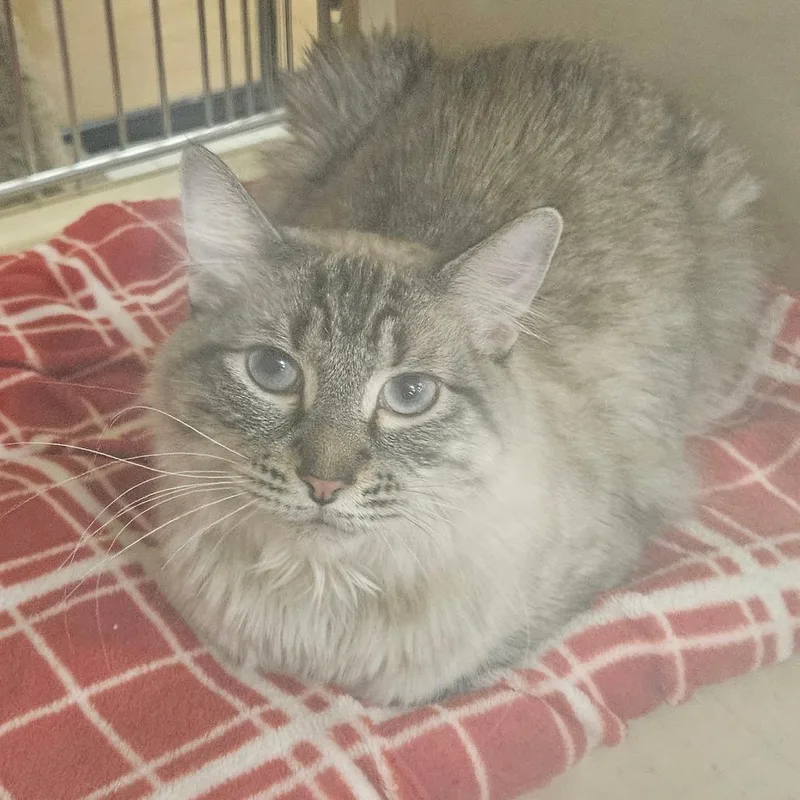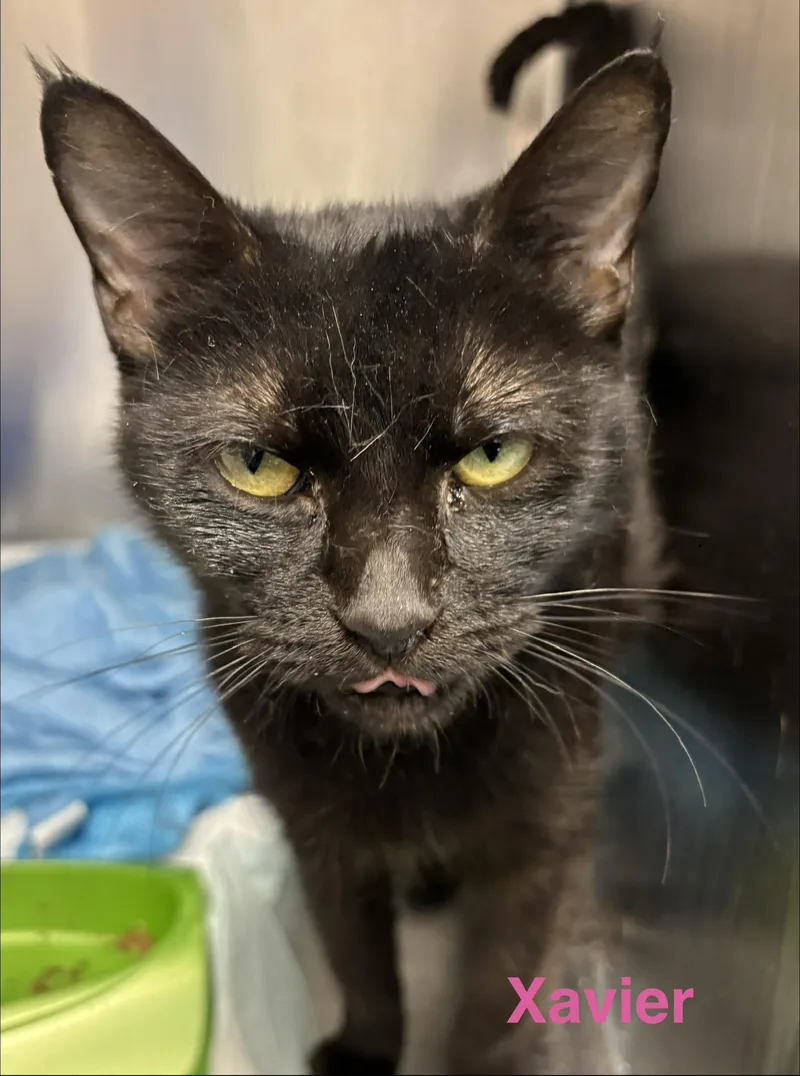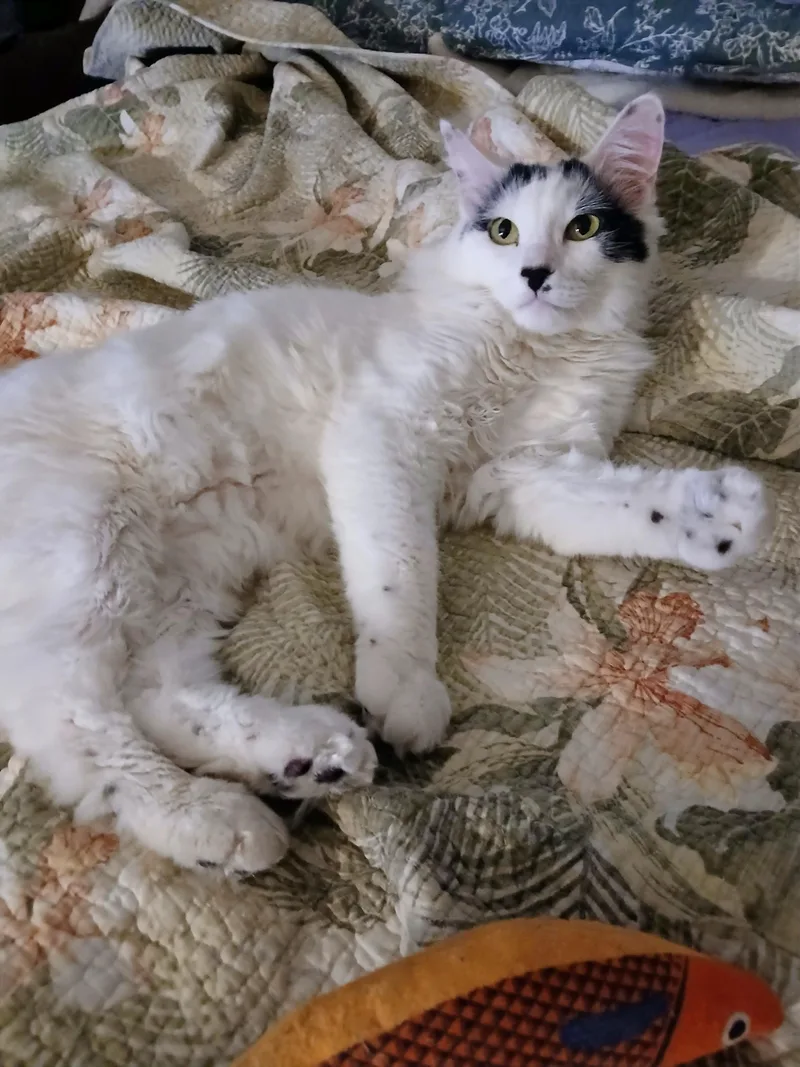
Domestic Short Hair Cats for Adoption in Las Vegas, NV

Your guide to finding and caring for a Domestic Short Hair in Vegas

A Domestic Short Hair suits a Las Vegas loft or condo as well as a house with a yard. Picture an Arts District warehouse conversion or a condo near The Lakes: these cats do fine in modest square footage if they have a window perch, a scratching post and a little play every day. Most Vegas cats end up indoor cats anyway, since summer afternoons run past 100°F. And because Domestic Short Hair is a coat type, not a breed, no two personalities are quite alike.

211 Domestic Short Hairs available for adoption in Las Vegas

Find your Domestic Short Hair

Domestic Short Hairs Available for Adoption in Las Vegas

About the Domestic Short Hair breed

Domestic Short Hair is the label for a short-coated cat of mixed or unknown ancestry, not a pedigreed breed. It's the most common kind of cat in American homes, and you'll often see it abbreviated DSH on adoption records. Coats come in every color and pattern, from tabby and tuxedo to calico and solid black, and most are medium-sized and sturdy.

Personality is where the variety shows. Some are lap cats, some are chatty, and some are happiest watching from a windowsill, so a cat's age, energy and comfort with handling tell you more than its coat. Short fur needs only a weekly brush, a little more during heavier shedding. For a cat that spends most of its time indoors in Las Vegas, play and a good window view go a long way.

Weight
6–14 lbs
Height
8–10 in
Lifespan
12–18 yrs
Temperament
Adaptable, Curious, Affectionate
Shedding
Moderate

Owning a Domestic Short Hair in Las Vegas

Having a Domestic Short Hair in Vegas

A DSH's coat is easy to care for, but nearly everything else varies from cat to cat. In Vegas, most live indoors with air conditioning, so enrichment and routine matter more than fur. Age, energy and sociability are the best clues to a good match.

Temperament

DSH cats range from outgoing lap cats to shy observers, and past experiences shape behavior more than coat. Many adapt to new homes, other cats and calm dogs with gradual introductions. Kittens tend to be bold and playful, while adults show settled personalities. A quiet Vegas apartment suits a cat that likes routine, and a busier household suits a social one.

Exercise Needs

Daily interactive play keeps indoor cats fit: wand toys, chase games and food puzzles. Young cats may want several short bursts a day, while seniors prefer gentler sessions. Because Vegas summer days are too hot for outdoor time, cat trees, window perches and evening play do the work. A cat that enjoys a harness can walk in the early morning or after sunset.

Health Considerations

Mixed ancestry may lower some inherited risks, but DSH cats still face obesity, dental disease, urinary problems and, later in life, kidney disease, hyperthyroidism and diabetes. Fresh water and some wet food help with hydration in the dry desert air. Schedule a vet exam soon after adoption, watch weight, and have the vet check teeth.

Living Space

DSH cats do well in Las Vegas condos, lofts and houses alike when they have climbing space, hiding spots, scratching posts and a clean litter box. Keep them indoors or in a secure enclosure, since coyotes live in valley neighborhoods. Screens on windows and balconies prevent falls, and a sunny perch should come with a shady spot to retreat to.

What it costs to own a Domestic Short Hair in Las Vegas

ExpenseTypical costPer year
Adoption fee$25 to $225, one time$25 to $225 in year one
Food$25 to $50 per month$300 to $600
Pet insurance$20 to $45 per month$240 to $540
Routine vet care$150 to $350 per year$150 to $350
Other*$460 to $1,160 per year$460 to $1,160
Estimated yearly total (after year one)$1,150 to $2,650
First-year total (with adoption fee)$1,175 to $2,875

Adoption fee is the range of fees on Domestic Short Hair listings in Las Vegas on GetBuddy today. Other costs are estimates and vary with size, age and health.

* The $10 Las Vegas license for a spayed or neutered cat, litter, flea prevention, a dental cleaning allowance, and toys, scratchers and other supplies.

Adopt a Domestic Short Hair in Las Vegas.

Now that you know more, let’s find you a new best friend. These rescues and shelters below currently have Domestic Short Hairs available.

Frequently Asked Questions

Yes. Cats over four months old need a city license and microchip in Las Vegas, plus rabies vaccination, and a residence can have up to six cats. Cats adopted from local shelters usually go home already spayed or neutered, vaccinated and microchipped, which covers much of the paperwork. Renters should confirm their building's pet policy first.

Yes. Domestic Short Hairs usually do well in apartments because they need enrichment more than square footage. A window perch, a tall cat tree and a screened window or balcony go a long way. Daily play helps burn energy, and a litter box placed away from noisy appliances keeps a smaller space comfortable.

Often, yes, especially for people who want an indoor companion. Summer afternoons are too hot for outdoor time anyway, and a Domestic Short Hair's adaptable nature suits indoor life. Each cat differs, so look at age, energy and sociability in the listings on this page: kittens want constant play, while many adults are calm and content.

Yes, as indoor cats. Summer highs around 102°F, with about 78 days a year at 100°F or more, are dangerous outdoors, but cats are comfortable in an air-conditioned home. Keep the cooling on when you're away, provide fresh water and shaded retreats, and never leave a cat in a parked car, which Nevada law prohibits in extreme heat.

Only in a carrier. RTC buses allow pets other than service animals only in a covered, secured cage, and only when there's open space. If the carrier needs its own seat, full adult fare applies. Service animals ride free. Las Vegas has no subway or light rail, and the Strip monorail's stated policy covers service animals only.

No. Southern Nevada health rules let restaurants admit dogs on outdoor patios under a signed agreement, but they prohibit other pets outdoors and all pets indoors. That means a Domestic Short Hair can't join you at the table. Cats are happiest at home in the air conditioning while you eat out.

Very little. A short coat usually needs a weekly brushing, a bit more during heavier shedding, plus occasional nail trims. Air-conditioned indoor living keeps shedding fairly steady through the year, so a quick brush helps with loose hair. Most owners groom at home, so grooming adds little to yearly costs beyond basic supplies.

Domestic shorthair cats typically live about 12 to 18 years, and many indoor cats reach their late teens or early twenties. Large UK veterinary studies have found mixed-breed cats tend to live slightly longer than pedigreed cats on average. Spaying or neutering, indoor living, a healthy weight, dental care and regular checkups all help a cat enjoy a longer life.

We have 11 rescues with Domestic Short Hairs available, including Hearts Alive Village Las Vegas, Rescued Treasures Cat Cafe by PALnv and Foreclosed Upon Pets, Inc. (FUPI). You can see every rescue with Domestic Short Hairs available in the list above these questions, or scroll to the top to see the Domestic Short Hairs in Las Vegas.

Expect roughly $1,150 to $2,650 a year for a DSH in Las Vegas, covering food ($25–$50 a month), pet insurance ($20–$45 a month), routine vet care ($150–$350 a year) and other costs ($460–$1,160 a year) such as litter, flea prevention and dental care. Actual costs depend on the cat's age, appetite and health, and emergency care is extra.