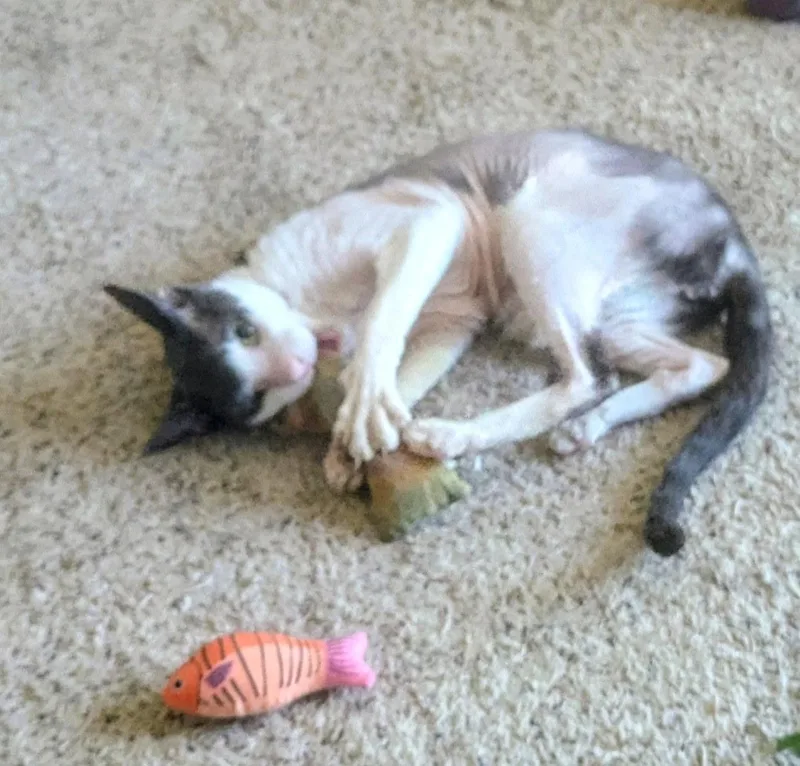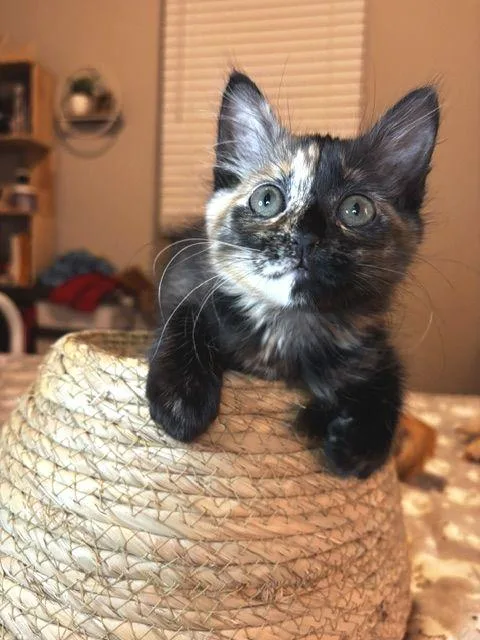
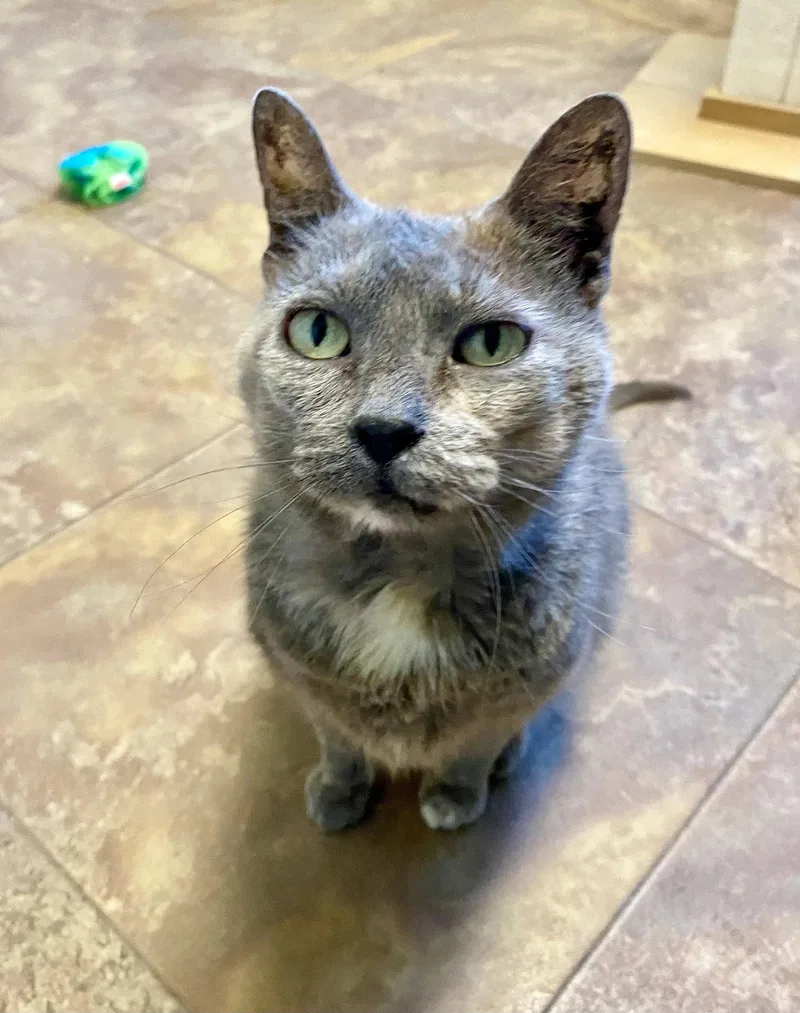
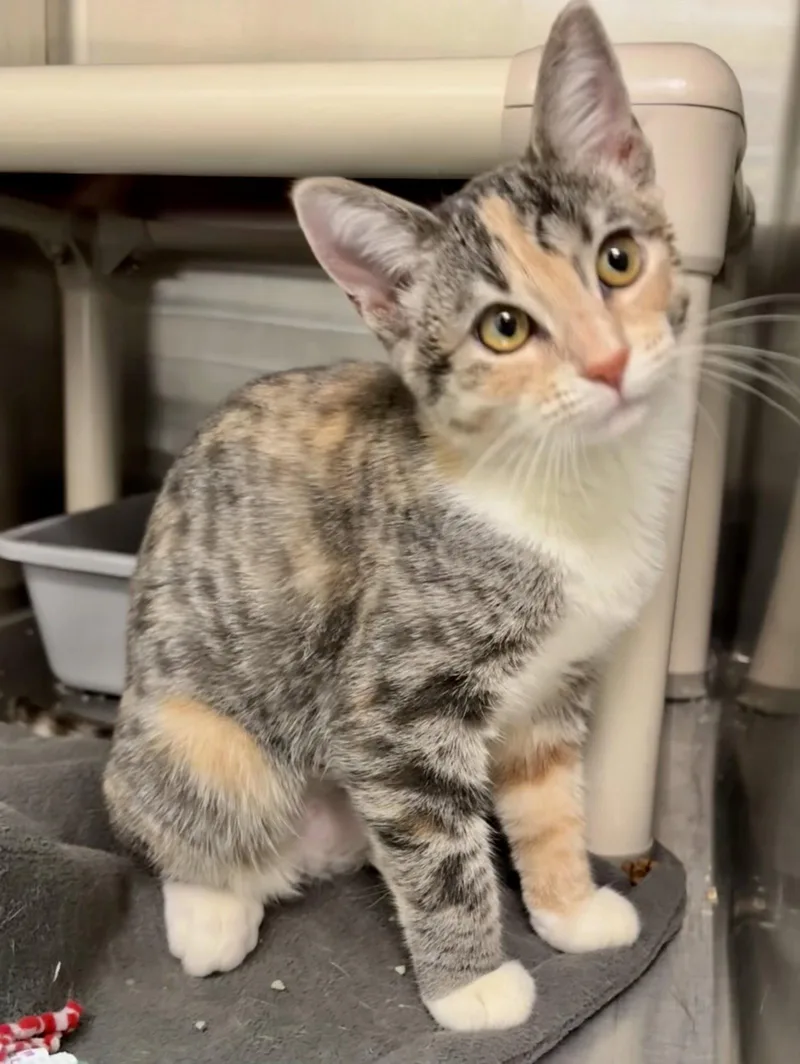
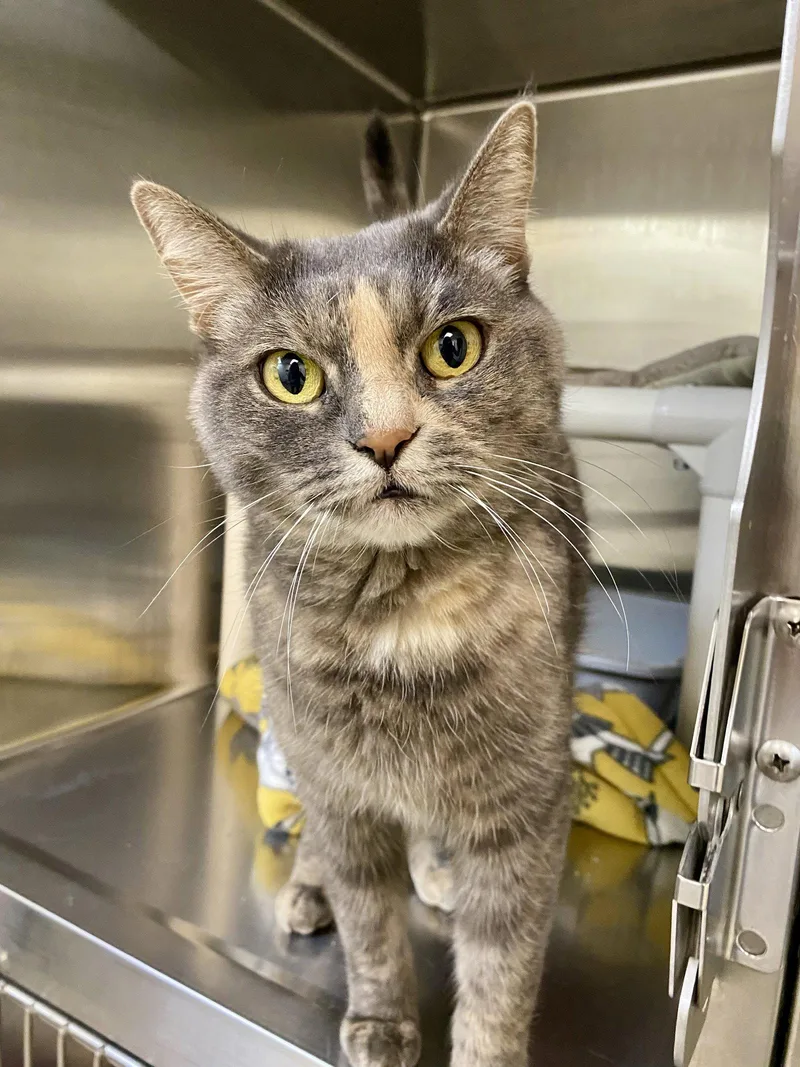
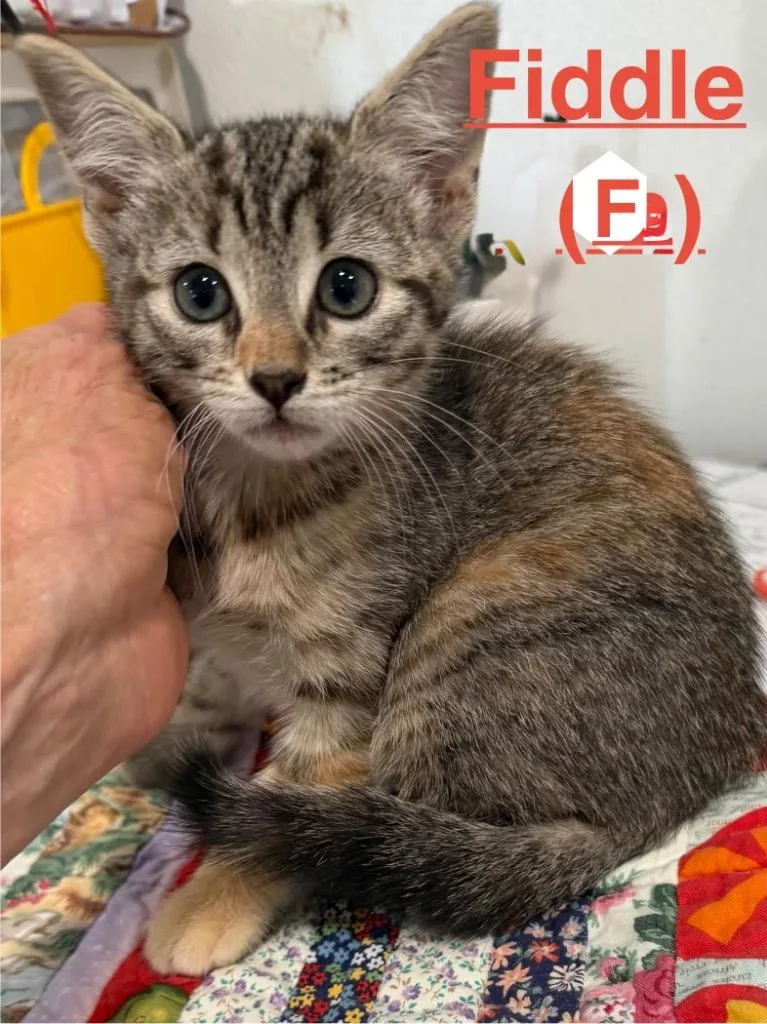
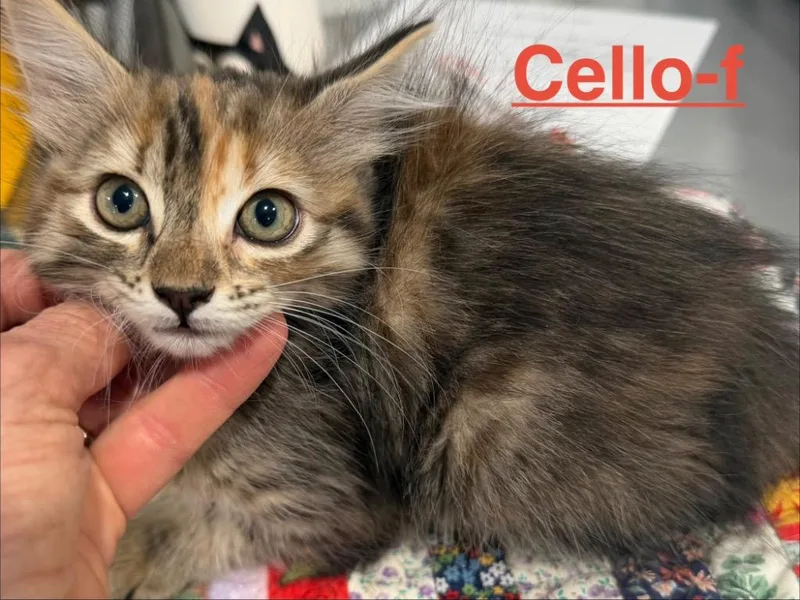
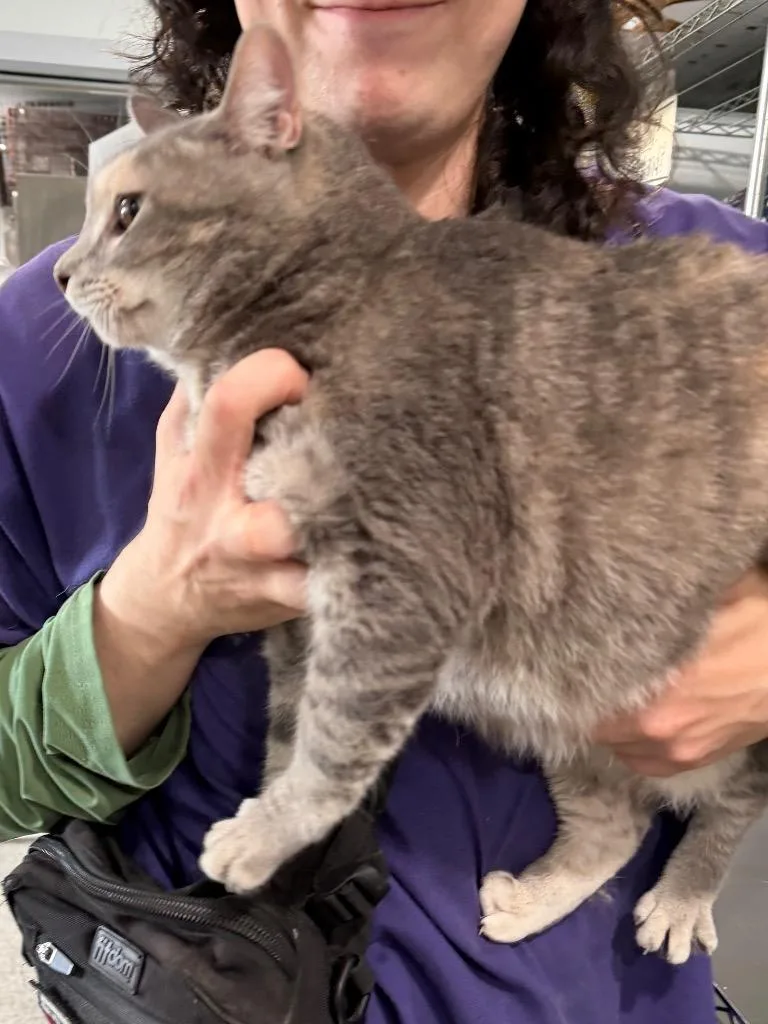
Tortoiseshell Cats for Adoption in Albuquerque, NM

Your guide to finding and caring for a Tortoiseshell in Albuquerque

A tortoiseshell cat fits easily into Albuquerque's older neighborhoods. In Wells Park, small 1920s–40s adobe and frame houses sit on a walkable grid, and a tortie can spend the day on a sunny windowsill watching the street. Keeping a tortie indoors matters here, since coyotes roam the city at night. Tortoiseshell is a coat pattern rather than a breed, so these cats range from shy to bold, and nearly all are female. Meeting the cat tells you more than the color does.

960 Tortoiseshells available in Albuquerque and nationwide

Your Tortoiseshell is waiting

While we don't have enough cats near Albuquerque, keep in mind that many rescues may offer transport.

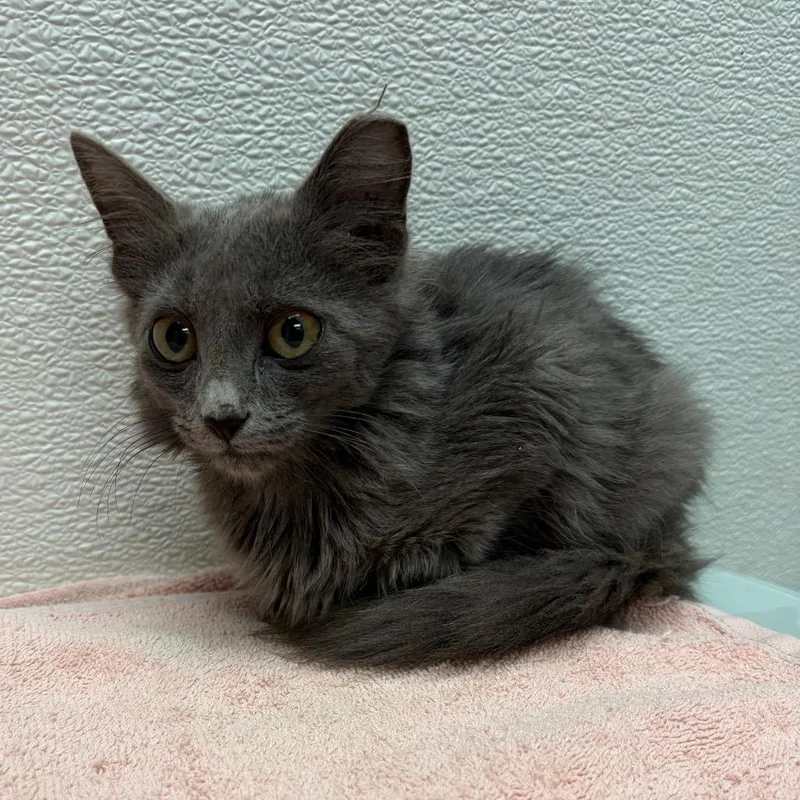
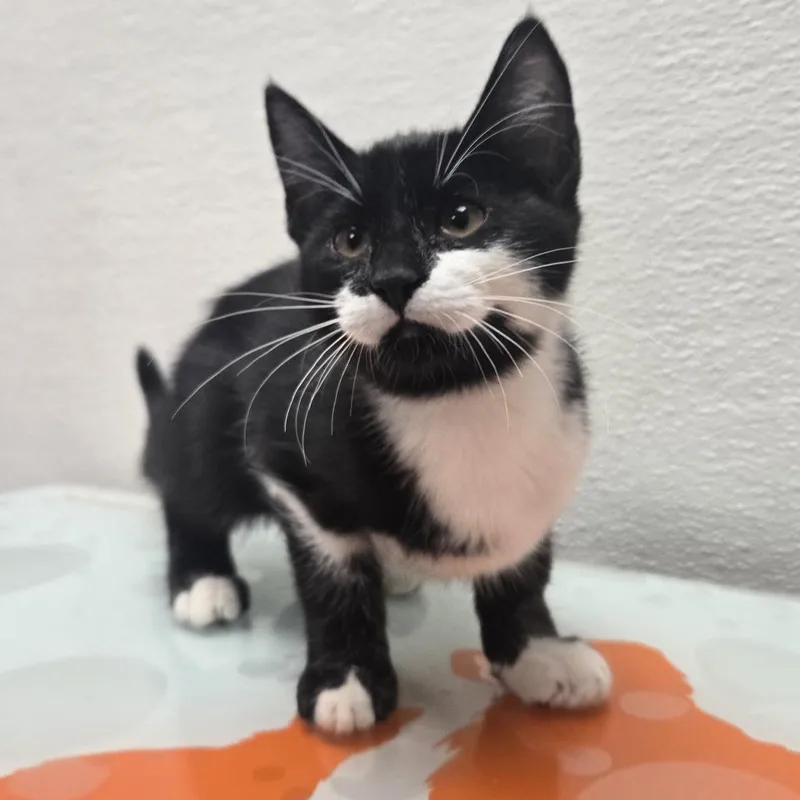
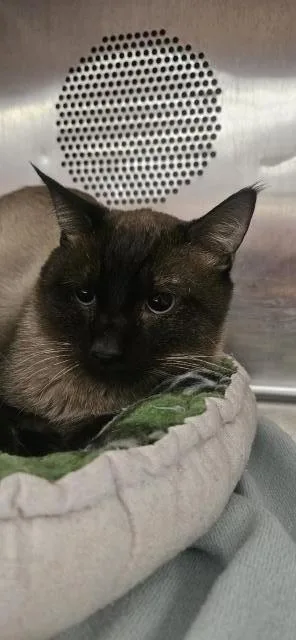
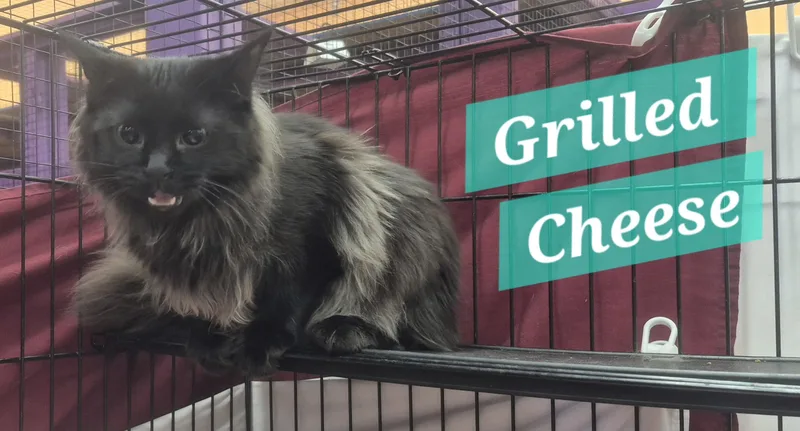
Tortoiseshells Available for Adoption Near Albuquerque

About the Tortoiseshell breed

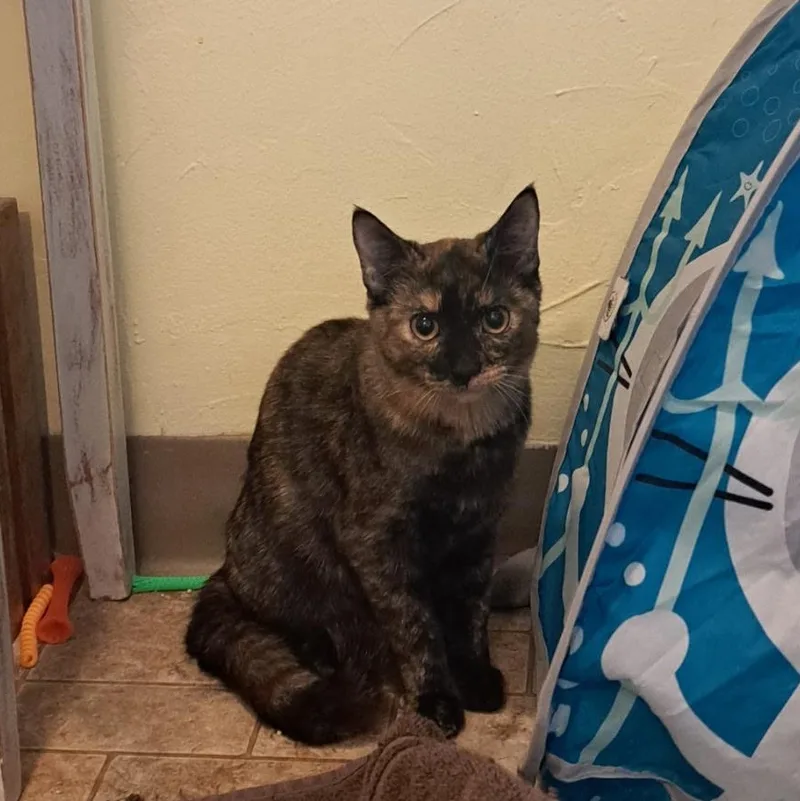
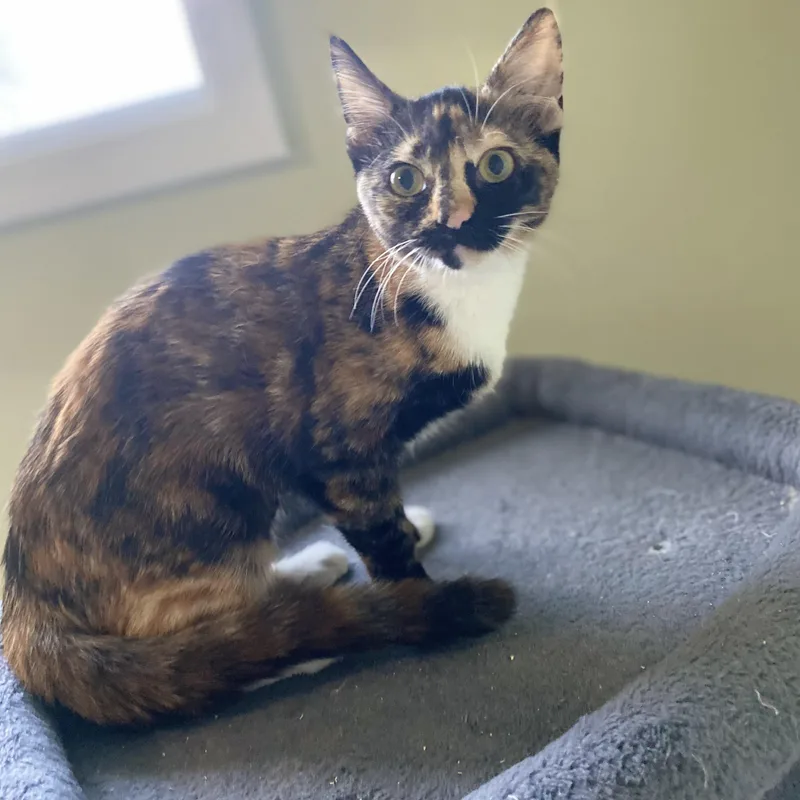
Tortoiseshell describes a coat, not a breed. Black-based and orange-based colors mix in patches or a fine blend, usually with little or no white, and dilute torties show soft gray and cream. Most are domestic shorthairs, though the pattern also appears in Persians, Maine Coons and many other breeds. Nearly all tortoiseshells are female.

Torties have a reputation for "tortitude," but evidence tying coat color to behavior is thin, so a cat's age, history and socialization count for more. In Albuquerque, daily life looks like it does for any cat: a safe indoor routine, daily play, a cool spot for hot afternoons and a warm bed for winter nights. Moderate shedding means a weekly brushing keeps most homes comfortable.

Weight
6–14 lbs
Height
8–10 in
Lifespan
12–18 yrs
Temperament
Independent, Affectionate, Playful
Shedding
Moderate

Owning a Tortoiseshell in Albuquerque

Having a Tortoiseshell in Albuquerque

Tortoiseshell is a coat pattern, not a personality, so these cards describe what holds for most torties in Albuquerque: moderate energy and shedding, no pattern-linked health risks, and an indoor routine that suits apartments and houses alike.

Temperament

Torties are often called spirited, but that "tortitude" reputation rests mostly on owner impressions. In Albuquerque homes, expect anything from shy to bold. A cat that likes watching the street from a window usually settles well in the city's apartments and bungalows, while a nervous one may prefer a quiet room. How the cat behaves with you in person says the most.
Exercise Needs

Daily play with wand toys, chase games and puzzle feeders covers most tortoiseshell cats, with more for young cats and gentler sessions for seniors. Albuquerque's big temperature swings make indoor play the reliable choice year-round, and a cat tree by a sunny window adds climbing. A harness-trained cat can try short outings, kept on a leash of eight feet or less on Open Space trails.

Health Considerations

The tortoiseshell pattern carries no particular health risks in females, while the rare males often have an extra X chromosome and may need added care. Otherwise health follows age and upbringing, so checkups, dental care and a healthy weight matter most. New Mexico requires a rabies vaccine for cats over three months, and keeping a tortie indoors avoids rattlesnakes and coyotes.

Living Space

Tortoiseshell cats do well in apartments and houses alike, from adobe bungalows to Downtown lofts and Westside subdivisions. Provide scratching posts, a cat tree and a sunny perch. A screened balcony or catio gives fresh air without the coyotes, which can see small pets as prey, especially at night.

What it costs to own a Tortoiseshell in Albuquerque

ExpenseTypical costPer year
Adoption fee$75, one time$75 in year one
Food$25 to $50 per month$300 to $600
Pet insurance$20 to $45 per month$240 to $540
Routine vet care$150 to $350 per year$150 to $350
Other*$450 to $1,150 per year$450 to $1,150
Estimated yearly total (after year one)$1,140 to $2,640
First-year total (with adoption fee)$1,215 to $2,715

Adoption fee is the fee on Tortoiseshell listings in Albuquerque on GetBuddy today. Other costs are estimates and vary with size, age and health.

* Litter, flea and parasite prevention, a dental cleaning allowance, toys and supplies, and home grooming; Albuquerque has no city pet license.

Adopt a Tortoiseshell in Albuquerque.

Now that you know more, let’s find you a new best friend. These rescues and shelters below currently have Tortoiseshells available.

Frequently Asked Questions

Yes. Albuquerque has no breed-specific rules, and tortoiseshell is only a coat pattern anyway. Cats need a microchip, a rabies vaccine after three months, and spaying or neutering after five months unless the owner holds an intact permit. Residents can keep up to six pets, no more than four of them dogs.

Yes, for indoor cats. Sunny days, low humidity and cooler summer nights suit torties well. The challenges are hot afternoons, freezing winter nights, spring dust and summer monsoon storms. A cat kept inside with shade, water and a warm bed does fine, and coat color doesn't change how a cat handles heat or cold.

Generally no. ABQ RIDE buses, including the ART line on Central Avenue, allow only service animals, and pets aren't permitted. The Rail Runner commuter train doesn't allow pets either. For vet visits, plan on a car trip with a secure carrier, and get the cat used to the carrier at home beforehand.

Yes. Cats adapt well to apartments, and a tortie needs a window perch, a cat tree and daily play more than square footage. Whether it's a Downtown loft or a Westside apartment, read the lease for pet deposits and rent, and remember that the six-pet household limit applies to renters as well.

Often, yes, for people who want an indoor companion. Torties range from shy to bold, so match the cat in front of you to your routine rather than the coat. Sunny windows and the lack of a city pet license help, while coyotes, rattlesnakes and summer heat make indoor living the safer choice.

Not much. Most torties are short-haired and shed moderately, so a weekly brushing handles it, while long-haired ones need brushing a few times a week. Albuquerque's dry air and spring dust may call for an occasional damp-cloth wipe. Home grooming is covered in the yearly Other costs, and short coats rarely need a professional.

A tortoiseshell cat is a cat with a coat pattern of black-based and orange-based colors blended or patched together, usually with little or no white. It is not a breed; the pattern appears in many breeds and most often in domestic shorthairs. Nearly all tortoiseshells are female because the genes for orange and black are carried on the X chromosome.

Almost all tortoiseshell cats are female, but not all. A female has two X chromosomes and can carry both orange and black color genes, producing the mixed coat. Males normally have only one X. Rare male torties usually have an extra X chromosome or are genetic chimeras, and they are estimated at roughly 1 in 3,000 tortoiseshells.

We have 1 rescue with Tortoiseshells available: New Mexico Animal Friends. You can see every rescue with Tortoiseshells available in the list above these questions, or scroll to the top to see the Tortoiseshells near Albuquerque.

A tortoiseshell cat typically costs $25–$50 a month for food and $20–$45 a month for optional pet insurance, plus $150–$350 a year for routine vet care. Other yearly costs, including litter, parasite prevention, dental care and supplies, run $450–$1,150. Albuquerque charges no city pet license.

Find Tortoiseshells in Nearby Cities

Expand your search to find Tortoiseshells available for adoption near Albuquerque.