Domestic Short Hair Cats for Adoption in Paterson, NJ

Your guide to finding and caring for a Domestic Short Hair in Paterson

A Domestic Short Hair suits Paterson's two-family houses and walk-ups, since cats care more about a sunny windowsill than square footage. In Sandy Hill or along Main Street in South Paterson, an upstairs flat is plenty if it has a scratching post and a few play sessions a day. DSH describes a coat type rather than a breed, so these cats vary a lot in age and temperament. Window screens matter on upper floors.

130358 Domestic Short Hairs available in Paterson and nationwide

Find your Domestic Short Hair

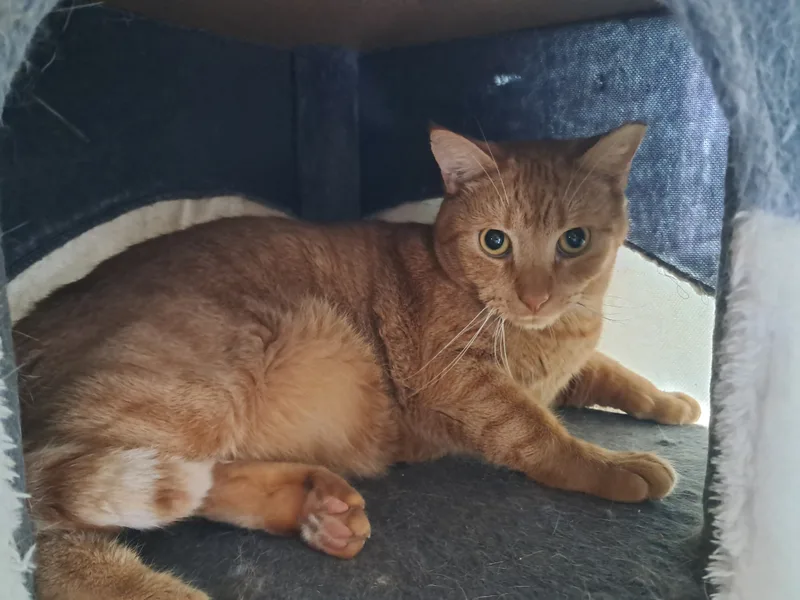
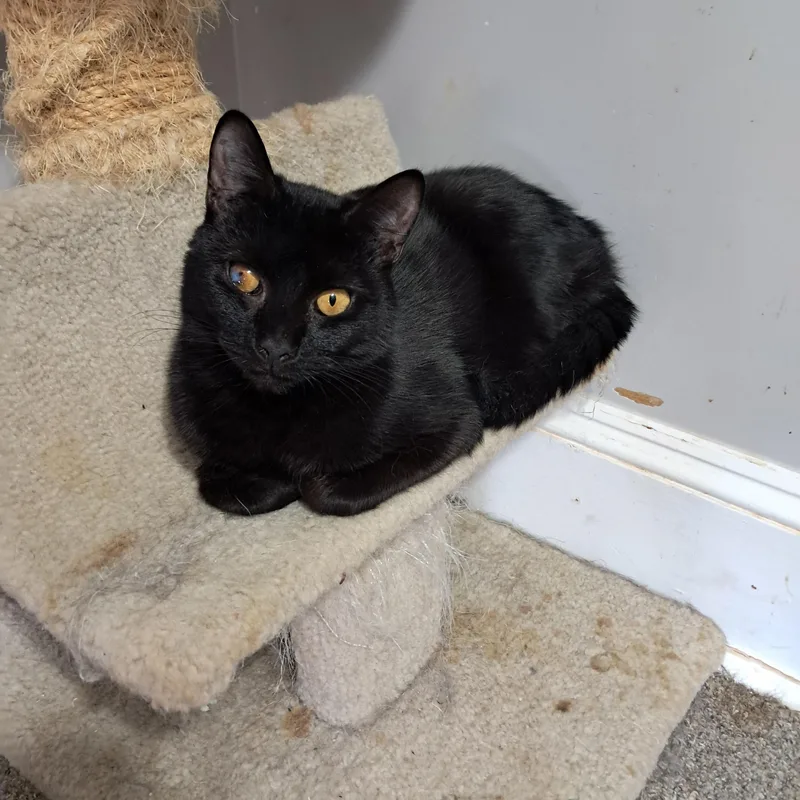
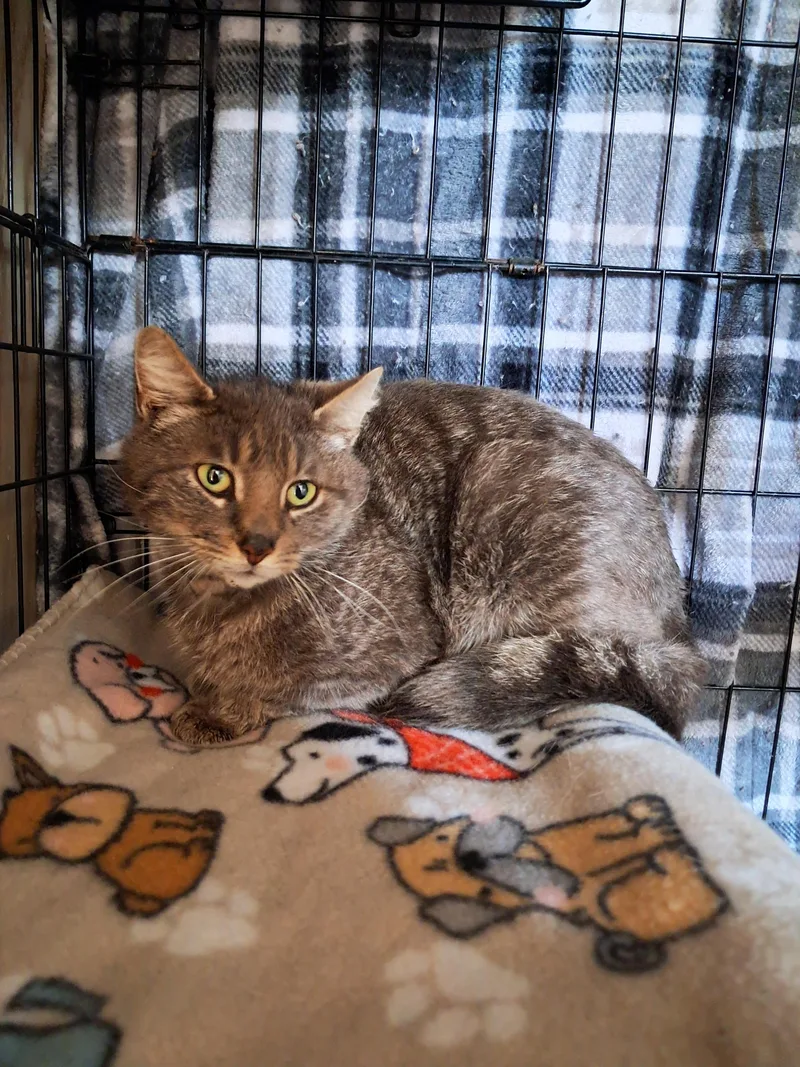
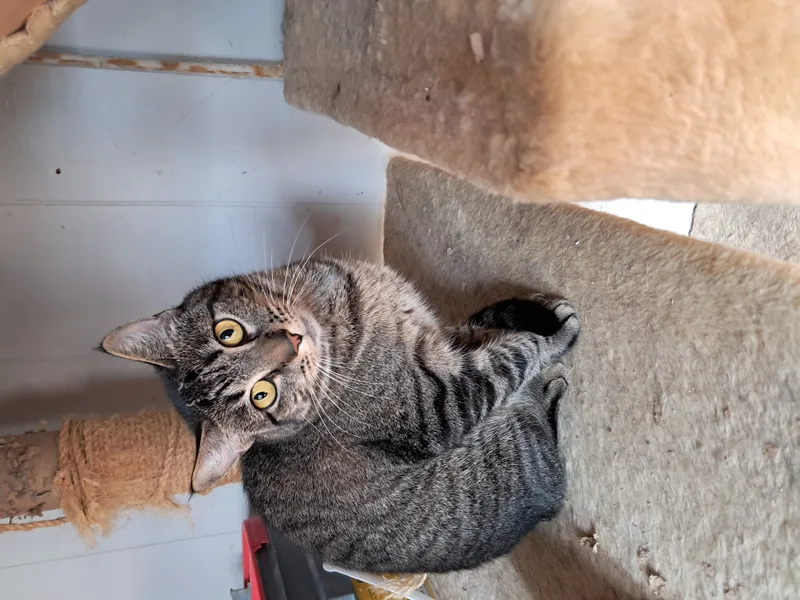
Domestic Short Hairs Available for Adoption Near Paterson

About the Domestic Short Hair breed

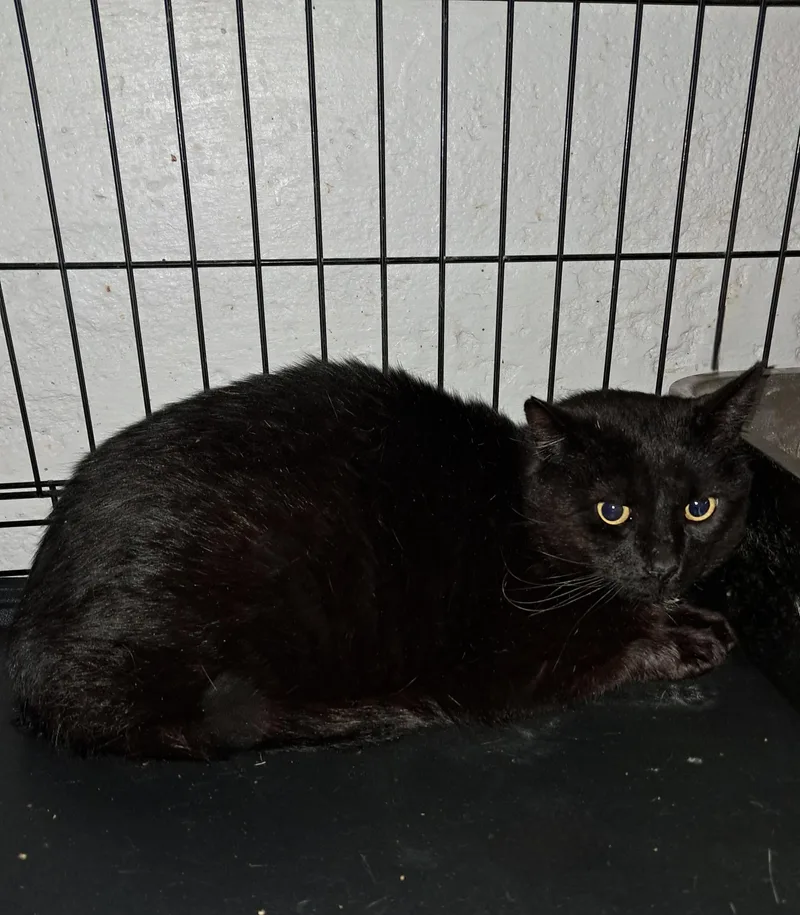
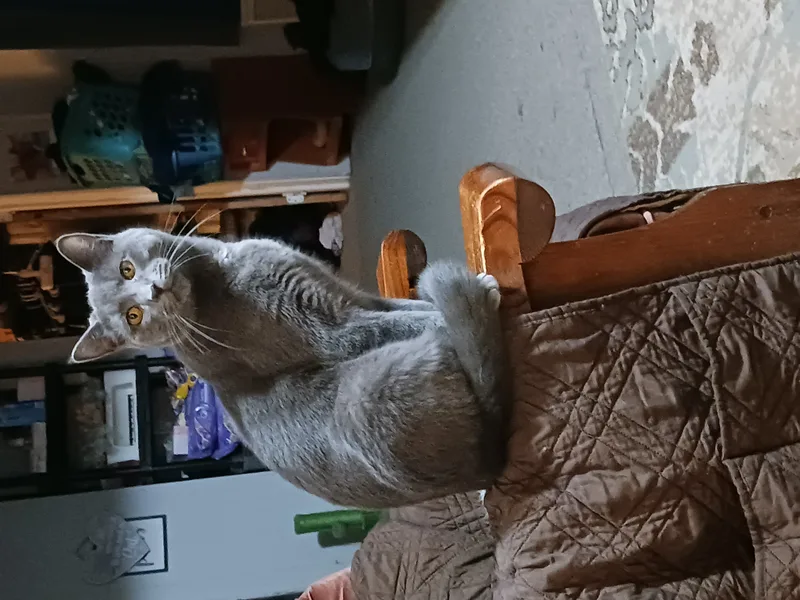
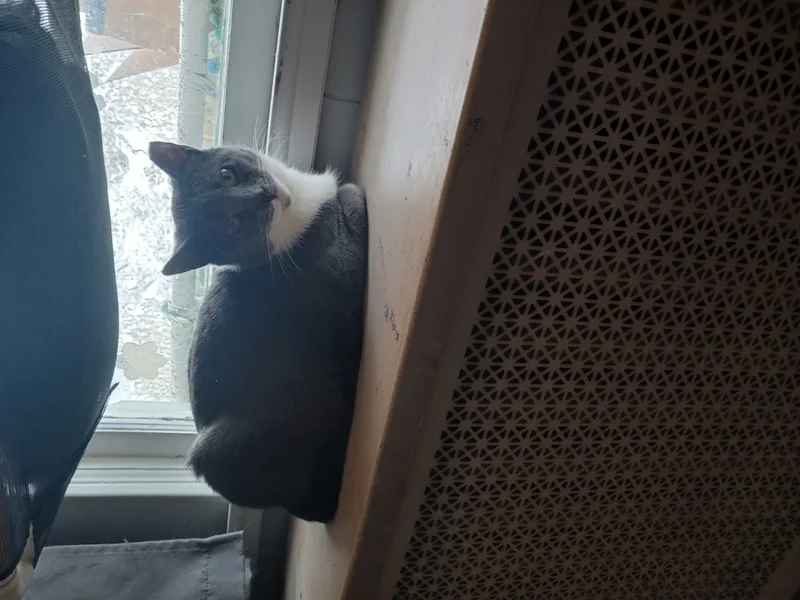
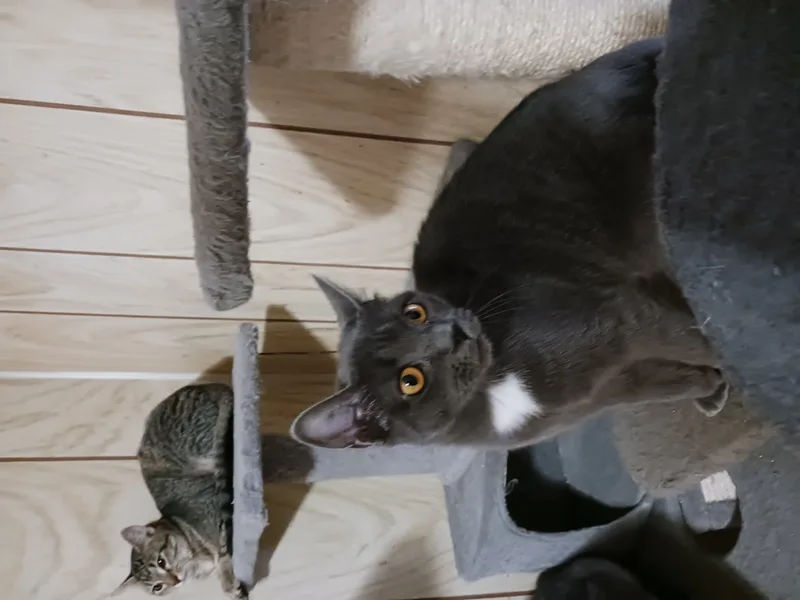
Domestic Short Hair is the label for a short-coated cat of mixed or unknown ancestry, and it covers most of the cats you'll meet in American homes. They come in every color and pattern, from tabby and tuxedo to calico and solid black, and most are medium-sized and sturdy.

Because the gene pool is so wide, no two are alike. Some are lap cats, some are talkative, and some prefer watching the street from a perch. A DSH is not the same as a pedigreed American Shorthair. For a Paterson adopter, the cat's age, energy and comfort with noise and visitors say more than the label does.

Weight
6–14 lbs
Height
8–10 in
Lifespan
12–18 yrs
Temperament
Adaptable, Curious, Affectionate
Shedding
Moderate

Owning a Domestic Short Hair in Paterson

Having a Domestic Short Hair in Paterson

A DSH's short coat is easy to care for, but little else about these cats is fixed. In a busy city like Paterson, a cat's tolerance for noise, stairs and neighbors usually matters more than any breed trait.

Temperament

Domestic Short Hairs range from outgoing lap cats to shy observers, so temperament is a matter of the cat, not the label. Many adapt well to new homes. In a lively Paterson building, a calm adult may settle faster than a kitten, while a bold young cat can enjoy the activity outside the window.

Exercise Needs

Most DSH cats need daily interactive play, especially when they live indoors. Wand toys, chase games and food puzzles burn energy in a small apartment, and a window perch over the street gives a cat something to watch. Kittens and young adults may want several short bursts a day, while seniors prefer gentler sessions.

Health Considerations

Mixed ancestry can lower the risk of some inherited conditions, but DSH cats still face common feline problems such as obesity, dental disease and urinary issues, plus kidney disease and hyperthyroidism in older cats. A vet can check weight, teeth and overall condition soon after adoption and set a schedule for regular exams.

Living Space

Paterson's mix of two-family houses, walk-ups and apartment buildings works well for most DSH cats. Vertical space, scratching posts, hiding spots and a clean litter box count for more than floor area. Secure screens on windows and balconies prevent falls, and keeping the cat indoors protects it from traffic.

What it costs to own a Domestic Short Hair in Paterson

ExpenseTypical costPer year
Food$25 to $50 per month$300 to $600
Pet insurance$20 to $45 per month$240 to $540
Routine vet care$150 to $350 per year$150 to $350
Other*$450 to $1,150 per year$450 to $1,150
Estimated yearly total (after year one)$1,140 to $2,640

Other costs are estimates and vary with size, age and health.

* Litter, flea prevention, a dental cleaning allowance, toys, scratchers and other supplies, and minimal home grooming.

Adopt a Domestic Short Hair in Paterson.

Now that you know more, let’s find you a new best friend. These rescues and shelters below currently have Domestic Short Hairs available.

Rescues in Paterson with Domestic Short Hairs Available

Paterson has a city animal shelter and volunteer-run cat rescues, and cats of all ages and coat patterns are listed below. Here are the rescues & shelters in the Paterson area where you can find Domestic Short Hairs and other cats available for adoption.

Frequently Asked Questions

Yes, a Domestic Short Hair usually does well in a Paterson apartment, since cats need enrichment more than space. Climbing shelves, a window perch and daily play cover most needs. Before signing a lease, read the pet clause: New Jersey caps a security deposit at 1.5 months' rent, including any pet deposit, though small owner-occupied buildings may be exempt. Add screens on upper-floor windows.

Yes. No known Paterson rule restricts Domestic Short Hairs, and the type is a mix of ancestry rather than a breed, so breed rules rarely apply. Plan a vet visit soon after adoption for vaccines, a microchip and spay or neuter if not already done, and keep a current ID tag on a breakaway collar. Indoor living keeps a cat safer in the city.

Often, yes, if you want an adaptable cat that handles a compact home. Paterson's walk-ups, two-family houses and busy streets suit an indoor cat with perches and daily play. Cats vary, so match the cat's age and energy to your routine: kittens need lots of play and supervision, while many adults settle into a steady schedule if you're out for work.

Yes, in a carrier. NJ Transit allows small pets in carry-on travel cages on its trains and buses, including the Main Line from Paterson station, and a Domestic Short Hair usually fits in one. Use a sturdy, ventilated carrier and keep the cat inside it for the whole trip. Paterson has no subway, and private jitney vans don't publish pet rules.

Yes, as indoor cats. Paterson winters run roughly 24 to 42°F with many freezing nights, and a short coat doesn't offer much insulation outdoors. Keep the cat inside, give it warm bedding away from drafts, and block access to space heaters and radiator gaps. A sunny window perch makes the cold months more comfortable.

Very little. A short coat needs a quick brush once or twice a week, a bit more during spring and fall shedding. Dry, heated indoor air in winter can add flaking, so brushing helps then too. Trim nails every few weeks. Professional grooming is rarely needed, and the small allowance in the Other cost line covers it.

Domestic shorthair cats typically live about 12 to 18 years, and many indoor cats reach their late teens or early twenties. Large UK veterinary studies have found mixed-breed cats tend to live slightly longer than pedigreed cats on average. Spaying or neutering, indoor living, a healthy weight, dental care and regular checkups all help a cat enjoy a longer life.

No, domestic shorthair cats are not hypoallergenic. The main cat allergen, a protein called Fel d 1, comes from saliva and skin glands, so short fur does not prevent reactions. Allergen levels vary between individual cats, and some people react less to certain cats. Spending time with a specific cat before adopting is the best way to test your response.

We have 1 rescue with Domestic Short Hairs available: Here Kitty Kitty. You can see every rescue with Domestic Short Hairs available in the list above these questions, or scroll to the top to see the Domestic Short Hairs near Paterson.

Expect roughly $1,140 to $2,640 a year for a DSH in Paterson. That covers food at $25 to $50 a month, insurance at $20 to $45 a month, routine vet care of $150 to $350 a year, and other costs of $450 to $1,150 a year, mostly litter, preventives and dental care.