Japanese Bobtail Cats for Adoption in Hazlet, NJ

Your guide to finding and caring for a Japanese Bobtail in Hazlet

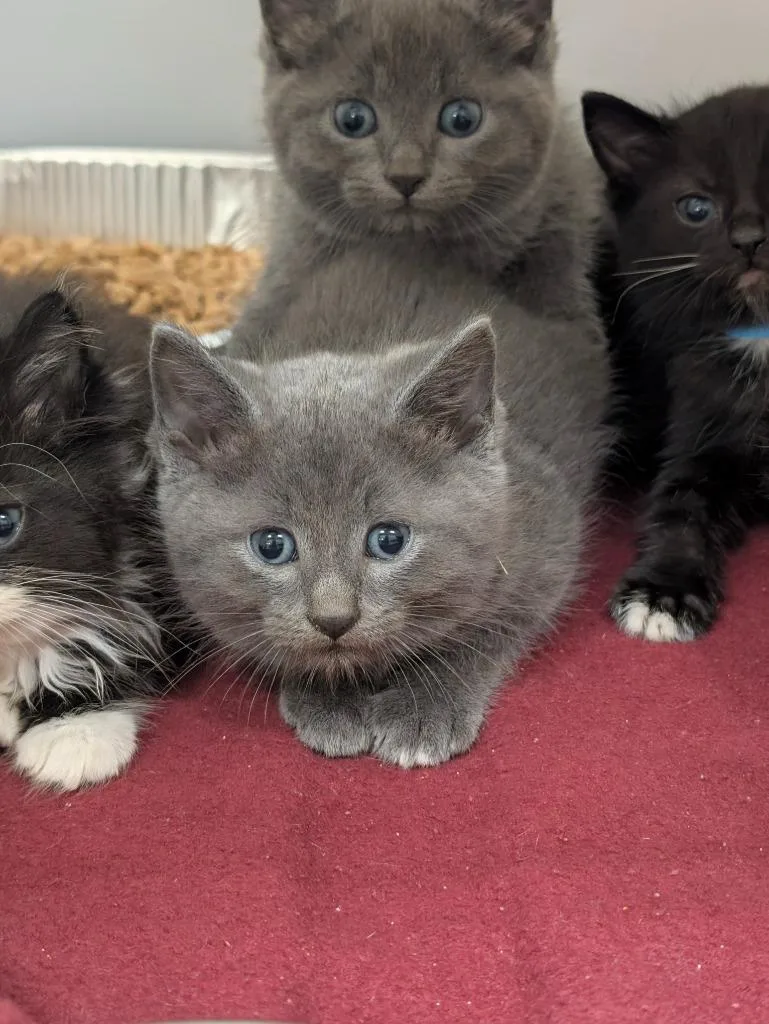
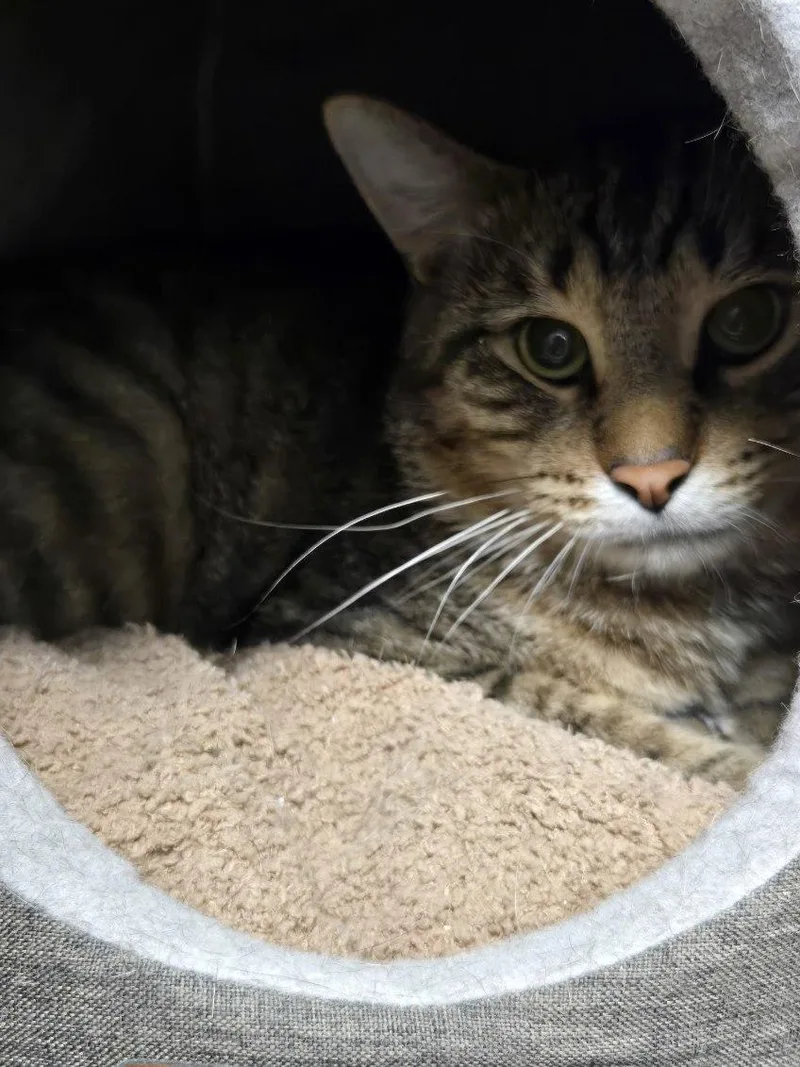
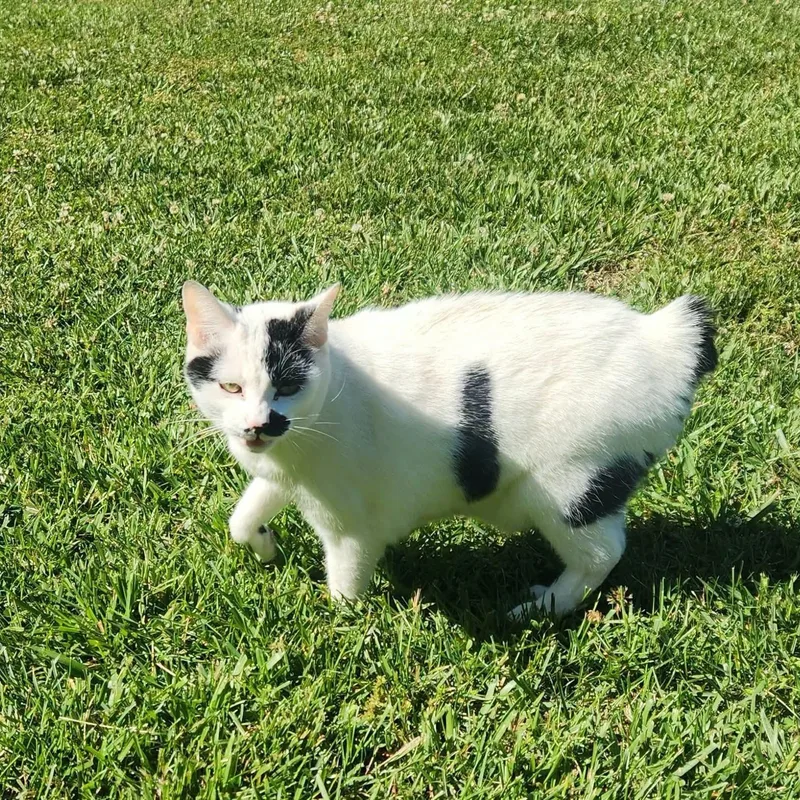
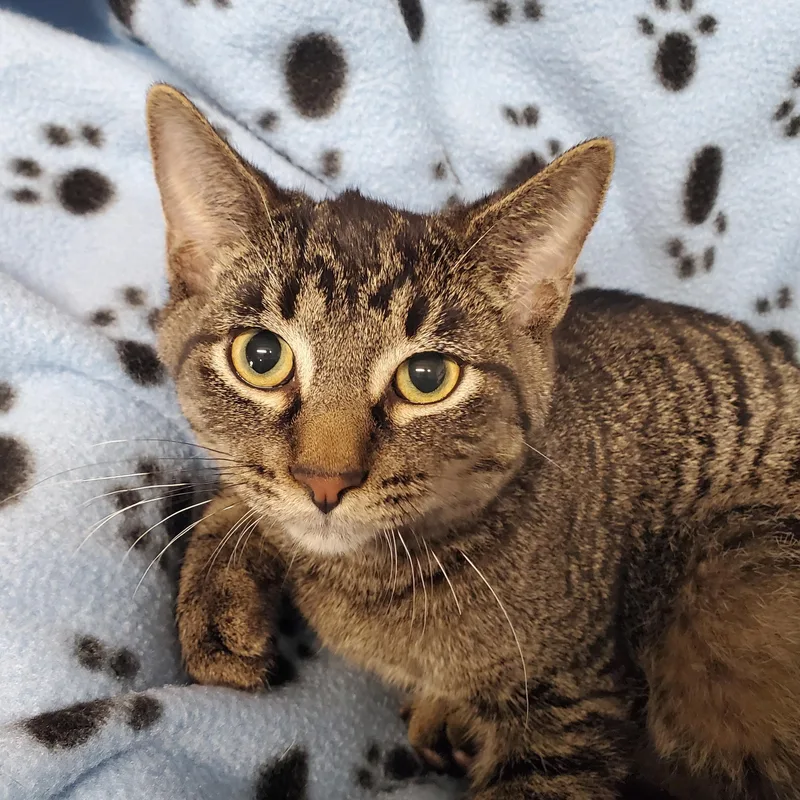
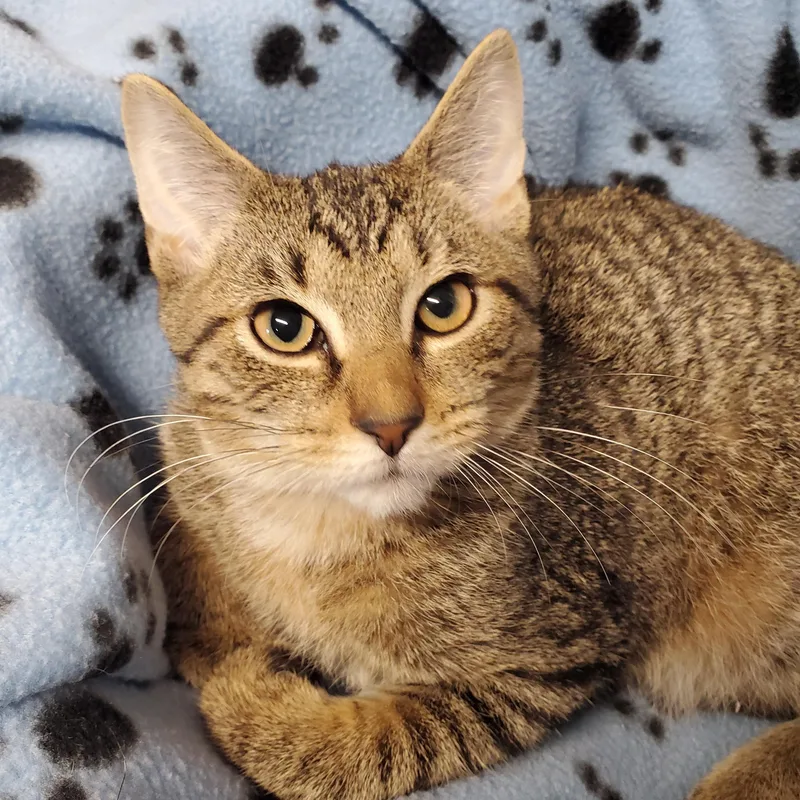
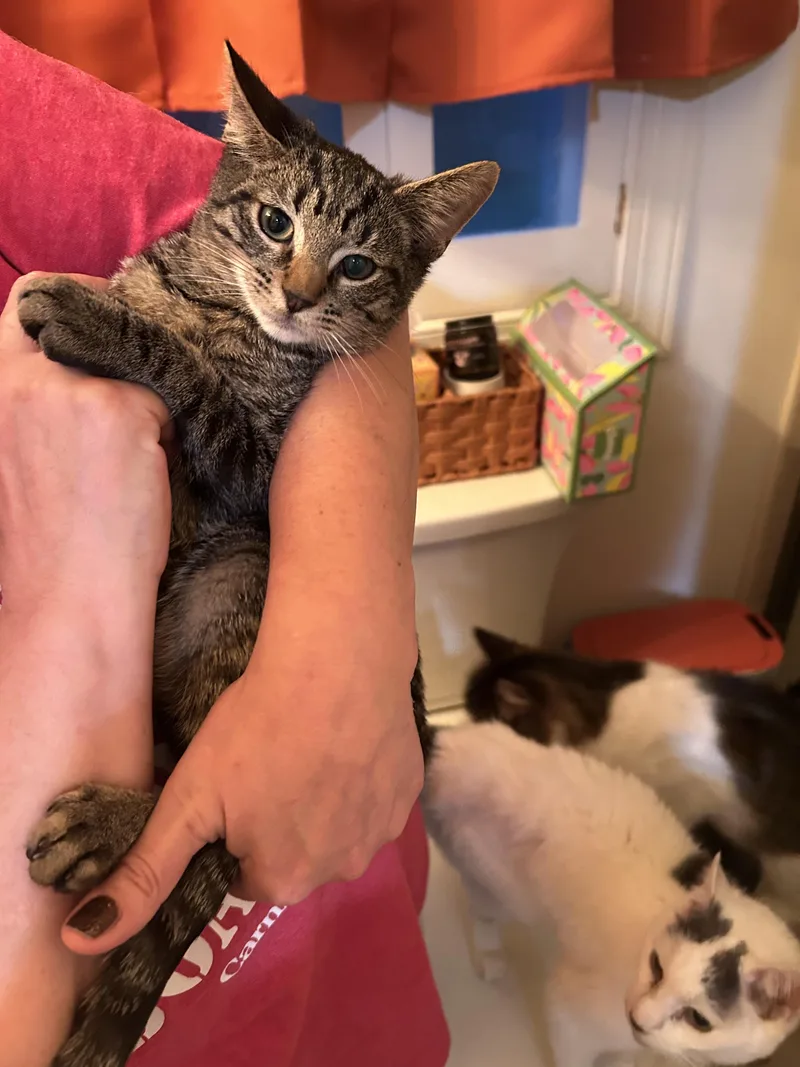
444 cats similar to Japanese Bobtail available in Hazlet and nationwide

A Japanese Bobtail is ready for you

While we don't have enough cats near Hazlet, keep in mind that many rescues may offer transport.

Japanese Bobtails and Similar Breeds Available for Adoption Near Hazlet

About the Japanese Bobtail breed

Short-tailed cats have appeared in Japanese art and folklore for centuries, and the Japanese Bobtail is the natural breed that grew from them, reaching the United States in 1968. Its signature is a pom-pom tail made of curves and kinks that differs from cat to cat. A slender, long-legged build, high cheekbones and large ears give it an alert, sculpted look, in both shorthaired and longhaired coats, often in the traditional tricolor called mi-ke.

Many Japanese Bobtails are busy, people-focused cats that follow their humans, carry toys and chirp in soft, sing-song voices. They often enjoy fetch, puzzle games and learning tricks, and they tend to adapt well to children and cat-friendly dogs. In return they need daily play and places to climb, since a bored Bobtail usually invents its own entertainment around the house.

Weight
6–12 lbs
Height
8–10 in
Lifespan
9–15 yrs
Temperament
Active, Intelligent, Affectionate, Playful
Shedding
Low to Moderate

Owning a Japanese Bobtail in Hazlet

Having a Japanese Bobtail in Hazlet

The Japanese Bobtail's unusual tail draws attention first, but its energy, curiosity and conversational nature shape daily life far more. Understanding how much interaction and play this breed tends to want helps adopters judge whether a particular cat fits their household.

Temperament

Japanese Bobtails are often outgoing, affectionate and curious, preferring to be involved in whatever their people are doing. Many get along with respectful children and calm dogs after gradual introductions. They chirp and trill rather than yowl. Some can be pushy about attention, and a shelter cat's history will tell you more than breed generalizations.

Exercise Needs

This is an active breed that usually needs several interactive play sessions a day. Wand toys, fetch, climbing trees and food puzzles help burn energy and engage a quick mind. Many learn tricks or walk on a harness with patient training. Without enough stimulation, some Bobtails become restless and find mischief on shelves and counters.

Health Considerations

The Japanese Bobtail is considered a sturdy natural breed, and its short tail is not linked to the spinal problems seen in Manx cats. That does not make it immune to common feline issues such as dental disease, weight gain and kidney or heart problems in later life. Regular veterinary exams and dental care help catch problems early.

Living Space

A Japanese Bobtail can thrive in an apartment or a house if it gets vertical space, window perches and daily play. Room to run and climb matters more than square footage. Indoor living with secure windows keeps this curious cat safe, and a household with someone home often suits its social nature.

What it costs to own a Japanese Bobtail

ExpenseTypical costPer year
Adoption fee$200, one time$200 in year one
Food$25 to $50 per month$300 to $600
Pet insurance$25 to $50 per month$300 to $600
Routine vet care$150 to $350 per year$150 to $350
Other*$450 to $1,150 per year$450 to $1,150
Estimated yearly total (after year one)$1,200 to $2,700
First-year total (with adoption fee)$1,400 to $2,900

Adoption fee is the fee on Japanese Bobtail listings in Hazlet on GetBuddy today. Other costs are national averages for Japanese Bobtails; we don't have costs specific to Hazlet yet.

* Litter, flea prevention, a dental cleaning allowance, toys, scratchers and climbing furniture, and light home brushing.

Adopt a Japanese Bobtail in Hazlet.

Now that you know more, let’s find you a new best friend. These rescues and shelters below currently have Japanese Bobtails available.

Rescues in Hazlet with Japanese Bobtails Available

Here are the rescues & shelters in the Hazlet area where you can find Japanese Bobtails and other cats available for adoption.

Frequently Asked Questions

Yes, Japanese Bobtails are rare outside Japan. The breed reached the United States only in 1968, and although CFA, TICA and other registries recognize it, relatively few pedigreed cats are registered each year. Shelters and rescues do see bobtailed cats, but many are domestic cats with a short or kinked tail rather than purebred Japanese Bobtails.

No, Japanese Bobtails are not born without tails. Kittens arrive with a short, bobbed tail already formed, made of real vertebrae arranged in curves, angles or kinks. The tail usually measures under three inches and is often hidden by fur, giving a pom-pom look. A completely tailless cat is more likely a Manx or a domestic cat with a different mutation.

No, Japanese Bobtails are not hypoallergenic. Their coat has little undercoat and sheds only lightly, but cat allergies come mainly from proteins in saliva and skin, which every cat produces. Some allergic people find a light-shedding cat easier to live with, but reactions vary, so spending time with the specific cat before adopting is the safest approach.

A purebred Japanese Bobtail should not have a long tail, because the bobtail gene is fixed in the breed and the standard limits the tail to about three inches. Crosses between a Bobtail and a long-tailed cat can produce kittens with longer tails, and some domestic cats have partly kinked tails. A long-tailed cat is not a Japanese Bobtail by breed standards.

Japanese Bobtails typically live about 9 to 15 years, and many indoor cats with good care reach the upper end of that range or beyond. Breed-specific lifespan studies are limited, so treat these figures as estimates. Keeping a Bobtail lean, active and up to date on dental care and veterinary checkups supports a longer, healthier life.

A Japanese Bobtail is a natural cat breed from Japan known for its short, kinked pom-pom tail, slender long-legged body and large, expressive ears. It comes in shorthaired and longhaired varieties and nearly every color, with the calico pattern called mi-ke especially traditional. Many are active, intelligent and talkative cats that enjoy interactive play with their people.

Japanese Bobtails have short tails because of a naturally occurring gene mutation that shortens and kinks the tail vertebrae. Researchers have linked it to a dominant variant of the HES7 gene, and it is fixed in the breed. In Japan, short-tailed cats were long favored in folklore and art, which helped the trait become common there before the breed was formalized.

Japanese Bobtails are not usually difficult, but they are demanding in their own way. Many want to be involved in everything, need daily play and will look for mischief when bored. People who are home often and enjoy an interactive cat tend to find them easy companions, while someone wanting a quiet, independent lap cat may find one tiring.

Yes, Japanese Bobtails are generally friendly cats. Many are social, affectionate and interested in visitors, and the breed has a reputation for getting along with children and cat-friendly dogs. Individual personalities still vary, and a cat with a rough past may need time to trust. Slow, calm introductions to people and other animals help.

We have 1 rescue with Japanese Bobtails available: Fur Friends In Need, Inc.. You can see every rescue with Japanese Bobtails available in the list above these questions.

Explore Other Breeds in Hazlet

Looking for a different breed? Browse other cats available for adoption in Hazlet.