Domestic Short Hair Cats for Adoption in Grand Forks, ND

Your guide to finding and caring for a Domestic Short Hair in Grand Forks

Domestic Short Hairs fit Grand Forks easily, whether the home is an older house in the Near Southside or an apartment near UND. These cats usually care more about a window perch, a few play sessions a day and a quiet corner than about square footage. Long winters make indoor life the easy default here, and indoors is safest for a cat anyway. Each one's personality is its own, so spend time with a cat before deciding.

36 Domestic Short Hairs available for adoption in Grand Forks

Find your Domestic Short Hair

Domestic Short Hairs Available for Adoption in Grand Forks

About the Domestic Short Hair breed

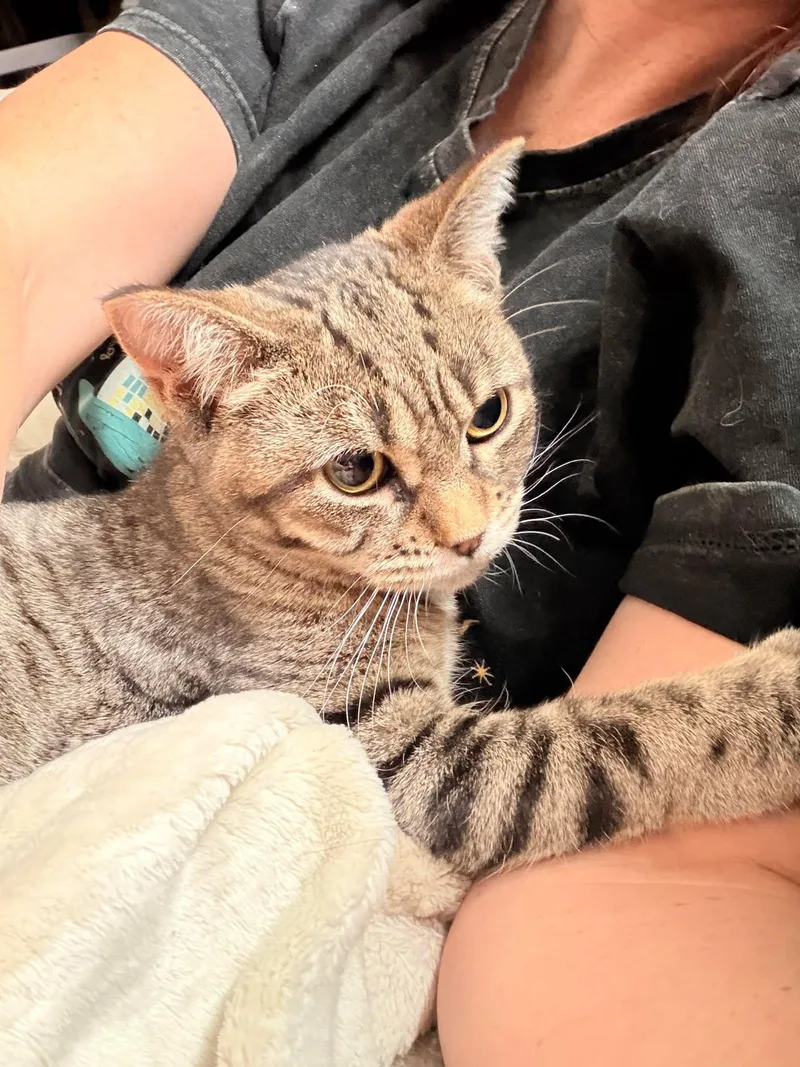
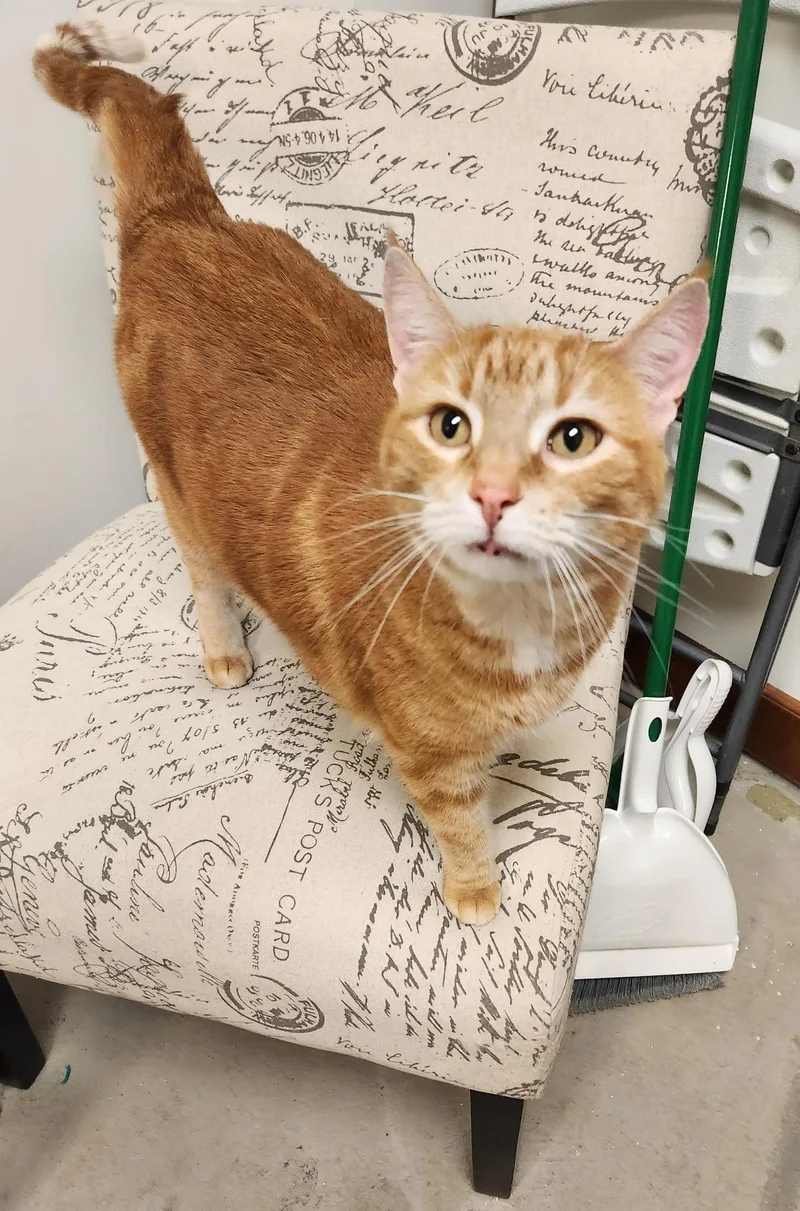
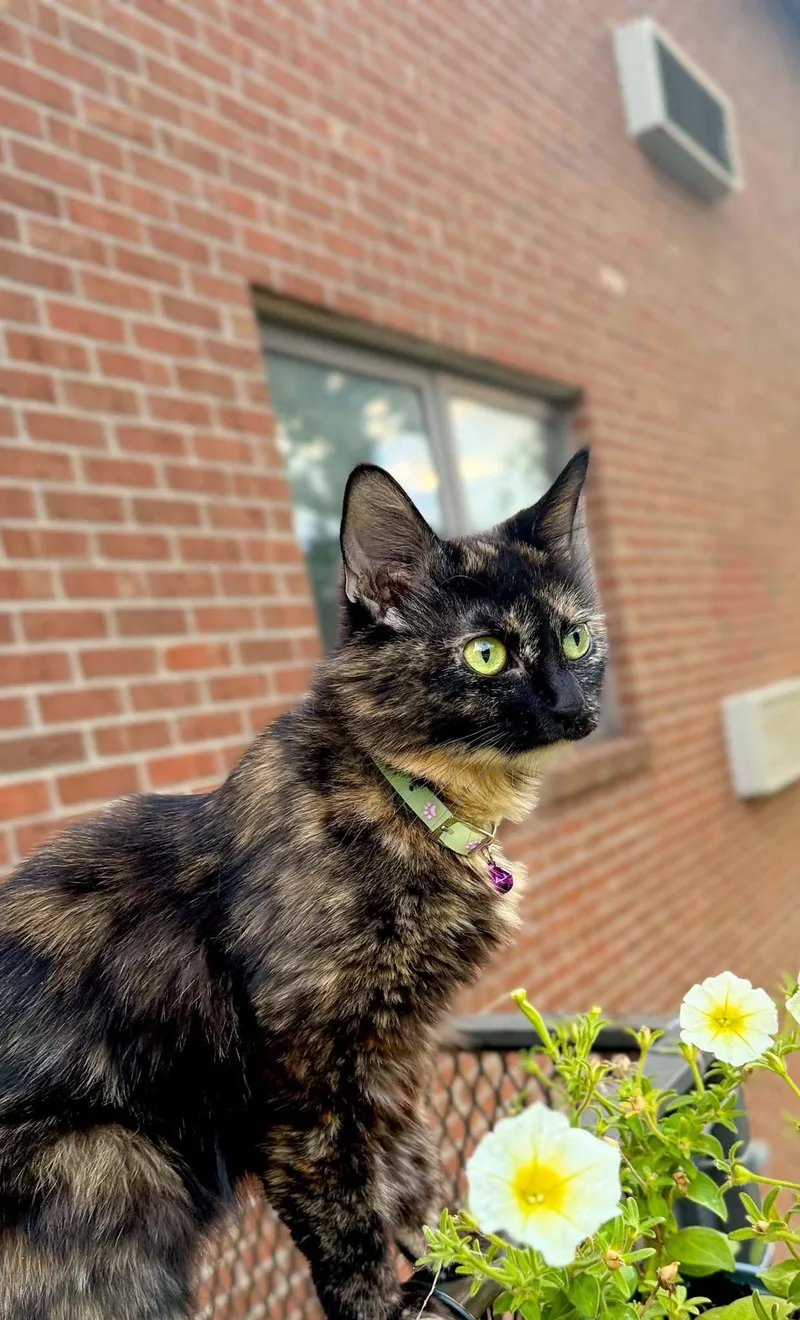
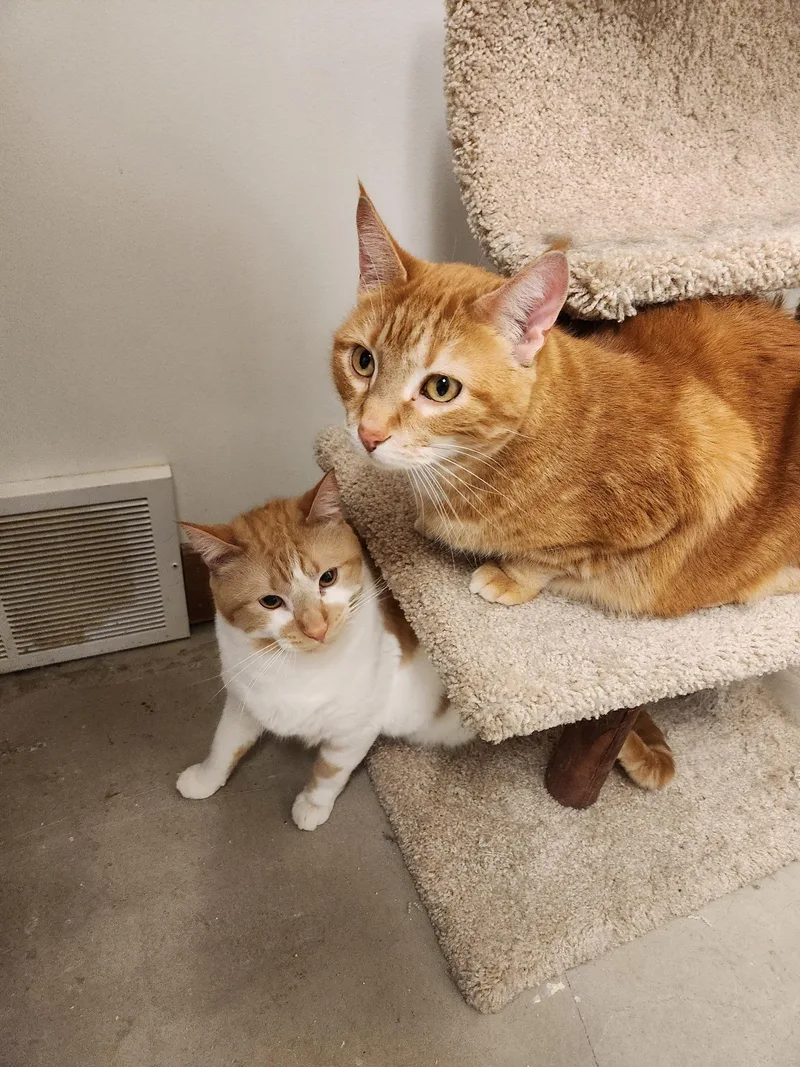
Domestic Short Hair is a coat type, not a breed. It describes a short-coated cat of mixed or unknown ancestry, and it's the most common kind of cat in American homes. Records often shorten it to DSH. These cats come in every color and pattern, from tabby and tuxedo to calico and solid black, and most are medium-sized, somewhere around 6 to 14 pounds.

Because the gene pool is so wide, personalities vary. Some DSH cats are lap-sitters, some are talkers, and some prefer to watch from a windowsill. In Grand Forks, where cold months keep cats inside for long stretches, that matters: a playful young cat needs daily games and climbing space, while a mellow adult may be happy with a sunny perch. Their short coats are easy to care for, and weekly brushing is enough for most.

Weight
6–14 lbs
Height
8–10 in
Lifespan
12–18 yrs
Temperament
Adaptable, Curious, Affectionate
Shedding
Moderate

Owning a Domestic Short Hair in Grand Forks

Having a Domestic Short Hair in Grand Forks

Coat type is about the only thing DSH cats share. Energy, sociability and health history differ from cat to cat, so age and behavior say more than the label. In Grand Forks, most will live indoors through a long winter, which makes play and perches important.

Temperament

DSH cats run from outgoing lap cats to quiet observers, and most adjust to new homes with patience. Kittens tend to be bold and playful, while adults show settled personalities you can read in person. For a Grand Forks household spending long winter evenings indoors, a cat that enjoys company and play is often easy to live with.

Exercise Needs

Plan on daily interactive play with wand toys, chase games and food puzzles. Young cats may want several short bursts a day, while seniors prefer gentler sessions. Since snowy months keep cats inside, add climbing shelves, scratching posts and a window perch overlooking the yard or street so they can burn energy and watch the weather.

Health Considerations

DSH cats commonly face obesity, dental disease and urinary problems, and older cats may develop kidney disease, hyperthyroidism or diabetes. Indoor winters can mean less activity, so watch weight and measure meals. A yearly vet exam and regular dental checks help catch problems early, and a vet can review a new cat's health after adoption.

Living Space

These cats adapt to apartments and houses alike when they have scratching posts, hiding spots and a clean litter box. That suits Grand Forks, where rentals are common. Keep windows and balconies screened, and keep the cat indoors or in a secure enclosure, since city rules treat a cat roaming off its home as at large.

What it costs to own a Domestic Short Hair in Grand Forks

ExpenseTypical costPer year
Adoption fee$100, one time$100 in year one
Food$25 to $50 per month$300 to $600
Pet insurance$20 to $45 per month$240 to $540
Routine vet care$150 to $350 per year$150 to $350
Other*$455 to $1,155 per year$455 to $1,155
Estimated yearly total (after year one)$1,145 to $2,645
First-year total (with adoption fee)$1,245 to $2,745

Adoption fee is the fee on Domestic Short Hair listings in Grand Forks on GetBuddy today. Other costs are estimates and vary with size, age and health.

* The $5 Grand Forks license for a spayed or neutered cat, litter, flea prevention, a dental cleaning allowance, toys, scratchers and other supplies, and minimal grooming.

Adopt a Domestic Short Hair in Grand Forks.

Now that you know more, let’s find you a new best friend. These rescues and shelters below currently have Domestic Short Hairs available.

Rescues in Grand Forks with Domestic Short Hairs Available

Circle of Friends Animal Shelter, which also serves as the city's impound, anchors the rescue community in Grand Forks. Here are the rescues & shelters in the Grand Forks area where you can find Domestic Short Hairs and other cats available for adoption.

Frequently Asked Questions

Yes, for most households. A Domestic Short Hair adapts to older houses, apartments and busy schedules, and the short coat is simple to maintain. What matters more is the cat's age and energy: kittens need lots of play, while adults often settle quickly. Plan for indoor living, since Grand Forks winters are long and cold, and keep play and perches part of the routine.

Yes, as indoor cats. Grand Forks sees about 100 days a year that stay at or below freezing and roughly 47 to 51 nights at 0°F or colder, which is too harsh for a short-coated cat outdoors. Keep the home comfortably warm, offer a sunny window perch or soft bed away from drafts, and keep litter, food and water stocked for storms.

Yes. There are no known breed restrictions in Grand Forks, and a Domestic Short Hair is a mixed-ancestry cat anyway. You'll need a city license with proof of rabies vaccination, and the cat should wear both tags. Cats count as at large when roaming off their home, so indoor living keeps you on the right side of the rules.

Yes, and many do. Cats need vertical space, scratching posts and a clean litter box more than square footage, so a one-bedroom near UND or a downtown apartment can work well. Read the lease for pet terms, and make sure windows and balconies have secure screens so the cat can watch the street safely.

Very little. Brushing once a week handles most shedding, with a bit more in spring as winter coats lighten. Mats are uncommon in short coats, though overweight or older cats that can't groom themselves may need help from a vet or groomer. Most never need a groomer, so grooming adds little beyond a brush to yearly costs.

Domestic shorthair cats typically live about 12 to 18 years, and many indoor cats reach their late teens or early twenties. Large UK veterinary studies have found mixed-breed cats tend to live slightly longer than pedigreed cats on average. Spaying or neutering, indoor living, a healthy weight, dental care and regular checkups all help a cat enjoy a longer life.

No, domestic shorthair cats are not hypoallergenic. The main cat allergen, a protein called Fel d 1, comes from saliva and skin glands, so short fur does not prevent reactions. Allergen levels vary between individual cats, and some people react less to certain cats. Spending time with a specific cat before adopting is the best way to test your response.

A domestic shorthair cat is a short-coated cat of mixed or unknown ancestry rather than a member of a pedigreed breed. It is the most common type of cat in the United States and in shelters. Domestic shorthairs come in every color and pattern, and their size and personality vary widely depending on their varied genetic background.

We have 2 rescues with Domestic Short Hairs available: Journey Home Animal Rescue and Circle of Friends Animal Shelter. You can see every rescue with Domestic Short Hairs available in the list above these questions, or scroll to the top to see the Domestic Short Hairs in Grand Forks.

A DSH cat typically costs about $1,150 to $2,650 a year in Grand Forks, covering food, insurance if you choose it, routine vet care and other items such as litter, flea prevention and dental care. Food and litter are the steady monthly costs, while dental cleanings and illness can add bigger bills, so keep a cushion.

Explore Other Breeds in Grand Forks

Looking for a different breed? Browse other cats available for adoption in Grand Forks.