Tortoiseshell Cats for Adoption in Winston-Salem, NC

Your guide to finding and caring for a Tortoiseshell in Winston-Salem

A tortoiseshell cat fits Winston-Salem's older houses and newer apartments equally well, because most are happy living indoors. Tortoiseshell is a coat pattern, not a breed, so personalities vary a lot. In a streetcar-era Washington Park house or a downtown Innovation Quarter loft, a tortie mostly needs a sunny window, a tall cat tree and daily play. Summer afternoons can pass 90°F, and an air-conditioned living room beats the porch. Many torties live well into their teens.

1033 Tortoiseshells available in Winston-Salem and nationwide

Your Tortoiseshell is waiting

Tortoiseshells Available for Adoption Near Winston-Salem

About the Tortoiseshell breed

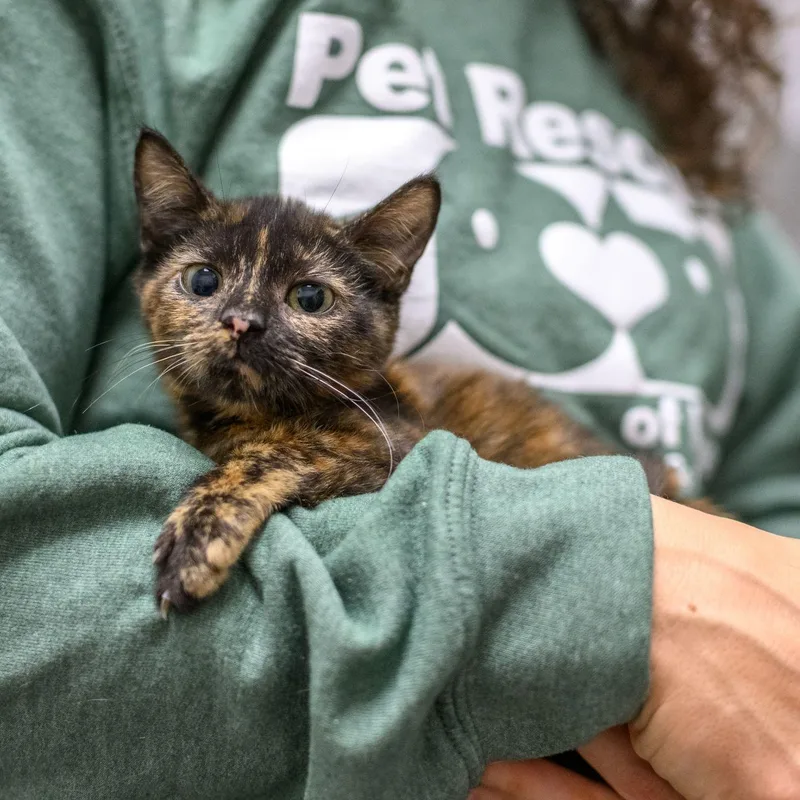
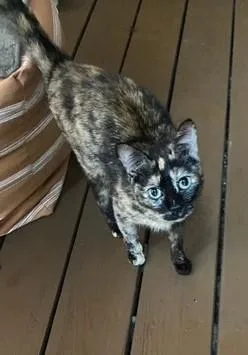
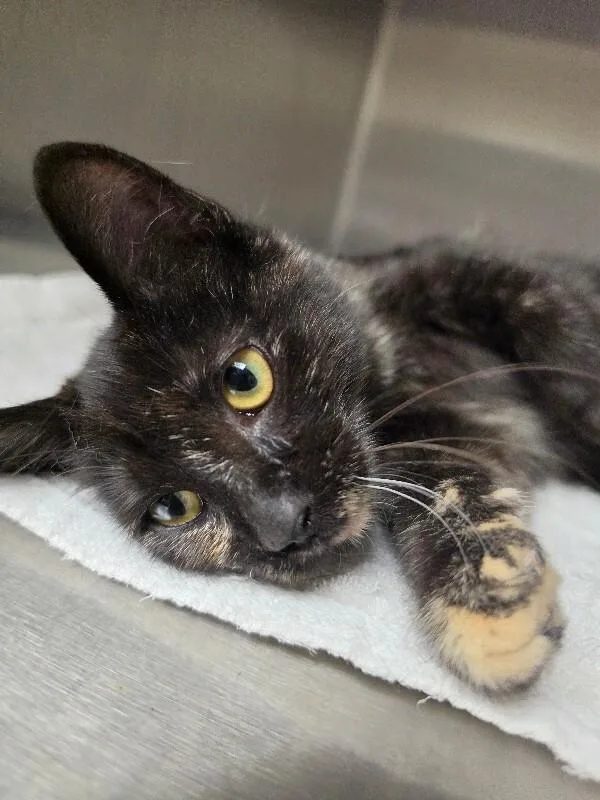
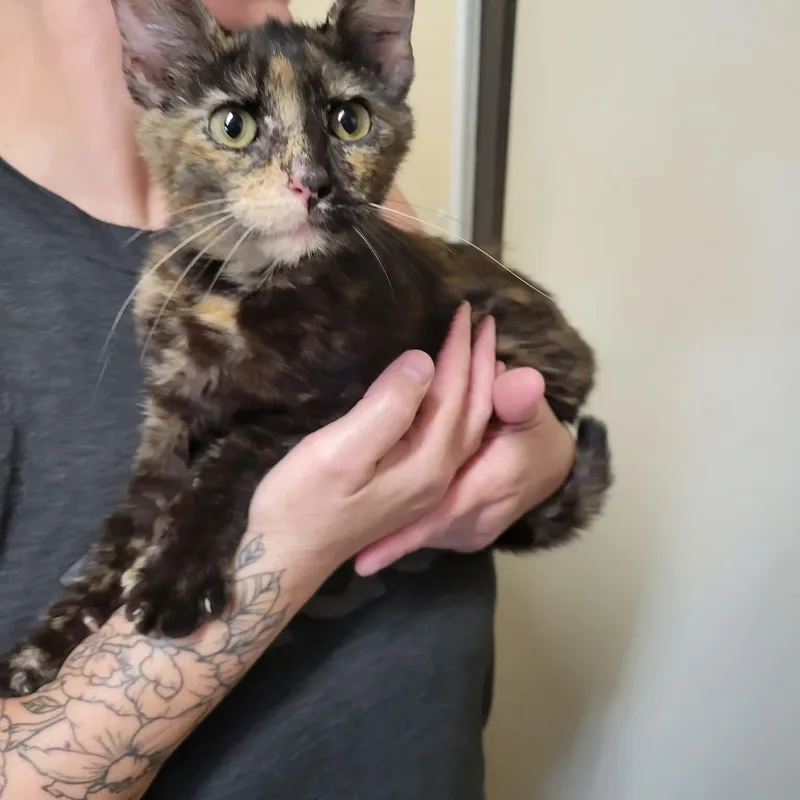
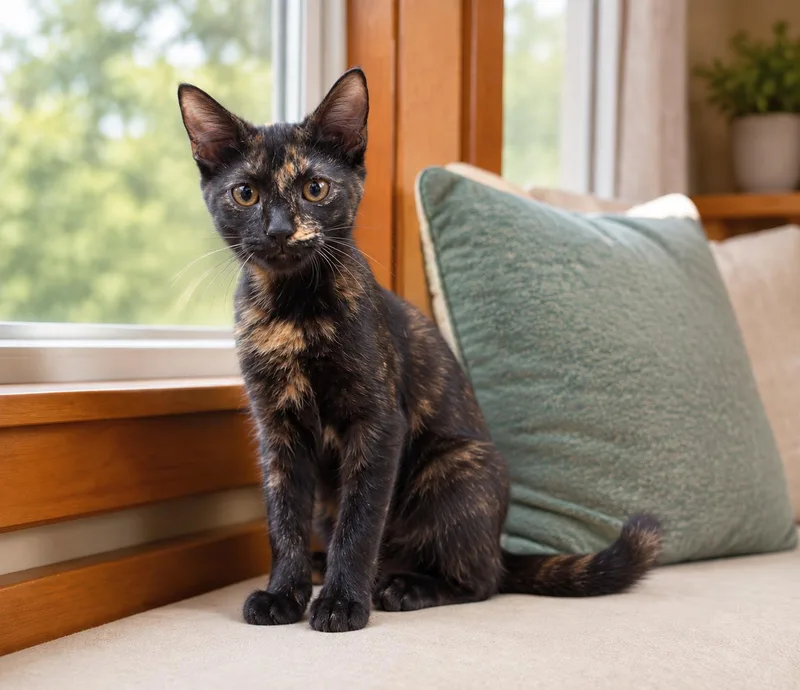
Tortoiseshell describes a coat, not a breed. A tortie's fur blends black-based and orange-based colors in patches or a fine mottle, usually with little white. Add large white areas and the cat is called a calico instead. Dilute torties look soft gray and cream. Because the orange gene sits on the X chromosome, nearly all torties are female, and the rare males usually carry an extra X.

Most torties in Winston-Salem homes are domestic shorthairs, though the pattern also shows up in Maine Coons, Persians and many other breeds. Shedding is moderate, so a weekly brushing keeps furniture manageable. Personality depends on a cat's age, history and socialization far more than on color, so a tortie might be shy, bold, cuddly or aloof.

Weight
6–14 lbs
Height
8–10 in
Lifespan
12–18 yrs
Temperament
Independent, Affectionate, Playful
Shedding
Moderate

Owning a Tortoiseshell in Winston-Salem

Having a Tortoiseshell in Winston-Salem

A tortie's traits come mostly from age, ancestry and upbringing rather than color. In Winston-Salem, that means planning around the cat in front of you: her energy, comfort with company and how much indoor enrichment she needs.

Temperament

Torties have a reputation for spirited, opinionated behavior, nicknamed tortitude, but the evidence is thin and rests mostly on owner impressions. Tortoiseshells range from shy to bold. In Winston-Salem's mix of quiet bungalow streets and busy apartment buildings, a calm tortie may prefer the first, while a confident one adapts anywhere.

Exercise Needs

Most tortoiseshell cats do well with two or three short play sessions a day using wand toys, chase games and puzzle feeders. Kittens and young adults usually need more, while seniors prefer gentler play. Window perches overlooking a Winston-Salem yard and bird feeder add enrichment, and a tall cat tree gives climbing without leaving the house.

Health Considerations

The tortie pattern itself carries no known health risks in females. Rare males usually have an extra X chromosome and may face added problems. Otherwise health follows age and ancestry, so yearly checkups, dental care and a healthy weight matter most. Rabies is active in Forsyth County wildlife, so keep vaccinations current, and keep cats indoors.

Living Space

Tortoiseshell cats adapt to apartments and houses alike. Winston-Salem has plenty of both, from West End streetcar-suburb homes to downtown lofts. Vertical space matters more than square footage: a cat tree, window perch and a hideaway go a long way. Confident, social torties often enjoy busy households, while shy ones prefer calmer rooms.

What it costs to own a Tortoiseshell in Winston-Salem

ExpenseTypical costPer year
Food$25 to $50 per month$300 to $600
Pet insurance$20 to $45 per month$240 to $540
Routine vet care$150 to $350 per year$150 to $350
Other*$455 to $1,175 per year$455 to $1,175
Estimated yearly total (after year one)$1,145 to $2,665

Other costs are estimates and vary with size, age and health.

* Forsyth County cat registration ($5 if spayed or neutered, $25 if not), litter, flea and tick prevention, a dental cleaning allowance, toys and supplies, and home grooming.

Adopt a Tortoiseshell in Winston-Salem.

Now that you know more, let’s find you a new best friend. These rescues and shelters below currently have Tortoiseshells available.

Rescues in Winston-Salem with Tortoiseshells Available

Winston-Salem's shelters and rescues care for cats of every age and coat pattern, including tortoiseshells. Here are the rescues & shelters in the Winston-Salem area where you can find Tortoiseshells and other cats available for adoption.

Frequently Asked Questions

Yes, you can get a Tortoiseshell in Winston-Salem, and there is no known breed ban affecting cats. Forsyth County requires cats to be registered within 60 days ($5 spayed or neutered, $25 unaltered), vaccinated against rabies from three months old, and kept on your property. Browse the listings on this page to see tortoiseshell cats currently listed.

No. Winston-Salem Transit Authority rules state that pets are not allowed on WSTA vehicles, and no carrier exception is stated. Only service animals are permitted. Winston-Salem has no subway or rail, so plan vet visits and trips by car or on foot, using a secure carrier.

Yes, for indoor cats. Winston-Salem's summers are moderate, with about 33 days a year reaching 90°F, and winters are cool, with highs near 51°F. Keep your Tortoiseshell inside, offer cool resting spots and fresh water in summer, and prepare for occasional ice storms or storm-related power outages.

Yes. About 42% of Winston-Salem households rent, and cats generally adapt well to apartments when they have a perch, climbing space and daily play. Confirm your lease allows cats. North Carolina lets landlords charge a reasonable, nonrefundable pet fee, so ask what your building charges before you commit.

Often, yes. Because tortoiseshell is a coat pattern, fit depends on the cat's age and personality rather than color. Winston-Salem's mix of apartments and older houses suits indoor cats, and moderate costs help. Expect roughly $1,150 to $2,650 a year including food, insurance, vet care and other expenses.

Most Tortoiseshells are shorthairs with moderate shedding, so a weekly brushing is usually enough. Shedding often rises in spring and fall as Winston-Salem's temperatures shift, so brush more often then. Longhaired torties need brushing several times a week. Home grooming supplies fall under the Other cost line of $455 to $1,175 a year.

A tortoiseshell cat is a cat with a coat pattern of black-based and orange-based colors blended or patched together, usually with little or no white. It is not a breed; the pattern appears in many breeds and most often in domestic shorthairs. Nearly all tortoiseshells are female because the genes for orange and black are carried on the X chromosome.

Almost all tortoiseshell cats are female, but not all. A female has two X chromosomes and can carry both orange and black color genes, producing the mixed coat. Males normally have only one X. Rare male torties usually have an extra X chromosome or are genetic chimeras, and they are estimated at roughly 1 in 3,000 tortoiseshells.

We have 1 rescue with Tortoiseshells available: Helping Hands 4 Paws. You can see every rescue with Tortoiseshells available in the list above these questions, or scroll to the top to see the Tortoiseshells near Winston-Salem.

Expect roughly $1,150 to $2,650 a year for a tortoiseshell in Winston-Salem. That covers food at $25 to $50 a month, insurance at $20 to $45 a month, routine vet care at $150 to $350 a year, and other costs at $455 to $1,175 a year. Actual costs depend on the cat's age and health.