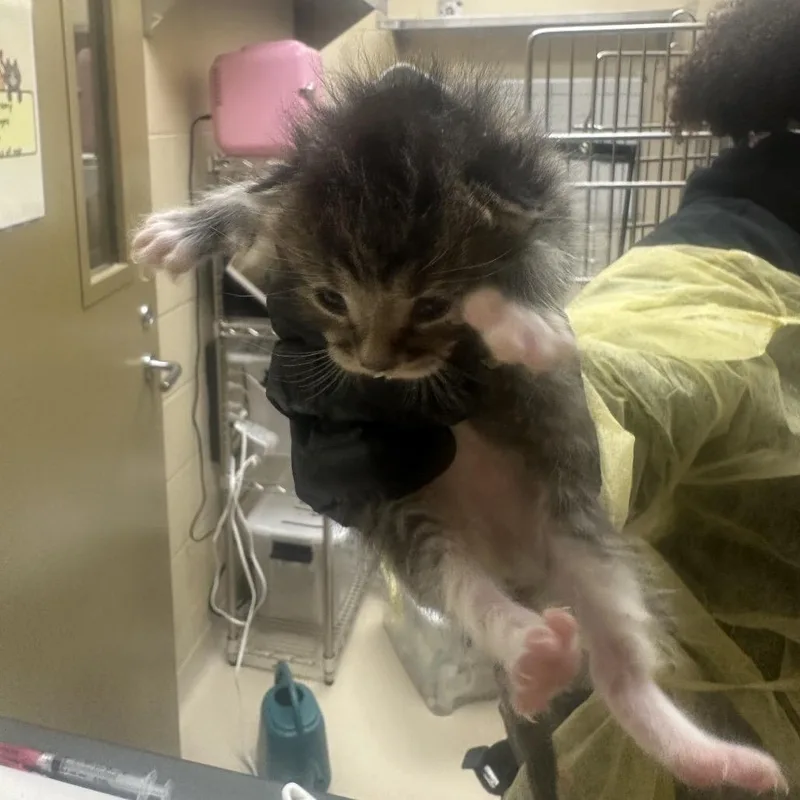
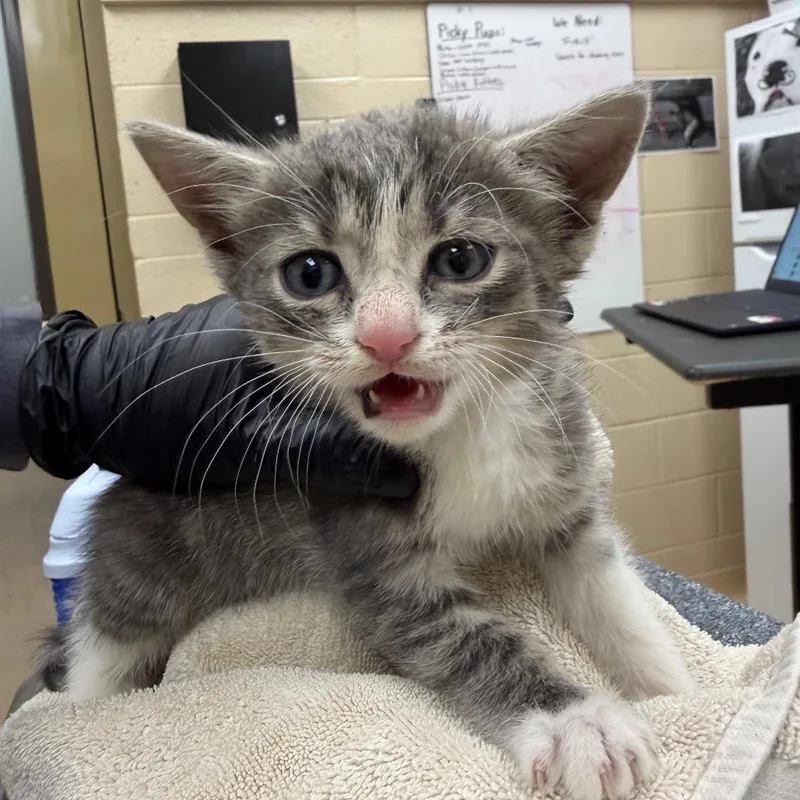
Calico Cats for Adoption in Winston-Salem, NC

Your guide to finding and caring for a Calico in Winston-Salem

A Calico fits Winston-Salem's older bungalows and downtown lofts easily, because she doesn't need a yard. She can claim a sunny window in a West End house or a perch by the glass in an Innovation Quarter apartment. Calico is a coat pattern, not a breed, so personalities run from shy to bold. What most share is a need for daily play and a quiet room to settle into during the first week. Plan on keeping her indoors, where she's safest.

1465 Calicos available in Winston-Salem and nationwide

Bring home a Calico

Calicos Available for Adoption Near Winston-Salem

About the Calico breed

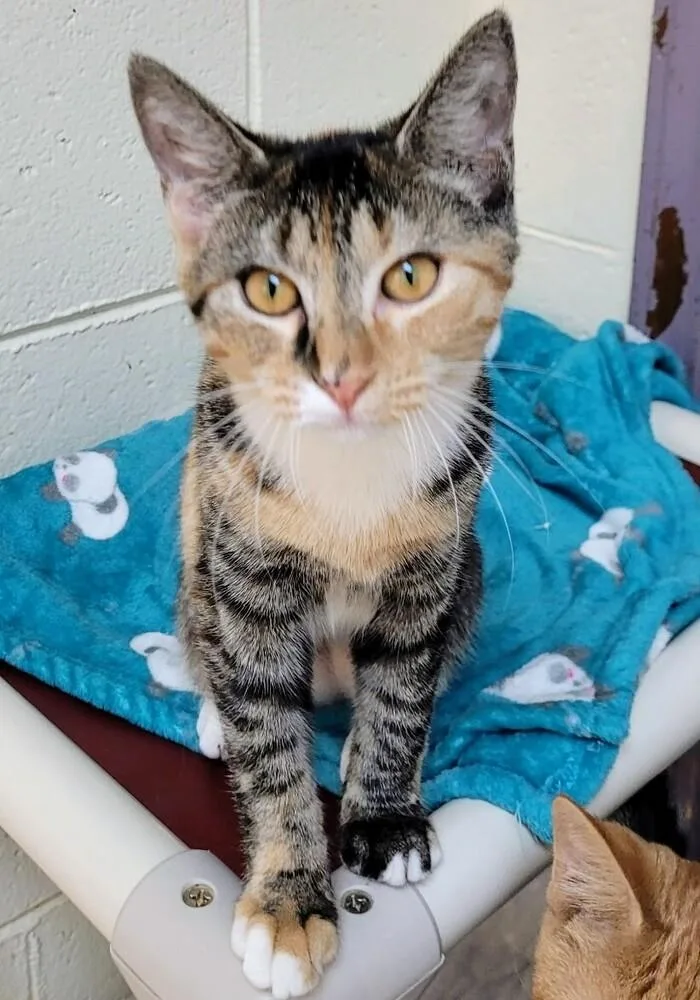
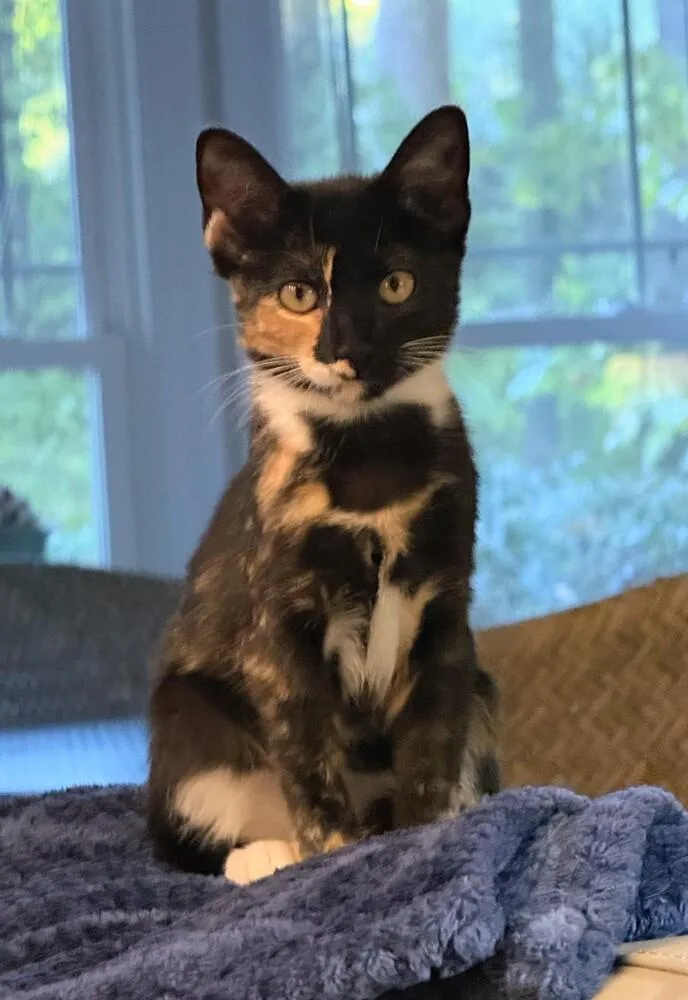
Calico describes a coat, white with patches of orange and black, or gray and cream in the dilute version, rather than a breed. The pattern appears on domestic shorthairs, longhairs and many pedigreed breeds, and nearly all calicos are female. Most calicos you'll meet are domestic shorthairs weighing about 6 to 12 pounds, with a lifespan of 12 to 18 years.

Because coat color doesn't predict personality, treat the "tortitude" reputation as folklore. A calico may be shy, chatty or independent, and moderate shedding is typical. Her care looks like any house cat's: vaccines, dental care, weight control, play and a safe indoor home. How a cat behaves with people and other pets matters far more than her patches.

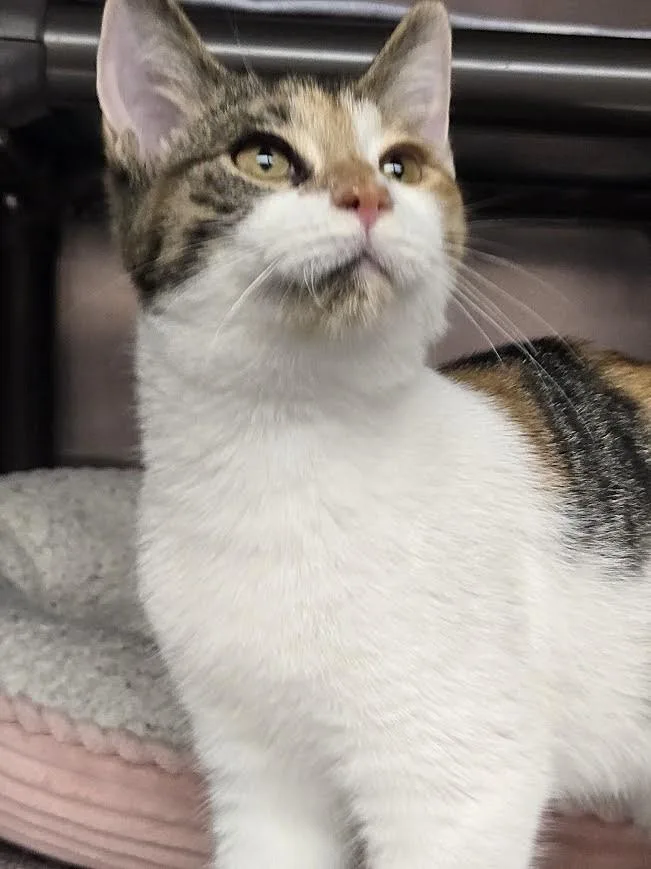
Weight
6–12 lbs
Height
8–10 in
Lifespan
12–18 yrs
Temperament
Adaptable, Affectionate, Independent
Shedding
Moderate

Owning a Calico in Winston-Salem

Having a Calico in Winston-Salem

A calico's traits come from her ancestry, upbringing and age, not her colors. In Winston-Salem, the practical questions are indoor enrichment, fit for apartments and older houses, storm and heat planning, and routine care, all covered in the cards below.

Temperament

Calicos range from shy and gentle to bold and talkative, because personality follows genes and experience rather than coat color. The "tortitude" reputation isn't reliably backed by research. In Winston-Salem's apartments and bungalows, a calm routine and a quiet room help a newly adopted cat settle, whatever her style.

Exercise Needs

Expect bursts of chasing and pouncing between long naps. Two or three short sessions with wand toys or food puzzles keep a calico fit, and a window perch gives her something to watch. Younger cats need more play than seniors. A harness or a secure catio is a safer outdoor option than free roaming.

Health Considerations

Coat color doesn't cause health problems in female calicos, so care follows any domestic cat: vaccines, dental care, weight control and yearly checkups. Rabies has been confirmed in local wildlife such as skunks, which makes up-to-date rabies vaccination important even for indoor cats. The rare male calico can face extra concerns, and a veterinarian can check for them.

Living Space

A calico adapts to a downtown apartment or an older house when she has scratching posts, a high perch, hiding spots and regular play. Window perches and sturdy scratchers protect furniture and keep her busy, which helps in rentals. A shy cat does best with a quiet room at first. Keeping her indoors is the safest choice.

What it costs to own a Calico in Winston-Salem

ExpenseTypical costPer year
Food$25 to $50 per month$300 to $600
Pet insurance$20 to $45 per month$240 to $540
Routine vet care$150 to $350 per year$150 to $350
Other*$450 to $1,150 per year$450 to $1,150
Estimated yearly total (after year one)$1,140 to $2,640

Other costs are estimates and vary with size, age and health.

* Litter, flea prevention, a dental cleaning allowance, toys and supplies, and home brushing.

Adopt a Calico in Winston-Salem.

Now that you know more, let’s find you a new best friend. These rescues and shelters below currently have Calicos available.

Rescues in Winston-Salem with Calicos Available

Winston-Salem has a county shelter, a humane society and foster-based rescues that all place cats with adopters. Here are the rescues & shelters in the Winston-Salem area where you can find Calicos and other cats available for adoption.

Frequently Asked Questions

Yes, a Calico can fit Winston-Salem life well if you can offer an indoor home with daily play. Cool winters and moderate summers suit indoor cats, and bungalows and apartments both work. Coat pattern doesn't predict personality, so judge a cat by how she behaves with people, and plan for storm season and summer heat.

Yes, no known rule restricts owning a cat in Winston-Salem because of her coat. Forsyth County requires cats to be kept on your property, registered within 60 days of acquiring them ($5 spayed or neutered, $25 unaltered) and vaccinated against rabies from three months old. Renters should confirm their lease allows cats and any pet fee.

Yes, most Calicos adapt well to apartments when they have scratching posts, a window perch, hiding spots and daily play. Secure window screens and balcony enclosures keep her safe, and a quiet room helps a shy cat settle in. Check your lease for pet fees or limits before you adopt.

Yes, indoor Calicos do well in Winston-Salem's four-season climate. Winters are cool, summers reach 90°F about 33 days a year, and 100°F days are rare. Keep rooms cool with fans or air conditioning in July, and prepare for occasional ice storms and spring thunderstorms with a carrier, extra litter and a quiet interior room.

No, Winston-Salem Transit Authority rules say pets aren't allowed on its buses, and no carrier exception is stated. Only service animals are permitted. The city has buses but no subway or rail. Plan vet trips by car or with a pet-friendly ride, and use a sturdy, well-ventilated carrier.

Most Calicos are shorthaired and need a brush about once a week, while longhaired ones do better with several sessions a week to prevent mats. Shedding is moderate and rises in spring and fall. Home brushing is covered in the Other line of the cost table, so grooming costs stay modest unless a longhaired cat needs occasional professional help.

Almost all calico cats are female, but not every single one. The genes for orange and black coat color sit on the X chromosome, so a cat normally needs two X chromosomes to show both colors at once. Roughly 1 in 3,000 calicos is male, usually because of an extra X chromosome, a genetic quirk rather than a separate type.

A calico cat is any cat with a three-color coat of white plus distinct patches of black and orange, or gray and cream in dilute calicos. Calico is a coat pattern rather than a breed, so it appears in domestic shorthairs, longhairs and many pedigreed breeds. Nearly all calicos are female because of how coat color genes are inherited.

We have 1 rescue with Calicos available: Helping Hands 4 Paws. You can see every rescue with Calicos available in the list above these questions, or scroll to the top to see the Calicos near Winston-Salem.

Plan on roughly $1,140 to $2,640 a year for a Calico in Winston-Salem. That covers food at $25 to $50 a month, insurance at $20 to $45 a month, routine vet care of $150 to $350 a year, and $450 to $1,150 a year for litter, parasite prevention, dental care and supplies. Emergency care costs extra.