Mixed Breed Cats for Adoption in Waynesville, NC

Your guide to finding and caring for a Mixed Breed Cat in Waynesville

104 Mixed Breed Cats available in Waynesville and nationwide

Find your mixed breed cat

While we don't have enough cats near Waynesville, keep in mind that many rescues may offer transport.

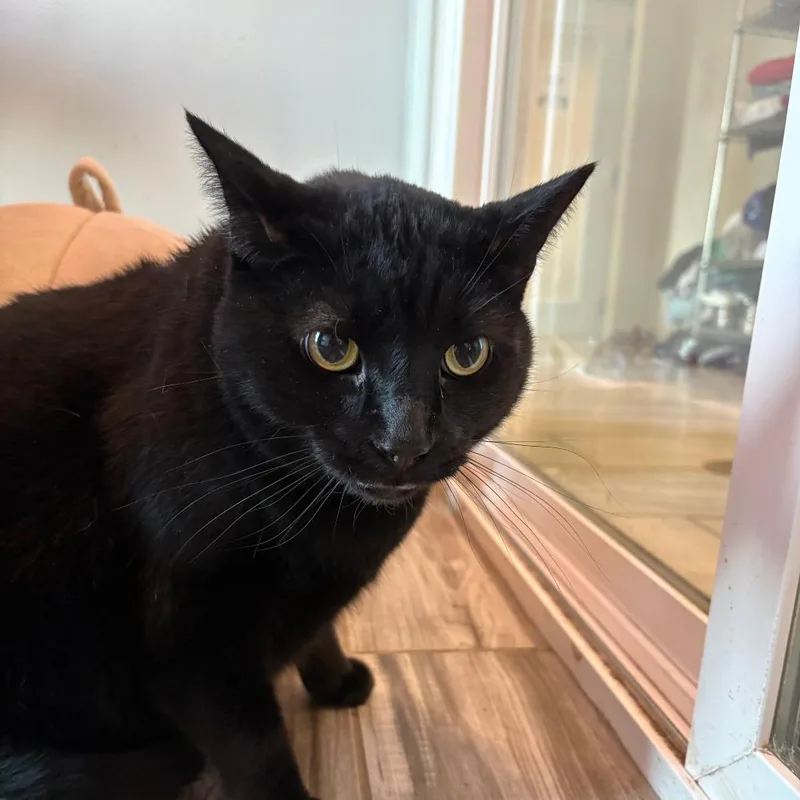
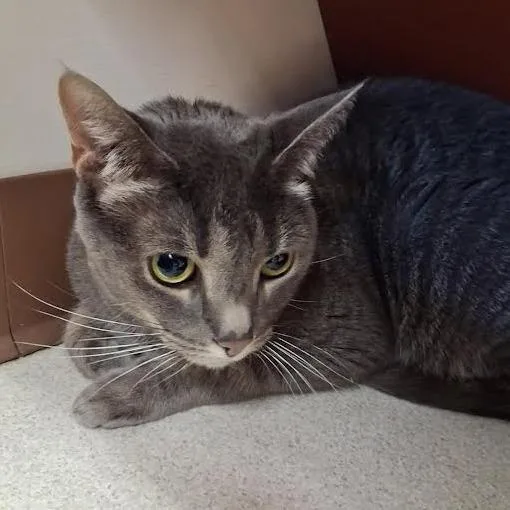
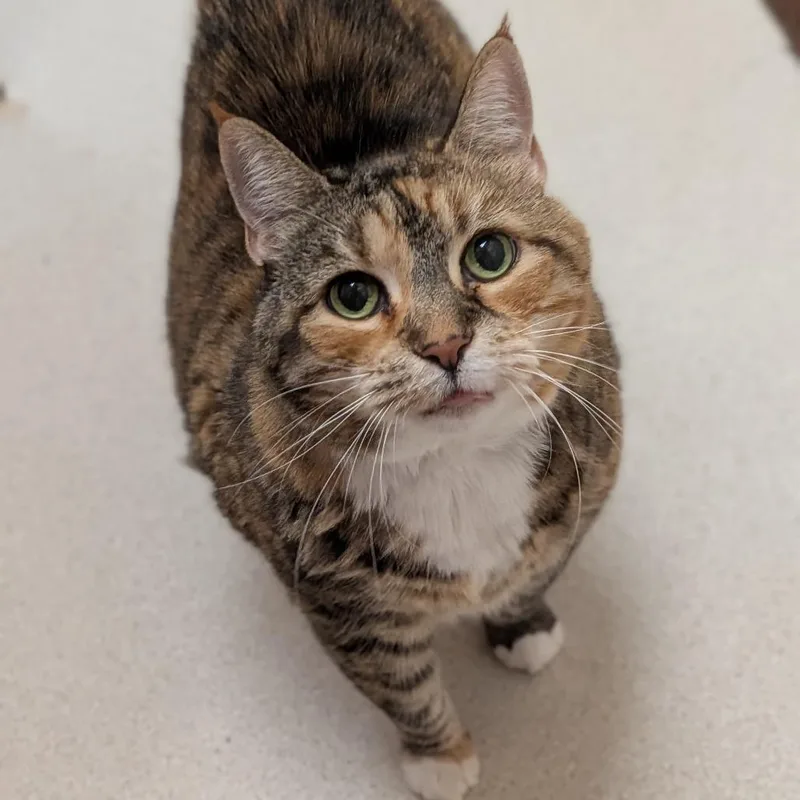
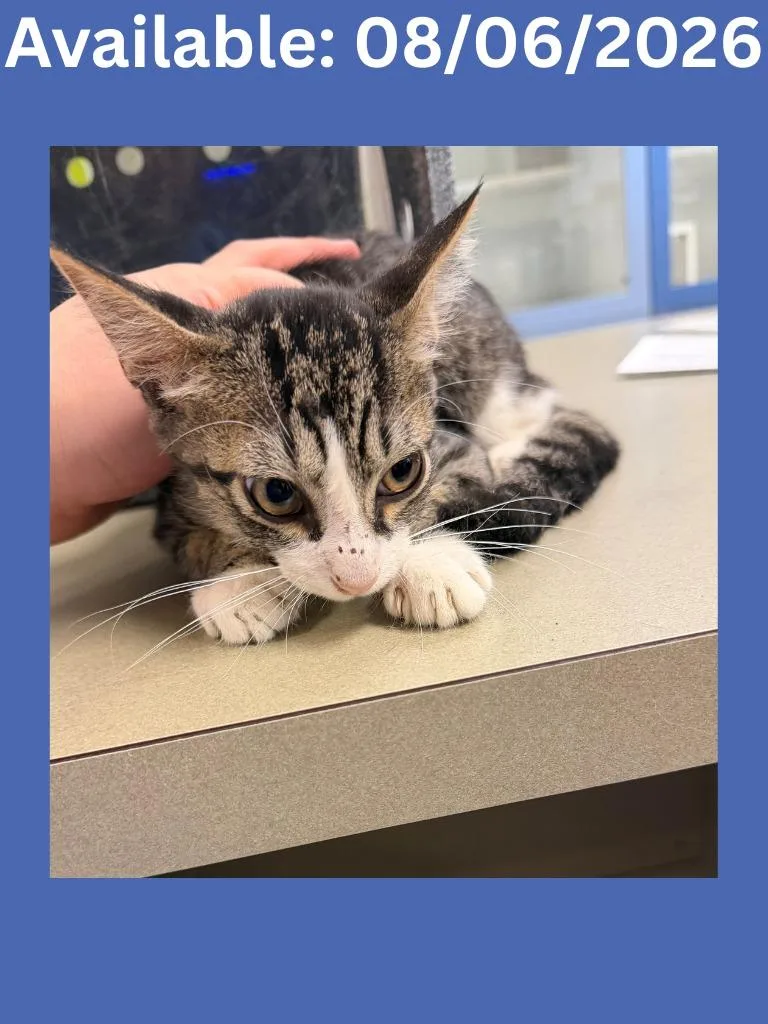
Mixed Breed Cats Available for Adoption Near Waynesville

About the Mixed Breed Cat breed

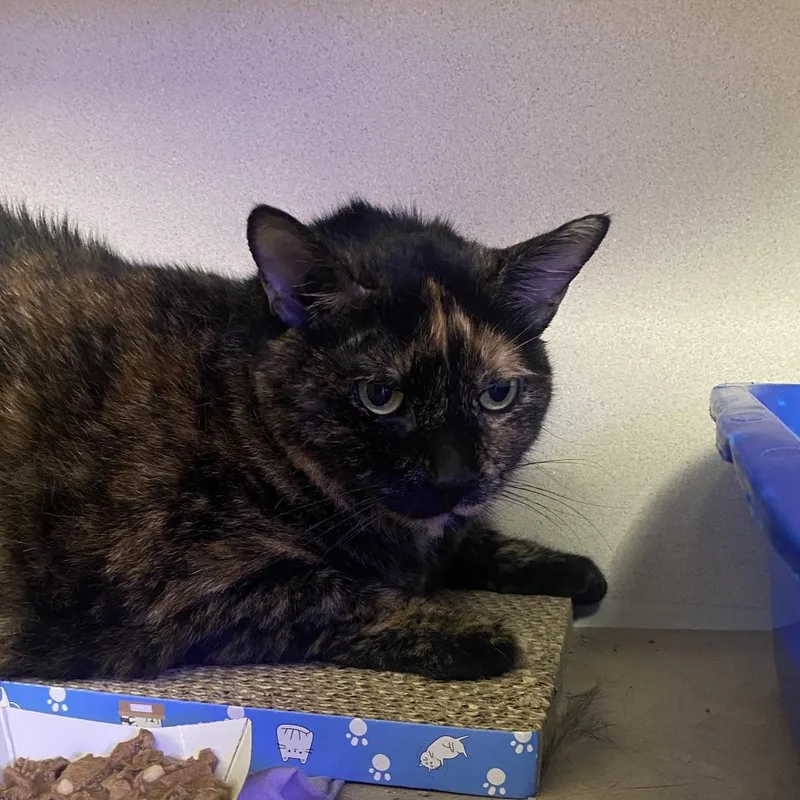
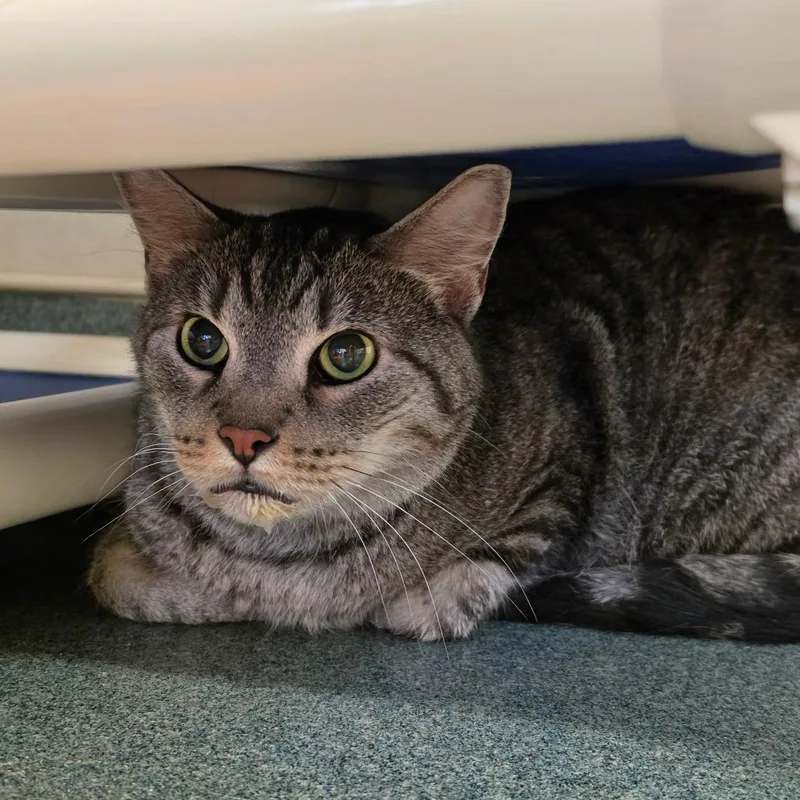
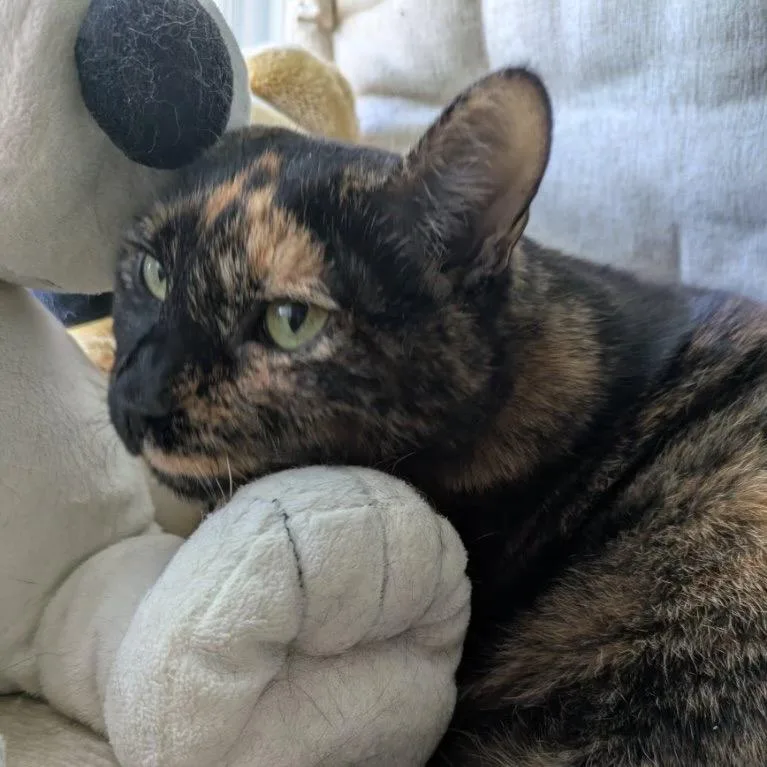
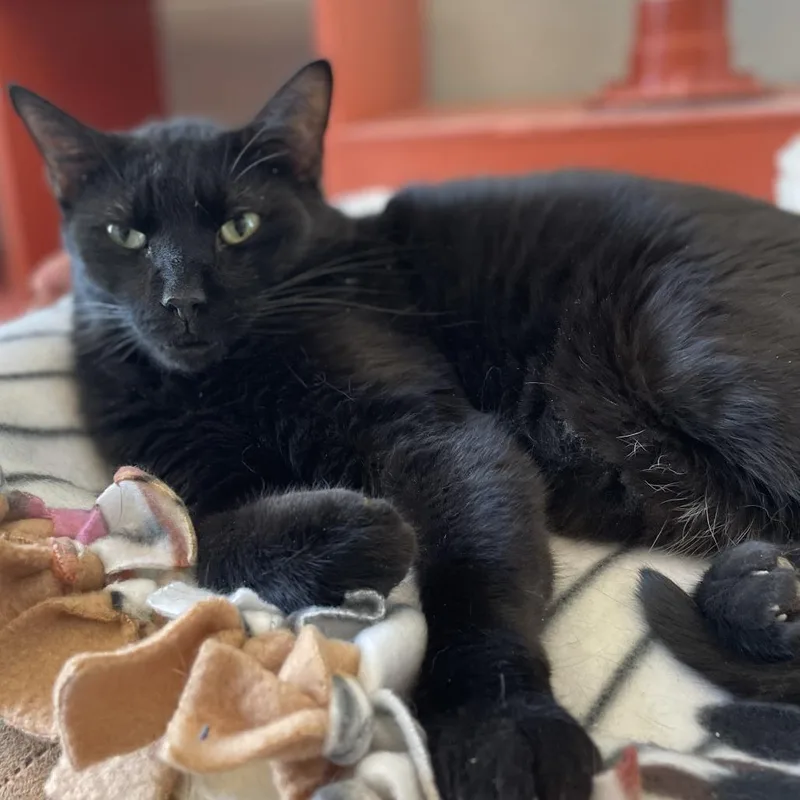
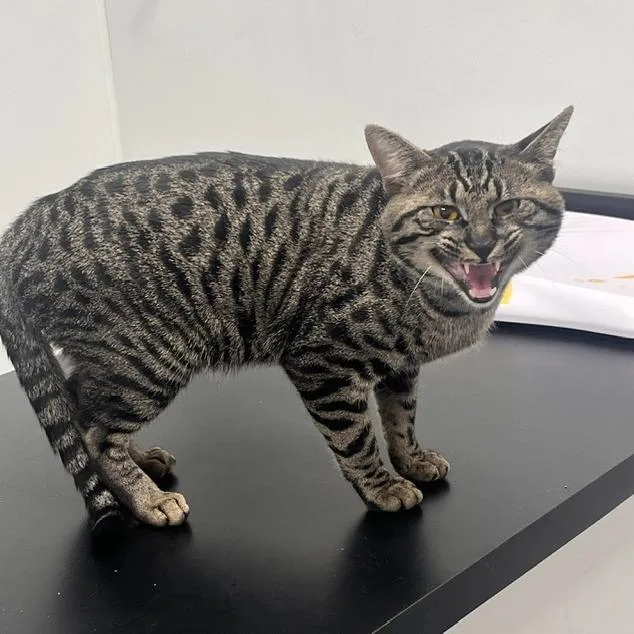
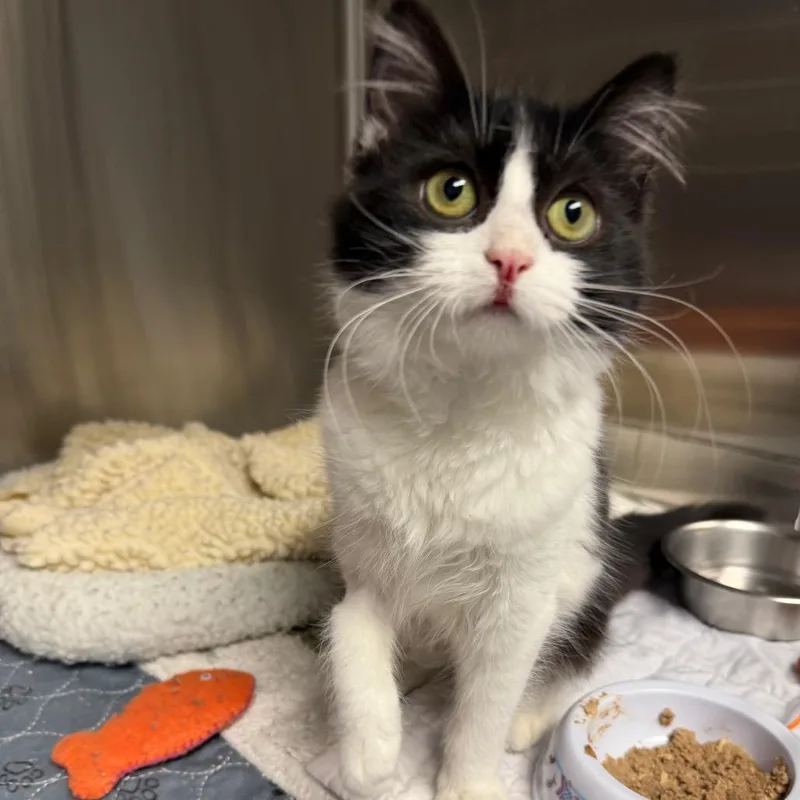
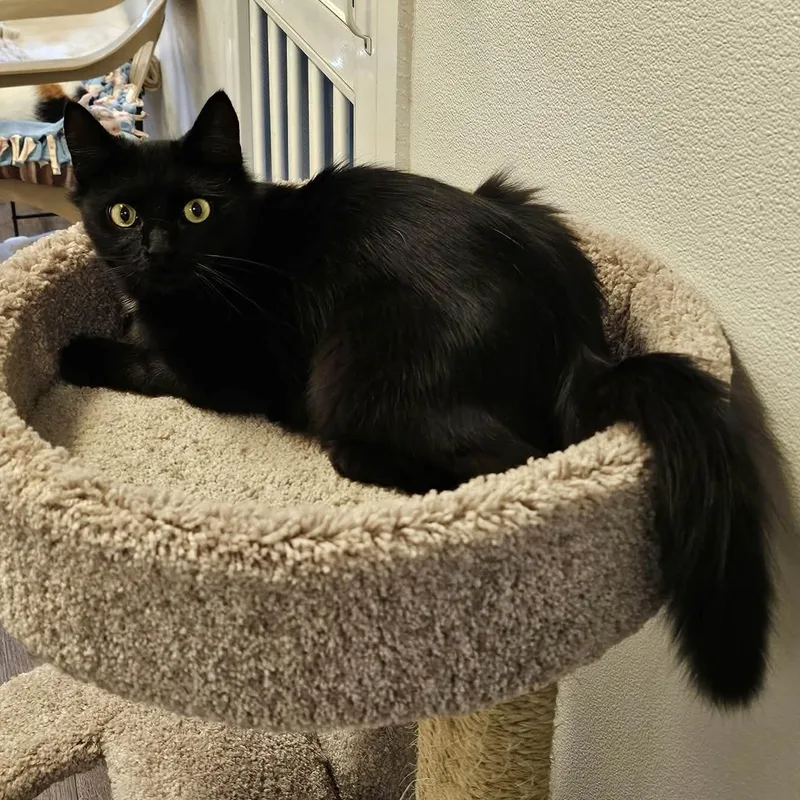
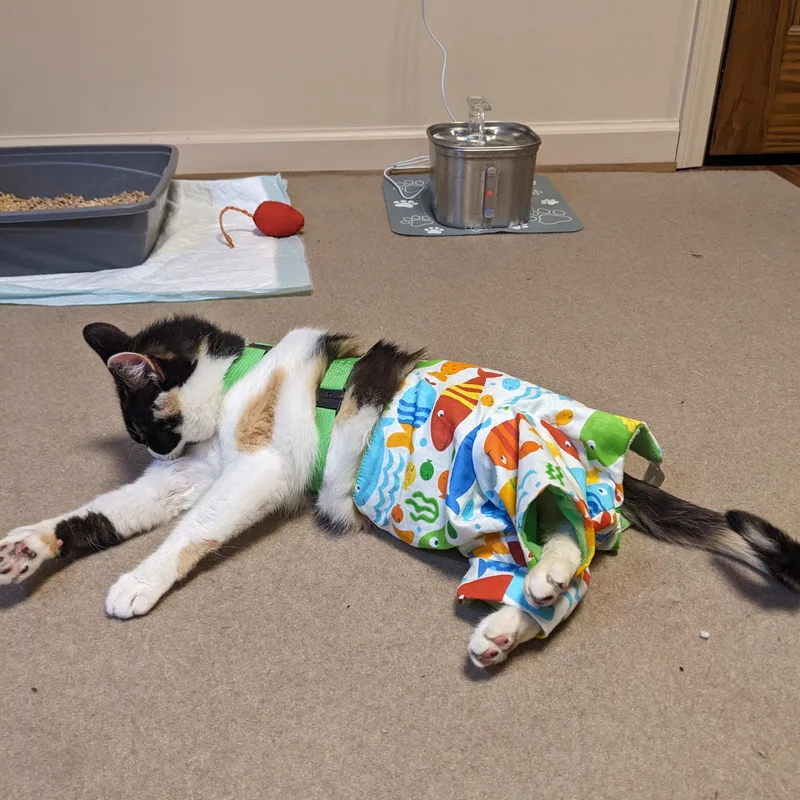
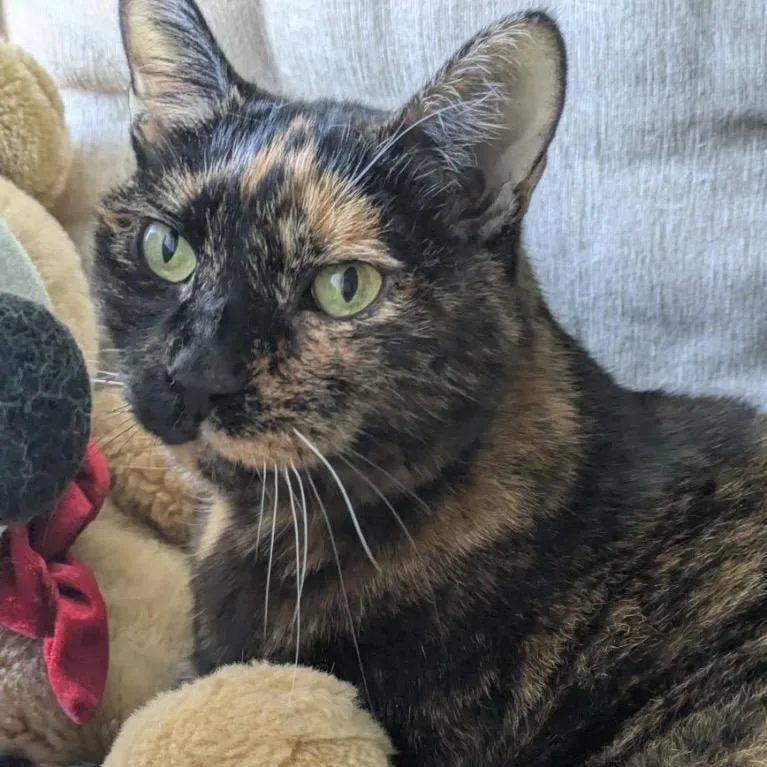
A mixed breed cat is a cat of no particular breed, usually a domestic shorthair, medium-hair or longhair whose ancestry is mixed or unknown. These cats make up the large majority of cats in American homes and shelters. They come in every coat length, color and pattern, and names like tabby, tuxedo or calico describe their coats rather than a breed.

With such a broad gene pool, size, energy and personality vary widely, from lap-loving homebodies to busy explorers. Most are medium-sized, sturdy and adaptable, and a cat's age, history and observed behavior predict far more than looks do. Adopters can match energy, sociability and grooming needs to their household rather than relying on breed labels.

Weight
6–14 lbs
Height
8–10 in
Lifespan
12–18 yrs
Temperament
Adaptable, Curious, Affectionate
Shedding
Moderate

Owning a Mixed Breed Cat in Waynesville

Having a Mixed Breed Cat in Waynesville

Mixed breed cats share little beyond wide genetic diversity and a reputation for adaptability. Personality, energy, coat care and health depend on the cat, so looking closely at each cat's age, history and behavior is the most reliable way to find a match.

Temperament

Mixed breed cats range from outgoing and cuddly to shy and independent. Many adapt well to new homes and settle in with other cats or calm dogs after gradual introductions. Kittens are often bold and playful, while adults have settled personalities that are easier to read.

Exercise Needs

Most mixed breed cats need daily interactive play to stay fit and content, especially indoors. Wand toys, chase games and puzzle feeders satisfy hunting instincts, while young cats may want several bursts of activity a day. Seniors usually prefer shorter, gentler sessions. Climbing spaces and window perches provide stimulation between play times.

Health Considerations

Mixed ancestry may lower the risk of some breed-specific inherited diseases, but these cats face common feline problems: obesity, dental disease and urinary issues, plus kidney disease, hyperthyroidism and diabetes as they age. Longhaired cats can mat. Regular veterinary exams, weight checks and dental care catch problems early, so ask for any available medical records.

Living Space

Mixed breed cats usually adapt well to apartments or houses when they have enrichment and quiet places to retreat. Vertical space, scratching posts, hiding spots and a clean litter box matter more than square footage. Keeping cats indoors or in a secure enclosure protects them and local wildlife, and window screens help prevent falls.

What it costs to own a Mixed Breed Cat

ExpenseTypical costPer year
Food$25 to $50 per month$300 to $600
Pet insurance$20 to $45 per month$240 to $540
Routine vet care$150 to $350 per year$150 to $350
Other*$450 to $1,250 per year$450 to $1,250
Estimated yearly total (after year one)$1,140 to $2,740

Other costs are national averages for Mixed Breed Cats; we don't have costs specific to Waynesville yet.

* Litter, flea prevention, a dental cleaning allowance, toys, scratchers and other supplies, and grooming that ranges from almost none for short coats to regular brushing for long ones; costs vary with each cat's size and coat.

Adopt a Mixed Breed Cat in Waynesville.

Now that you know more, let’s find you a new best friend. These rescues and shelters below currently have Mixed Breed Cats available.

Rescues in Waynesville with Mixed Breed Cats Available

Here are the rescues & shelters in the Waynesville area where you can find Mixed Breed Cats and other cats available for adoption.

Frequently Asked Questions

A mixed-breed cat is a cat whose ancestry is mixed or unknown rather than traced to a single recognized breed. Most aren't a cross of two breeds at all: they come from generations of random mating among ordinary house and outdoor cats. Shelters usually list them as domestic shorthair, medium hair or longhair, a description of coat length rather than a breed.

In the US, a mixed-breed cat is usually called a domestic shorthair, domestic medium hair or domestic longhair, often shortened to DSH, DMH and DLH on shelter and veterinary records. Informal names include house cat, random-bred cat and non-pedigree cat, and in Britain a moggy. Words like tabby, tuxedo and calico describe coat patterns, not breeds.

Yes, in everyday terms. Most cats are the feline equivalent of a mutt, though the word is rarely used for them. Unlike most dogs, cats were never widely developed into breeds, so the typical house cat comes from a long line of random-bred cats. Veterinarians and shelters call these cats domestic shorthairs, medium hairs or longhairs instead.

Moggy, also spelled moggie and sometimes shortened to mog, is an informal British word for a mixed-breed or non-pedigree cat, the everyday house cat with no particular breed. It's used affectionately in the UK, Ireland, Australia and New Zealand. In the US, the same cat would usually be described as a domestic shorthair, medium hair or longhair.

Nobody knows for certain. The most widely accepted explanation is that moggy comes from Maggie, a pet form of the name Margaret. In some English dialects it was used for a cow or calf and for a scruffy or untidy woman before it came to mean an ordinary house cat, a usage recorded from around the early 20th century.

Exact counts don't exist, because most pet cats are never registered or tested. Commonly cited estimates put mixed-breed cats at roughly 90 to 95 percent of pet cats in the US, which makes pedigreed cats a small minority. In shelters the share is likely even higher, since most cats arrive as strays, community cats or unplanned litters.

Most cats in shelters are mixed breed because most cats everywhere are. Pedigreed cats are a small share of the population, while free-roaming and unspayed pet cats keep producing litters of random-bred kittens, especially during the spring and summer kitten season. Strays, community cats and surprise litters make up much of what shelters take in, so domestic shorthairs dominate.

Usually you can't, and for most cats there's nothing to find. Coat color, pattern and length are shared by many breeds and by ordinary random-bred cats, so looks alone can't identify a breed. A cat counts as purebred only with documented ancestry from a registry. Without papers, a cat is best described by its coat, such as a domestic longhair or a gray tabby.

Partly. Consumer cat DNA tests compare a sample to reference populations and can report breed signals, ancestral regions and some genetic health markers. Cat breeds are fairly young and genetically close to ordinary cats, so most mixed-breed cats come back as largely random-bred, with any breed matches being loose. Health marker results are worth reviewing with a veterinarian before acting on them.

We have 1 rescue with Mixed Breed Cats available: Sarge's Animal Rescue Foundation. You can see every rescue with Mixed Breed Cats available in the list above these questions, or scroll to the top to see the Mixed Breed Cats near Waynesville.

Find Mixed Breed Cats in Nearby Cities

Expand your search to find Mixed Breed Cats available for adoption near Waynesville.

Explore Other Breeds in Waynesville

Looking for a different breed? Browse other cats available for adoption in Waynesville.