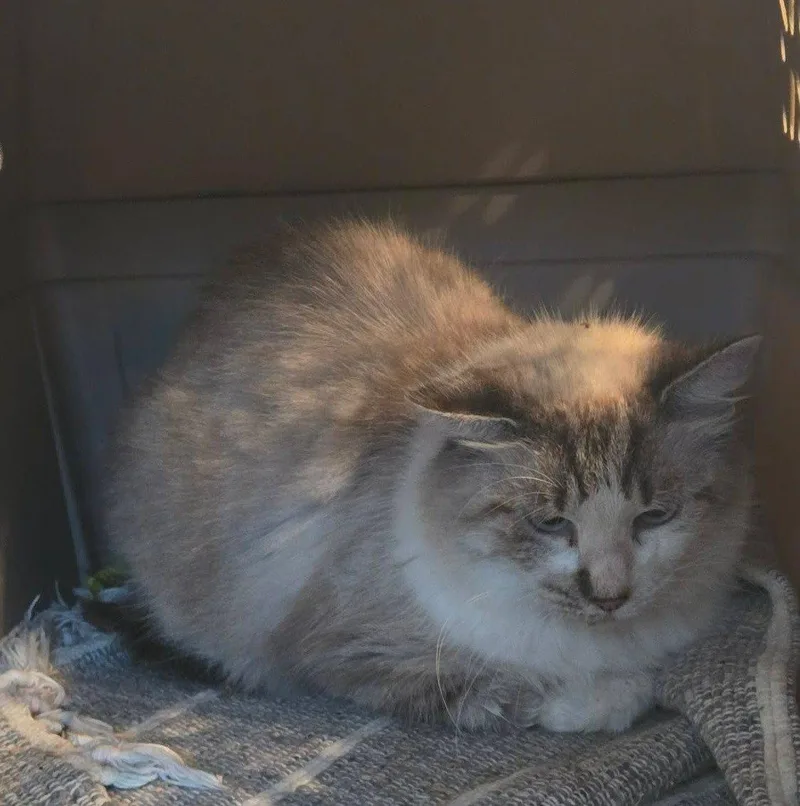
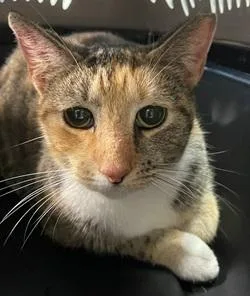
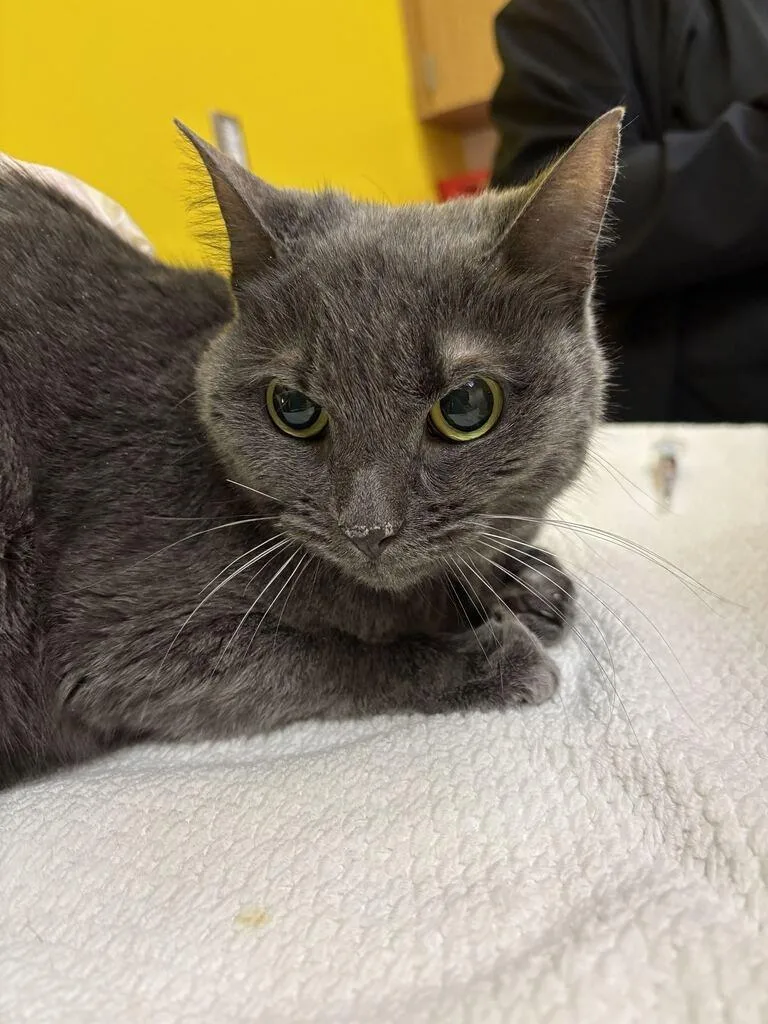
Torbie Cats for Adoption in Raleigh, NC

Your guide to finding and caring for a Torbie in Raleigh

A torbie suits Raleigh's older bungalow neighborhoods and newer downtown apartments equally well. Torbie is a coat pattern, tortoiseshell mixed with tabby, so these cats come in every temperament, from shy to chatty. In a Boylan Heights bungalow with a big porch view or a Warehouse District apartment, a torbie mostly needs a window perch, a good scratching post and a daily play session with a wand toy. Nearly all of them are female.

339 Torbies available in Raleigh and nationwide

Fall for a Torbie

While we don't have enough cats near Raleigh, keep in mind that many rescues may offer transport.

Torbies Available for Adoption Near Raleigh

About the Torbie breed

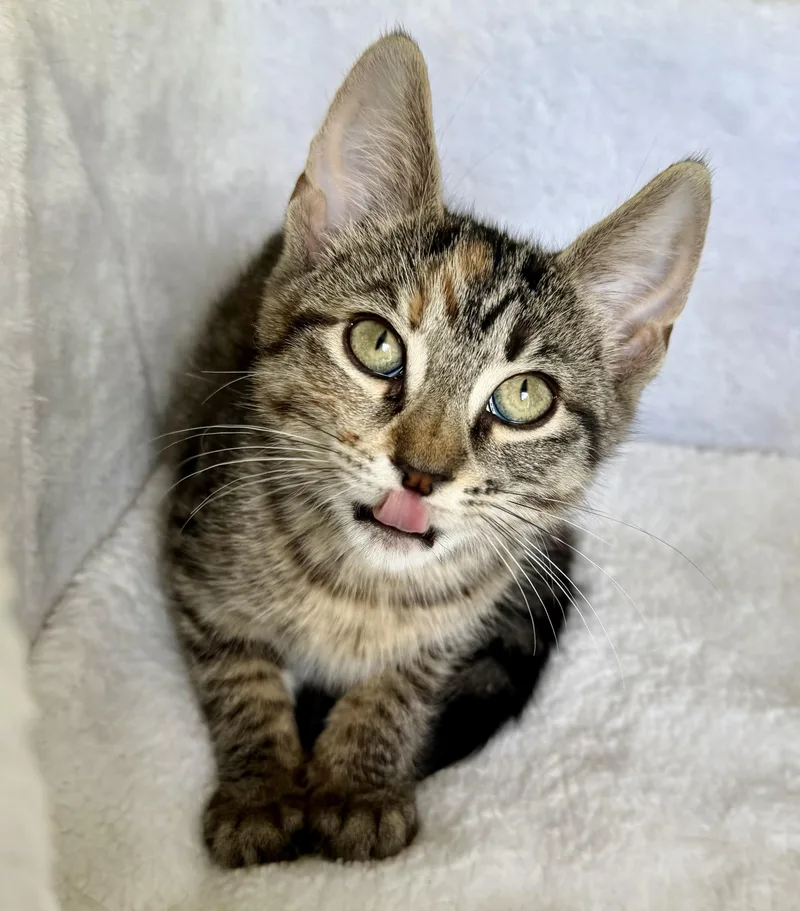
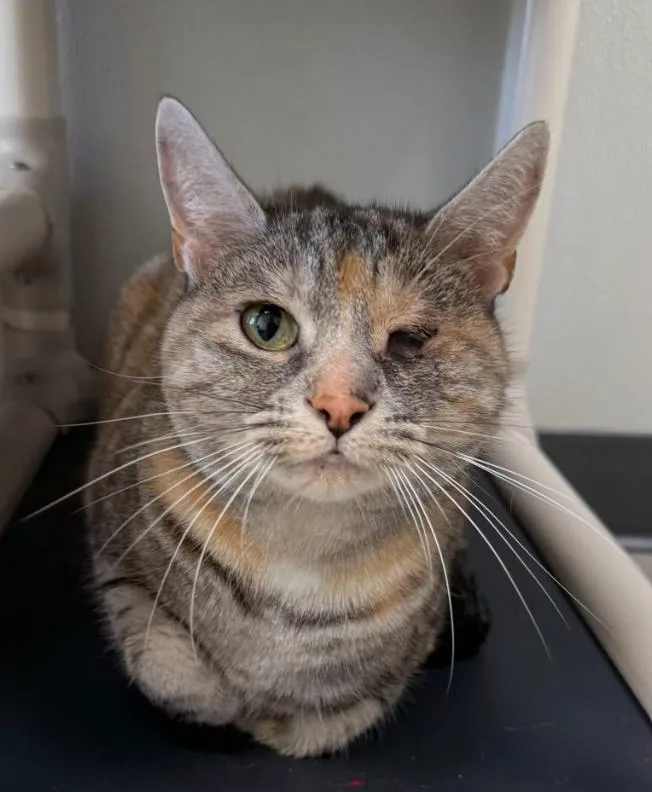
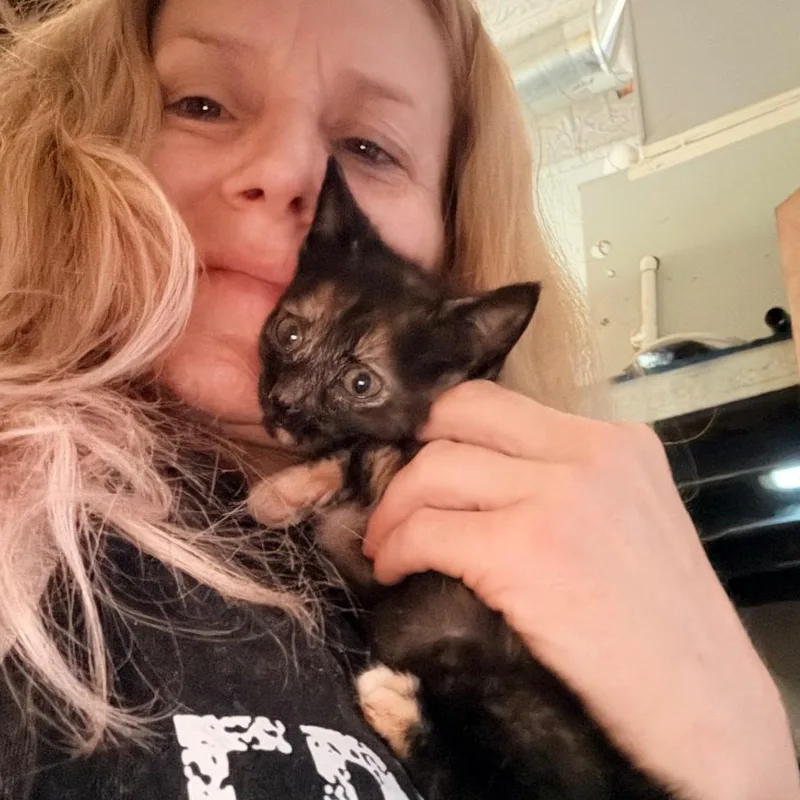
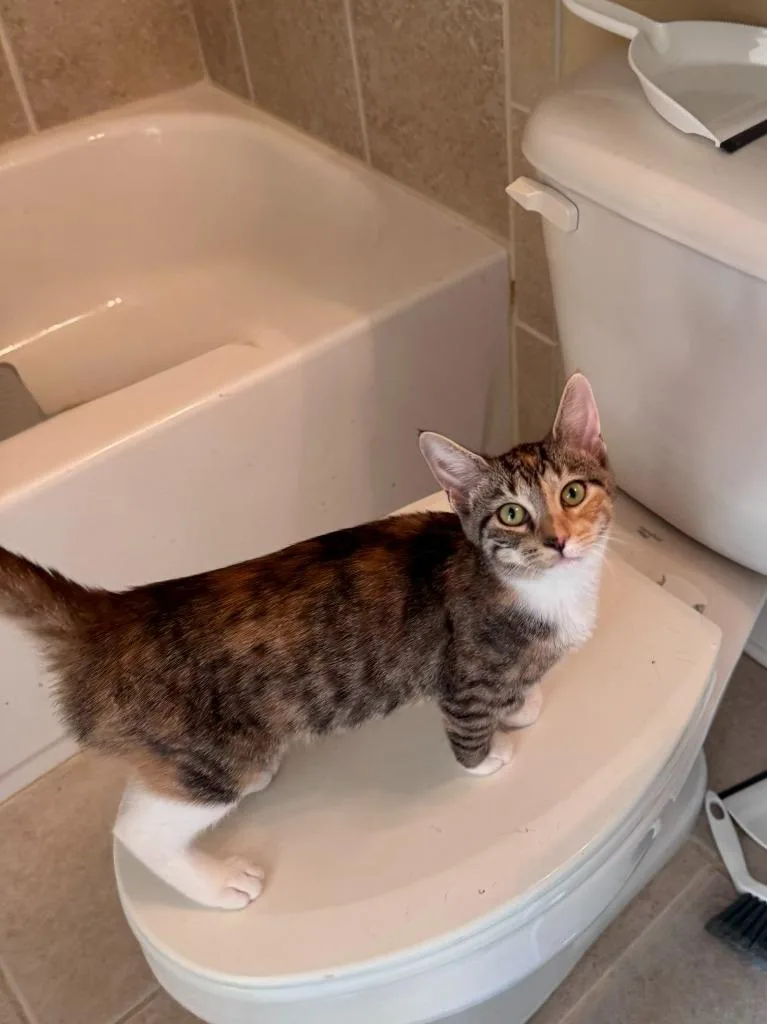
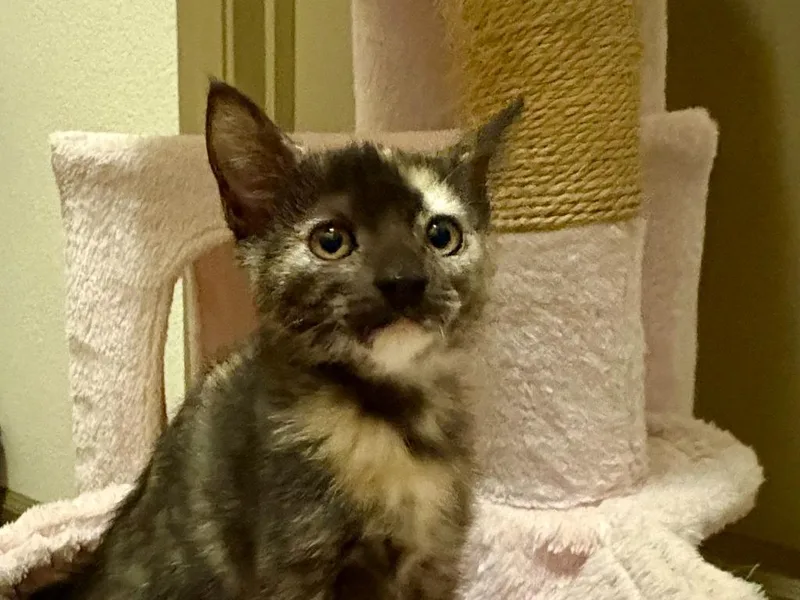
Torbie isn't a breed. It's a coat pattern that blends tortoiseshell patches of black-based and orange-based color with tabby stripes, swirls or spots, often with the tabby M on the forehead. Variations include brown, blue-and-cream and silver torbies, and a torbie with a lot of white is sometimes called a caliby.

Most torbies are domestic shorthairs or longhairs, so weight runs roughly 6 to 14 pounds and coats range from sleek to fluffy. Shedding is moderate, and weekly brushing keeps hair off the furniture, which matters in a smaller apartment. Cats of every temperament wear this pattern, so spend time with a cat before deciding. Torbies often live 12 to 18 years, a long commitment worth planning for.

Weight
6–14 lbs
Height
8–10 in
Lifespan
12–18 yrs
Temperament
Playful, Affectionate, Curious
Shedding
Moderate

Owning a Torbie in Raleigh

Having a Torbie in Raleigh

Torbie describes a coat, not a breed, so these cards cover domestic cats in general. In Raleigh, an indoor torbie fits apartments and houses alike. A cat's age, history and energy shape its needs far more than color does.

Temperament

Torbies are often called spirited, playful and affectionate, but that comes from owner impressions, not research, and coat color doesn't predict behavior. Some are shy, others outgoing. In a Raleigh apartment, a sociable cat is happiest with a window view and regular play, and time with a cat shows how it handles noise and visitors.

Exercise Needs

Daily interactive play does most of the work: wand toys, chase games, puzzle feeders and a cat tree. Young torbies may want several short sessions a day, older cats gentler ones. Indoor play also keeps a cat away from traffic, ticks and the coyotes that live throughout North Carolina.

Health Considerations

The torbie pattern carries no known health risks for female cats, so health depends on a cat's age, ancestry and care. Plan on yearly veterinary exams, vaccines, dental care and a healthy weight. North Carolina law requires rabies vaccination for cats over four months, and a vet can check a newly adopted cat at a first visit.

Living Space

Torbies adapt to apartments, bungalows and houses alike, because space needs come from the cat rather than its coat. Vertical room matters more than square footage, so a cat tree, window perch and hiding spots go a long way. Shy cats settle best in quieter homes, while social ones handle busy households.

What it costs to own a Torbie in Raleigh

ExpenseTypical costPer year
Food$25 to $50 per month$300 to $600
Pet insurance$20 to $45 per month$240 to $540
Routine vet care$150 to $350 per year$150 to $350
Other*$450 to $1,150 per year$450 to $1,150
Estimated yearly total (after year one)$1,140 to $2,640

Other costs are estimates and vary with size, age and health.

* Litter, flea and tick prevention, a dental cleaning allowance, toys and supplies, and home grooming; Raleigh charges no pet license.

Adopt a Torbie in Raleigh.

Now that you know more, let’s find you a new best friend. These rescues and shelters below currently have Torbies available.

Frequently Asked Questions

Yes, a torbie can be a good fit for Raleigh when the cat suits your household. The city's mix of bungalows and apartments works for indoor cats, and mild springs and falls make comfortable window-watching seasons. Because torbie is a coat pattern, personality varies widely, so look at each cat's age, energy and comfort with noise, then browse the cats listed on this page.

Yes, torbies adapt well to apartments, because a cat's space needs depend on personality, not coat. Provide a window perch, cat tree, scratching posts and daily wand-toy play. Keep the litter box in a quiet spot away from food, and use secure window screens, since open windows are tempting in Raleigh's mild spring and fall.

Yes, you can get a torbie in Raleigh, and no known local rule limits cats by coat or breed. Before bringing one home, set up a litter box, carrier, scratching post and a quiet room for the first few days. Schedule a veterinary visit soon after adoption, and register a microchip with your current contact details.

Yes, indoor torbies handle Raleigh summers well. Keep rooms cool, offer fresh water in several spots and close blinds on sunny afternoons, since warm nights let heat linger. Heavy panting, drooling, weakness or collapse need veterinary care right away. Brushing during the hottest months helps manage shedding and keeps a cat more comfortable.

A torbie needs little grooming in Raleigh: brushing about once a week for short coats and more often for longhairs, to manage moderate shedding. Humid summers and seasonal shedding may call for extra sessions. Most owners groom at home, which is part of the yearly Other costs, and occasional nail trims add very little.

Generally no. GoRaleigh's published rider rules say pets aren't allowed, though service animals are, and GoTriangle carries only service animals. Raleigh has buses but no subway or rail transit. Check GoRaleigh's current rules before riding with a cat in a carrier, and plan on a car or ride for vet visits.

Possibly, on outdoor patios only. North Carolina lets restaurants allow dogs and cats outdoors if they're physically restrained and don't pass through indoor areas, but each restaurant decides, and pets aren't allowed inside. Most torbies are happier at home, so if you try a patio, use a secure carrier or harness and keep the outing short.

A torbie cat is a cat whose coat combines tortoiseshell and tabby patterns, with patches of black-based and orange-based color plus tabby stripes, swirls or spots. It is a coat pattern, not a breed, and appears mostly in domestic shorthairs and longhairs. Torbies are also called tortie-tabbies or patched tabbies, and nearly all are female.

We have 1 rescue with Torbies available: Second Chance Pet Adoptions - Adoption Center. You can see every rescue with Torbies available in the list above these questions, or scroll to the top to see the Torbies near Raleigh.

A torbie typically costs about $1,140 to $2,640 a year in Raleigh: food at $25 to $50 a month, insurance at $20 to $45 a month, routine vet care at $150 to $350 a year, and other costs at $450 to $1,150 a year. Raleigh charges no pet license fee. Adoption fees appear on the listings.

Find Torbies in Nearby Cities

Expand your search to find Torbies available for adoption near Raleigh.