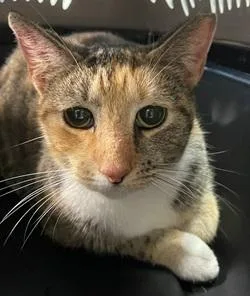
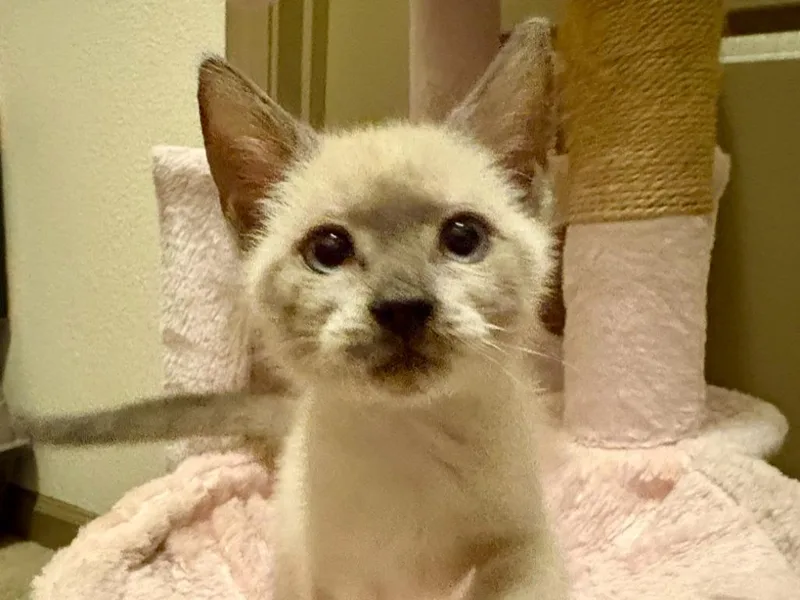
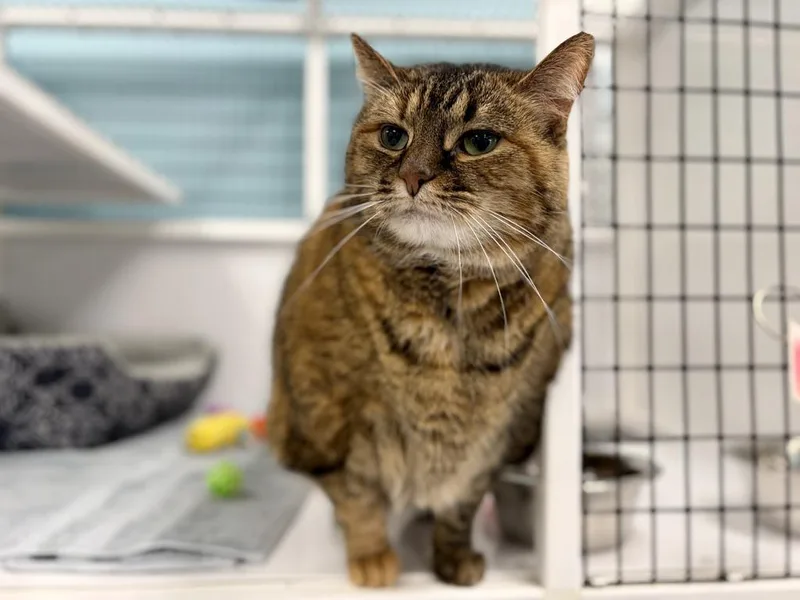
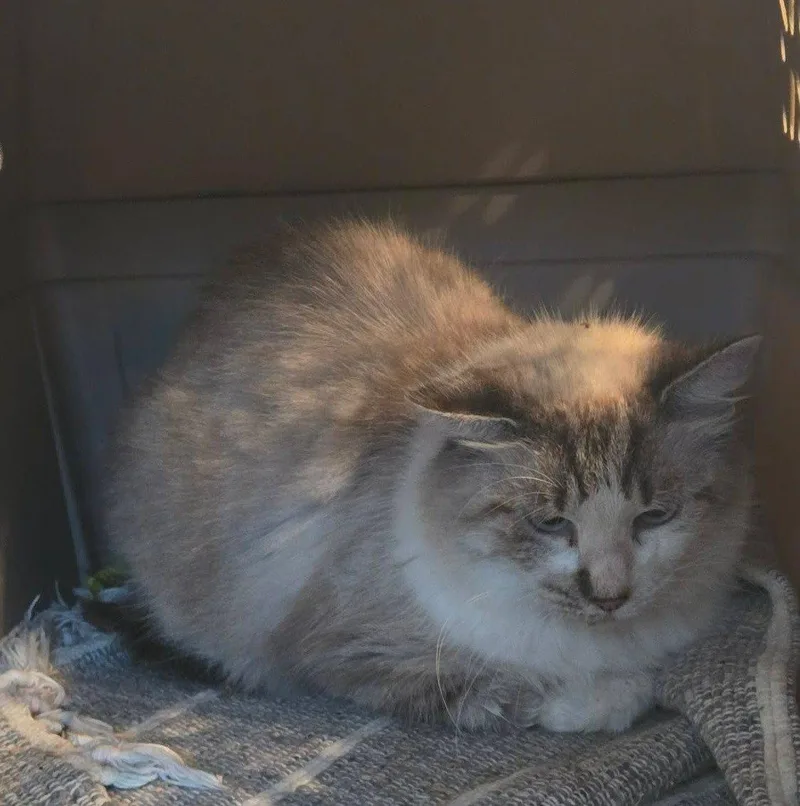
Tiger Cats for Adoption in Raleigh, NC

Your guide to finding and caring for a Tiger in Raleigh

A Tiger cat fits Raleigh's bungalows and apartment towers equally well. Whether it's a porch-front bungalow in Boylan Heights or a brick loft in the Warehouse District, a striped cat mostly needs a sunny window, a tall scratching post and a daily play session. Tiger is a coat pattern, not a breed, so personalities run from shy to chatty. Spend time with a cat before deciding, and plan on keeping it indoors, away from traffic.

200 Tigers available in Raleigh and nationwide

Find your forever Tiger cat

While we don't have enough cats near Raleigh, keep in mind that many rescues may offer transport.

Tigers Available for Adoption Near Raleigh

About the Tiger breed

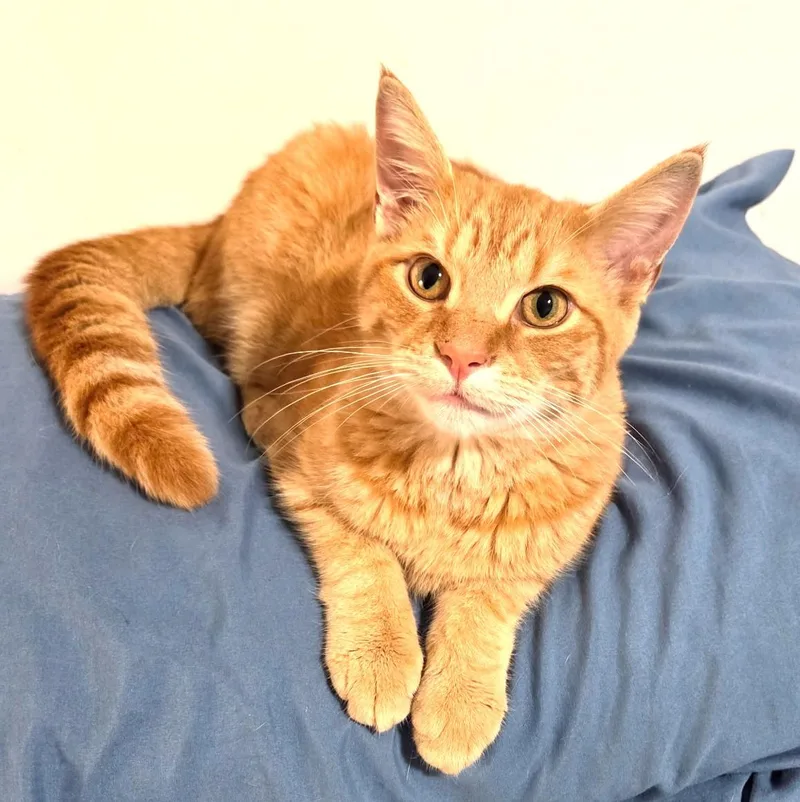
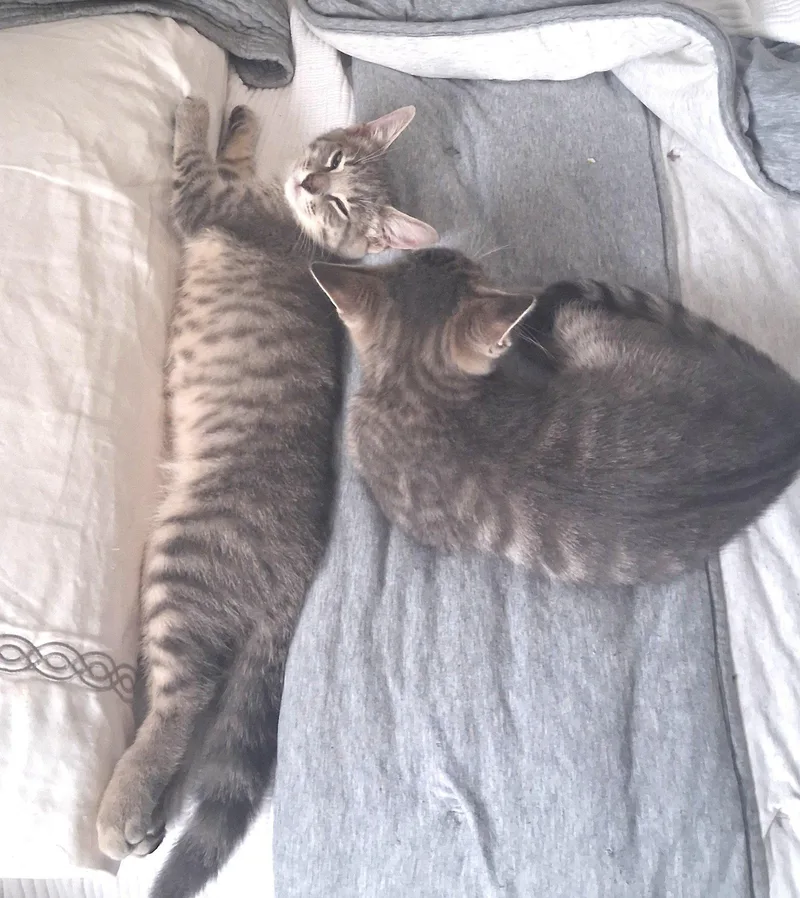
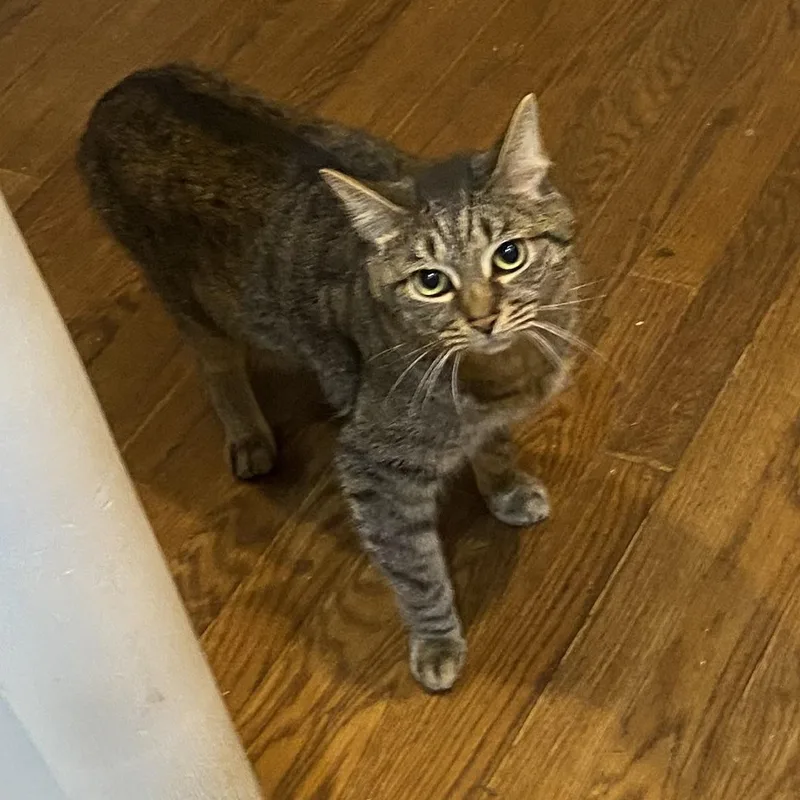
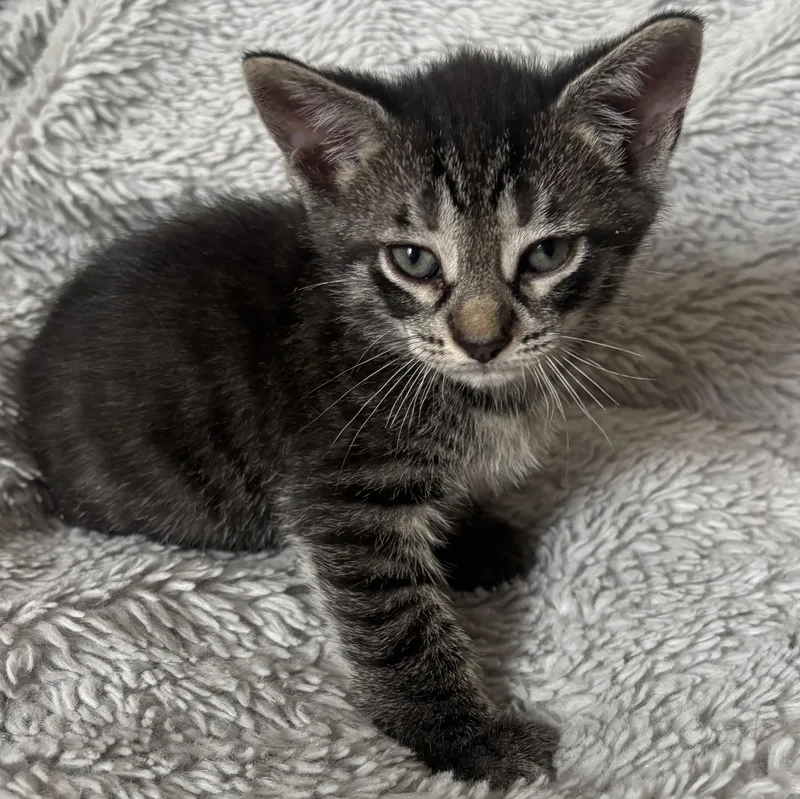
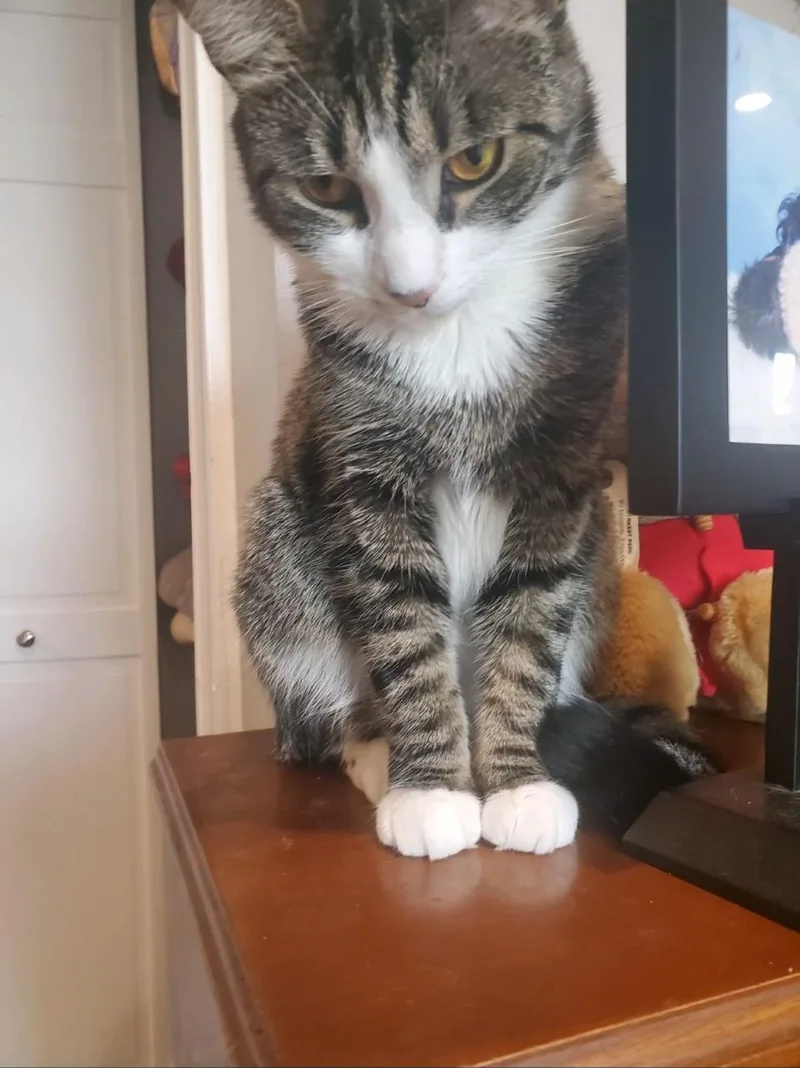
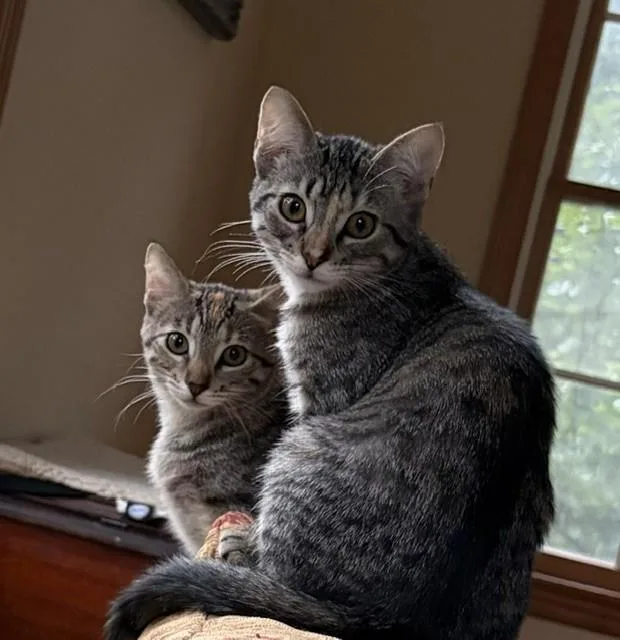
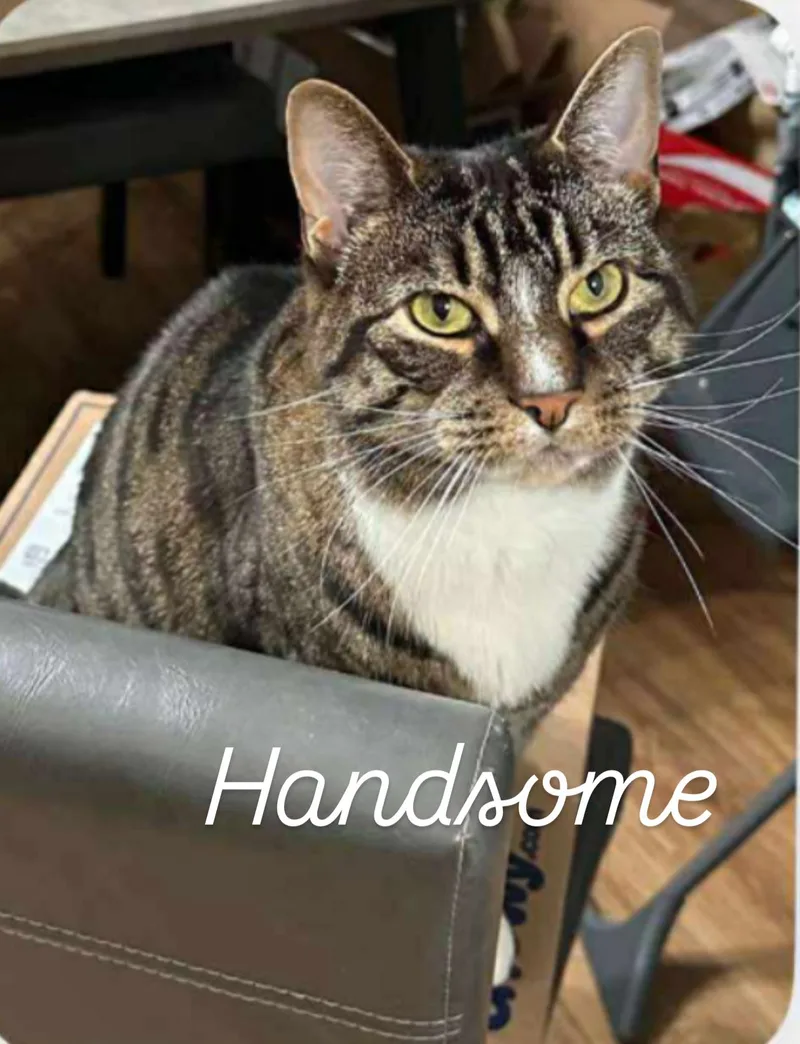
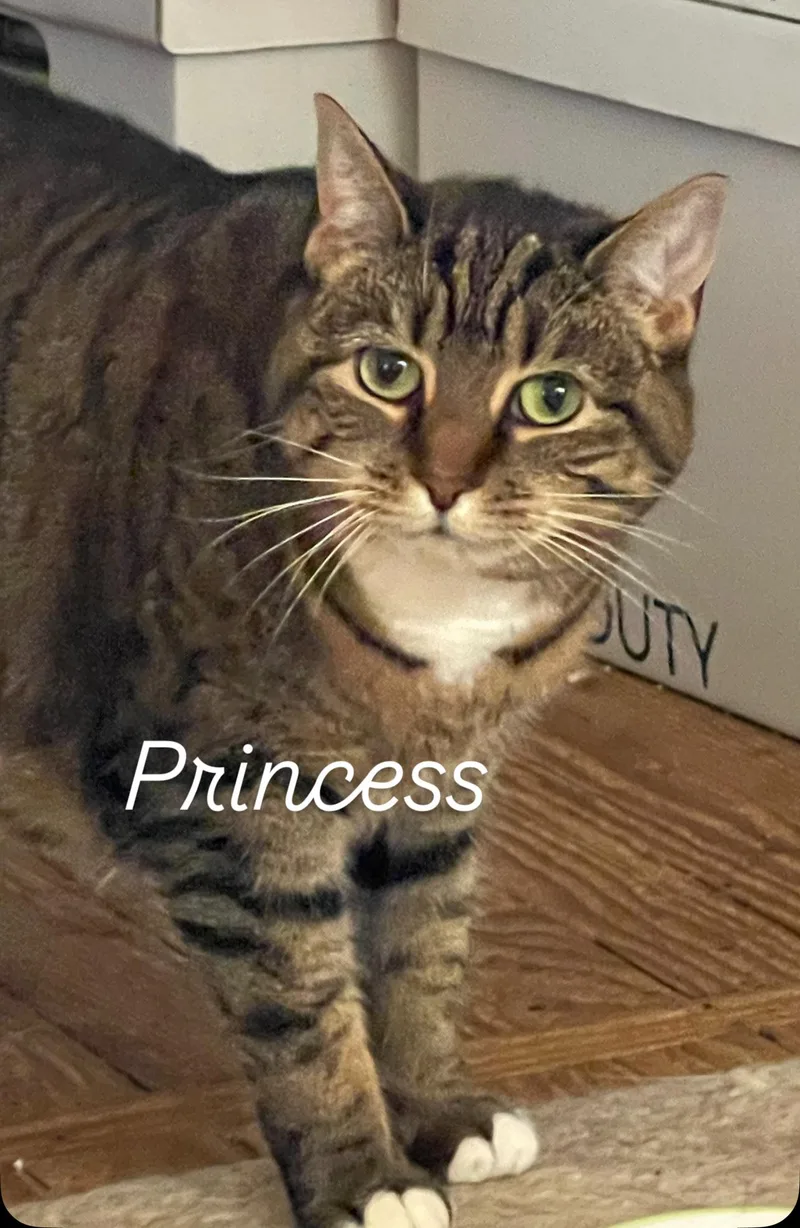
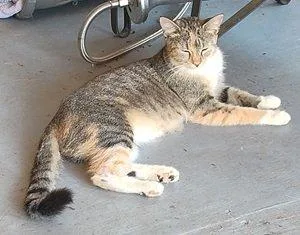
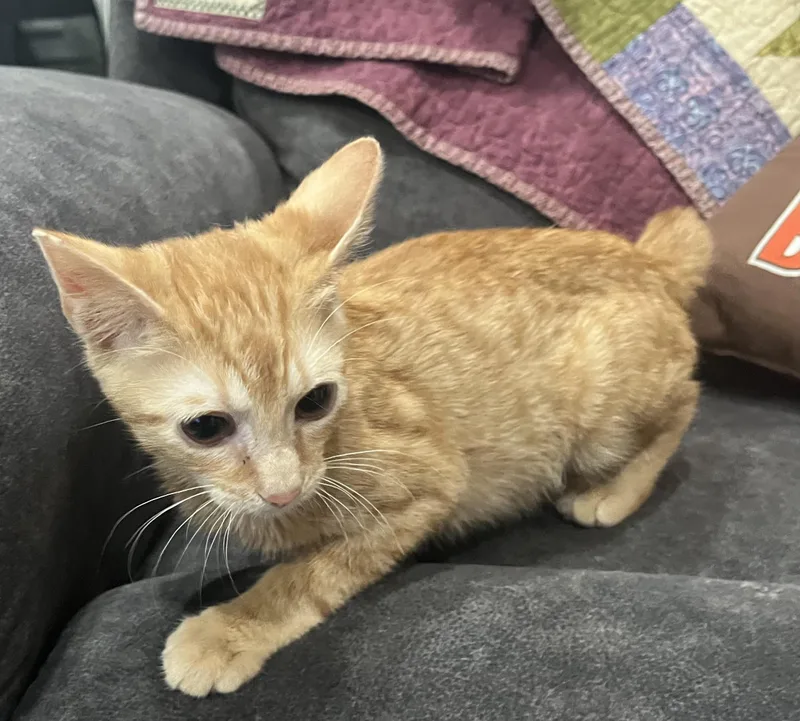
Tiger is a nickname for the striped coat, not a breed. On adoption listings it almost always means a mackerel tabby: narrow stripes down the sides, ringed legs and tail, and an M on the forehead. Most are domestic shorthairs of mixed ancestry, in brown, gray, silver, orange or cream, and the pattern is the original wild-type tabby look.

Because stripes say nothing about ancestry, size and personality depend on the cat. Most weigh 6 to 14 pounds and live 12 to 18 years indoors, with moderate shedding. In Raleigh, where many adopters rent apartments or older in-town houses, the adaptable nature of most tiger cats makes them easy to match to a household. Meeting a cat tells you far more than looking at its coat.

Weight
6–14 lbs
Height
8–10 in
Lifespan
12–18 yrs
Temperament
Adaptable, Curious, Playful
Shedding
Moderate

Owning a Tiger in Raleigh

Having a Tiger in Raleigh

Tiger cats are defined by a coat pattern, so traits vary from cat to cat. In Raleigh, the useful questions are how a cat handles indoor life, how much play it wants, and what its health and care needs look like.

Temperament

Tiger cats cover the whole range of cat personalities, from shy and gentle to bold and talkative, and the stripes don't predict which. Most are curious and adaptable, which helps in Raleigh's busy apartment buildings. Spending time with a cat and noticing how it reacts to people, noise and other pets is the best guide.

Exercise Needs

Plan on daily interactive play, such as wand toys, chasing balls or puzzle feeders, split into a few short sessions. Kittens and young adults need more than seniors. Since cats in Raleigh are safest indoors, window perches, cat trees and rotating toys give them climbing and hunting outlets and help prevent weight gain.

Health Considerations

The stripes carry no health risks of their own. Common cat concerns include dental disease, obesity, kidney disease in older cats, hyperthyroidism and diabetes. Raleigh's humid summers make flea prevention worth discussing with a veterinarian, and regular checkups, a measured diet and dental care help most cats stay healthy.

Living Space

Tiger cats adapt to apartments and houses alike, from in-town bungalows to high-rise units, provided they have scratching posts, climbing space and a place to hide. Indoor life is safest, since traffic and coyotes are part of the picture outside. Shy cats may need a quiet room at first, while confident ones settle fast.

What it costs to own a Tiger in Raleigh

ExpenseTypical costPer year
Food$25 to $50 per month$300 to $600
Pet insurance$20 to $45 per month$240 to $540
Routine vet care$150 to $350 per year$150 to $350
Other*$450 to $1,150 per year$450 to $1,150
Estimated yearly total (after year one)$1,140 to $2,640

Other costs are estimates and vary with size, age and health.

* Litter, flea prevention, a dental cleaning allowance, toys, scratchers and other supplies, and minimal home grooming.

Adopt a Tiger in Raleigh.

Now that you know more, let’s find you a new best friend. These rescues and shelters below currently have Tigers available.

Frequently Asked Questions

Yes, you can own a Tiger cat in Raleigh, and no known breed rule applies to cats. Raleigh has no pet license, but state law requires a rabies vaccine for cats over four months, and the city's at-large rule covers cats, so keep yours indoors or restrained. Outdoor cats need a three-sided, roofed shelter, and a microchip helps if one slips out.

Yes, most Tiger cats do well in Raleigh apartments, since they adapt to indoor life as long as they have scratching posts, window perches and daily play. Match the cat's energy to your space, because kittens need more play than seniors. Read your lease for pet fees and rent, and make sure window screens and balcony doors are secure.

Often, yes. Tiger cats are usually adaptable, which suits Raleigh's mix of apartments, bungalows and busy streets. The best fit is someone who can offer daily play, an indoor home and a plan for ice storms and tropical rain. Since stripes don't predict personality, spend time with a cat before deciding.

Yes, indoor Tiger cats handle Raleigh summers well with air conditioning or fans, shade and plenty of water. Highs average around 89°F and nights stay warm, so keep cats inside and never leave one in a parked car. Heavy panting, drooling or weakness needs a veterinarian right away.

Most Tiger cats have short coats and need brushing about once a week, a bit more in spring when shedding picks up. Raleigh's humid summers don't call for shaving, which cats don't need. Longer-haired tigers may want brushing a few times a week. Grooming costs stay small and are covered in the Other line of the cost table.

Generally no. Raleigh has buses but no subway or rail, GoRaleigh's published rider rules say pets aren't allowed, and GoTriangle carries only service animals. For vet visits, plan on a car and a sturdy, secure carrier, which also keeps a nervous cat calmer on the way.

A tiger cat is a cat with a striped coat that resembles a tiger's, usually a mackerel tabby. It is a coat pattern, not a breed, and most tiger cats are domestic shorthairs of mixed ancestry. The pattern is very common in shelters and appears in brown, gray, orange and other colors.

A tiger cat has narrow stripes running down its sides like a fish skeleton, which is why the pattern is also called mackerel tabby. It usually has rings around its legs and tail, dark lines from the eyes across the cheeks and an M-shaped marking on the forehead. Colors include brown, gray, silver and orange.

We have 1 rescue with Tigers available: Love Mutts Rescue, Inc.. You can see every rescue with Tigers available in the list above these questions, or scroll to the top to see the Tigers near Raleigh.

Expect about $25 to $50 a month for food, $20 to $45 for insurance, $150 to $350 a year for routine vet care and $450 to $1,150 a year for everything else, including litter. That adds up to roughly $1,140 to $2,640 a year. Raleigh has no pet license fee, so none is counted.

Find Tigers in Nearby Cities

Expand your search to find Tigers available for adoption near Raleigh.