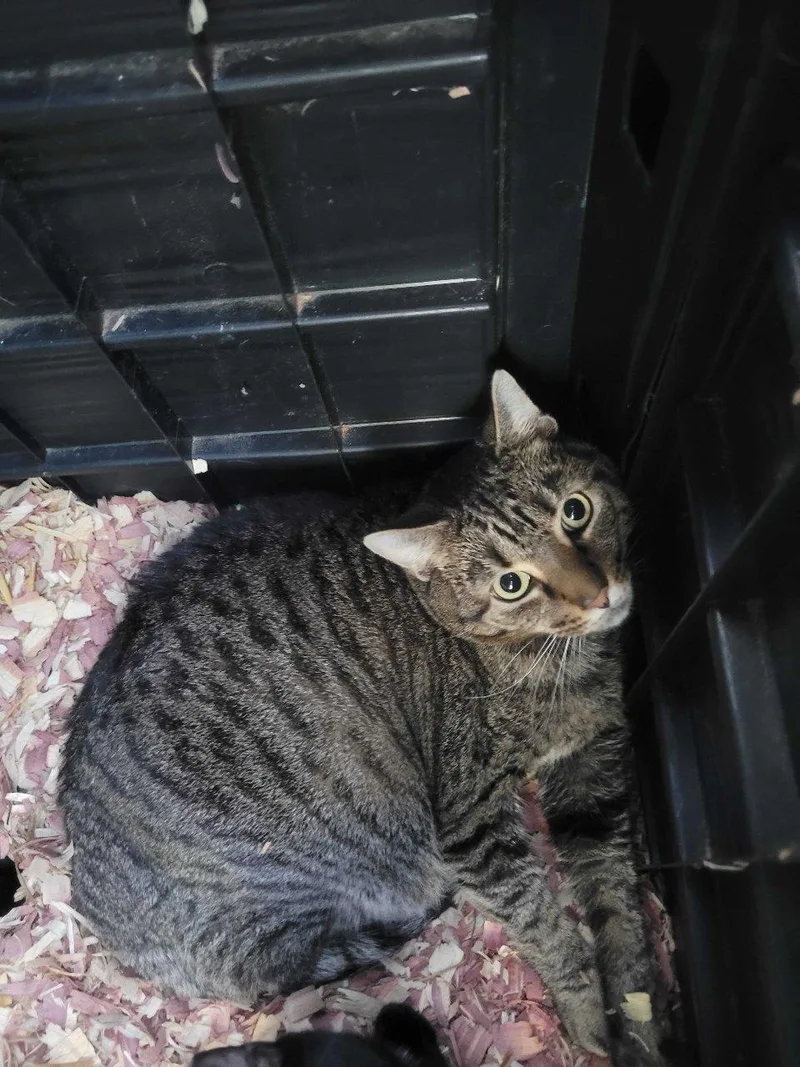
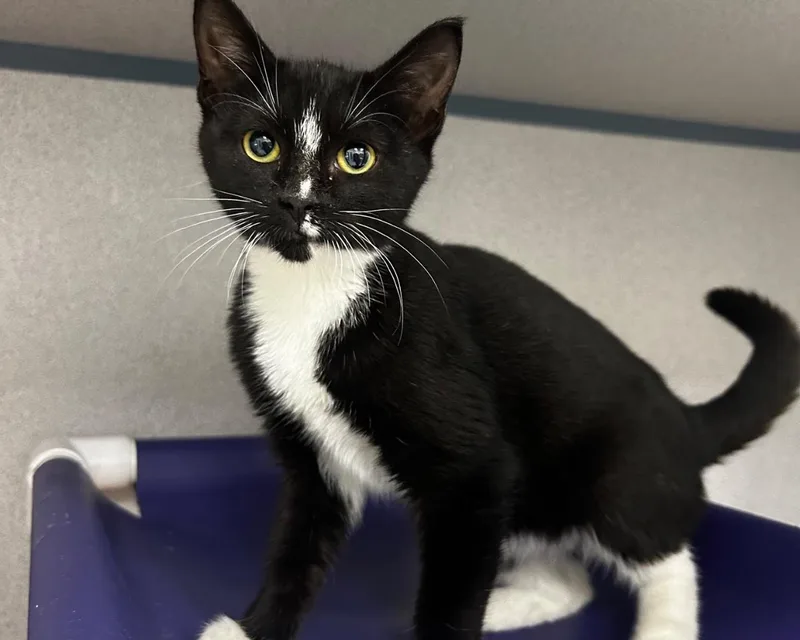
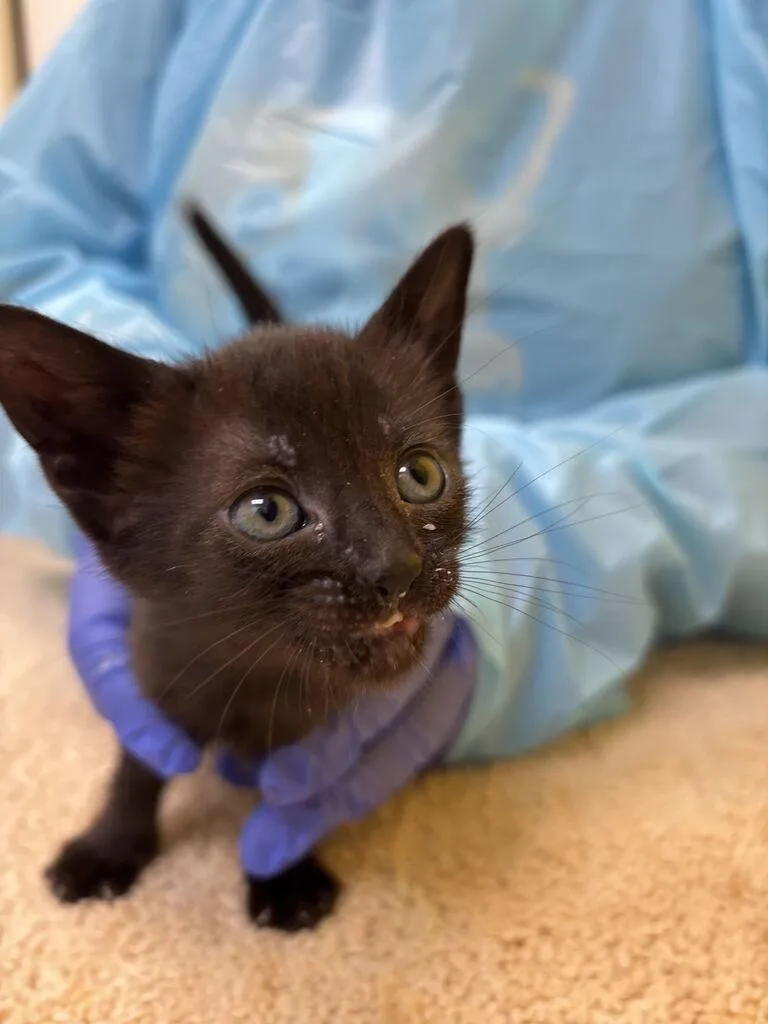
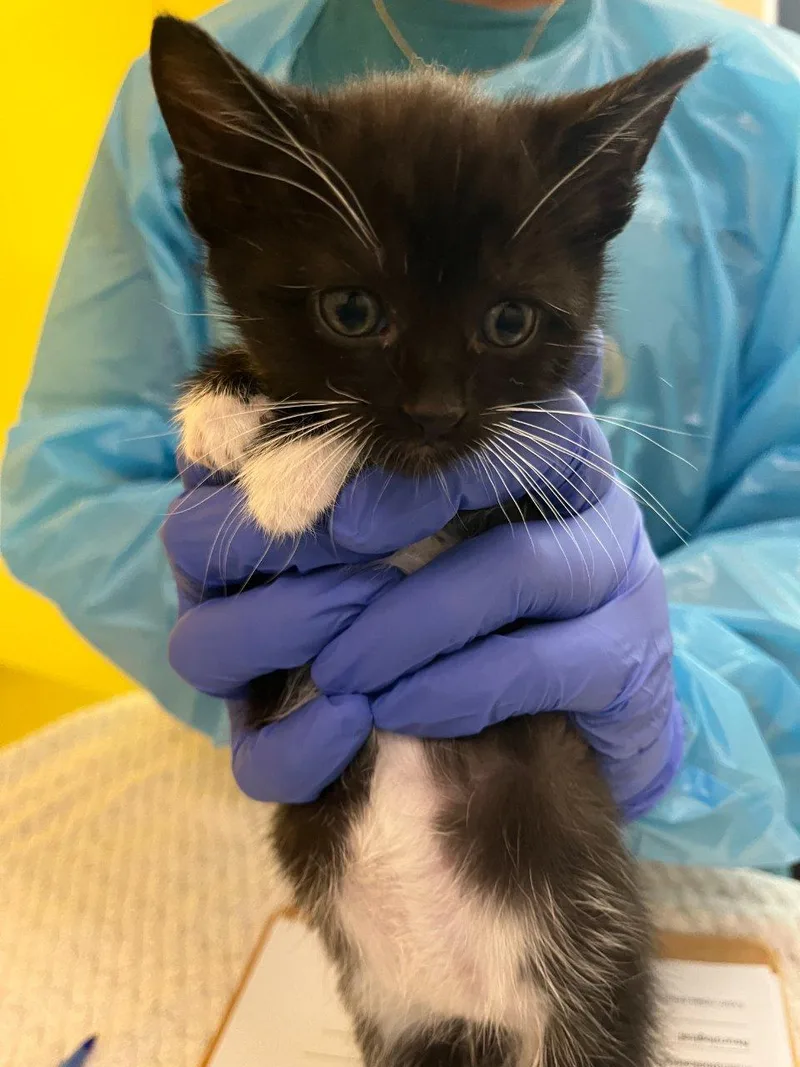
Domestic Short Hair Cats for Adoption in Raleigh, NC

Your guide to finding and caring for a Domestic Short Hair in Raleigh

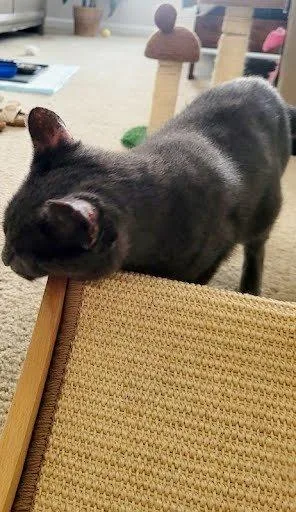
Domestic Short Hairs suit Raleigh's mix of apartment towers and older bungalows. A cat in a Warehouse District loft or a Craftsman house in Boylan Heights mostly wants a sunny window, a tall scratching post and a few play sessions a day. They're mixed-ancestry cats, so personalities run from lap-sitter to windowsill watcher. Wand toys and puzzle feeders go a long way, and a perch by a front window lets an indoor cat watch the street.

310 Domestic Short Hairs available for adoption in Raleigh

Find your Domestic Short Hair

Domestic Short Hairs Available for Adoption in Raleigh

About the Domestic Short Hair breed

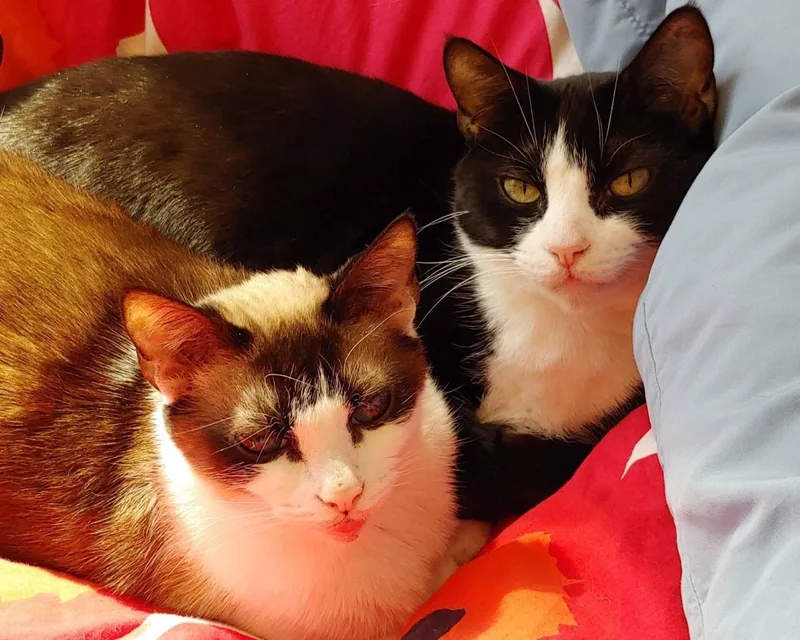
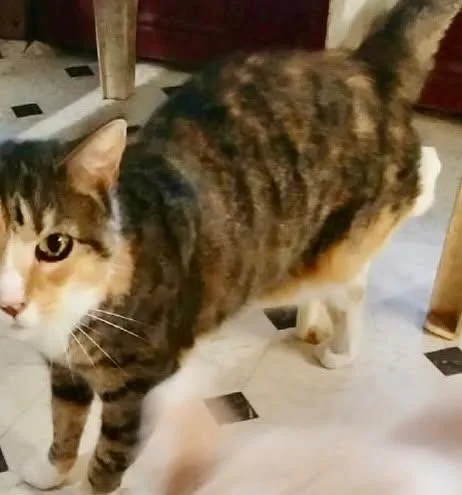
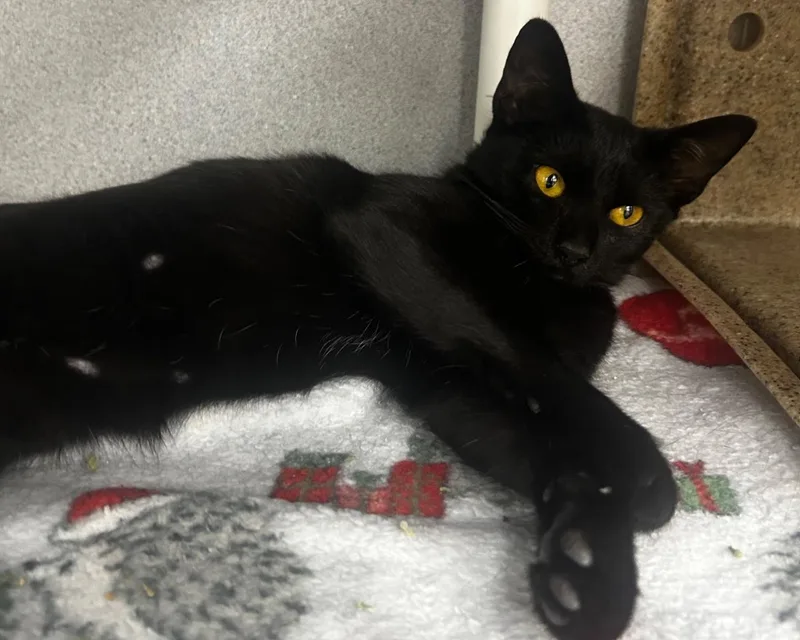
Domestic Short Hair describes a type of cat rather than a pedigreed breed: a short-coated cat of mixed or unknown ancestry. It's the most common kind of cat in American homes, often shortened to DSH on adoption records, and it comes in every color and pattern, from tabby and tuxedo to calico and solid black. Don't confuse it with the American Shorthair, which is a recognized breed.

Most DSH cats are medium-sized, usually 6 to 14 pounds, with sturdy builds and coats that need little more than weekly brushing. Lifespans of 12 to 18 years are typical, especially for indoor cats, so adopting one is a long commitment. Temperament varies widely. Some cats are lap-sitters, some are chatty, and some stay reserved, and a cat's age, energy and history say more than its coat does.

Weight
6–14 lbs
Height
8–10 in
Lifespan
12–18 yrs
Temperament
Adaptable, Curious, Affectionate
Shedding
Moderate

Owning a Domestic Short Hair in Raleigh

Having a Domestic Short Hair in Raleigh

DSH cats share a practical short coat but little else, so energy, sociability and needs depend on each cat. In Raleigh, indoor living, warm summers and storm season shape most of the day-to-day planning.

Temperament

Domestic Short Hairs run from outgoing lap cats to shy observers, and most adjust well to new homes with a gradual introduction. Kittens tend to be bold and playful, while adult cats show settled personalities. Past experiences and early socialization shape behavior more than coat type, so a quiet apartment or a busy Raleigh household can each suit the right cat.

Exercise Needs

Daily interactive play keeps these cats fit: wand toys, chase games and food puzzles burn energy and satisfy hunting instincts. Young cats may want several short bursts a day, while seniors prefer gentler sessions. Raleigh's long, mild springs and falls make screened windows with perches a favorite spot, and a harness-trained cat can join short leashed outings.

Health Considerations

Mixed ancestry may lower some inherited risks, but common feline problems still apply: obesity, dental disease, urinary issues and, in older cats, kidney disease, hyperthyroidism and diabetes. Plan a veterinary exam soon after adoption, then yearly checkups with weight and dental monitoring. In Raleigh's mild, humid climate, ask a vet about year-round flea prevention.

Living Space

Domestic Short Hairs usually do well in apartments and houses alike, as long as there are climbing spots, scratching posts, hiding places and a clean litter box. Raleigh's apartment towers and older bungalows can both work. Keep cats indoors or in a secure enclosure, and use sturdy screens on windows and balconies to prevent falls.

What it costs to own a Domestic Short Hair in Raleigh

ExpenseTypical costPer year
Adoption fee$85 to $250, one time$85 to $250 in year one
Food$25 to $50 per month$300 to $600
Pet insurance$20 to $45 per month$240 to $540
Routine vet care$150 to $350 per year$150 to $350
Other*$450 to $1,150 per year$450 to $1,150
Estimated yearly total (after year one)$1,140 to $2,640
First-year total (with adoption fee)$1,225 to $2,890

Adoption fee is the range of fees on Domestic Short Hair listings in Raleigh on GetBuddy today. Other costs are estimates and vary with size, age and health.

* Litter, flea prevention, a dental cleaning allowance, toys, scratchers and other supplies, and minimal home grooming.

Adopt a Domestic Short Hair in Raleigh.

Now that you know more, let’s find you a new best friend. These rescues and shelters below currently have Domestic Short Hairs available.

Frequently Asked Questions

Yes, you can own a Domestic Short Hair in Raleigh. There's no known breed restriction, and the city doesn't require a pet license for cats. North Carolina does require rabies vaccination for cats over four months old, and the city bars cats from running at large. If you rent, read your lease's pet policy first.

Yes, a Domestic Short Hair can live happily in a Raleigh apartment. These cats adapt to smaller spaces when they have a window perch, a scratching post, a hiding spot and daily play. North Carolina allows landlords to charge a reasonable, nonrefundable pet fee, so confirm costs before signing. Secure screens and supervised balcony time prevent falls.

Often, yes. A Domestic Short Hair fits Raleigh's mix of apartments and houses, and its easy coat suits busy schedules. The trade-offs are summer heat, storm season and the need for daily play, since bored indoor cats get restless. Because personalities vary, watch each cat's energy and comfort level in the listings here.

Yes, Raleigh's climate suits indoor Domestic Short Hairs well. Winters are mild, springs and falls are comfortable, and summer is the main challenge, with hot days and warm, humid nights. Keep the home cool, offer fresh water, and keep cats inside during storms and fireworks. Seniors and overweight cats deserve extra attention in the heat.

Very little. A Domestic Short Hair usually needs a quick weekly brush, with extra sessions during seasonal shedding. Raleigh's humid summers don't call for shaving, and matted fur, which is uncommon in short coats, is a job for a vet or groomer. The small grooming cost sits in the Other line of the cost table.

Generally no. GoRaleigh's published rider rules say pets aren't allowed, though service animals are permitted, and GoTriangle regional buses carry only service animals. Raleigh has no subway or rail transit. Check GoRaleigh's current rules before planning a ride with a cat in a carrier, and plan on driving to vet appointments.

Possibly, on a patio. North Carolina lets restaurants admit dogs and cats to outdoor dining areas if they're physically restrained and don't pass through indoor areas, but each restaurant decides, and indoor dining is off limits. Most cats are calmer at home, so a secure carrier or harness is the safest way to try.

Domestic shorthair cats typically live about 12 to 18 years, and many indoor cats reach their late teens or early twenties. Large UK veterinary studies have found mixed-breed cats tend to live slightly longer than pedigreed cats on average. Spaying or neutering, indoor living, a healthy weight, dental care and regular checkups all help a cat enjoy a longer life.

We have 8 rescues with Domestic Short Hairs available, including SPCA of Wake County, SAFE HAVEN FOR CATS and Meow House Cat Rescue. You can see every rescue with Domestic Short Hairs available in the list above these questions, or scroll to the top to see the Domestic Short Hairs in Raleigh.

A Domestic Short Hair in Raleigh typically costs about $1,100 to $2,600 a year, counting food, insurance, routine vet care and other expenses such as litter, flea prevention and dental care. Food runs $25 to $50 a month and insurance $20 to $45. Routine vet care adds $150 to $350 a year, and other costs $450 to $1,150.