Cymric Cats for Adoption in Liberty, NC

Your guide to finding and caring for a Cymric in Liberty

442 cats similar to Cymric available in Liberty and nationwide

A Cymric is ready for you

Cymrics and Similar Breeds Available for Adoption Near Liberty

About the Cymric breed

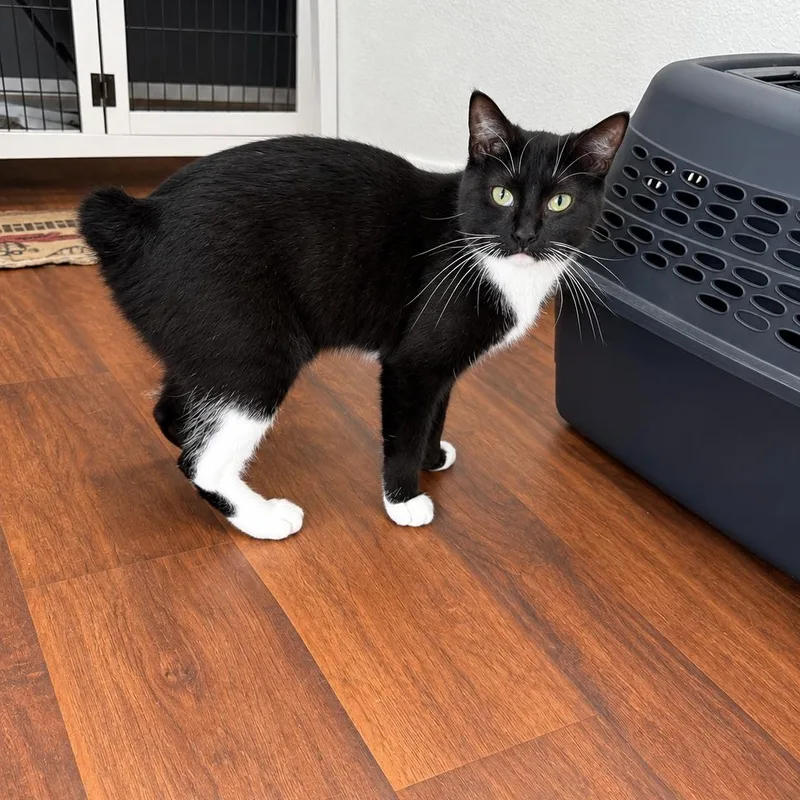
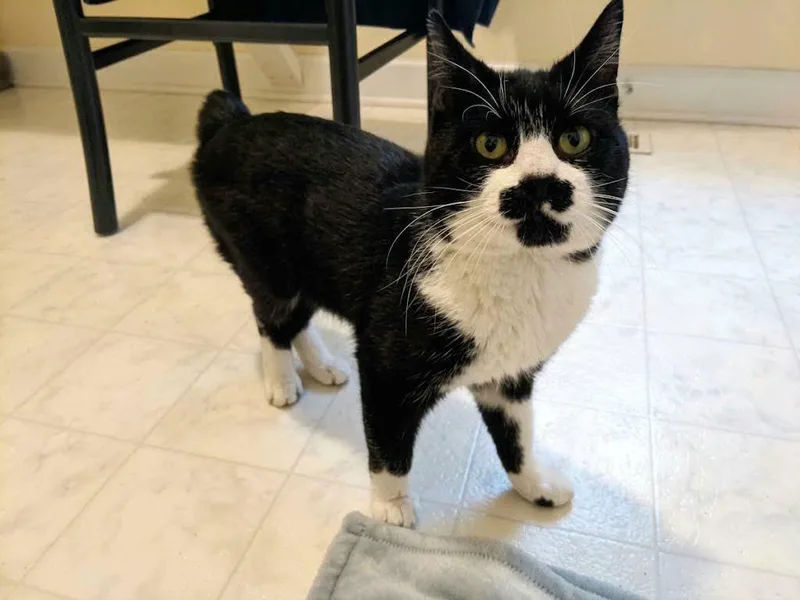
The Cymric is essentially a longhaired Manx, sharing that breed's roots on the Isle of Man, where a natural mutation produced cats with no tail or only a short one. Some registries list it as a separate breed, while the CFA, the largest U.S. pedigreed cat registry, shows it as the Manx longhair division. The name, pronounced KIM-rick, comes from the Welsh word for Wales, even though the cats are Manx in origin.

Cymrics are round, sturdy cats with long hind legs, a rounded rump and a dense, silky double coat that needs regular brushing. Many are playful, intelligent and closely bonded to their people, and some fetch or follow owners around like a dog. Because the gene that shortens the tail can also affect the spine, adopters should watch mobility and litter box habits and have a veterinarian check the spine.

Weight
7–13 lbs
Height
8–11 in
Lifespan
9–14 yrs
Temperament
Playful, Loyal, Intelligent
Shedding
Moderate to High

Owning a Cymric in Liberty

Having a Cymric in Liberty

Cymrics combine a cuddly, rounded look with an active, people-centered personality. Their tail type, spine health and thick coat influence daily care, so understanding these traits helps adopters prepare for both the fun and the responsibilities.

Temperament

Cymrics are often affectionate and devoted, sometimes attaching strongly to one or two family members. Many are gentle with respectful children and accept other pets after gradual introductions. They can be playful well into adulthood and may dislike long hours alone. Individual temperament varies with history and socialization, so each cat's habits are worth watching.

Exercise Needs

Most Cymrics enjoy daily interactive play, including chasing toys, fetching small balls and climbing. Their powerful hind legs make them strong jumpers, so cat trees and shelves are welcome outlets. Puzzle feeders and short training games give mental stimulation. A cat with spinal or hind-end issues may need gentler, low-impact activity guided by a veterinarian.

Health Considerations

The gene behind the Cymric's short tail can cause Manx syndrome, a spinal malformation that may affect the hind legs, bladder and bowel, usually showing before four months of age. Some tailless cats develop arthritis in the lower spine. Their dense coat can mat without brushing. Regular veterinary exams help, and adopters should ask about mobility and elimination habits.

Living Space

A Cymric can live happily in an apartment or a house when it has climbing spots, interactive play and companionship. Sturdy cat trees suit its jumping ability. Litter boxes with low entries help cats with hind-end stiffness. Indoor living protects it, and a home where someone is around for part of the day often suits this social breed.

What it costs to own a Cymric

ExpenseTypical costPer year
Food$25 to $50 per month$300 to $600
Pet insurance$30 to $60 per month$360 to $720
Routine vet care$150 to $350 per year$150 to $350
Other*$500 to $1,250 per year$500 to $1,250
Estimated yearly total (after year one)$1,310 to $2,920

Other costs are national averages for Cymrics; we don't have costs specific to Liberty yet.

* Litter, flea prevention, a dental cleaning allowance, toys and supplies, and regular brushing for the dense long coat.

Adopt a Cymric in Liberty.

Now that you know more, let’s find you a new best friend. These rescues and shelters below currently have Cymrics available.

Rescues in Liberty with Cymrics Available

Here are the rescues & shelters in the Liberty area where you can find Cymrics and other cats available for adoption.

Frequently Asked Questions

No, Cymric cats are not hypoallergenic. They produce the same Fel d 1 allergen as other cats, found in saliva, skin and dander, and their dense double coat spreads shed hair around the home. Some people with mild allergies cope with frequent brushing, air purifiers and cat-free bedrooms, but spending time with the specific cat before adopting is the safest test.

Yes, Cymric cats are uncommon. They are a small breed in registration numbers, and few appear in shelters compared with domestic longhairs. Many tailless or short-tailed longhaired cats in rescues are mixed-breed cats with a bobtail look rather than pedigreed Cymrics. Breed-specific rescues and adoption listings sometimes include Manx and Cymric cats, so patience and saved searches help.

Yes, Cymric cats shed, often quite noticeably. Their medium-long double coat has a thick undercoat that sheds year-round and heavier in spring and fall. Brushing two or three times a week, and more during seasonal shedding, keeps loose hair and mats under control. Watch the hindquarters and belly, where tangles tend to form, especially in cats with stiff backs.

A Cymric is a longhaired Manx, a medium-sized cat known for having no tail or a shortened one. It has a rounded body, long hind legs, a broad head and a dense, silky double coat in many colors. Some registries treat it as its own breed, while others classify it as the Manx longhair. Many are playful, smart and devoted to their people.

The Cymric comes from the Isle of Man, an island in the Irish Sea between Great Britain and Ireland, where tailless cats have been known for centuries. Longhaired kittens appeared in Manx litters, and the longhaired type was developed as a breed in Canada in the 1960s. The name refers to Wales, though the cats themselves trace back to the Isle of Man.

We have 1 rescue with Cymrics available: Tailless Cat Rescue. You can see every rescue with Cymrics available in the list above these questions.

Explore Other Breeds in Liberty

Looking for a different breed? Browse other cats available for adoption in Liberty.