Domestic Short Hair Cats for Adoption in Jacksonville, NC

Your guide to finding and caring for a Domestic Short Hair in Jacksonville

A Domestic Short Hair is an easy match for a Mill Avenue bungalow or a rental in Northwoods. The name covers any short-coated cat of mixed ancestry, so you'll see tabbies, tuxedos, calicos and solids, and personalities run from lap-sitters to window-watchers. Most are happy with a sunny perch, a scratching post and a few play sessions a day. Jacksonville's muggy summers keep most cats indoors anyway, which is safest for them and for local wildlife.

137896 Domestic Short Hairs available in Jacksonville and nationwide

Find your Domestic Short Hair

Domestic Short Hairs Available for Adoption Near Jacksonville

About the Domestic Short Hair breed

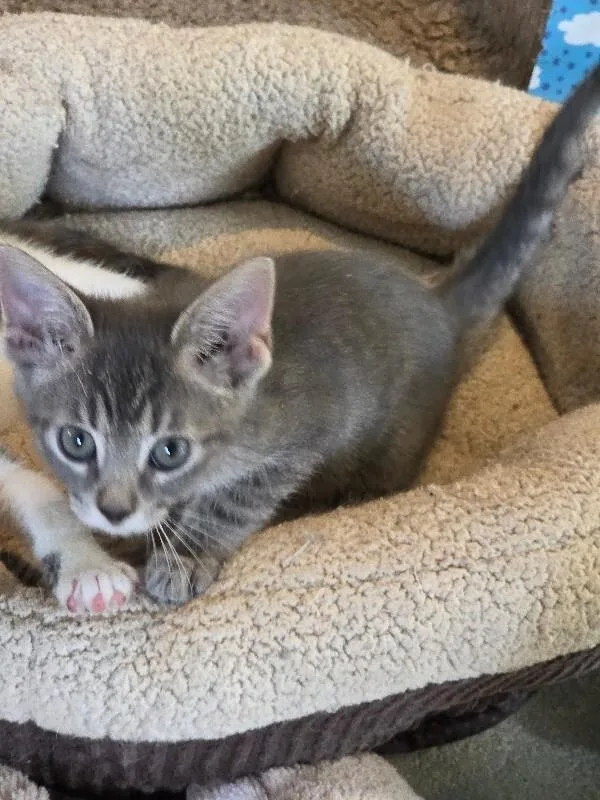
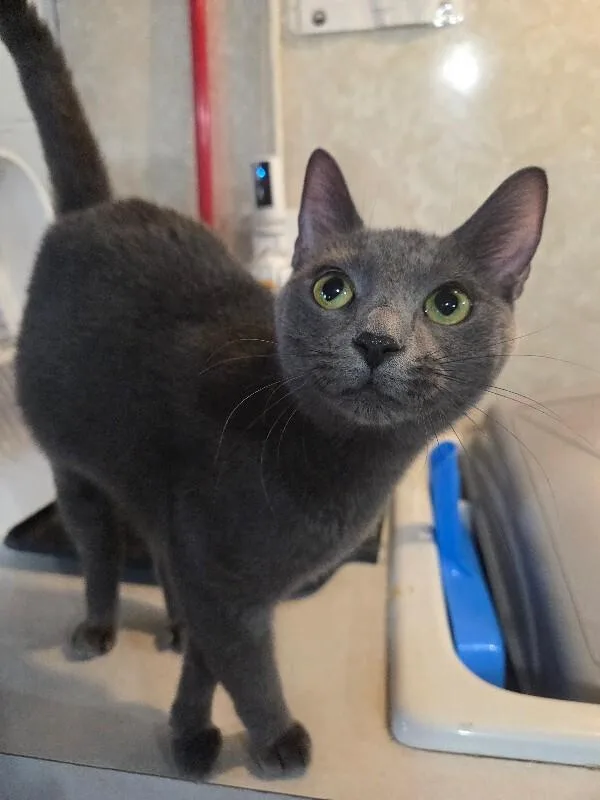
Domestic Short Hair describes a type of cat, not a pedigreed breed: a short-coated cat of mixed or unknown ancestry. It's the most common kind of cat in American homes and shelters, often shortened to DSH on adoption records, and it shouldn't be confused with the American Shorthair. Most are medium-sized, roughly 6 to 14 pounds, with sturdy builds and coats in every color and pattern.

With such a wide gene pool, looks and personality vary a lot. Some DSH cats are lap cats, some are talkative, and others prefer to watch from a windowsill. The short coat sheds moderately and needs only a weekly brush. A cat's age, energy and comfort with people say far more about a good match than coat color does, so spend time with a cat before deciding.

Weight
6–14 lbs
Height
8–10 in
Lifespan
12–18 yrs
Temperament
Adaptable, Curious, Affectionate
Shedding
Moderate

Owning a Domestic Short Hair in Jacksonville

Having a Domestic Short Hair in Jacksonville

DSH cats share a practical short coat, but little else is fixed. Energy, sociability and health needs depend on the cat's age and background, so your daily routine and home matter as much as appearance. Here's what to expect in a Jacksonville household.

Temperament

Domestic Short Hairs range from outgoing lap cats to shy observers, and no coat pattern predicts which. Many adjust well to new homes, other cats and calm dogs with gradual introductions. Kittens tend to be bold and playful, while adults show settled personalities. If you're out at work most days, a calm, confident adult may fit best.

Exercise Needs

Plan on daily interactive play: wand toys, chase games and food puzzles burn energy and satisfy hunting instincts. Young cats may want several bursts a day, while seniors prefer gentler sessions. Because Jacksonville's humid summers make the outdoors uncomfortable and cats are safer inside, window perches, shelves and scratching posts provide the rest of the stimulation.

Health Considerations

Mixed ancestry can lower the risk of some inherited conditions, but DSH cats still face obesity, dental disease, urinary problems and, in older cats, kidney disease, hyperthyroidism and diabetes. Regular exams, weight checks and dental care catch problems early. Jacksonville's mild winters let fleas linger, so ask a veterinarian about year-round prevention and a full checkup after adoption.

Living Space

These cats adapt to apartments and houses alike. Climbing shelves, scratching posts, hiding spots and a clean litter box matter more than square footage, which suits Jacksonville's many rentals. Screens on windows and balconies prevent falls, and keeping a cat indoors protects it from traffic and heat. Read your lease for pet rules before you apply.

What it costs to own a Domestic Short Hair in Jacksonville

ExpenseTypical costPer year
Food$25 to $50 per month$300 to $600
Pet insurance$20 to $45 per month$240 to $540
Routine vet care$150 to $350 per year$150 to $350
Other*$450 to $1,150 per year$450 to $1,150
Estimated yearly total (after year one)$1,140 to $2,640

Other costs are estimates and vary with size, age and health.

* Litter, flea and tick prevention, a dental cleaning allowance, toys, scratchers and other supplies, and minimal home grooming.

Adopt a Domestic Short Hair in Jacksonville.

Now that you know more, let’s find you a new best friend.

Frequently Asked Questions

Yes, a Domestic Short Hair usually does well in a Jacksonville apartment, and most households here rent. Get pet fees and rules in writing before you sign. Cats need vertical space, a scratching post, a clean litter box and daily play far more than square footage. Secure window screens keep curious cats from falling.

Yes, as long as they live indoors. Summer highs reach about 88°F with warm, muggy nights, and short coats cope better than long ones, but cats can still overheat. Keep rooms shaded or air-conditioned, offer fresh water in several spots, and never leave a cat in a parked car. Humidity also keeps fleas active.

Yes. There's no known breed restriction in Jacksonville's city or county code, and no known cat license. Cats must be vaccinated against rabies by four months old. The main catch is base housing at Camp Lejeune and MCAS New River, which caps households at two animals, so military families should confirm their housing rules. Renters should confirm lease pet terms too.

A Domestic Short Hair is a good fit for most Jacksonville households that offer daily play and a safe indoor home. These cats are adaptable, which helps whether you rent in Northwoods or own near Mill Avenue. Hurricane season is the local catch: keep a carrier, food, medications and vaccination records ready so your cat is part of your plan.

Jacksonville Transit runs fixed bus routes from Jacksonville Station for $1.50 each way, but no pet policy is published, so check current rules with Jacksonville Transit before bringing a cat. If cats are allowed, use a secure, ventilated carrier on your lap. Service animals are covered separately. For vet visits, plan on driving.

Sometimes, on patios only. North Carolina lets restaurants allow cats and dogs in outdoor dining areas if they're physically restrained and don't pass through indoor areas, and each restaurant decides. Cats aren't allowed inside. Most cats are calmer at home, so a harness and secure carrier are essential if you try it.

A Domestic Short Hair needs little grooming in Jacksonville: a weekly brush is usually enough, with a few extra sessions in spring when shedding picks up. Humidity doesn't tangle short coats, but keep bedding clean and dry, since fleas do well in warm, damp weather. Professional grooming is rarely needed, so the Other costs here are mostly litter, flea prevention and dental care.

Domestic shorthair cats typically live about 12 to 18 years, and many indoor cats reach their late teens or early twenties. Large UK veterinary studies have found mixed-breed cats tend to live slightly longer than pedigreed cats on average. Spaying or neutering, indoor living, a healthy weight, dental care and regular checkups all help a cat enjoy a longer life.

No, domestic shorthair cats are not hypoallergenic. The main cat allergen, a protein called Fel d 1, comes from saliva and skin glands, so short fur does not prevent reactions. Allergen levels vary between individual cats, and some people react less to certain cats. Spending time with a specific cat before adopting is the best way to test your response.

Expect food at $25 to $50 a month, pet insurance at $20 to $45 a month, routine vet care at $150 to $350 a year, and other costs such as litter, flea prevention and dental care at $450 to $1,150 a year. Together that's roughly $1,140 to $2,640 a year.