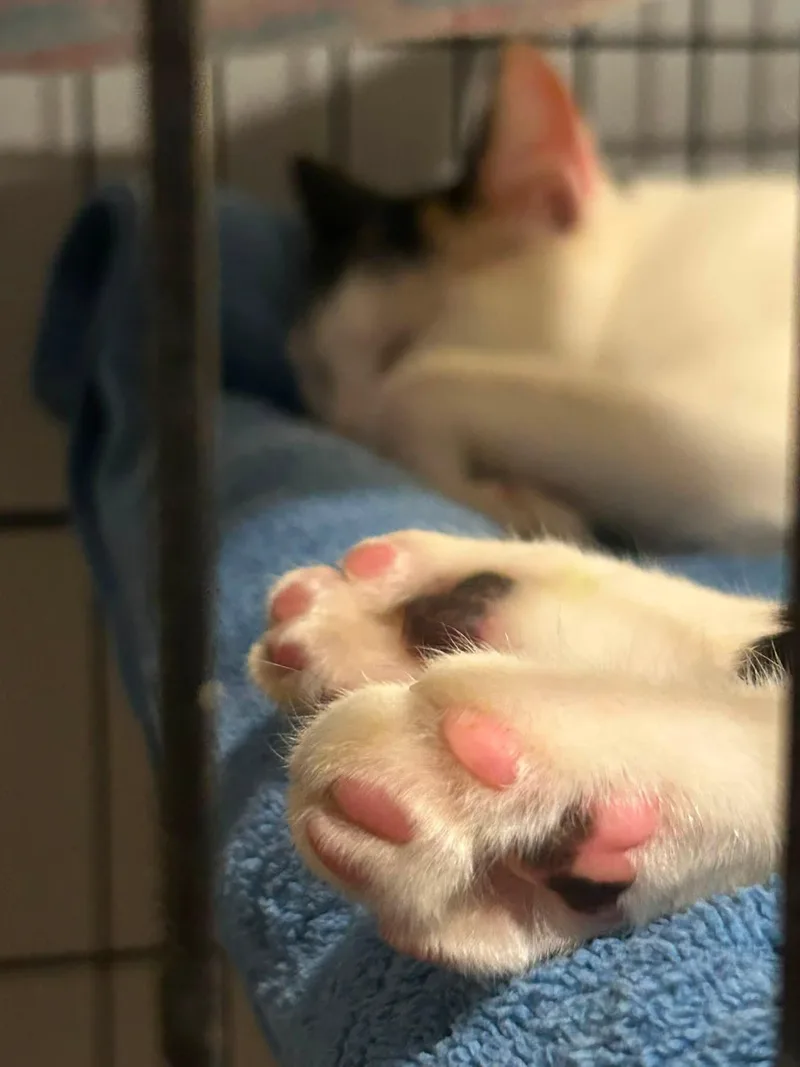
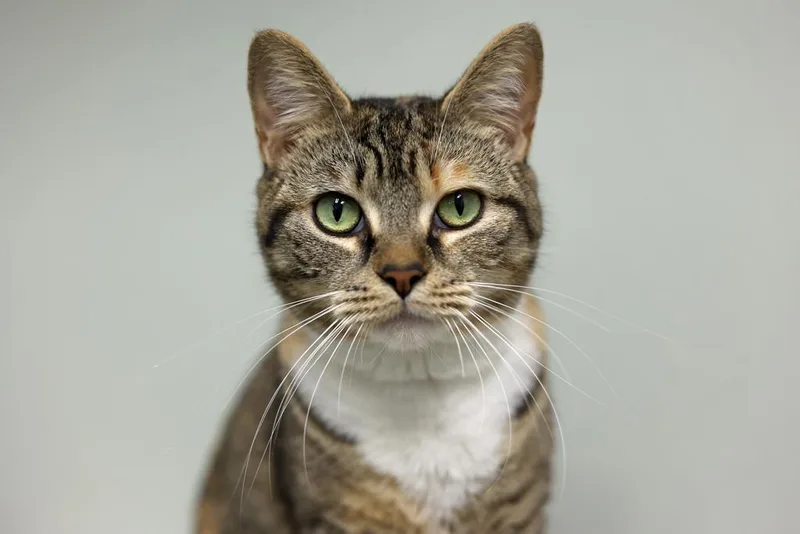
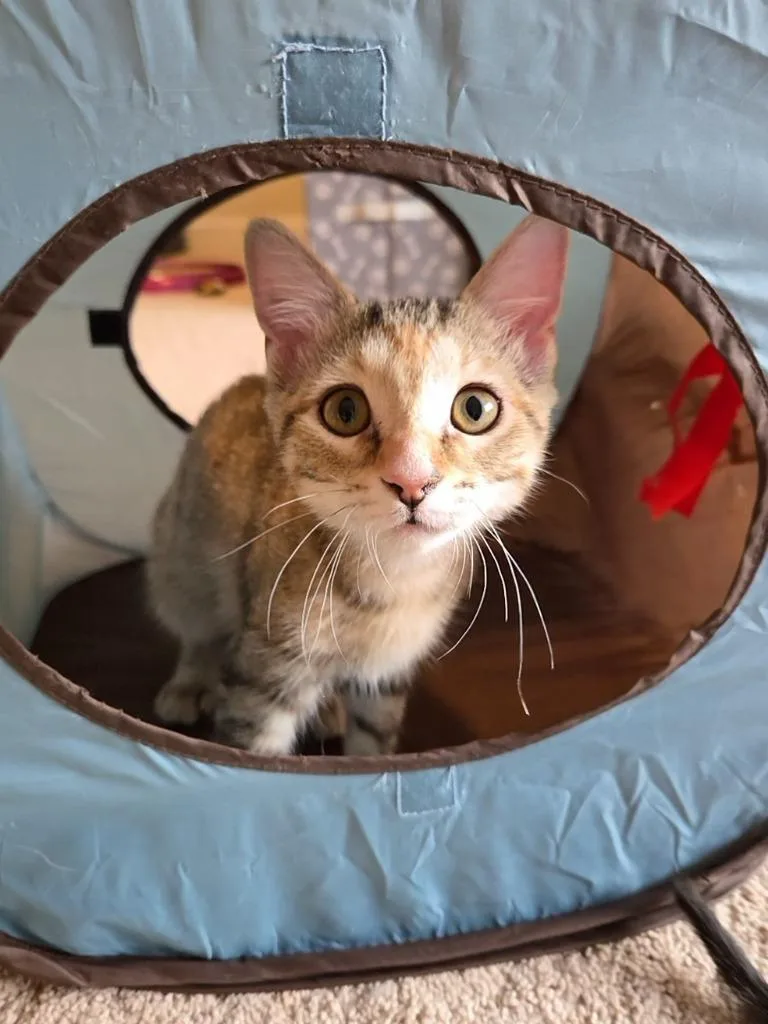
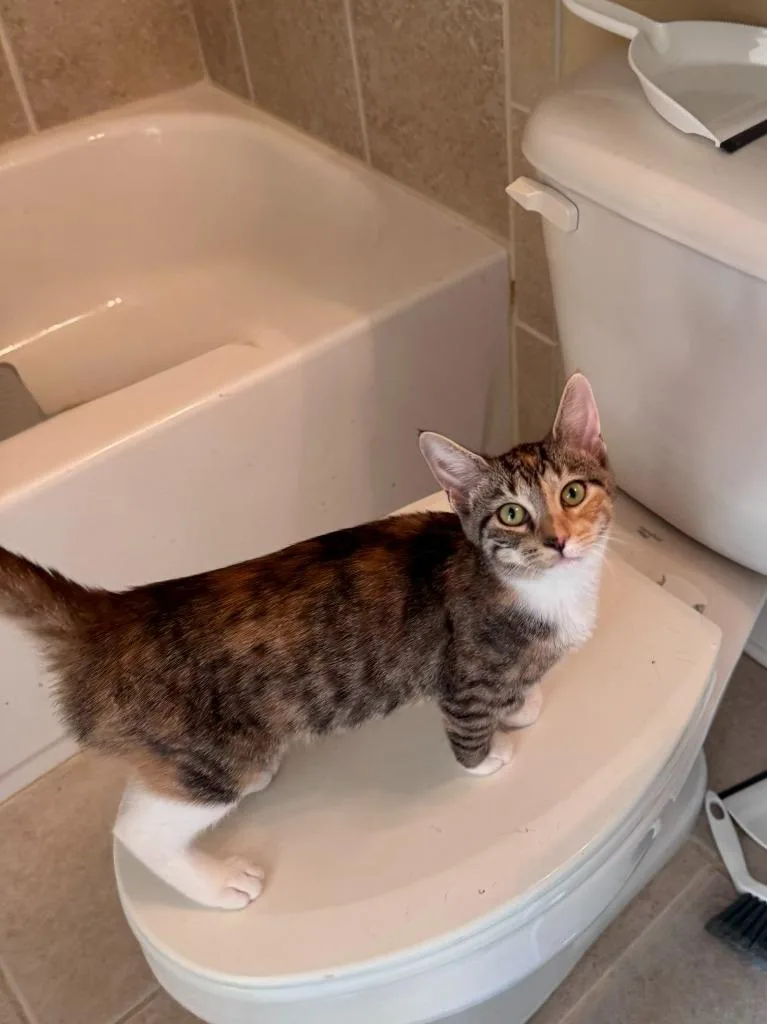
Calico Cats for Adoption in Hickory, NC

Your guide to finding and caring for a Calico in Hickory

A calico fits Hickory's older houses and smaller apartments equally well. Calico is a coat pattern, not a breed, so these cats are mostly ordinary shorthairs with moderate energy. A cat in one of Oakwood's big Queen Anne houses has plenty of windows to watch birds from, and a sunny apartment near Highland's quiet streets works just as well. She mainly needs play every day, a scratching post and a perch by the glass.

1465 Calicos available in Hickory and nationwide

Bring home a Calico

While we don't have enough cats near Hickory, keep in mind that many rescues may offer transport.

Calicos Available for Adoption Near Hickory

About the Calico breed

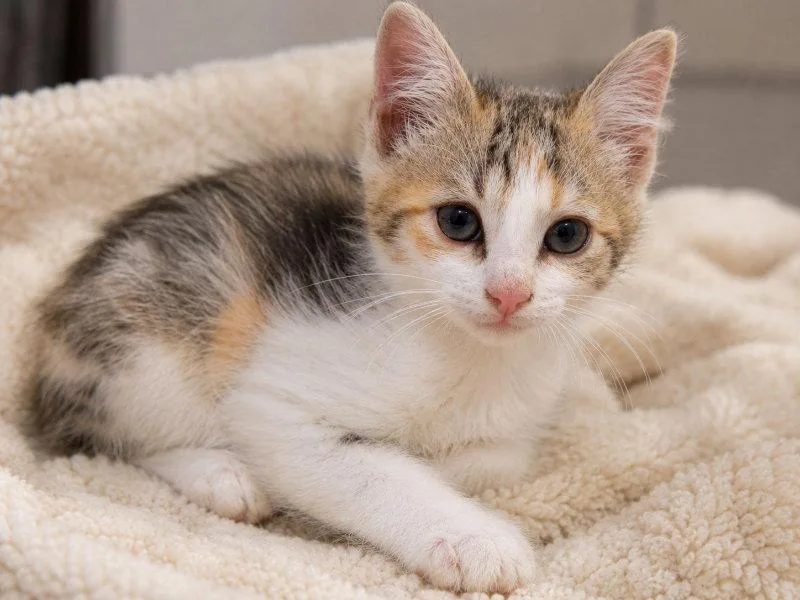
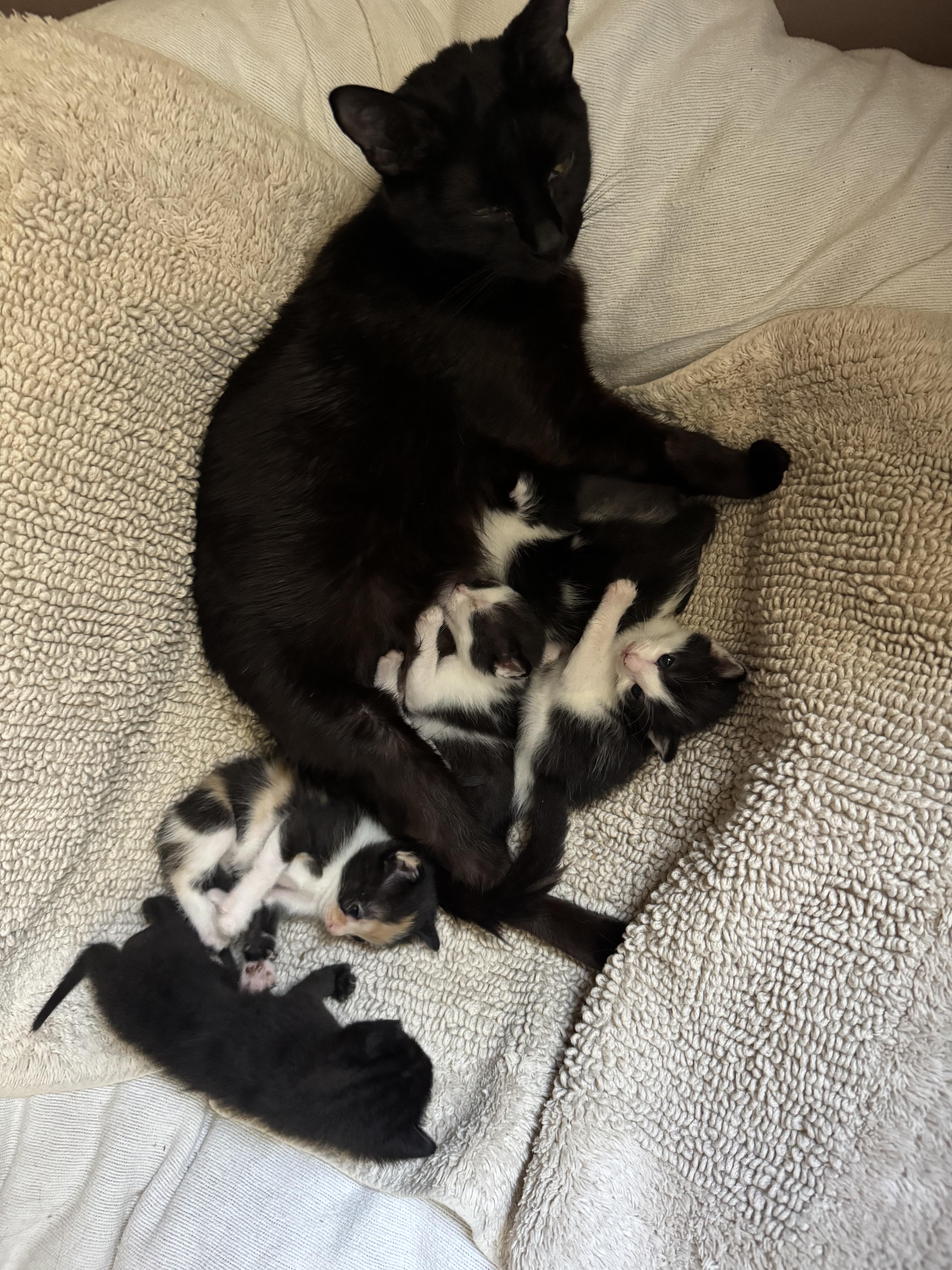
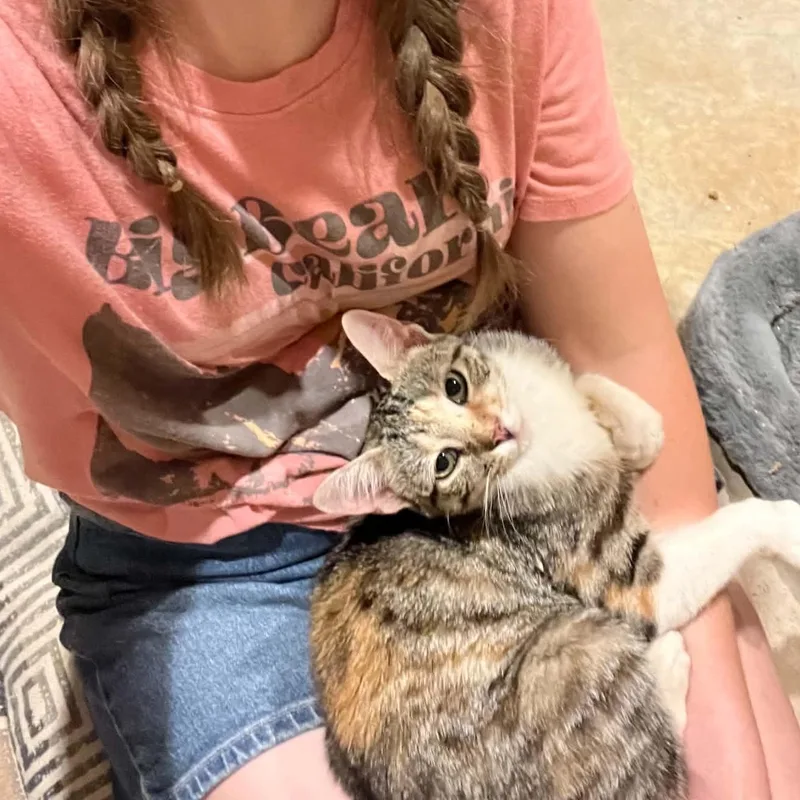
Calico is a color pattern rather than a breed: white with patches of black and orange, or soft gray and cream in the dilute version. The pattern shows up in domestic shorthairs, longhairs and many pedigreed breeds, and nearly all calicos are female because the orange and black genes sit on the X chromosome.

Most calicos are domestic shorthairs, typically 6 to 12 pounds and living 12 to 18 years. Their needs are those of any house cat: vaccines, dental care, play and a healthy weight. Shedding is moderate, so a weekly brush is plenty for short coats, while longhaired mixes need more. Folklore calls calicos sassy, but coat color doesn't predict personality, so watch how each cat behaves with people when you meet her.

Weight
6–12 lbs
Height
8–10 in
Lifespan
12–18 yrs
Temperament
Adaptable, Affectionate, Independent
Shedding
Moderate

Owning a Calico in Hickory

Having a Calico in Hickory

A calico's traits come from her ancestry, upbringing and age, not her colors. In Hickory, that usually means planning for an indoor cat with moderate energy and moderate shedding, in a home that copes comfortably with humid summers and the occasional storm outage.

Temperament

Calicos range from shy and gentle to bold and chatty, so personality depends on the cat, not the coat. That variety suits Hickory's quiet single-family streets and busier apartment buildings alike. A shy cat may want a quiet room for her first week or two, while a confident one may greet visitors at the door.

Exercise Needs

Expect short bursts of chasing and pouncing between long naps. Two or three play sessions a day with wand toys, balls or food puzzles keep most calicos fit. Hickory's humid summers and chilly winter nights make indoor play the reliable choice, and a harness walk in the cooler early morning can add variety for confident cats.

Health Considerations

Coat color doesn't cause health problems in female calicos, so care means yearly exams, vaccines, dental care and weight control. North Carolina requires rabies vaccination for cats over four months old. Rabies turns up in Catawba County most years, and keeping a cat indoors lowers her exposure to wildlife, fleas and ticks.

Living Space

A calico adapts well to apartments and houses alike if she has scratching posts, a window perch and hiding spots. Hickory's older homes offer plenty of sunny sills, and apartments work when vertical space is covered. A catio or harness time gives safe outdoor air, while indoor living keeps her away from cars, wildlife and storm debris.

What it costs to own a Calico in Hickory

ExpenseTypical costPer year
Adoption fee$220, one time$220 in year one
Food$25 to $50 per month$300 to $600
Pet insurance$20 to $45 per month$240 to $540
Routine vet care$150 to $350 per year$150 to $350
Other*$450 to $1,150 per year$450 to $1,150
Estimated yearly total (after year one)$1,140 to $2,640
First-year total (with adoption fee)$1,360 to $2,860

Adoption fee is the fee on Calico listings in Hickory on GetBuddy today. Other costs are estimates and vary with size, age and health.

* Litter, flea and tick prevention, a dental cleaning allowance, toys and supplies, and home brushing.

Adopt a Calico in Hickory.

Now that you know more, let’s find you a new best friend. These rescues and shelters below currently have Calicos available.

Rescues in Hickory with Calicos Available

Hickory-area cats find homes through Catawba County's shelter in Newton and the nonprofit Humane Society of Catawba County. Here are the rescues & shelters in the Hickory area where you can find Calicos and other cats available for adoption.

Frequently Asked Questions

No, Greenway Public Transportation buses carry only service animals, so a pet calico can't ride the Catawba Fixed Route that serves Hickory, Newton and Conover. Hickory has no subway or rail either. For vet visits, plan on a car or a ride with someone who has one, and use a sturdy, secure carrier.

Yes, Hickory's climate suits an indoor calico well. Summers are warm and humid, with about 32 days a year at 90°F or higher, and winters are cool with frequent frosty nights. Keep the home comfortable, offer water in several spots, and prepare for storm outages, since downed trees and power loss are the main weather risks.

The Riverwalk is the best fit, because dogs and cats are allowed on a short leash if supervised. The 2.3-mile path runs along Lake Hickory, with access at Rotary-Geitner Park and Hickory City Park. Use a secure harness, since cats startle easily, and go at quiet times. Hickory's off-leash dog parks are meant for dogs.

Yes, and there are no known breed rules for cats in Hickory. Calico is a coat pattern anyway. State law requires rabies vaccination for cats over four months old, and zoning allows up to five small domestic animals per dwelling unit in most residential districts. Renters should also confirm that their lease allows pets.

Yes, a calico can live happily in a Hickory apartment. She needs vertical space, a scratching post, a window perch and daily play more than square footage. Keep window screens secure, and plan for a pet fee, which North Carolina landlords may charge as a reasonable nonrefundable amount.

Often, yes, for people who can offer daily play and an indoor home. Hickory's older houses with sunny windows and its quiet apartments suit a typical calico, and the mild spring and fall keep upkeep simple. Since personality varies, look for a cat whose energy and confidence match your routine, whatever her coat looks like.

Most calicos are shorthaired and need a quick brush about once a week, while longhaired mixes need brushing several times a week to prevent mats. Shedding rises in spring as coats lighten, and humid summers make regular brushing helpful. Home brushing and nail trims add little to the yearly Other costs shown above.

Almost all calico cats are female, but not every single one. The genes for orange and black coat color sit on the X chromosome, so a cat normally needs two X chromosomes to show both colors at once. Roughly 1 in 3,000 calicos is male, usually because of an extra X chromosome, a genetic quirk rather than a separate type.

We have 1 rescue with Calicos available: Fur Babies Rescue. You can see every rescue with Calicos available in the list above these questions, or scroll to the top to see the Calicos near Hickory.

Plan on roughly $1,140 to $2,640 a year for a calico in Hickory. That covers food at $25 to $50 a month, insurance at $20 to $45 a month, $150 to $350 for routine vet care, and $450 to $1,150 for litter, parasite prevention, dental care and supplies. Adoption costs are separate and appear on each listing.