Domestic Short Hair Cats for Adoption in Durham, NC

Your guide to finding and caring for a Domestic Short Hair in Durham

Domestic Short Hairs fit Durham's old mill houses and newer apartments without much fuss. In Old West Durham, where small houses sit close to the street, a cat on a front-window perch has plenty to watch along Ninth Street. DSH cats are easygoing about square footage, so a rental works fine with a scratching post and a few high spots. Summers get humid, so give the cat a cool corner. Adults with settled habits suit quiet homes, and kittens do best where someone's around to play.

163 Domestic Short Hairs available for adoption in Durham

Find your Domestic Short Hair

Domestic Short Hairs Available for Adoption in Durham

About the Domestic Short Hair breed

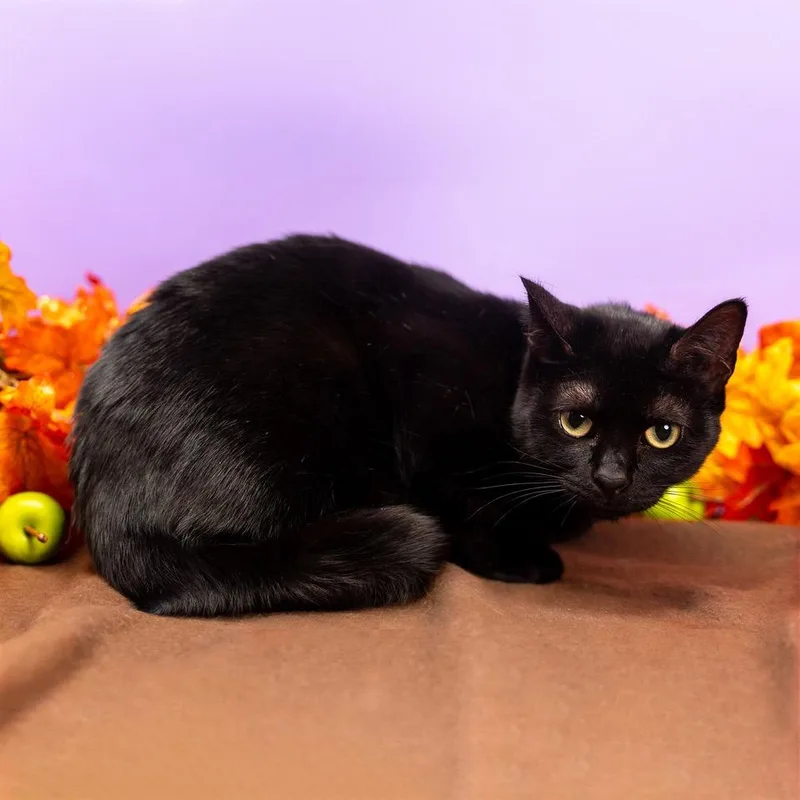
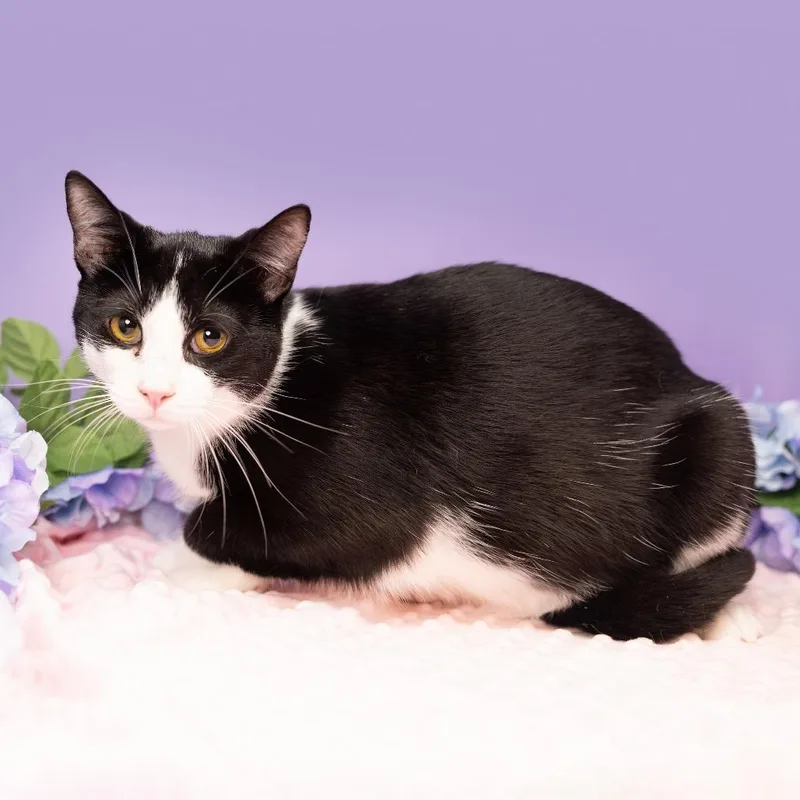
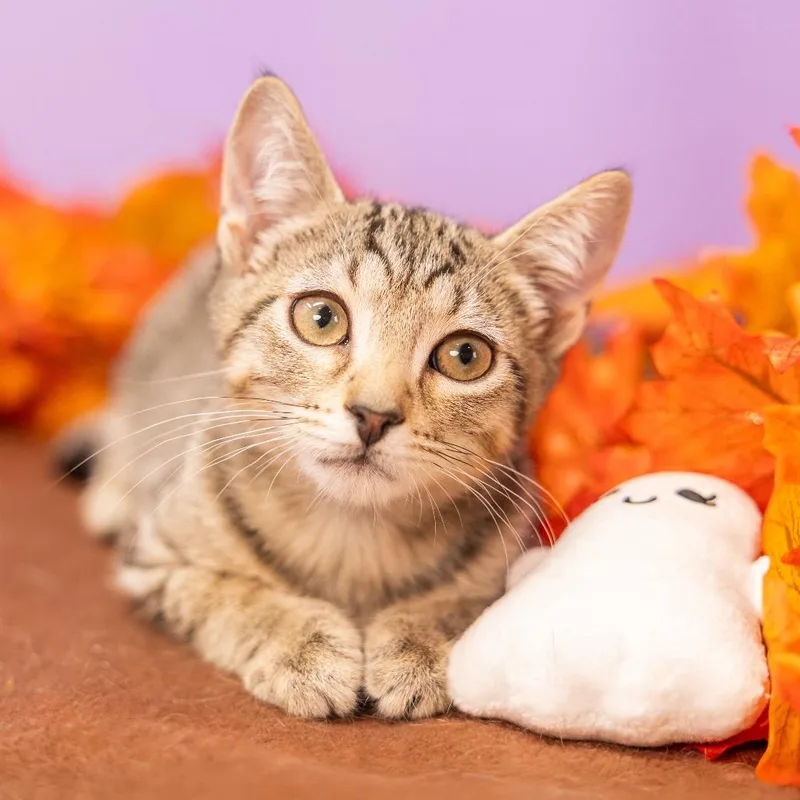
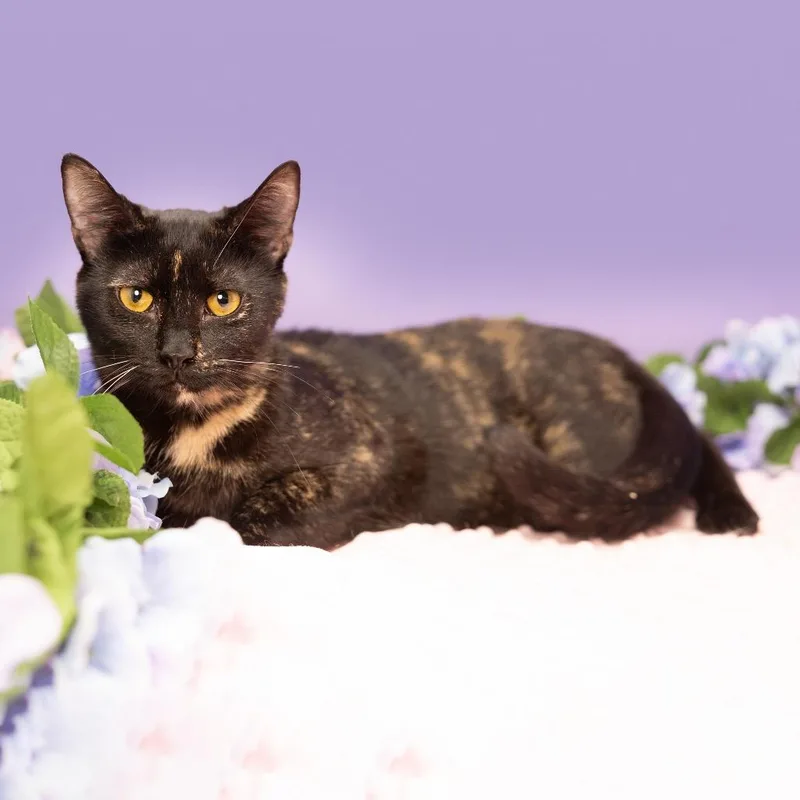
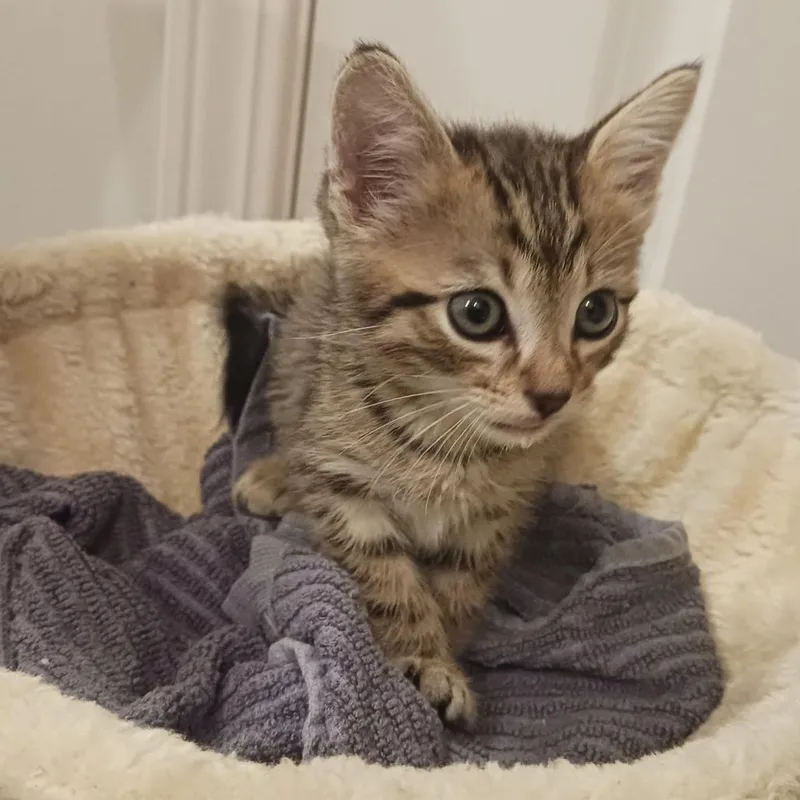
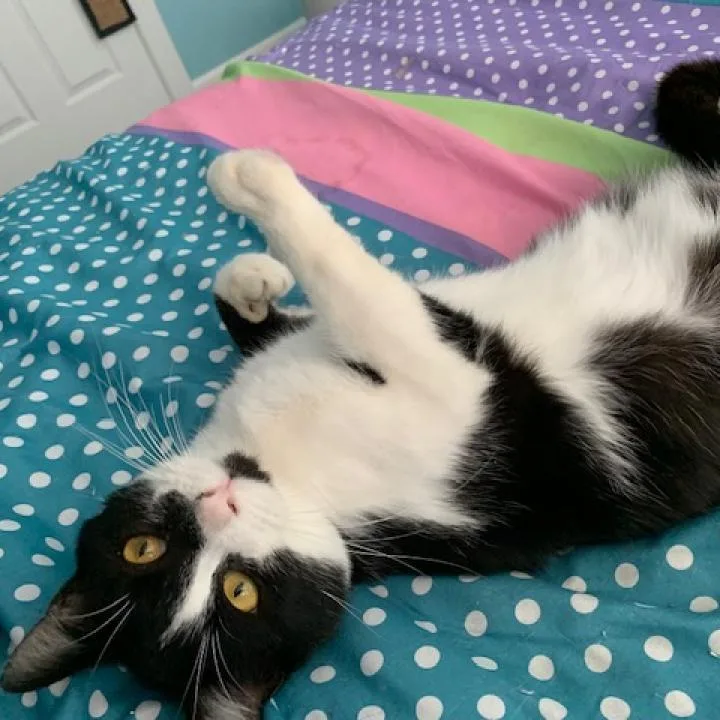
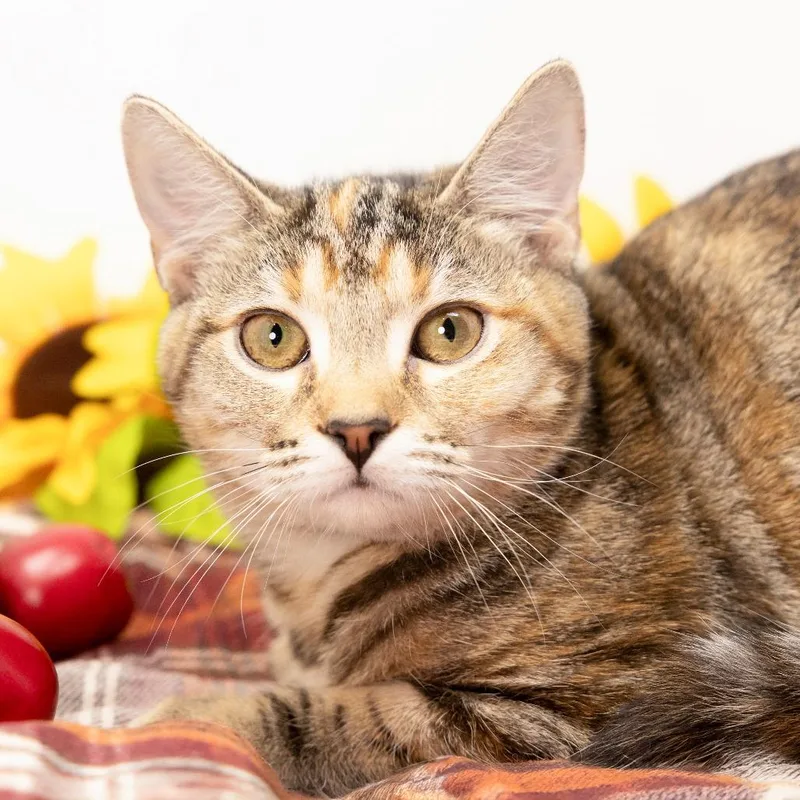
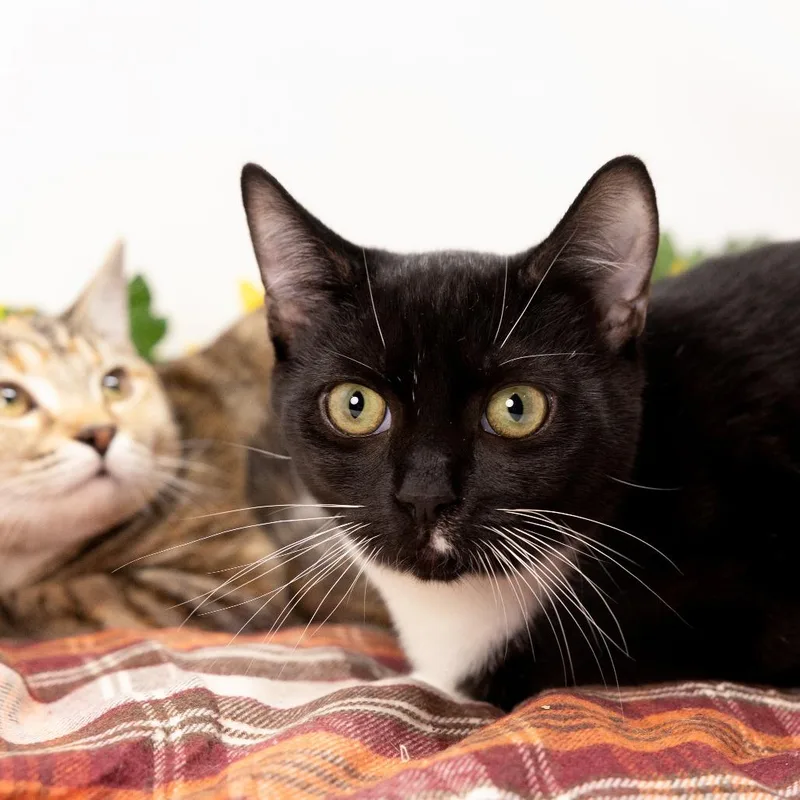
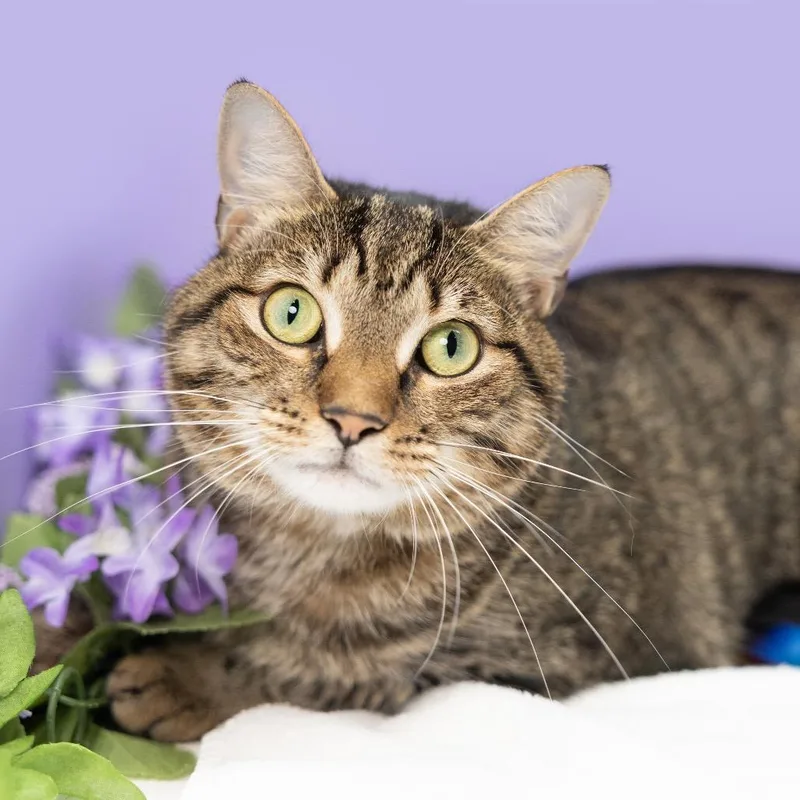
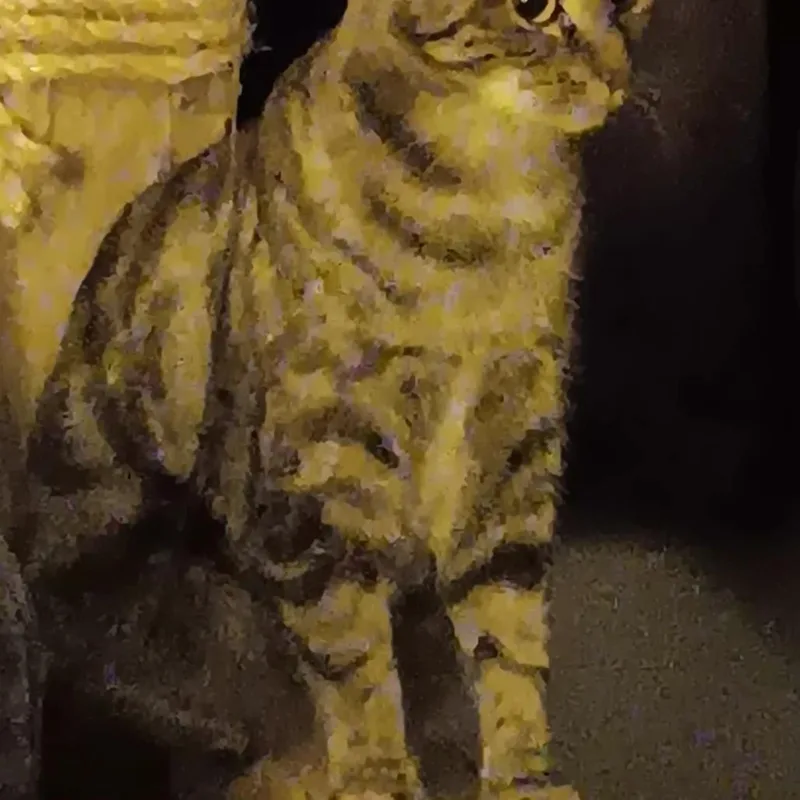
Domestic Short Hair is a type of cat rather than a breed: a short-coated cat of mixed or unknown ancestry. It's the most common kind of cat in American homes and shelters, and adoption records usually shorten it to DSH. Coats come in every color and pattern, from tabby and tuxedo to calico and solid black, and the label shouldn't be confused with pedigreed breeds like the American Shorthair.

With such a broad gene pool, size and personality vary. Most DSH cats weigh between 6 and 14 pounds, shed a moderate amount and need only a weekly brushing. Some are lap cats, some are talkers, and some prefer to watch from a windowsill. In Durham, where most cats live indoors, a cat's age, energy level and comfort around people tell you more than its coat does.

Weight
6–14 lbs
Height
8–10 in
Lifespan
12–18 yrs
Temperament
Adaptable, Curious, Affectionate
Shedding
Moderate

Owning a Domestic Short Hair in Durham

Having a Domestic Short Hair in Durham

Domestic Short Hairs share a practical coat and a wide genetic mix, but little else is fixed. Energy, sociability and health needs depend on the cat, so a cat's age and behavior are the most useful guide when you're choosing one to bring home in Durham.

Temperament

DSH cats range from outgoing lap cats to shy, independent watchers. Many adapt well to new homes, other cats and calm dogs after gradual introductions. Kittens tend to be bold and playful, while adults show settled personalities. Past experiences shape behavior more than coat type, so spend time getting to know a cat's tastes.

Exercise Needs

Most DSH cats need daily interactive play to stay fit, especially indoors. Wand toys, chase games and food puzzles use up energy and satisfy hunting instincts. Young cats may want several bursts a day, while seniors prefer gentler sessions. In a Durham apartment, window perches, shelves and scratching posts add stimulation between play times.

Health Considerations

Mixed ancestry may lower the risk of some breed-specific inherited conditions, but DSH cats still face common feline problems: obesity, dental disease and urinary trouble, plus kidney disease, hyperthyroidism and diabetes in older cats. Year-round flea and tick prevention matters in Durham, and a vet can check weight, teeth and overall health early.

Living Space

DSH cats usually adapt well to Durham apartments, mill-village houses and suburban homes alike when they have enrichment and quiet retreats. Climbing shelves, hiding spots and a clean litter box matter more than square footage. Sturdy screens on windows and balconies prevent falls, and keeping cats indoors protects them from traffic and coyotes.

What it costs to own a Domestic Short Hair in Durham

ExpenseTypical costPer year
Adoption fee$100 to $125, one time$100 to $125 in year one
Food$25 to $50 per month$300 to $600
Pet insurance$20 to $45 per month$240 to $540
Routine vet care$150 to $350 per year$150 to $350
Other*$450 to $1,150 per year$450 to $1,150
Estimated yearly total (after year one)$1,140 to $2,640
First-year total (with adoption fee)$1,240 to $2,765

Adoption fee is the range of fees on Domestic Short Hair listings in Durham on GetBuddy today. Other costs are estimates and vary with size, age and health.

* Litter, flea and tick prevention, a dental cleaning allowance, toys, scratchers and other supplies, and minimal home grooming.

Adopt a Domestic Short Hair in Durham.

Now that you know more, let’s find you a new best friend. These rescues and shelters below currently have Domestic Short Hairs available.

Rescues in Durham with Domestic Short Hairs Available

Durham's county shelter and foster-based rescues place cats of all ages, and the groups serving the area are listed below. Here are the rescues & shelters in the Durham area where you can find Domestic Short Hairs and other cats available for adoption.

Frequently Asked Questions

Yes, Domestic Short Hairs usually do well in apartments as long as they have vertical space, scratching posts and daily play. In Durham, North Carolina caps security deposits at two months' rent for longer leases and lets landlords add a reasonable, nonrefundable pet fee, so get the pet terms in writing. Secure window screens matter on upper floors.

Yes. Durham regulates dogs by behavior rather than breed, and a Domestic Short Hair is a mixed-ancestry cat with no breed restrictions to worry about. There's no known local license or microchip requirement for pet cats, though microchipping is wise. A first vet visit soon after adoption sets a health baseline and keeps rabies vaccination current.

Yes, for indoor cats. Mild winters and long, comfortable springs and falls suit short coats well. Humid summers are the main thing to manage, so keep the home cool, offer fresh water in several spots and avoid midday sun. Ice storms can cause power outages, so keep a carrier and supplies ready.

Often, yes. Domestic Short Hairs adapt to rentals, mill-village houses and suburban homes, and they handle Durham's mild seasons indoors. They fit best with people who can offer daily play and keep the cat inside or in a secure catio, since coyotes are reported in several neighborhoods. A cat's age and energy matter more than the label.

Only in limited cases. GoDurham buses ban uncaged animals, so a cat would need a closed carrier, and it's wise to check GoDurham's current rules before riding. GoTriangle regional buses carry no pets, caged or not. Service animals ride all buses, and Durham has no subway or rail.

Sometimes, on outdoor patios only. North Carolina rules let restaurants allow restrained dogs and cats outdoors if the animal doesn't pass through indoor areas, but each restaurant decides. Most cats are happier at home. If you try it, use a secure carrier or harness, keep the cat away from food and skip hot afternoons.

Very little. A weekly brushing handles moderate shedding, with a bit more in spring when cats shed heavier. Humid summers don't change the routine. Baths and professional grooming are rarely needed, so grooming adds little beyond supplies in the Other cost line. Mats are uncommon unless a cat is overweight, arthritic or elderly.

Domestic shorthair cats typically live about 12 to 18 years, and many indoor cats reach their late teens or early twenties. Large UK veterinary studies have found mixed-breed cats tend to live slightly longer than pedigreed cats on average. Spaying or neutering, indoor living, a healthy weight, dental care and regular checkups all help a cat enjoy a longer life.

We have 2 rescues with Domestic Short Hairs available: Independent Animal Rescue Inc. and Cats on the Horizon. You can see every rescue with Domestic Short Hairs available in the list above these questions, or scroll to the top to see the Domestic Short Hairs in Durham.

Plan on roughly $1,140 to $2,640 a year for a DSH in Durham, or about $95 to $220 a month. Food runs $25 to $50 a month and insurance $20 to $45. Routine vet care is $150 to $350 a year. Litter, flea prevention, dental care and supplies add $450 to $1,150 a year.

Explore Other Breeds in Durham

Looking for a different breed? Browse other cats available for adoption in Durham.