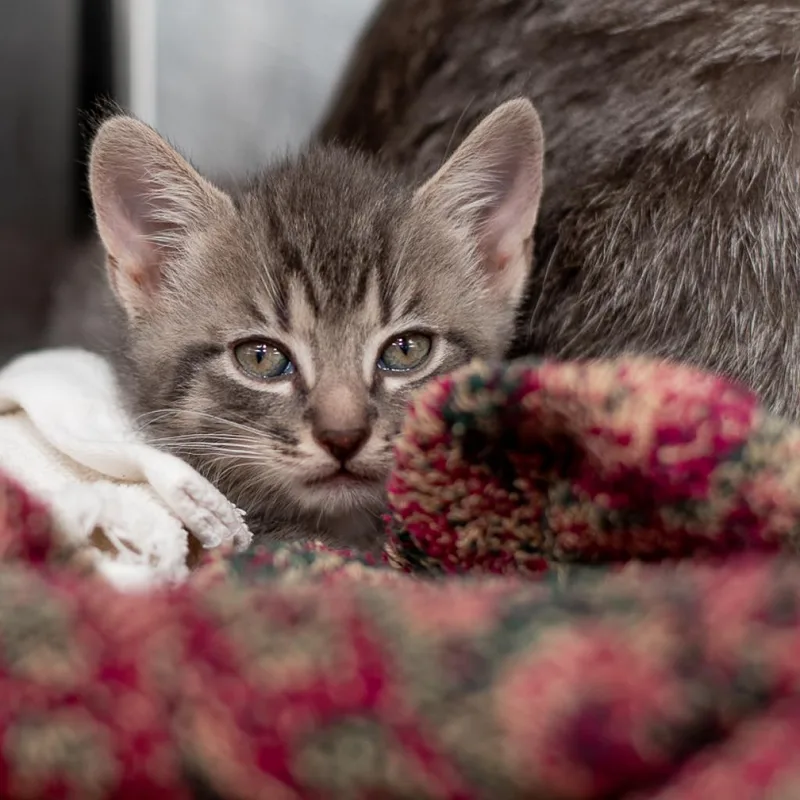
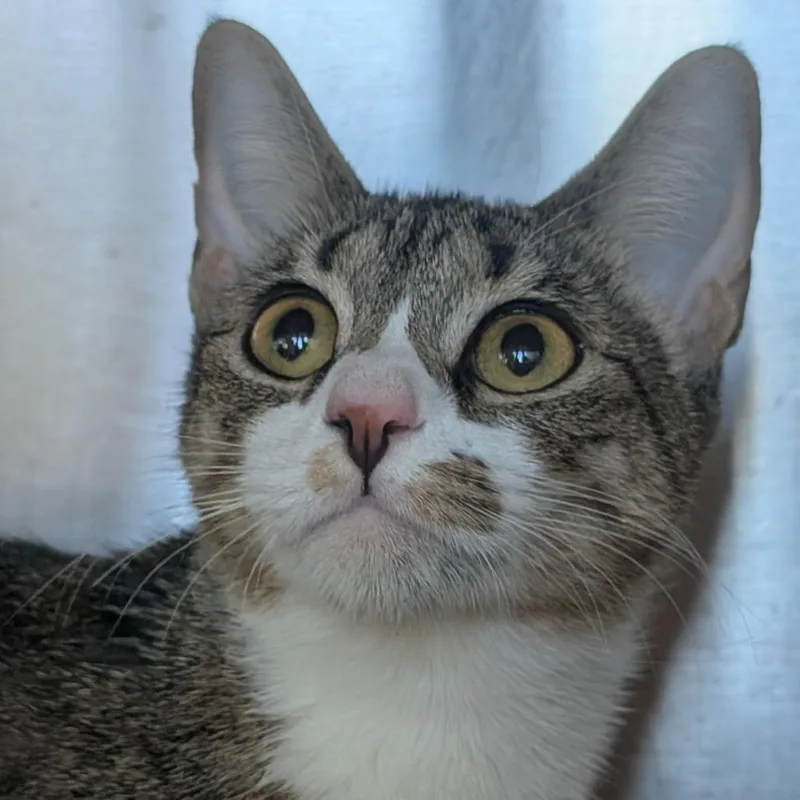
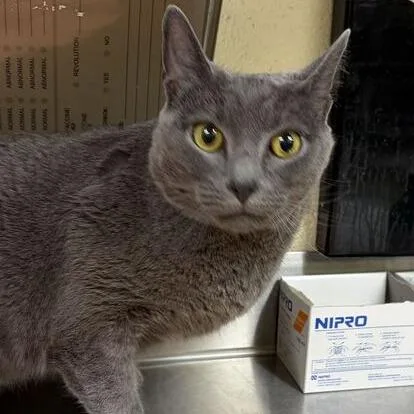
Domestic Short Hair Cats for Adoption in Asheville, NC

Your guide to finding and caring for a Domestic Short Hair in Asheville

A Domestic Short Hair fits Asheville's older housing well, from a Montford home built around 1900 to a West Asheville bungalow. These short-coated cats come in every color and personality, so you're choosing the cat, not a breed standard. Window perches earn their keep here: black bears wander through city neighborhoods, which is one more reason to keep a cat indoors. A sunny sill in a Haw Creek living room is usually all a DSH asks for.

134 Domestic Short Hairs available for adoption in Asheville

Find your Domestic Short Hair

Domestic Short Hairs Available for Adoption in Asheville

About the Domestic Short Hair breed

Domestic Short Hair describes a type of cat rather than a breed: a short-coated cat of mixed or unknown ancestry. It's the most common cat in American homes and shelters, often shortened to DSH on adoption records, and shouldn't be confused with pedigreed breeds like the American Shorthair. Coats come in every color and pattern, from tabby and tuxedo to calico and solid black.

With such a varied gene pool, looks and personality differ a lot. Most are medium-sized and sturdy, weighing roughly 6 to 14 pounds, and the short coat needs only a weekly brush. Some are lap cats, some are chatty, and others prefer to watch from a windowsill. In Asheville, a cat's age, energy and comfort with quiet or busy households are a better guide than any label.

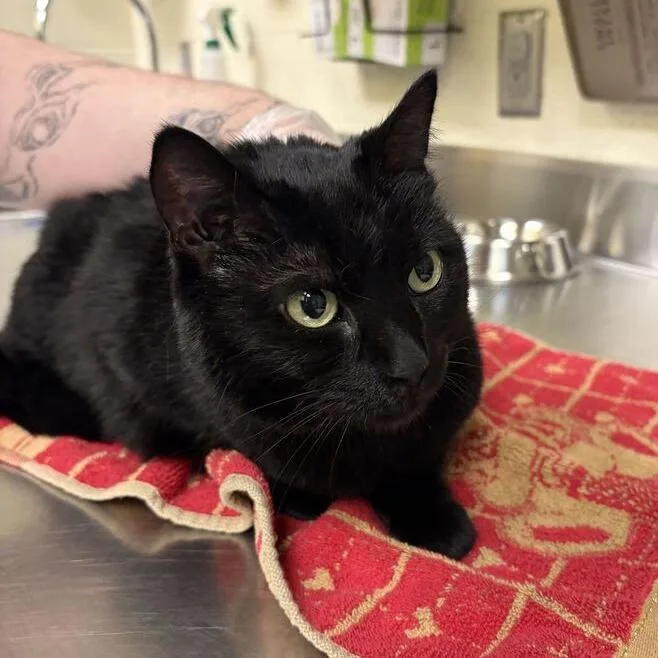
Weight
6–14 lbs
Height
8–10 in
Lifespan
12–18 yrs
Temperament
Adaptable, Curious, Affectionate
Shedding
Moderate

Owning a Domestic Short Hair in Asheville

Having a Domestic Short Hair in Asheville

DSH cats share a practical coat and a wide gene pool, but little else is fixed. Age, energy and sociability vary from cat to cat, so what you see in each listing matters more than the label. Asheville's bears and cool winters favor an indoor life.

Temperament

Domestic Short Hairs run from outgoing lap cats to shy, independent watchers. Many adapt to new homes and other pets after gradual introductions. Kittens tend to be bold and playful, while adults show settled personalities. Past experiences and early socialization shape behavior more than coat does, so spend time with a cat before deciding.

Exercise Needs

Most need daily interactive play, especially indoors. Wand toys, chase games and food puzzles use up hunting energy. Young cats may want several bursts a day, while seniors prefer gentler sessions. In Asheville, a window perch facing the yard gives an indoor cat birds and squirrels to watch, and a screened porch offers safe fresh air.

Health Considerations

Common feline problems include obesity, dental disease, urinary issues and, in older cats, kidney disease, hyperthyroidism and diabetes. Mixed ancestry may lower some inherited risks, though not all. Regular vet exams, weight checks and dental care catch trouble early, and a veterinarian can look over a newly adopted cat's overall health.

Living Space

DSH cats generally do well in apartments and houses when they have enrichment and quiet retreats. Climbing shelves, scratching posts, hiding spots and a clean litter box matter more than square footage. Screens on windows and balconies prevent falls, and Asheville's hillside streets and resident bears make indoor living the safer choice.

What it costs to own a Domestic Short Hair in Asheville

ExpenseTypical costPer year
Adoption fee$25 to $150, one time$25 to $150 in year one
Food$25 to $50 per month$300 to $600
Pet insurance$20 to $45 per month$240 to $540
Routine vet care$150 to $350 per year$150 to $350
Other*$450 to $1,150 per year$450 to $1,150
Estimated yearly total (after year one)$1,140 to $2,640
First-year total (with adoption fee)$1,165 to $2,790

Adoption fee is the range of fees on Domestic Short Hair listings in Asheville on GetBuddy today. Other costs are estimates and vary with size, age and health.

* Litter, flea and tick prevention, a dental cleaning allowance, toys, scratchers and other supplies, and minimal home grooming.

Adopt a Domestic Short Hair in Asheville.

Now that you know more, let’s find you a new best friend. These rescues and shelters below currently have Domestic Short Hairs available.

Rescues in Asheville with Domestic Short Hairs Available

Asheville's shelters and rescues care for cats and kittens of every age, color and personality. Here are the rescues & shelters in the Asheville area where you can find Domestic Short Hairs and other cats available for adoption.

Frequently Asked Questions

Yes, you can get a Domestic Short Hair in Asheville, and there are no known breed restrictions. Cats don't need a city license, but they must have current rabies vaccination, and cats six months or older must be spayed or neutered unless the owner holds a $100 Unaltered Pet Permit. Browse the cats listed on this page to see who's available now.

Yes, a Domestic Short Hair usually does well in an Asheville apartment. Cats need vertical space, scratching posts, a quiet hiding spot and daily play more than square footage. Add a window perch for watching the street and keep screens secure. On ground floors, keep doors and cat flaps closed, since black bears roam city neighborhoods.

Yes, Domestic Short Hairs handle Asheville winters well as indoor cats. Short coats offer little insulation against freezing nights, so provide warm beds, sunny perches and extra play indoors. Cats left outside risk cold, ice and wildlife, so keep them inside. If a cat does go out on a harness, wipe its paws afterward to remove road treatments.

A Domestic Short Hair needs little grooming in Asheville: a weekly brush is plenty, and a bit more during spring and fall shedding. Mats are uncommon and mostly affect overweight, older or arthritic cats. Most owners groom at home, so the Other cost line of roughly $450–$1,150 a year mainly covers litter, flea prevention and dental care.

Yes, small cats can ride Asheville's ART buses in a pet-carrying cage held on your lap, and service animals are also welcome. Because the carrier must fit on your lap, choose a compact, secure one lined with an absorbent pad. Asheville has no subway or rail, so buses are the only transit option.

Only on a patio, and only if the restaurant allows it. North Carolina lets restaurants welcome pets in outdoor dining areas, but animals must be physically restrained and can't enter indoor areas. Most cats are happier at home, so use a secure carrier or harness if you try it with a calm cat.

A Domestic Short Hair is a good fit for Asheville if you want a flexible indoor companion. Cats of this type adapt to apartments, bungalows and hillside homes, and the city's cool winters keep everyone cozy indoors together. Because temperaments vary widely, choose a cat whose age and energy match your routine, and plan on bear-safe, indoor-only living.

Domestic shorthair cats typically live about 12 to 18 years, and many indoor cats reach their late teens or early twenties. Large UK veterinary studies have found mixed-breed cats tend to live slightly longer than pedigreed cats on average. Spaying or neutering, indoor living, a healthy weight, dental care and regular checkups all help a cat enjoy a longer life.

We have 4 rescues with Domestic Short Hairs available, including Asheville Humane Society, Binx's Home for Black Cats, Co. and Brother Wolf Animal Rescue. You can see every rescue with Domestic Short Hairs available in the list above these questions, or scroll to the top to see the Domestic Short Hairs in Asheville.

Plan on about $25–$50 a month for food, $20–$45 a month for insurance, $150–$350 a year for routine vet care, and $450–$1,150 a year for other costs such as litter, flea prevention and dental care. Together that's roughly $1,140–$2,640 a year, and a short coat keeps grooming costs low.

Explore Other Breeds in Asheville

Looking for a different breed? Browse other cats available for adoption in Asheville.