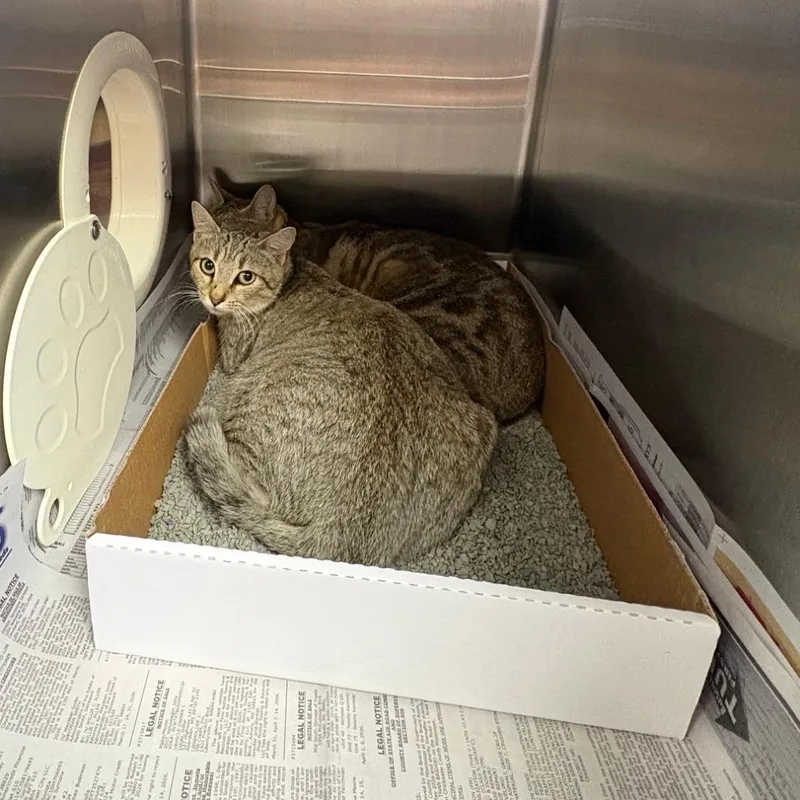
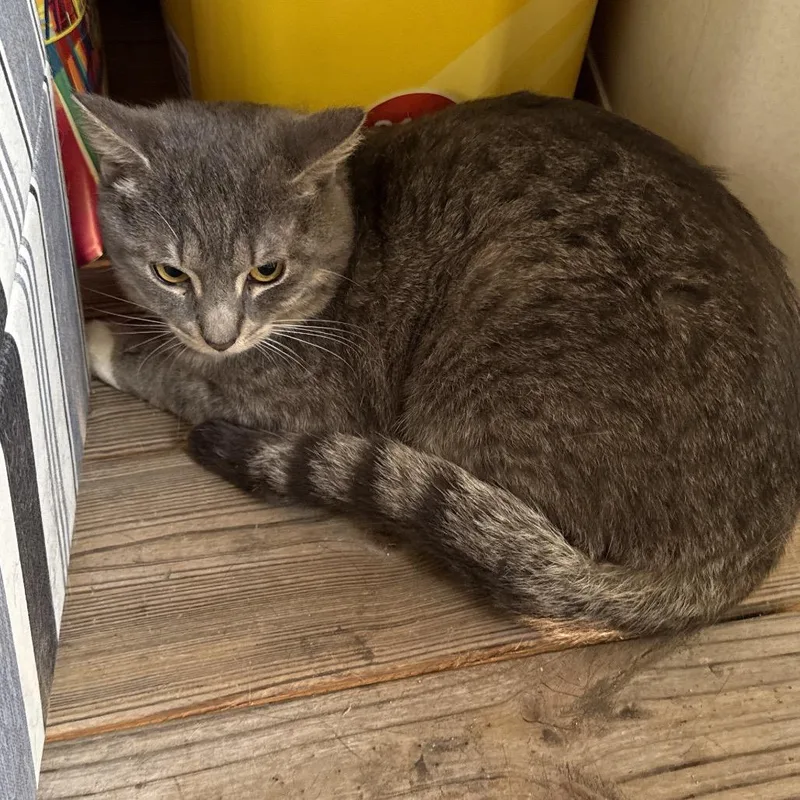
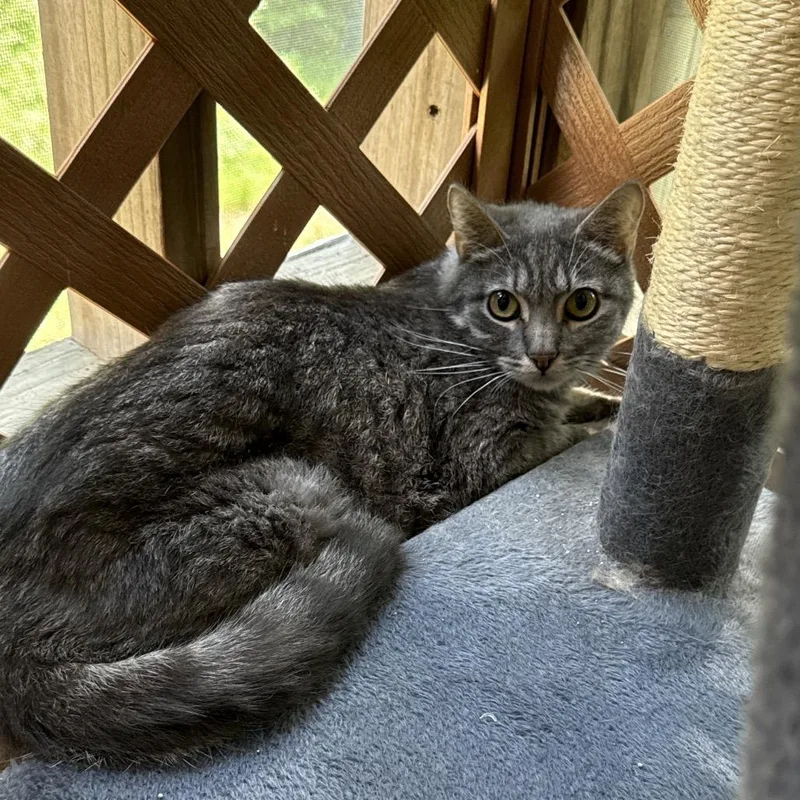
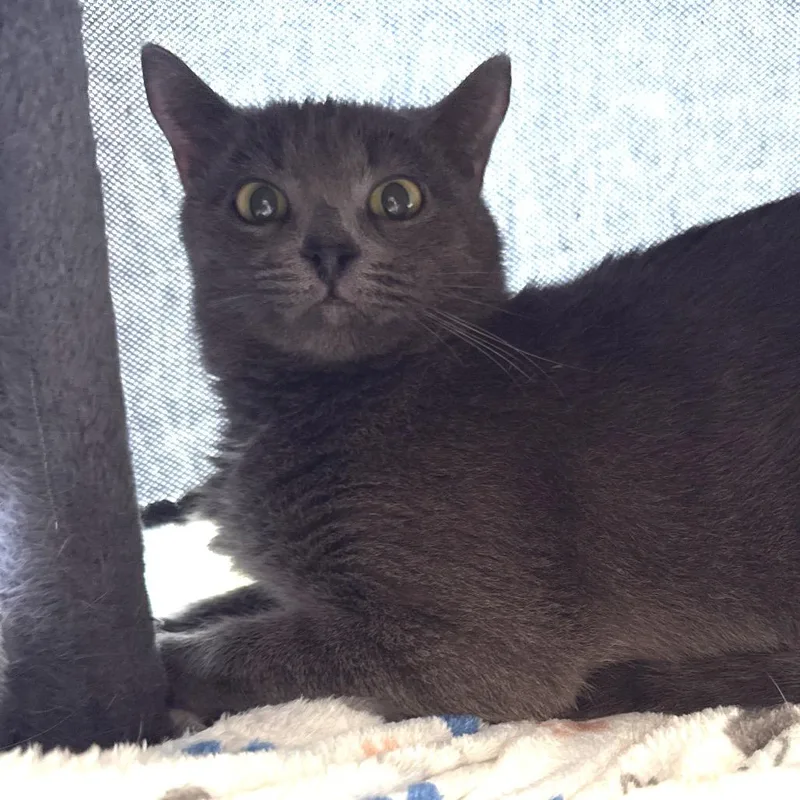
Domestic Short Hair Cats for Adoption in Tupelo, MS

Your guide to finding and caring for a Domestic Short Hair in Tupelo

A Domestic Short Hair suits Tupelo's mix of old bungalows and downtown apartments well. In Mill Village, the cotton-mill cottages sit on small lots, but an indoor cat doesn't need a yard, just a sunny window and something tall to climb. The same goes for a Fairpark apartment or a Highland Circle house with big trees outside the glass. Their short coats are easy to keep up with, and daily play with a wand toy does most of the work of keeping them happy.

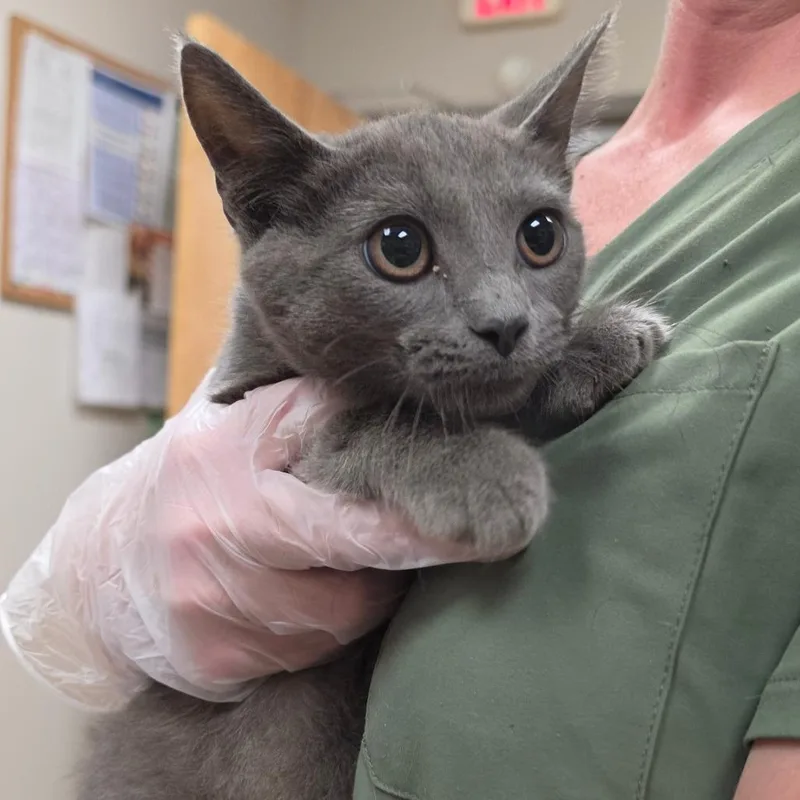
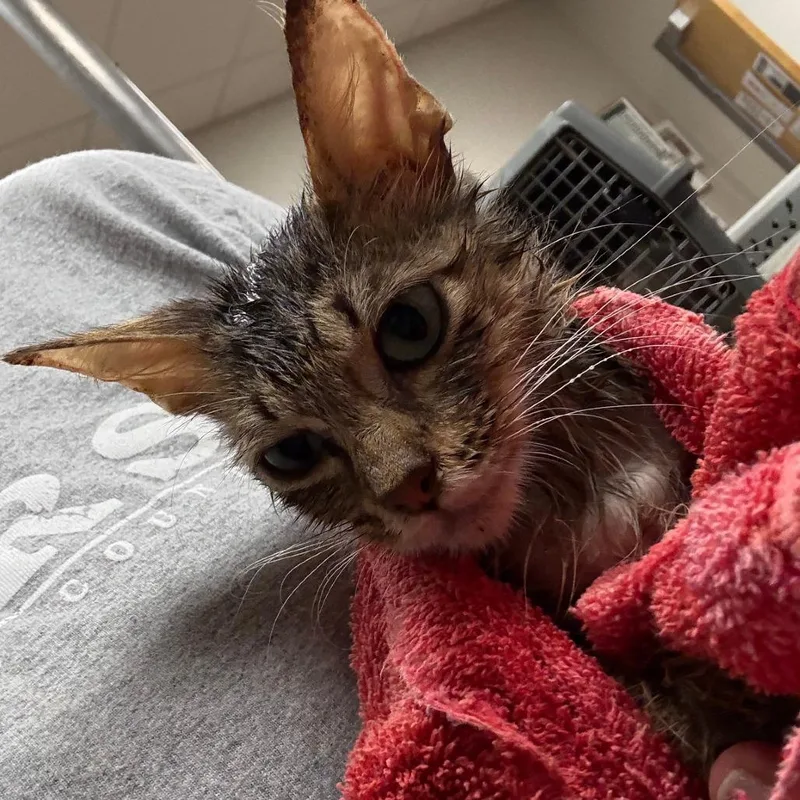
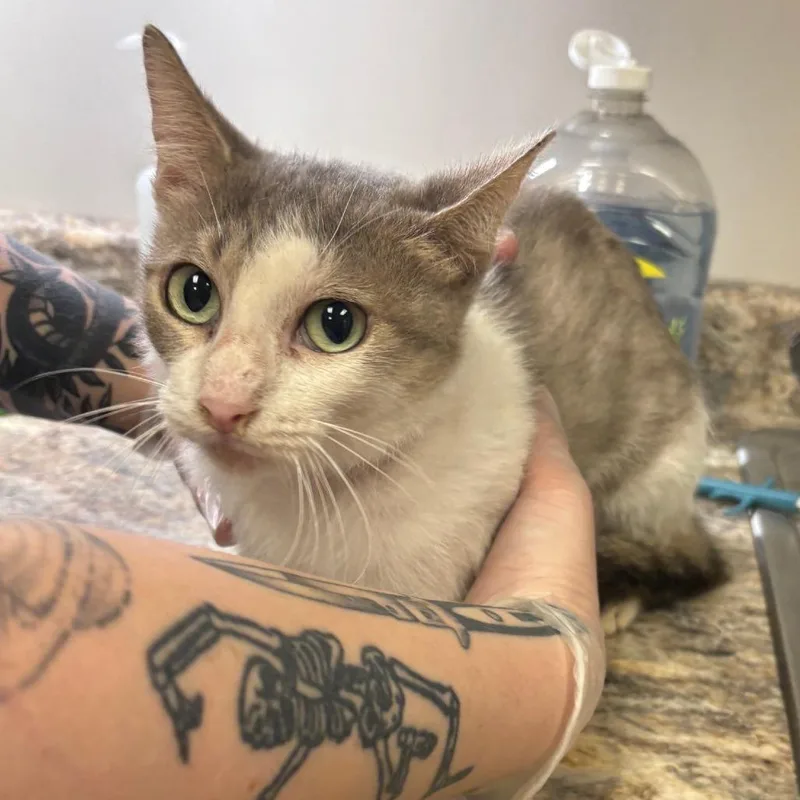
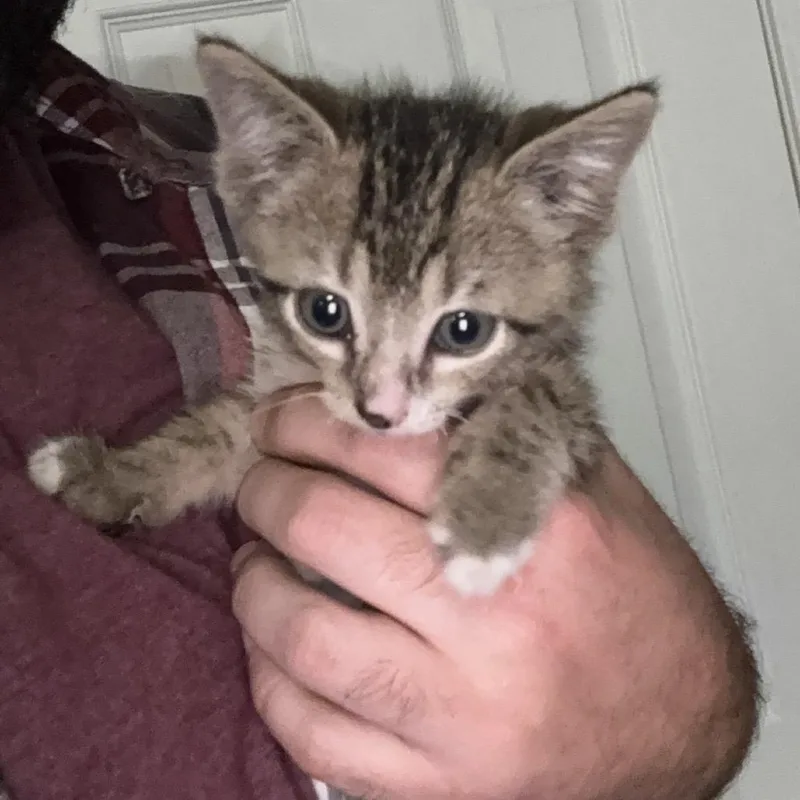
20 Domestic Short Hairs available for adoption in Tupelo

Find your Domestic Short Hair

Domestic Short Hairs Available for Adoption in Tupelo

About the Domestic Short Hair breed

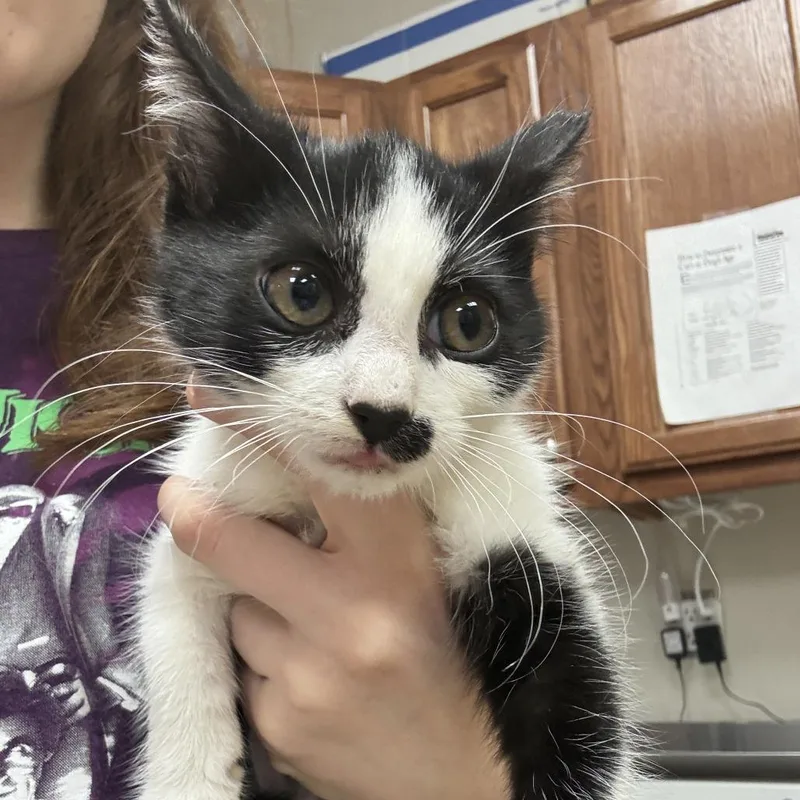
Domestic Short Hair is a type of cat, not a pedigreed breed. It covers short-coated cats of mixed or unknown ancestry, and it's the label you'll see most often on adoption records, usually shortened to DSH. They come in every color and pattern, from tabby and tuxedo to calico and solid black, and most are medium-sized and sturdy at roughly 6 to 14 pounds.

Because the gene pool is so wide, personalities vary a lot. One DSH may be a lap cat, another a talker, another a quiet window-watcher. A cat's age, energy level and past experiences tell you far more than its coat. With good care, many live from 12 to 18 years, so adopting one is a long commitment worth planning for.

Weight
6–14 lbs
Height
8–10 in
Lifespan
12–18 yrs
Temperament
Adaptable, Curious, Affectionate
Shedding
Moderate

Owning a Domestic Short Hair in Tupelo

Having a Domestic Short Hair in Tupelo

Domestic Short Hairs share a practical, low-maintenance coat, but little else is set in stone. Age, energy and sociability differ from cat to cat, so spend time with a cat and watch how it behaves before deciding it's the right match.

Temperament

Many Domestic Short Hairs are adaptable, curious and affectionate, though some are shy or prefer to keep their distance. Kittens tend to be bold and playful, while adults show settled personalities. Most adjust to a new home within a few weeks if given a quiet room and gradual introductions to people and pets.

Exercise Needs

Plan on daily interactive play, since an indoor cat in a Tupelo apartment or house gets most of its exercise from you. Wand toys, chase games and food puzzles burn energy and satisfy hunting instincts. Young cats want several short bursts a day, while seniors prefer gentler sessions. Window perches and cat trees add variety.

Health Considerations

Domestic Short Hairs can get common feline problems, including obesity, dental disease and urinary trouble, plus kidney disease, hyperthyroidism and diabetes in later years. Weight checks and yearly exams help catch these early. Mississippi's long mosquito and flea season makes year-round parasite prevention worth discussing with a veterinarian. Rabies vaccination is required by state law.

Living Space

A Domestic Short Hair usually does well in a Tupelo apartment, duplex or house as long as it has scratching posts, hiding spots, a clean litter box and something tall to climb. Square footage matters less than enrichment. Keeping the cat indoors protects it from traffic and wildlife, and sturdy window screens prevent falls.

What it costs to own a Domestic Short Hair in Tupelo

ExpenseTypical costPer year
Adoption fee$50 to $100, one time$50 to $100 in year one
Food$25 to $50 per month$300 to $600
Pet insurance$20 to $45 per month$240 to $540
Routine vet care$150 to $350 per year$150 to $350
Other*$450 to $1,150 per year$450 to $1,150
Estimated yearly total (after year one)$1,140 to $2,640
First-year total (with adoption fee)$1,190 to $2,740

Adoption fee is the range of fees on Domestic Short Hair listings in Tupelo on GetBuddy today. Other costs are estimates and vary with size, age and health.

* Litter, flea and tick prevention, a dental cleaning allowance, toys, scratchers and other supplies, and minimal home grooming.

Adopt a Domestic Short Hair in Tupelo.

Now that you know more, let’s find you a new best friend. These rescues and shelters below currently have Domestic Short Hairs available.

Rescues in Tupelo with Domestic Short Hairs Available

The rescues and shelters below list cats of all ages and coats, and new Domestic Short Hairs may appear as listings change. Here are the rescues & shelters in the Tupelo area where you can find Domestic Short Hairs and other cats available for adoption.

Frequently Asked Questions

Yes, there are no known breed rules in Tupelo that limit owning a Domestic Short Hair. Mississippi law requires rabies vaccination for cats 3 months and older, so keep the certificate and tag current. If you rent, get your landlord's pet approval in writing. Watch the listings on this page for cats that fit your home.

Yes, a Domestic Short Hair usually does well in an apartment. Cats care more about enrichment than floor space, so add a cat tree, window perch, scratching posts and a quiet litter spot. Daily play keeps them fit. Use secure window screens, and confirm any pet fees or limits in your lease before moving in.

Often, yes. Tupelo's mix of apartments, small bungalows and larger houses all work for an indoor cat, and the short coat is easy to maintain. The main demands are daily play, air conditioning in summer and a storm plan in spring. Each cat differs, so match its age and energy to your routine.

Yes, indoor Domestic Short Hairs handle Tupelo summers well with air conditioning. About 70 days a year reach 90°F and nights stay near 70°F, so keep fresh water in several spots and close curtains on sunny windows. Watch for heavy panting or lethargy, and never leave a cat in a parked car.

Very little. A weekly brushing handles the moderate shedding, and you may want to brush more often in fall when shedding picks up. Humid summers don't change the routine much. Professional grooming is rarely needed and falls within the Other costs listed on this page, alongside litter, dental care and supplies.

Domestic shorthair cats typically live about 12 to 18 years, and many indoor cats reach their late teens or early twenties. Large UK veterinary studies have found mixed-breed cats tend to live slightly longer than pedigreed cats on average. Spaying or neutering, indoor living, a healthy weight, dental care and regular checkups all help a cat enjoy a longer life.

No, domestic shorthair cats are not hypoallergenic. The main cat allergen, a protein called Fel d 1, comes from saliva and skin glands, so short fur does not prevent reactions. Allergen levels vary between individual cats, and some people react less to certain cats. Spending time with a specific cat before adopting is the best way to test your response.

A domestic shorthair cat is a short-coated cat of mixed or unknown ancestry rather than a member of a pedigreed breed. It is the most common type of cat in the United States and in shelters. Domestic shorthairs come in every color and pattern, and their size and personality vary widely depending on their varied genetic background.

We have 2 rescues with Domestic Short Hairs available: Tupelo-Lee Humane Society and Popfix. You can see every rescue with Domestic Short Hairs available in the list above these questions, or scroll to the top to see the Domestic Short Hairs in Tupelo.

Expect roughly $25 to $50 a month for food, $20 to $45 a month for pet insurance, $150 to $350 a year for routine vet care, and $450 to $1,150 a year for everything else. Together that comes to about $1,140 to $2,640 a year, before any emergencies.

Explore Other Breeds in Tupelo

Looking for a different breed? Browse other cats available for adoption in Tupelo.