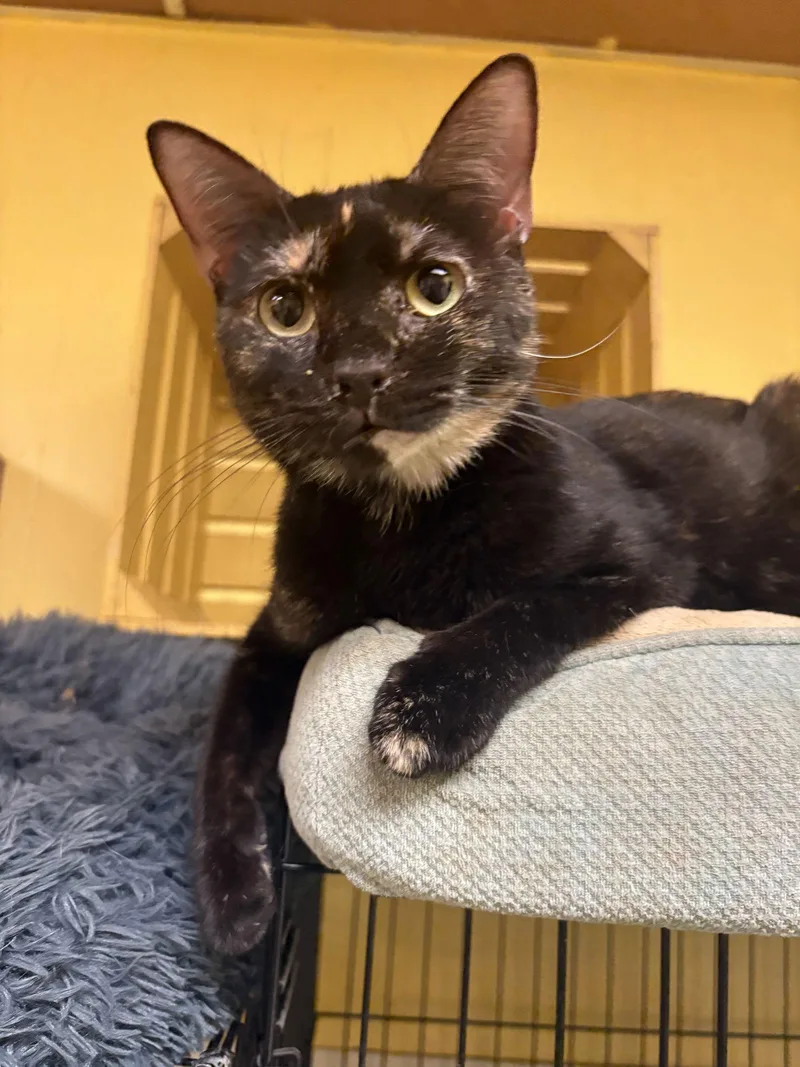
Tortoiseshell Cats for Adoption in Jackson, MS

Your guide to finding and caring for a Tortoiseshell in Jackson

A tortoiseshell cat fits Jackson's apartments and bungalows well, as long as it lives indoors. Torties come in every temperament, so a Midtown condo or a Farish Street bungalow can work with a window perch and daily play. Coyotes turn up in Mississippi cities and summers get hot and humid, which is one more reason to keep a tortie inside. Expect moderate shedding and a cat that may have opinions about dinnertime.

960 Tortoiseshells available in Jackson and nationwide

Your Tortoiseshell is waiting

While we don't have enough cats near Jackson, keep in mind that many rescues may offer transport.

Tortoiseshells Available for Adoption Near Jackson

About the Tortoiseshell breed

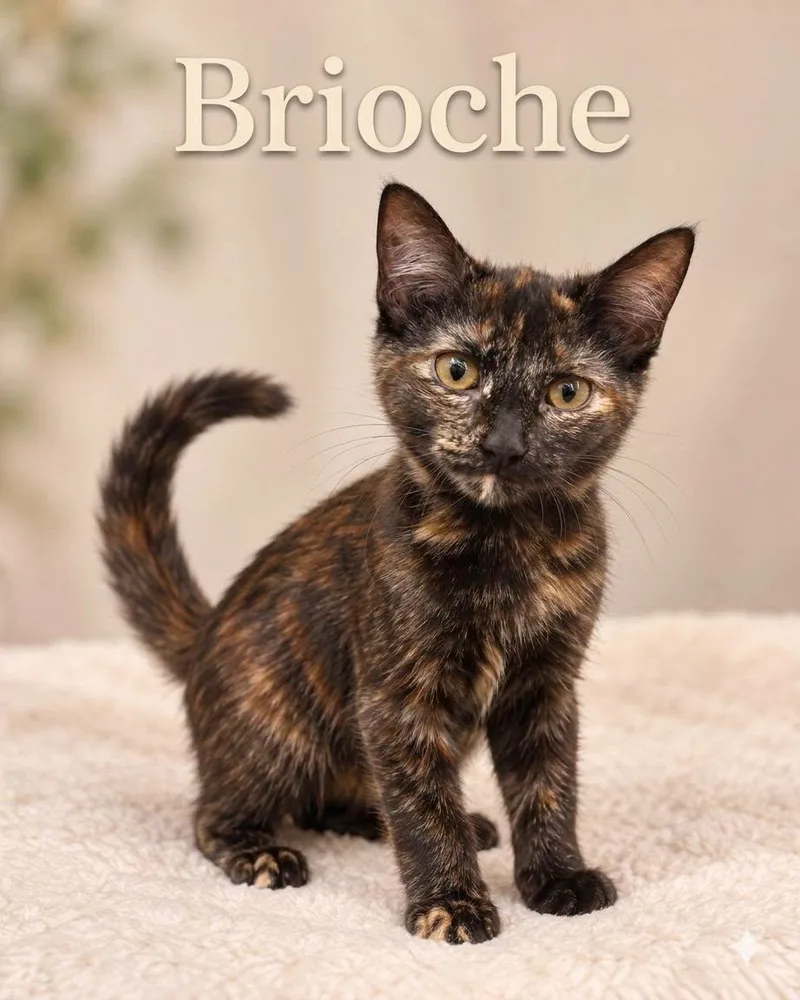
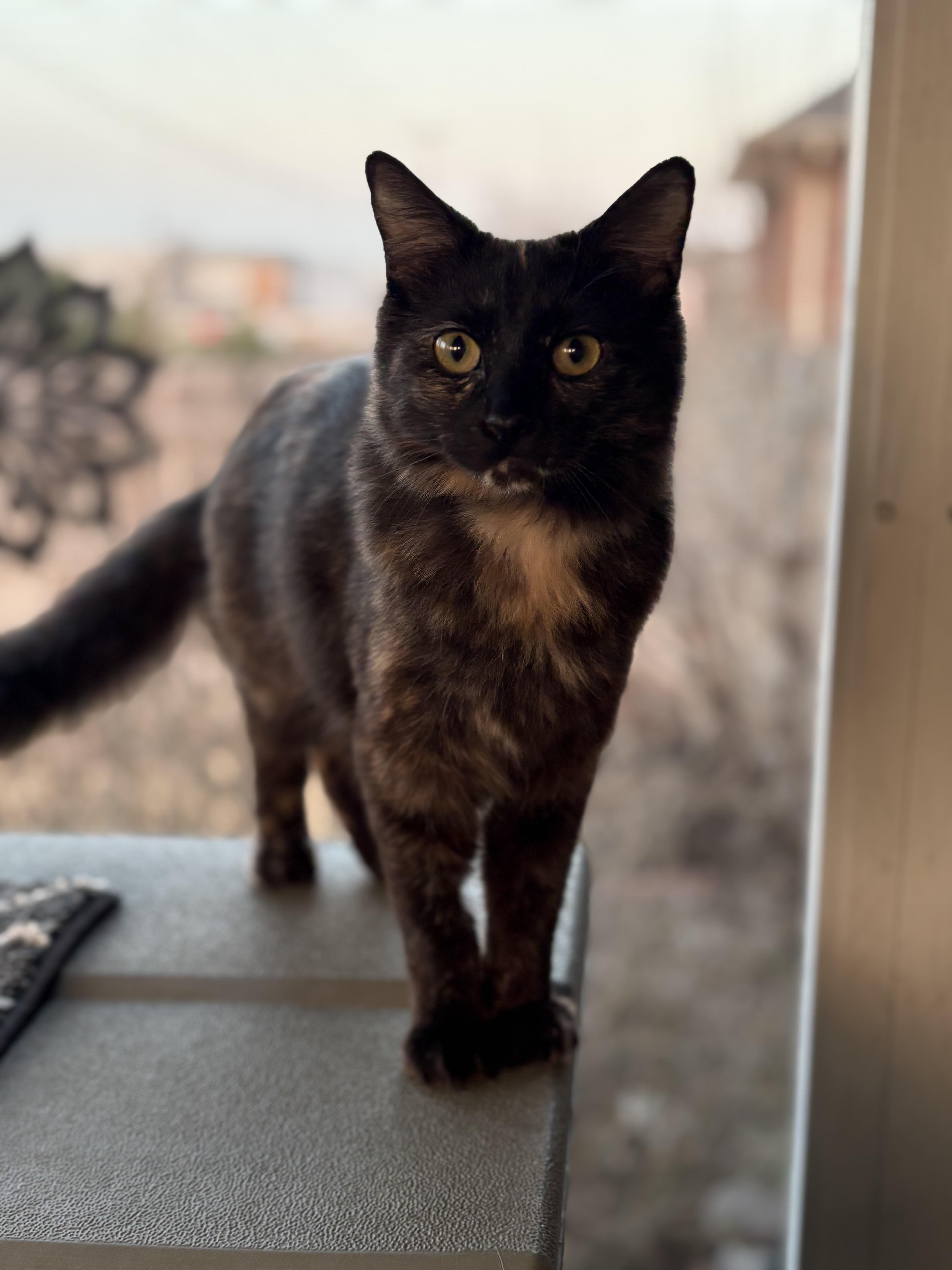
Tortoiseshell describes a coat pattern, not a breed. Black-based and orange-based colors mix in patches or a fine mottle, usually with little white, and dilute torties show soft gray and cream. Nearly all are female, because the orange gene sits on the X chromosome.

Most torties in Jackson homes are domestic shorthairs or longhairs, so size, energy and grooming vary from cat to cat. Adults typically weigh 6 to 14 pounds and live 12 to 18 years. Tortitude is a popular nickname for a spirited streak, but the evidence is thin, and a cat's age and history say far more than its color. A calm lap cat and a fearless climber can wear the very same coat. Shedding is moderate, so weekly brushing covers most coats.

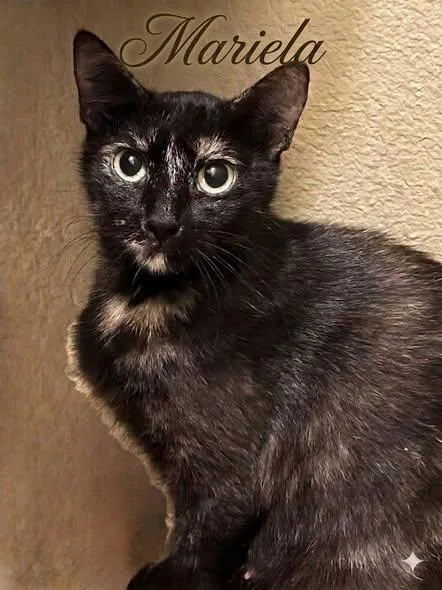
Weight
6–14 lbs
Height
8–10 in
Lifespan
12–18 yrs
Temperament
Independent, Affectionate, Playful
Shedding
Moderate

Owning a Tortoiseshell in Jackson

Having a Tortoiseshell in Jackson

Tortoiseshell is a coat, not a breed, so these traits reflect what's typical of domestic cats rather than a promise. In Jackson, the practical questions are indoor enrichment, heat and storm readiness, and matching a cat's energy to your home.

Temperament

Torties have a reputation for spunk, but coat color predicts little. Some are shy, some bold, some true lap cats. In a busy apartment building or on a quiet bungalow street, a confident cat adapts easily, while a nervous one may want a calm room during spring thunderstorms and holiday fireworks.

Exercise Needs

Plan on daily interactive play, such as wand toys, chase games and puzzle feeders, with younger cats needing more and seniors less. Jackson's heat makes indoor play the default for much of the year, so window perches, cat trees and a bird feeder outside a screened window add welcome enrichment.

Health Considerations

A tortoiseshell coat carries no health risks of its own in females, while the rare males often have an extra X chromosome and may need extra care. Yearly exams, dental care and a healthy weight matter most. Jackson's long warm season makes year-round flea prevention worth discussing with a veterinarian.

Living Space

Tortoiseshells do well in apartments, lofts, bungalows and houses alike, as long as they're kept indoors with scratching posts, vertical space and a quiet retreat. Indoor living also keeps a cat clear of coyotes, traffic and summer heat. Space matters less than daily play and attention.

What it costs to own a Tortoiseshell in Jackson

ExpenseTypical costPer year
Food$25 to $50 per month$300 to $600
Pet insurance$20 to $45 per month$240 to $540
Routine vet care$150 to $350 per year$150 to $350
Other*$450 to $1,150 per year$450 to $1,150
Estimated yearly total (after year one)$1,140 to $2,640

Other costs are estimates and vary with size, age and health.

* Litter, flea and parasite prevention, a dental cleaning allowance, toys and supplies, and home grooming.

Adopt a Tortoiseshell in Jackson.

Now that you know more, let’s find you a new best friend. These rescues and shelters below have cats available in and near Jackson.

Rescues and Shelters in or near Jackson

Jackson's cats are placed through local nonprofit rescues, many of which report being full, so each adoption matters. Here are the rescues & shelters in the Jackson area with cats available for adoption, worth asking whether a Tortoiseshell is coming in.

Frequently Asked Questions

Yes, indoor Tortoiseshells handle Jackson summers well with air conditioning, fresh water and shade. Nights stay in the low 70s, so the heat doesn't let up after dark. Keep cats inside, never leave one in a parked car, and watch for panting, drooling or lethargy, which call for a veterinarian right away.

Yes. Jackson has no breed rules for cats, and a tortoiseshell coat doesn't change anything. The city requires rabies vaccination at three months, then yearly, plus a metal tag. No cap on the number of pets is published, but your lease may set one, so confirm before adopting.

Yes, most Tortoiseshells do well in Jackson apartments. Give a cat a window perch, a tall scratching post and daily wand-toy play, and place the litter box away from the food. Secure window screens matter, and a quiet hiding spot helps a nervous tortie cope with storms and holiday fireworks.

Often, yes, if you can keep the cat indoors and plan for local weather. Storm season, summer heat, fireworks and occasional boil-water notices call for a carrier, bottled water and a calm room. Temperament varies widely among torties, so watch the cats listed on this page for one whose energy matches yours.

Brush a short-coated Tortoiseshell about once a week, and a longhaired one every day or two, since shedding is moderate. Humid summers can make coats feel heavier, and spring brings extra shedding. Home brushing costs little and sits inside the yearly Other line of the cost table.

Jackson has JTRAN buses but no subway, and buses don't run on Sundays. Pet rules for carriers should be checked with JTRAN before riding, while service animals follow ADA rules. For most cats, a secure carrier in a car or ride to the veterinarian is the simpler, calmer choice.

A tortoiseshell cat is a cat with a coat pattern of black-based and orange-based colors blended or patched together, usually with little or no white. It is not a breed; the pattern appears in many breeds and most often in domestic shorthairs. Nearly all tortoiseshells are female because the genes for orange and black are carried on the X chromosome.

Almost all tortoiseshell cats are female, but not all. A female has two X chromosomes and can carry both orange and black color genes, producing the mixed coat. Males normally have only one X. Rare male torties usually have an extra X chromosome or are genetic chimeras, and they are estimated at roughly 1 in 3,000 tortoiseshells.

No, tortoiseshell cats are not rare. They are common among domestic cats and are regularly found in shelters and rescues. What is rare is a male tortoiseshell, since the pattern almost always requires two X chromosomes. Certain variations, such as long-haired or dilute torties, are less common simply because they require additional recessive genes.

Expect roughly $25 to $50 a month for food, $20 to $45 for pet insurance, $150 to $350 a year for routine vet care, and $450 to $1,150 a year for everything else, including litter. Together that comes to about $1,140 to $2,640 a year, before any emergency or illness.

Find Tortoiseshells in Nearby Cities

Expand your search to find Tortoiseshells available for adoption near Jackson.