Bombay Cats for Adoption in Jackson, MS

Your guide to finding and caring for a Bombay in Jackson

A Bombay is a good match for a Jackson home where someone's around part of the day, from a Midtown condo to a Presidential Hills ranch house. These sleek black cats are social and like to follow you room to room. Give one a window perch for watching the yard and a wand toy for the evenings, and it'll be happy indoors, which is also the safest place for a cat in Jackson's summer heat.

597 Bombays available in Jackson and nationwide

Open your home to a Bombay

While we don't have enough cats near Jackson, keep in mind that many rescues may offer transport.

Bombays Available for Adoption Near Jackson

About the Bombay breed

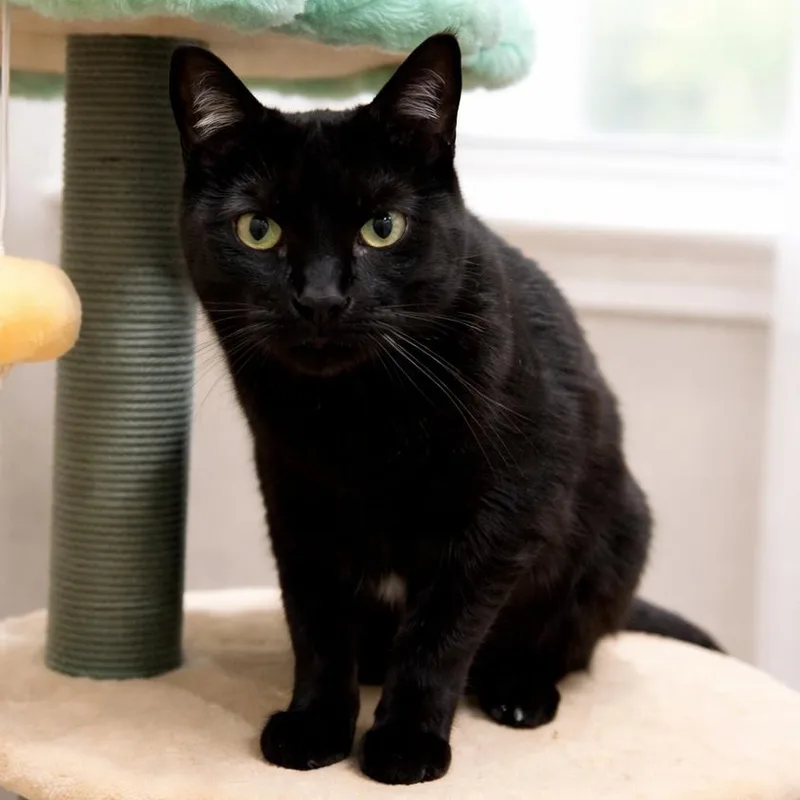
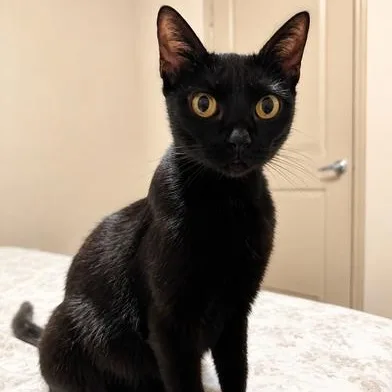
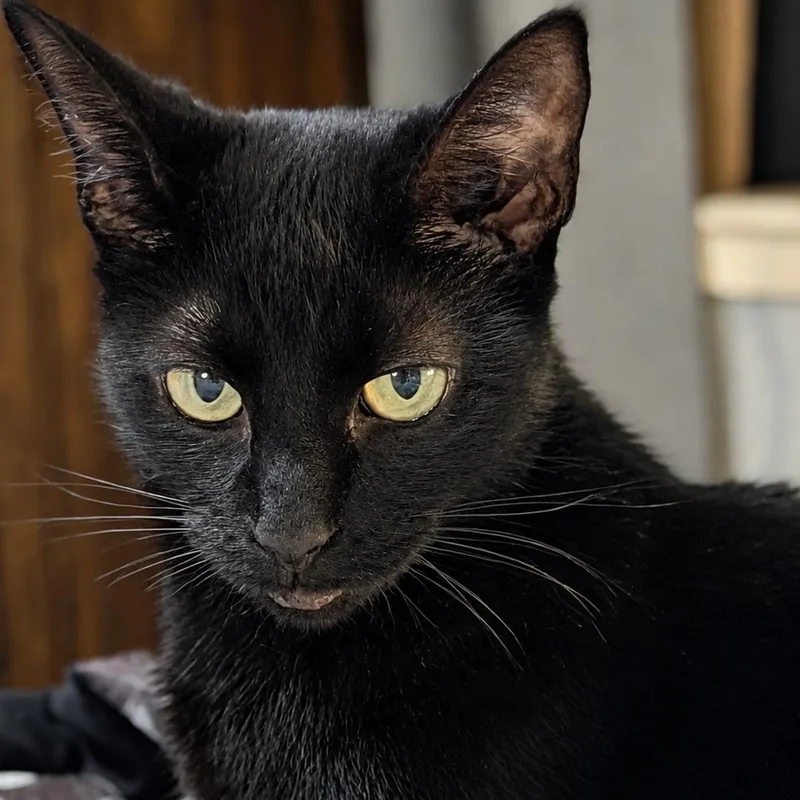
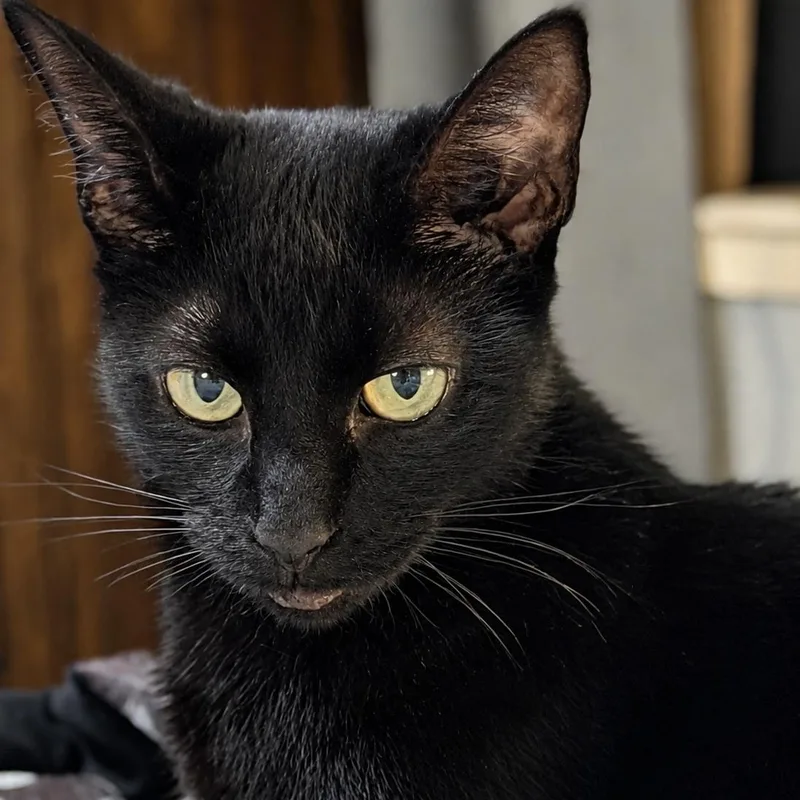
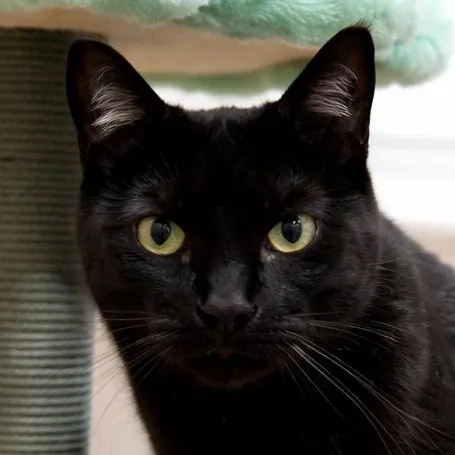
The Bombay was developed in the United States starting in the 1950s, when Nikki Horner of Kentucky crossed sable Burmese with black American Shorthairs, hoping for a miniature black panther. The result is a medium-sized cat, usually 6 to 12 pounds, that feels heavier than it looks, with a short satiny coat that is black to the roots, a black nose and paw pads, and round gold to copper eyes.

Many Bombays are affectionate, playful and curious, and they often settle into a lap once the evening winds down. Some learn to fetch or walk on a harness. Pedigreed Bombays are uncommon in shelters, and most sleek black cats listed under this name are domestic shorthairs with a similar look, so each cat's personality matters more than the label. The coat needs little more than an occasional brushing.

Weight
6–12 lbs
Height
8–10 in
Lifespan
12–15 yrs
Temperament
Affectionate, Social, Playful
Shedding
Low

Owning a Bombay in Jackson

Having a Bombay in Jackson

A Bombay's glossy coat is easy to keep up, but its attachment to people asks more of your time. Its sociability, play drive and appetite all shape how it fits a household, so think through your daily routine in Jackson before you decide.

Temperament

Bombays tend to be affectionate and outgoing, and many greet visitors instead of hiding. Some bond closely with one person and dislike long days alone, which matters if your work keeps you away from home. Many accept other cats and calm dogs after gradual introductions, though each cat's history and socialization shape how it behaves.

Exercise Needs

Plan on daily interactive play with wand toys, chase games or fetch, and consider harness training if you want supervised time outside. Food puzzles add mental work. Indoor play matters even more during Jackson's long, humid summers, when midday outdoor time is out. Regular play also helps keep a food-loving Bombay at a healthy weight.

Health Considerations

Hypertrophic cardiomyopathy has been reported in Bombays, and some have watery eyes that need gentle wiping. Many are food-motivated and gain weight easily, which raises the risk of diabetes and joint strain. Yearly vet exams, measured meals and dental care help, and a veterinarian can check the heart and talk through screening after adoption.

Living Space

A Bombay does well in an apartment or a house when it has company and places to climb. Window perches, cat trees and scratching posts matter more than floor space, which suits Jackson's mix of condos, duplexes and bungalows. Many crave attention, so a home where someone is around part of the day fits best. Indoor living keeps a Bombay safe.

What it costs to own a Bombay in Jackson

ExpenseTypical costPer year
Food$25 to $50 per month$300 to $600
Pet insurance$30 to $60 per month$360 to $720
Routine vet care$150 to $350 per year$150 to $350
Other*$450 to $1,150 per year$450 to $1,150
Estimated yearly total (after year one)$1,260 to $2,820

Other costs are estimates and vary with size, age and health.

* Litter, flea and tick prevention, a dental cleaning allowance, toys, scratchers and other supplies, and minimal home grooming for the short coat.

Adopt a Bombay in Jackson.

Now that you know more, let’s find you a new best friend. These rescues and shelters below have cats available in and near Jackson.

Rescues and Shelters in or near Jackson

With the city shelter closed since 2021, Jackson's nonprofit rescues handle adoptions, and many are full. Here are the rescues & shelters in the Jackson area with cats available for adoption, worth asking whether a Bombay is coming in.

Frequently Asked Questions

Yes. Jackson has no known breed restriction on cats, and renters mainly need to follow their lease rules. A Bombay is uncommon, and many cats listed under the name are black domestic shorthairs with the same look, so watch the listings on this page and save a search to hear when one is added. Plan for yearly rabies vaccines once you adopt.

Yes, a Bombay usually does well in an apartment as long as it gets daily play, climbing space and company. Get pet fees, deposits and any limits in writing before signing a lease. Provide a tall cat tree and a window perch, and plan interactive play, since a bored Bombay can get noisy or destructive.

Yes, as indoor cats. Jackson averages more than 80 days a year at 90°F or higher, so a Bombay needs air conditioning or strong shade, fans and fresh water. Never leave one in a parked car. A black coat absorbs heat quickly, so heavy panting, drooling or lethargy means cooling the cat down and calling a veterinarian.

A Bombay fits Jackson well if you want an affectionate indoor cat and can offer daily play and some company. Its short coat copes with mild winters, and an air-conditioned home handles the summer. It's less ideal for households that are empty all day, since many Bombays bond closely and dislike long stretches alone.

Very little. A Bombay's short, satiny coat sheds lightly, so a weekly rub with a soft brush or damp cloth keeps it glossy. Jackson's humidity doesn't tangle the coat, but wipe watery eyes gently and trim nails as needed. Professional grooming is rarely necessary, so it fits within the small grooming allowance in the Other costs line.

Expect roughly $1,260 to $2,820 a year for a Bombay in Jackson, based on the table below. Food runs $25 to $50 a month and insurance $30 to $60. Routine vet care is $150 to $350 a year, and litter, prevention, dental care and supplies add another $450 to $1,150.