Russian Blue Cats for Adoption in St. Louis, MO

Your guide to finding and caring for a Russian Blue in St. Louis

A Russian Blue suits a quiet brick flat in Tower Grove South or an older townhouse in Lafayette Square. They're calm, watchful cats that like a window perch and a predictable routine, and St. Louis has plenty of older buildings with sunny front rooms. Russian Blues stay reserved with visitors, so a small household is a good fit. Expect a cat that learns your schedule quickly and waits near the door when you get home from work.

824 Russian Blues available in St. Louis and nationwide

Find your Russian Blue

While we don't have enough cats near St. Louis, keep in mind that many rescues may offer transport.

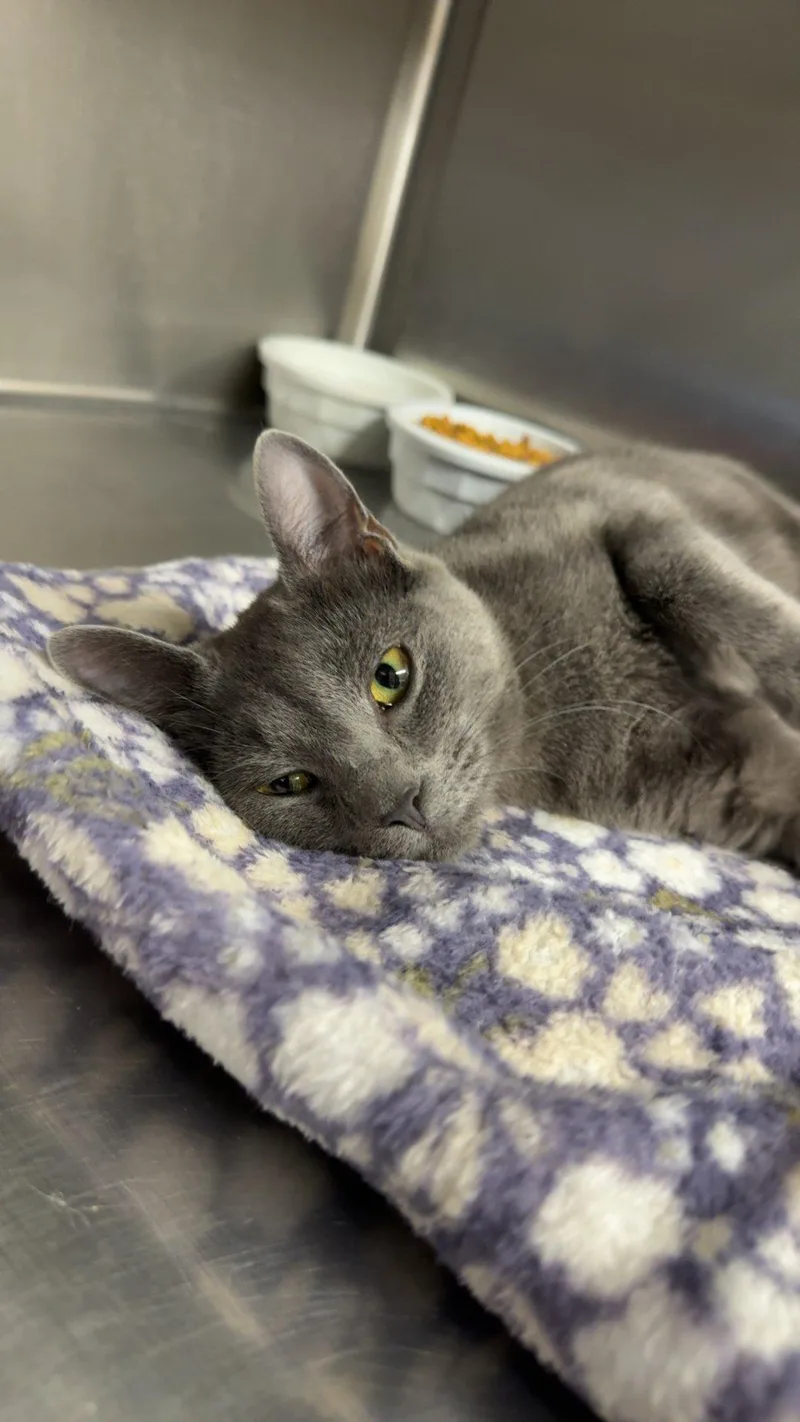
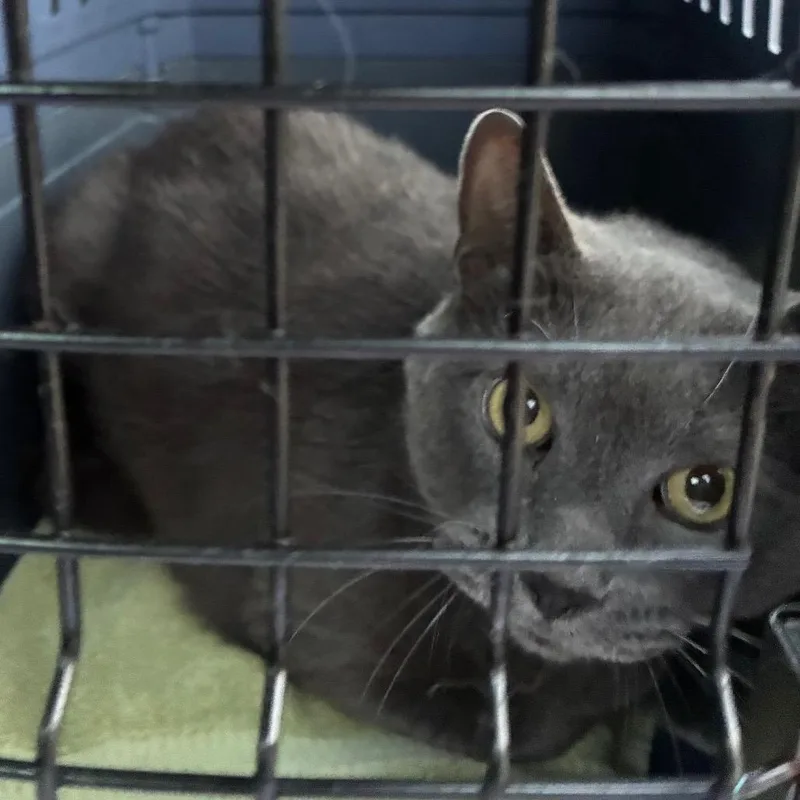
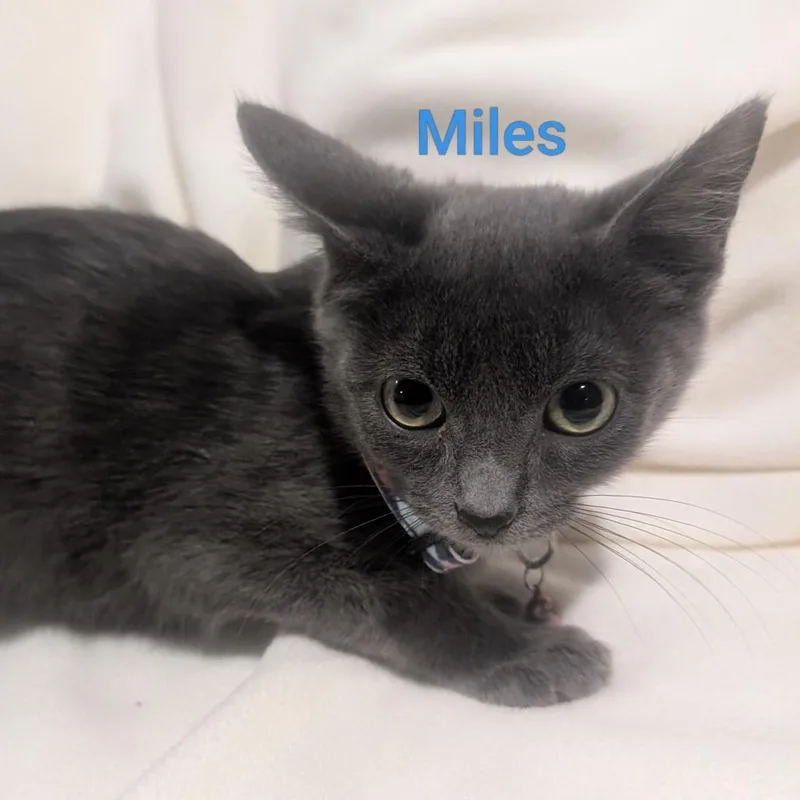
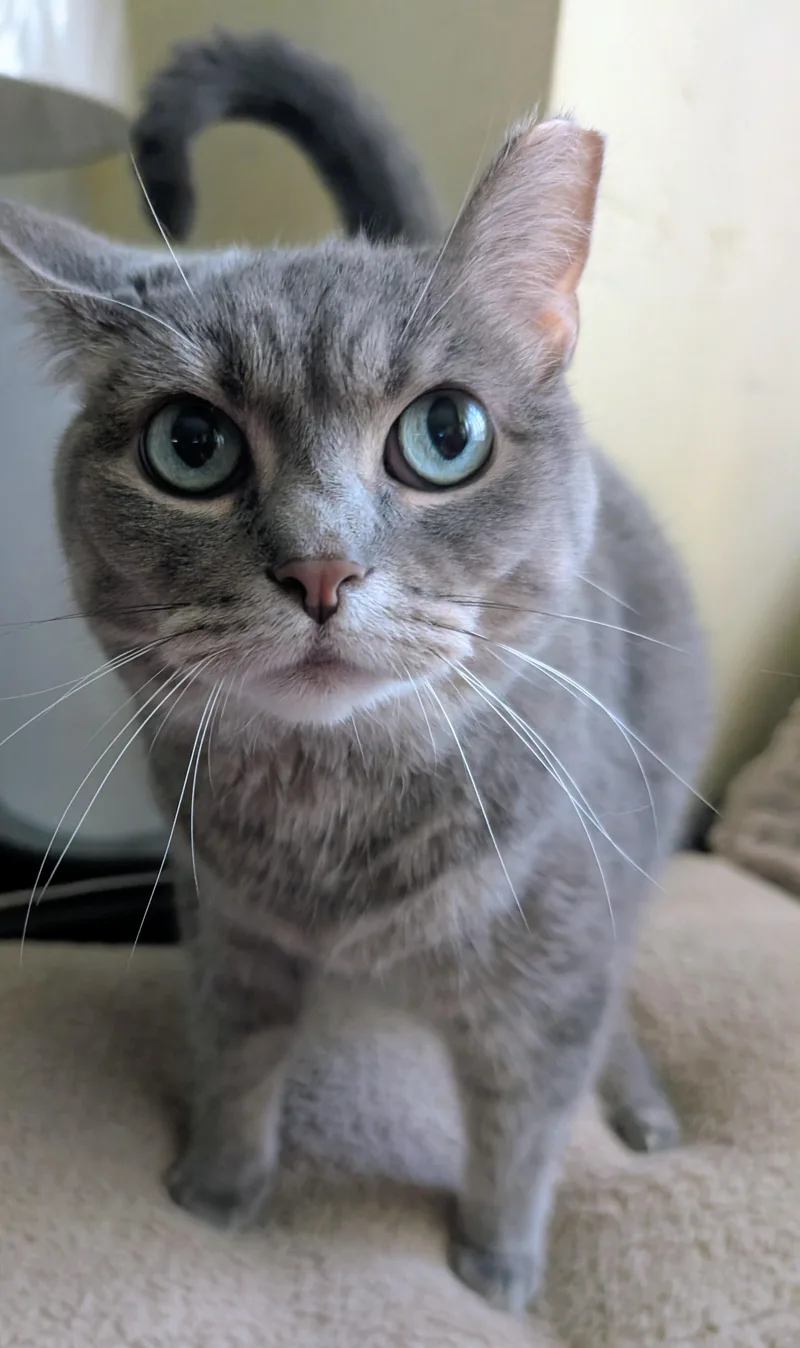
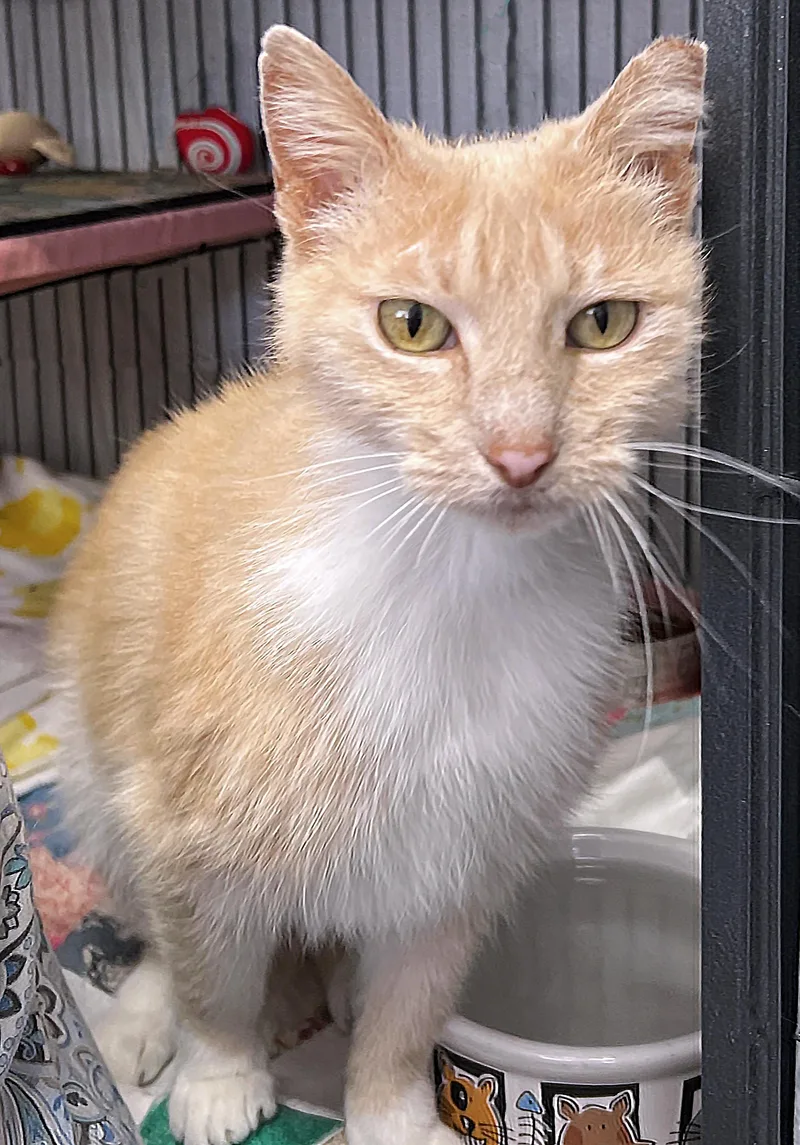
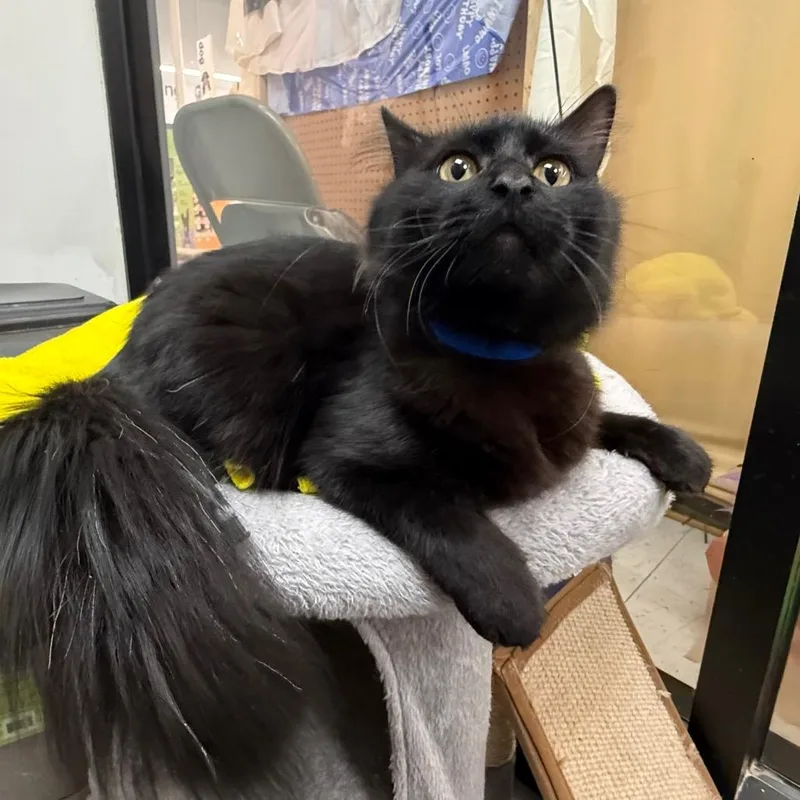
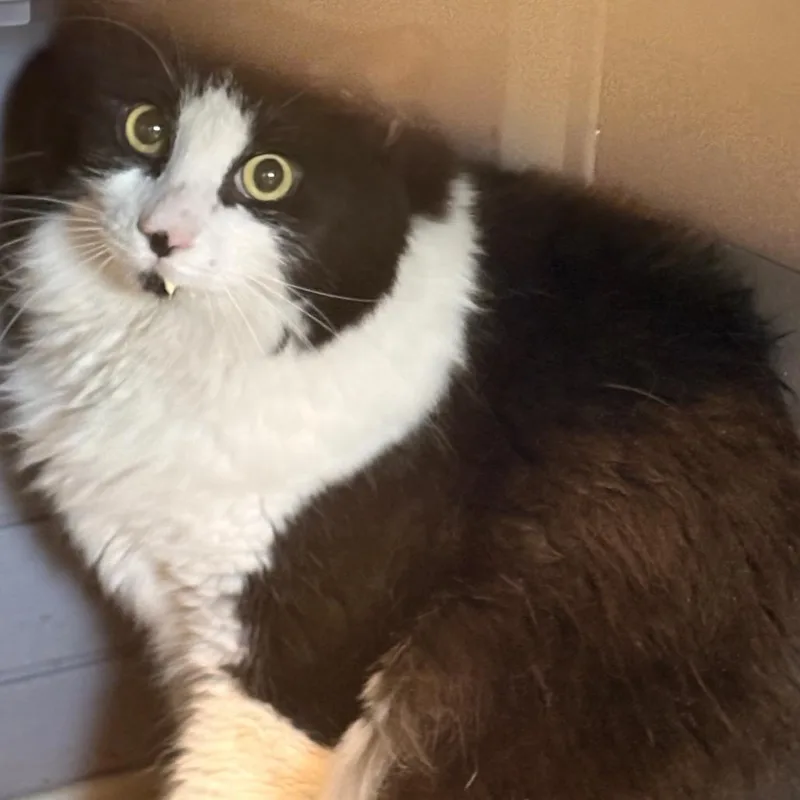
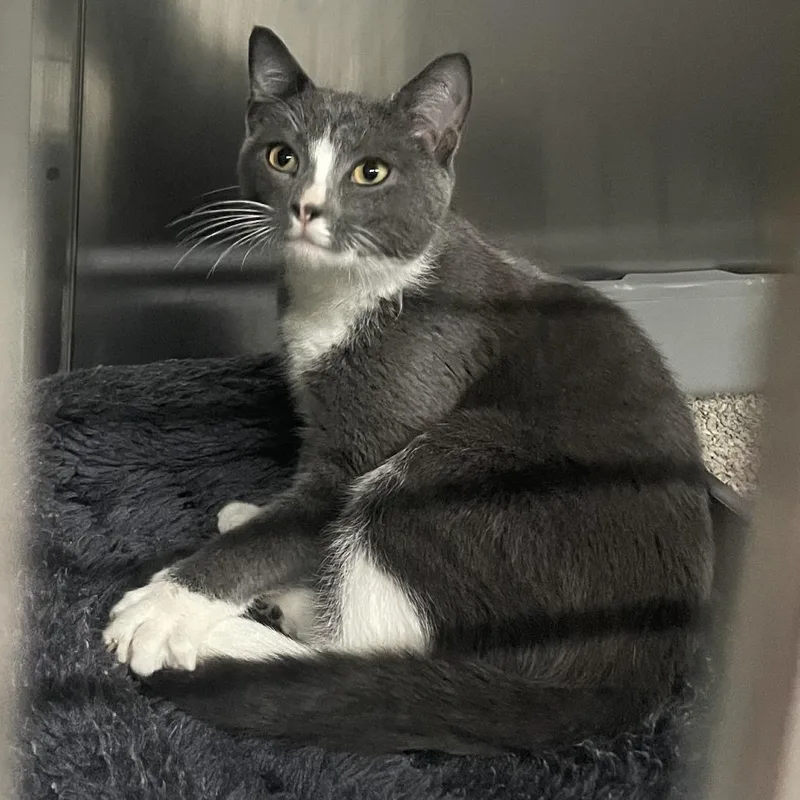
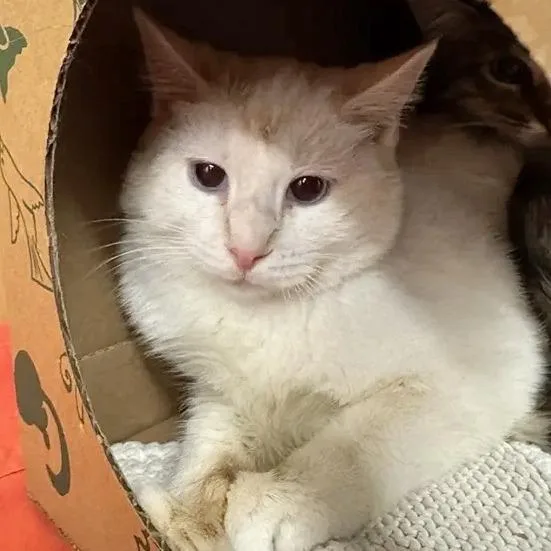
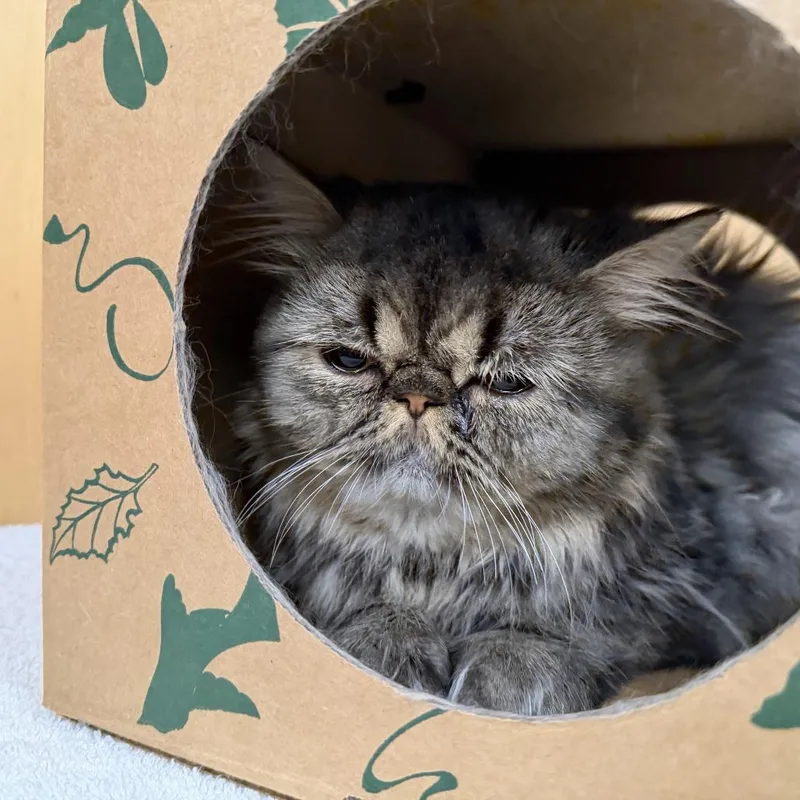
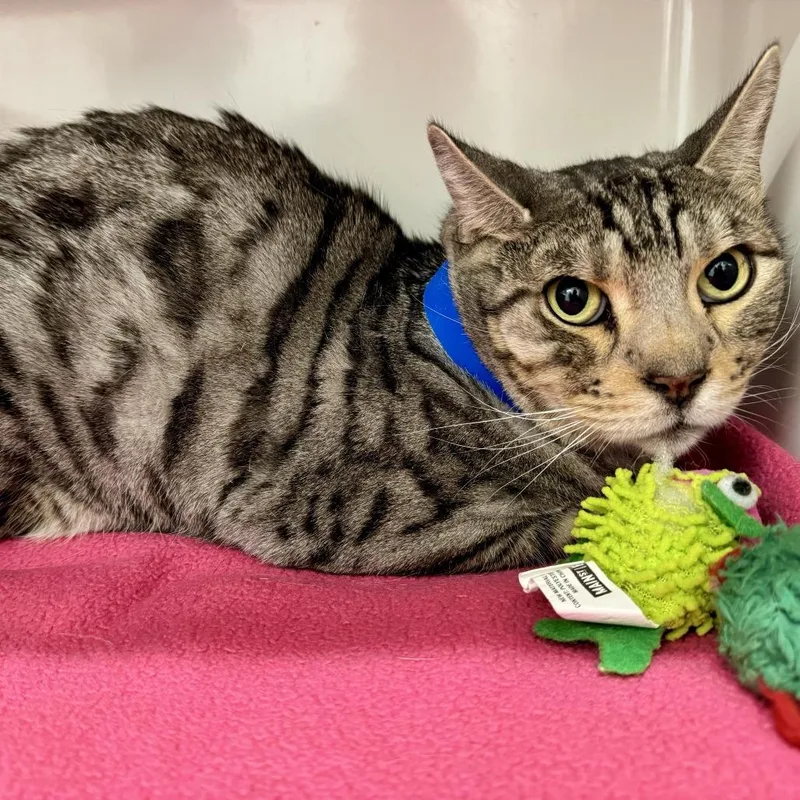
Russian Blues Available for Adoption Near St. Louis

About the Russian Blue breed

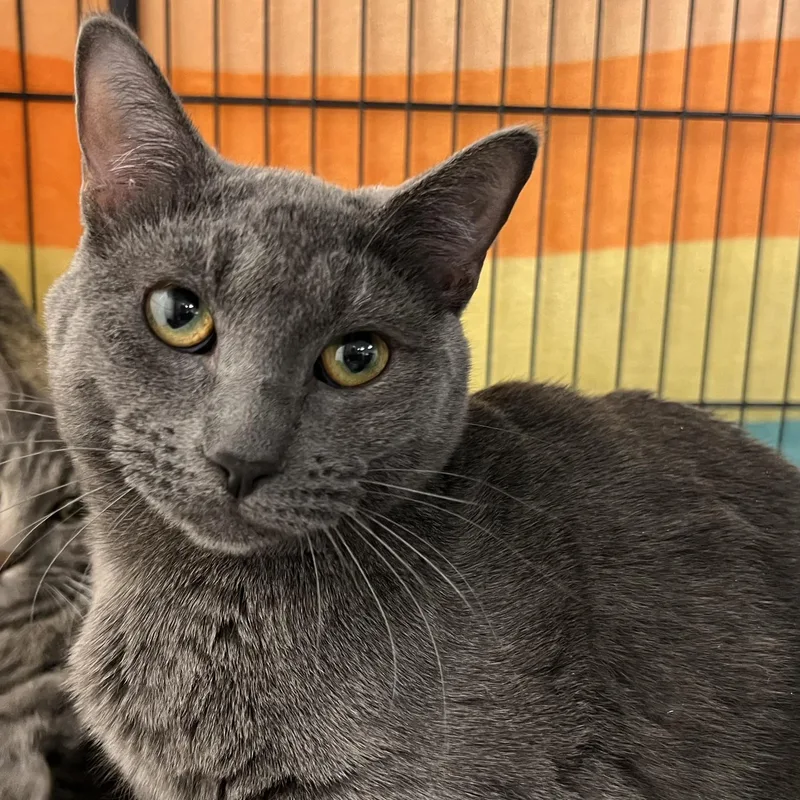
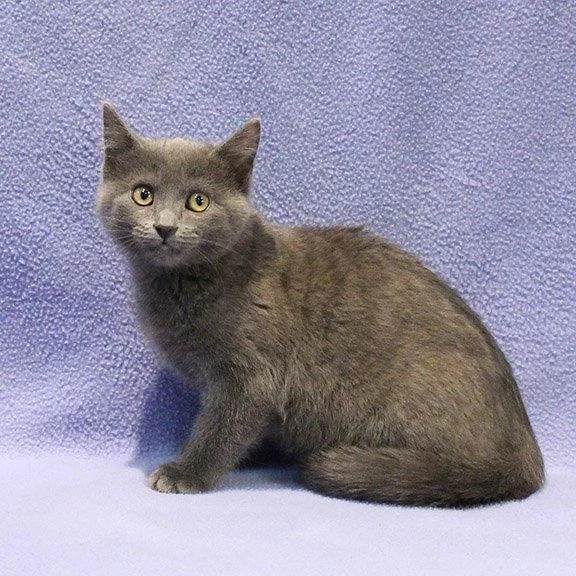
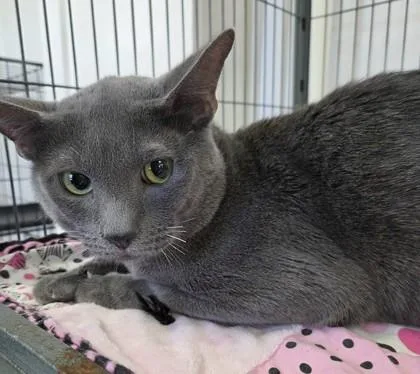
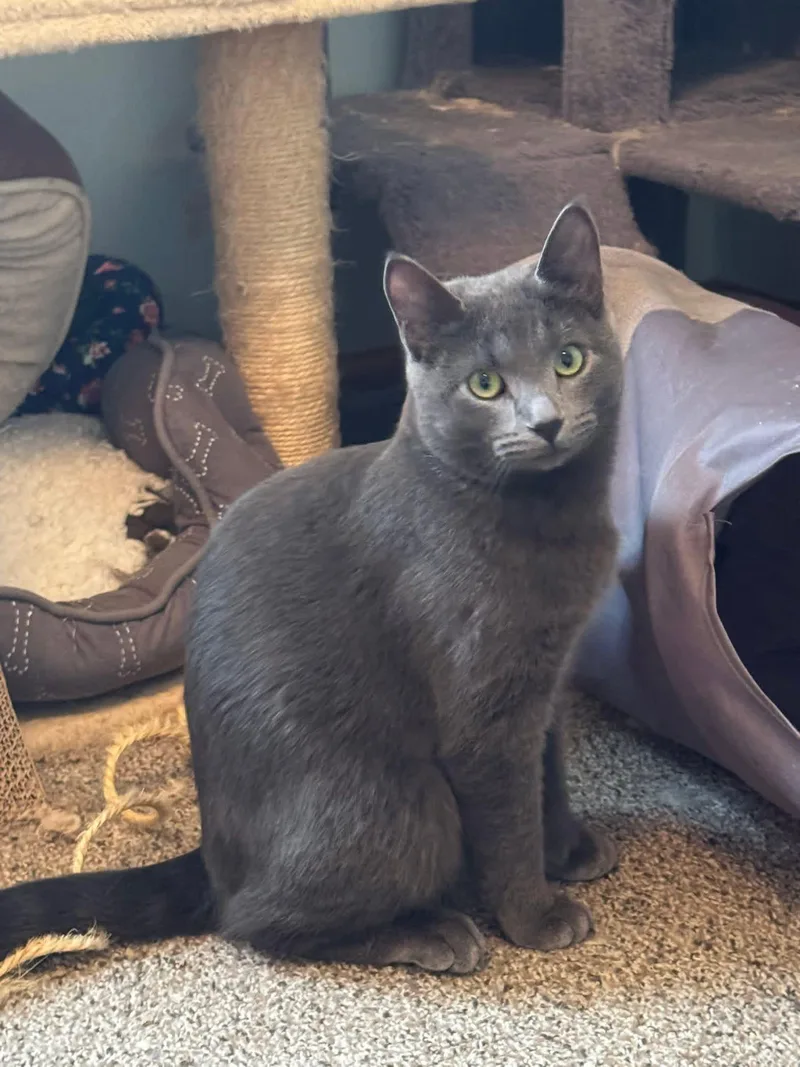
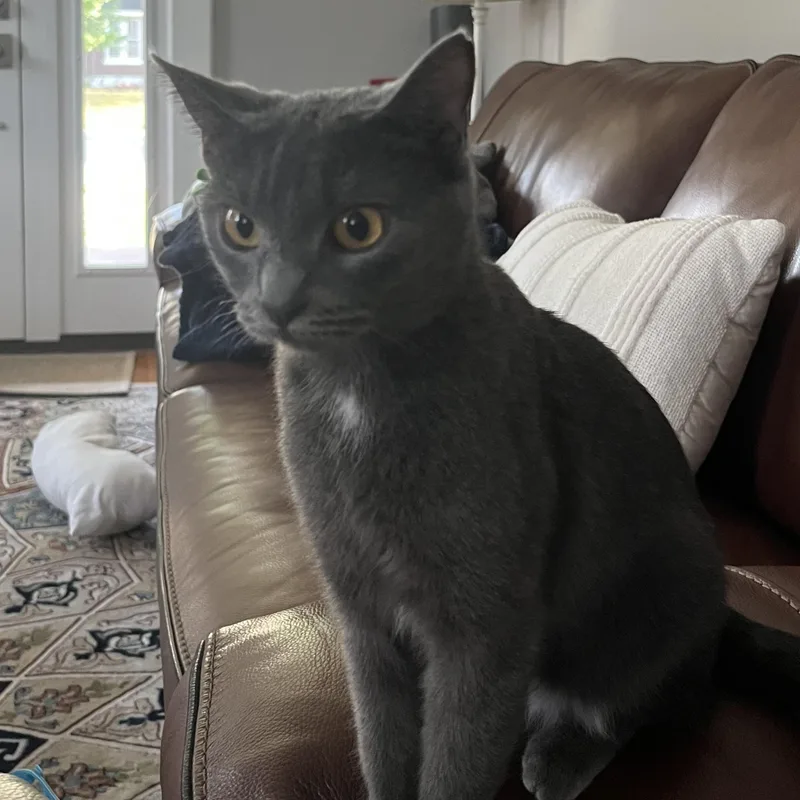
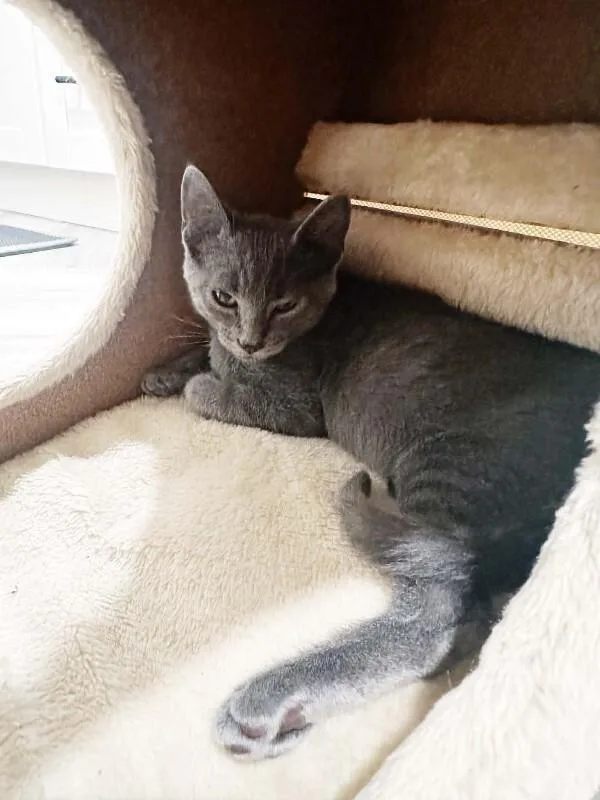
Russian Blues are slender, fine-boned shorthairs with a dense, plush double coat of even blue-grey, tipped with silver so it seems to shimmer, and vivid green eyes. The breed is believed to come from the Archangel region of northern Russia, and cats reached Britain by ship in the nineteenth century. Most weigh 6 to 12 pounds and live 12 to 16 years.

Many are gentle, quiet and devoted to their own people while staying reserved with strangers. They like routine, notice shifts in mood, and enjoy puzzle games that challenge their quick minds. The short coat is easy to keep, though a healthy appetite calls for portion control. Every cat differs, and a cat's past shapes how fast it trusts a new home.

Weight
6–12 lbs
Height
8–10 in
Lifespan
12–16 yrs
Temperament
Gentle, Quiet, Intelligent
Shedding
Low to Moderate

Owning a Russian Blue in St. Louis

Having a Russian Blue in St. Louis

Russian Blues pair a low-fuss coat with a watchful, sensitive nature. How a cat handles routine, visitors and noise says more about the home it needs than its looks do, so weigh those traits against your own schedule and household before choosing.

Temperament

Russian Blues are often gentle and loyal with their own people and wary of strangers, so expect a cat that watches visitors from a shelf before saying hello. Many do best in calm, predictable homes. In a busy St. Louis building, a cat that startles easily may need extra hiding spots. Each cat's background shapes how fast it trusts.

Exercise Needs

Plan on a couple of short play sessions a day with wand toys, chase games and puzzle feeders, since a Russian Blue's quick mind and healthy appetite both need work. In St. Louis, indoor play carries the load: tall cat trees and window perches give the climbing and bird-watching these cats enjoy, and harness walks are optional.

Health Considerations

Russian Blues have no widely recognized breed-specific inherited disease, but they share the dental disease, bladder stones, kidney disease and heart conditions seen in other cats, and a big appetite makes weight gain easy. Measured meals, dental care and yearly exams matter most. A veterinarian can check heart, teeth and weight soon after adoption.

Living Space

A Russian Blue needs cozy, quiet corners more than square footage, which suits St. Louis's many brick flats and older townhouses. Give it a cat tree, a window perch and a hiding spot away from the front door. A house with a yard works too, as long as the cat stays indoors or in a screened catio.

What it costs to own a Russian Blue in St. Louis

ExpenseTypical costPer year
Adoption fee$125, one time$125 in year one
Food$25 to $50 per month$300 to $600
Pet insurance$25 to $50 per month$300 to $600
Routine vet care$150 to $350 per year$150 to $350
Other*$454 to $1,154 per year$454 to $1,154
Estimated yearly total (after year one)$1,204 to $2,704
First-year total (with adoption fee)$1,329 to $2,829

Adoption fee is the fee on Russian Blue listings in St. Louis on GetBuddy today. Other costs are estimates and vary with size, age and health.

* Litter, the $4 City registration for a spayed or neutered cat, flea prevention, a dental cleaning allowance, toys, scratchers and other supplies, and minimal home grooming for the short coat.

Adopt a Russian Blue in St. Louis.

Now that you know more, let’s find you a new best friend. These rescues and shelters below currently have Russian Blues available.

Frequently Asked Questions

Yes. St. Louis requires a rabies vaccination and City registration for every cat, at $4 if the cat is spayed or neutered and $50 if not, and the tag stays on the collar. A household may have four dogs, cats and rabbits combined. Elective declawing is banned, so plan on scratchers and nail trims instead.

Yes, Russian Blues usually do well in apartments because they care more about calm and routine than space. That suits St. Louis's quiet brick flats and downtown lofts, as long as the cat has a window perch, a cat tree and a hiding spot. Missouri doesn't cap pet deposits, so budget for one before signing a lease.

Often, yes, for a household that can keep things calm. Russian Blues like routine and quiet, and an indoor cat stays clear of traffic. The main challenge is noise: spring storms, plus fireworks around July 4 and New Year's even though they're banned in the city, can unsettle a sensitive cat, so set up a quiet interior room.

Mostly, because a Russian Blue lives indoors and its dense coat handles cold well. St. Louis winters are cold and summers are hot and humid, so a reliably heated and cooled home matters more than the outdoors. Spring storm season is usually the hardest stretch for a noise-sensitive cat, so give it a quiet hiding place.

Weekly brushing is usually enough for a Russian Blue's short, dense coat, with a few extra sessions in spring and fall when shedding picks up. Trim nails every few weeks and watch the teeth. Because nearly all grooming happens at home, it adds little to the $454 to $1,154 yearly Other costs.

No. Metro allows only service animals on MetroBus, MetroLink and Call-A-Ride, and pets aren't permitted even in a carrier. Without a car, plan vet visits and the trip home after adoption around a ride service and a sturdy carrier, and check that service's pet policy first.

Russian Blue cats are often gentle, quiet and deeply attached to their families, while staying reserved with strangers. Many like predictable routines, follow favorite people around and enjoy interactive games that test their intelligence. They tend to be sensitive to household mood and noise. Personality varies, so a foster's description of an individual cat is the best guide.

A Russian Blue is a medium-sized shorthaired cat with a dense, plush blue-grey coat tipped in silver, vivid green eyes and a slender, graceful build. The breed is thought to come from northern Russia. Many Russian Blues are quiet, intelligent and loyal to their people, though often shy around visitors until they feel comfortable.

We have 1 rescue with Russian Blues available: Animal Protective Association of Missouri. You can see every rescue with Russian Blues available in the list above these questions, or scroll to the top to see the Russian Blues near St. Louis.

Expect roughly $1,200 to $2,700 a year for a Russian Blue in St. Louis. Food runs $25 to $50 a month and pet insurance $25 to $50 a month, while routine vet care is $150 to $350 a year. Other costs, including litter, parasite prevention, dental care and supplies, add $454 to $1,154 a year.

Find Russian Blues in Nearby Cities

Expand your search to find Russian Blues available for adoption near St. Louis.

Explore Other Breeds in St. Louis

Looking for a different breed? Browse other cats available for adoption in St. Louis.