Bengal Cats for Adoption in St. Louis, MO

Your guide to finding and caring for a Bengal in St. Louis

Bengals suit St. Louis's older brick homes well, as long as the cat has somewhere tall to climb. A late-1800s Benton Park townhouse gives a Bengal stairs to race up and big windows to watch the street from, which keeps a busy mind occupied. They're athletic, chatty and curious, so expect daily play and a cat that wants to help with everything. If you're thinking of adopting one in St. Louis, a Bengal fits people who are home often.

223 Bengals available in St. Louis and nationwide

A Bengal is ready for you

While we don't have enough cats near St. Louis, keep in mind that many rescues may offer transport.

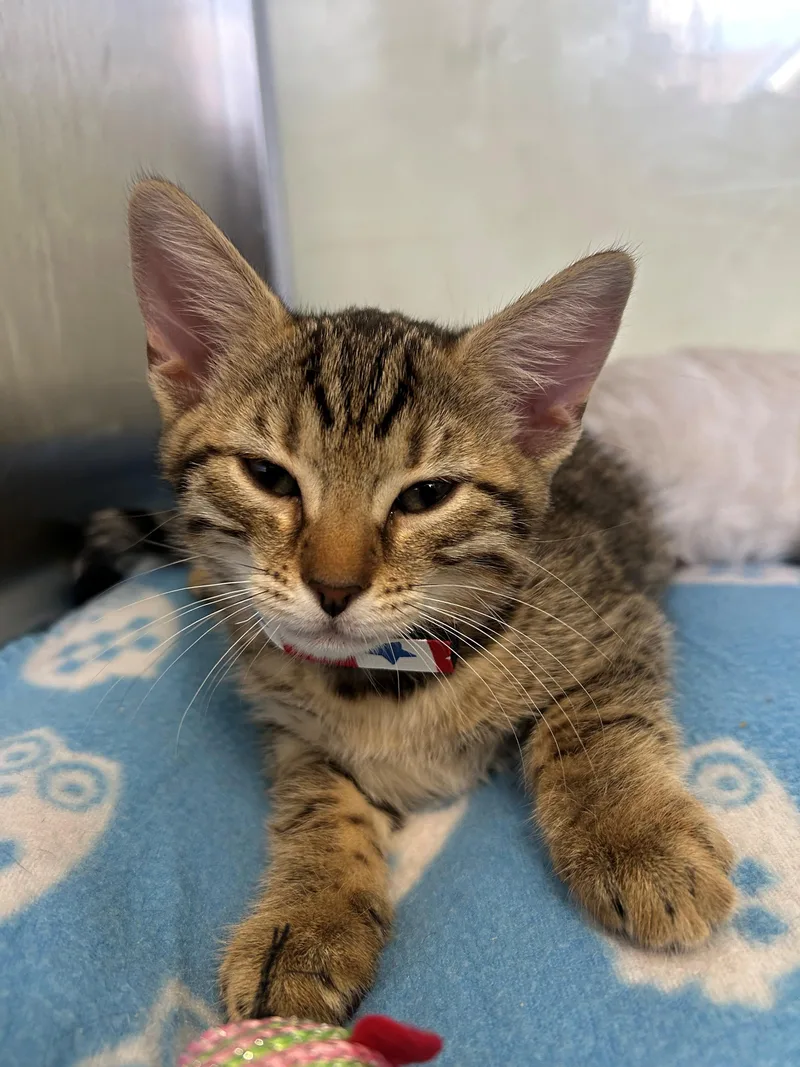
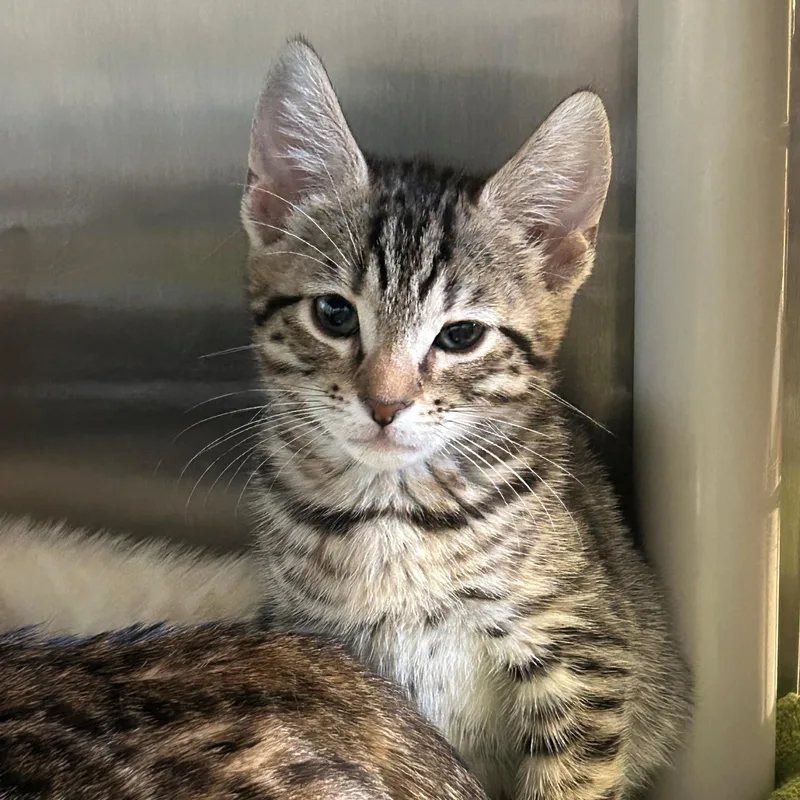
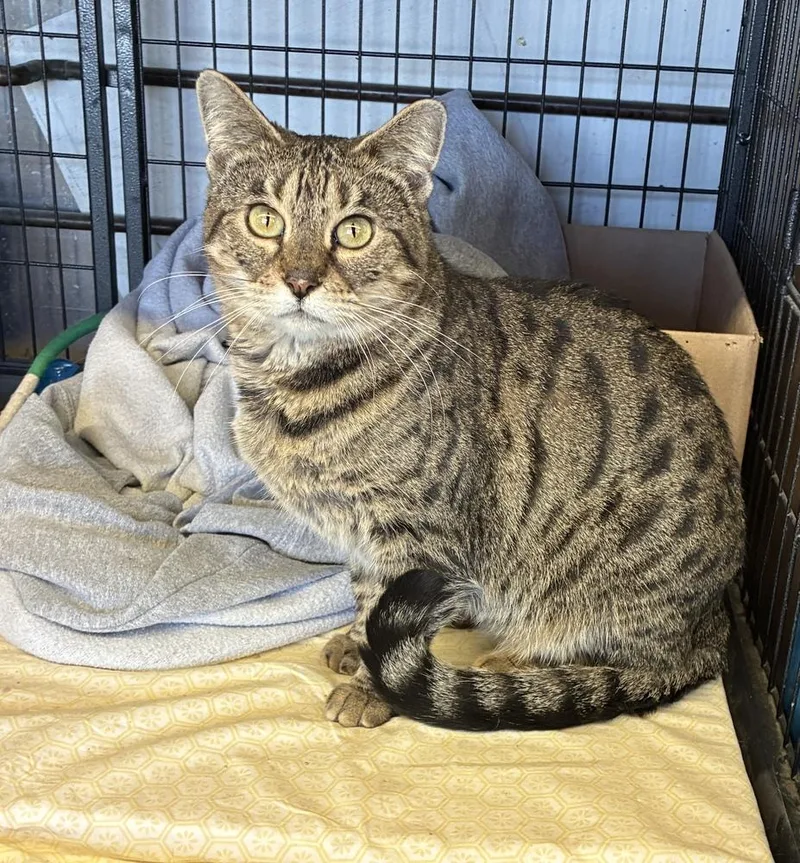
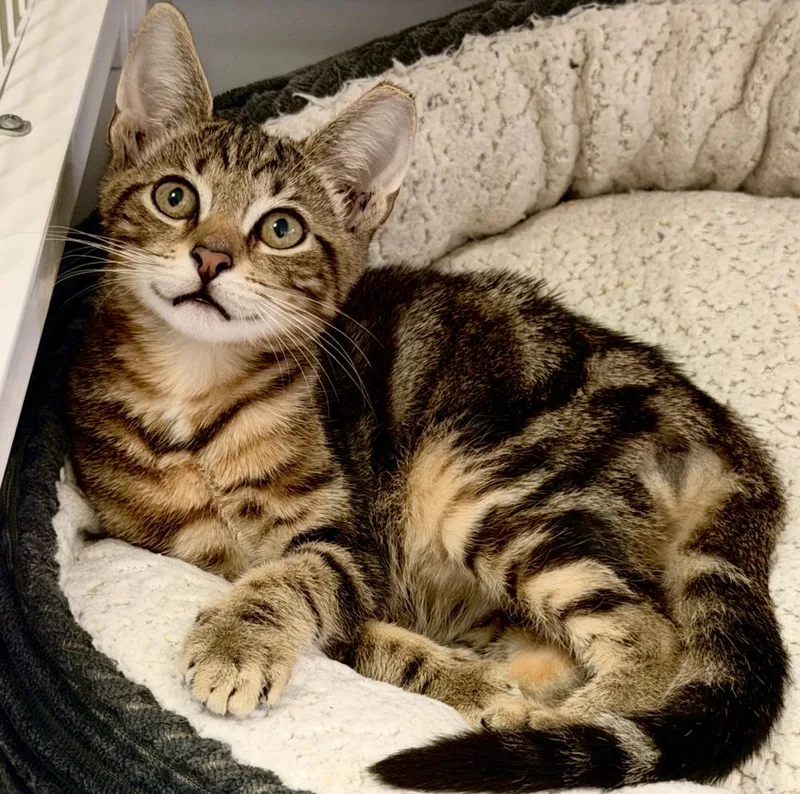
Bengals Available for Adoption Near St. Louis

About the Bengal breed

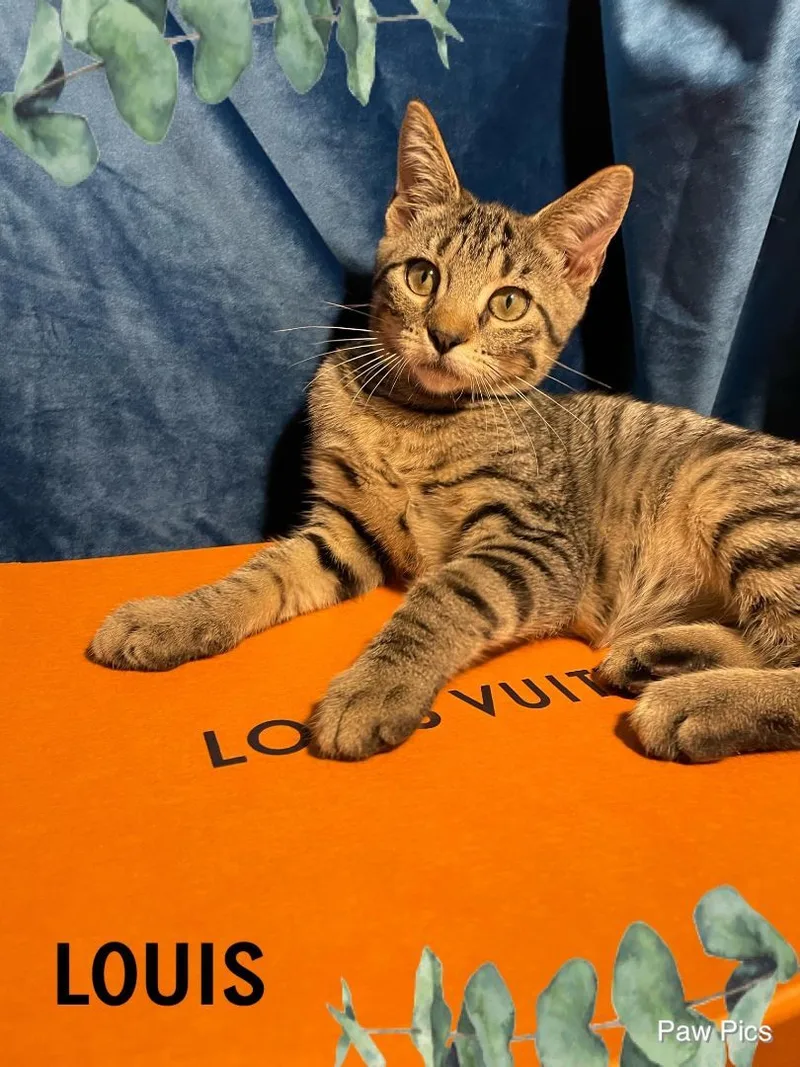
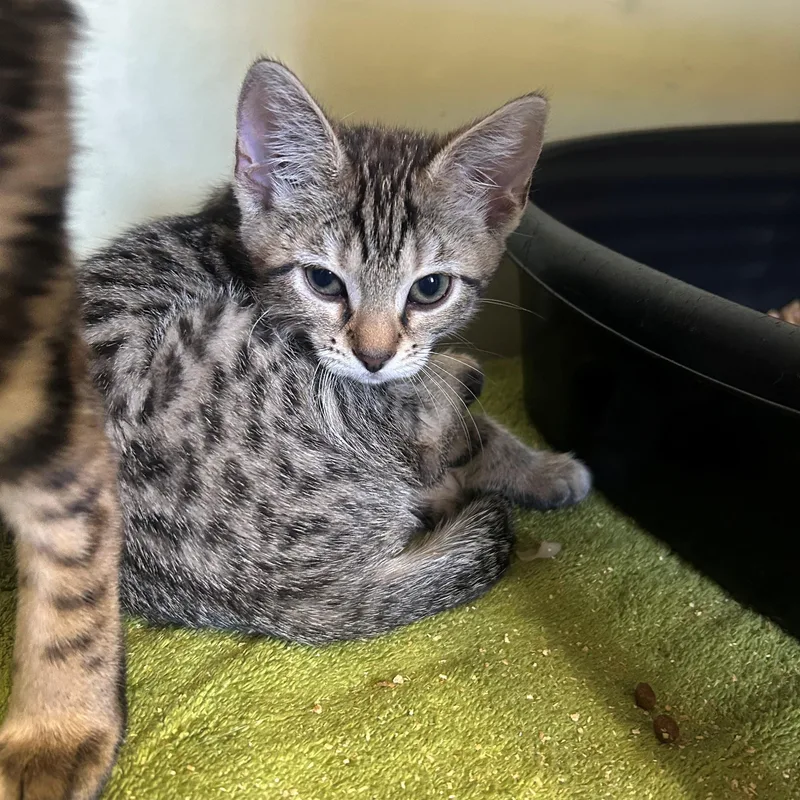
The Bengal is a medium, muscular cat, usually 8 to 15 pounds, with a short, soft coat marked with spots, rosettes or marbling and often a glittery sheen. The breed began in the United States in the 1960s with crosses between domestic cats and the Asian leopard cat. Pet Bengals today are many generations removed from that ancestor and are fully domestic. The coat sheds lightly and needs only a weekly brush, though Bengals aren't hypoallergenic.

Bengals are smart, athletic and talkative, and many stay kittenish for years. They fetch, open cupboards and play in running water. In St. Louis, where many homes are older brick flats and townhouses, that energy needs to go vertical, with cat trees and shelves. Bengals vary, and some are calmer than others, but plan for daily play.

Weight
8–15 lbs
Height
9–11 in
Lifespan
10–15 yrs
Temperament
Energetic, Curious, Intelligent
Shedding
Low to Moderate

Owning a Bengal in St. Louis

Having a Bengal in St. Louis

Bengals pair a wild-looking coat with a restless, problem-solving mind. Daily play, climbing space and a few inherited health risks are the main things to weigh, and most of those needs are easy to meet in a St. Louis flat or house.

Temperament

Bengals tend to be confident, chatty and closely tied to their people, often following them from room to room. A bored Bengal can get loud or destructive, and some are bossy with other pets. Cats vary, so watch how the cat handles touch, noise and new things before deciding.

Exercise Needs

Plan on several active play sessions a day: wand toys, fetch, food puzzles and tall cat trees. Many Bengals also take to harness training, which suits a quiet backyard or enclosed patio. Busy Forest Park paths with dogs and crowds are a harder fit, so most activity will happen at home.

Health Considerations

Bengals can carry hypertrophic cardiomyopathy, a heart condition, plus an inherited eye disease called progressive retinal atrophy and pyruvate kinase deficiency, a form of anemia. Genetic tests exist for some of these. A veterinarian can check the heart and eyes, and yearly checkups matter. St. Louis also requires a rabies vaccination for every cat.

Living Space

Bengals handle St. Louis's older brick flats and townhouses well if there's vertical space to climb and daily play. Room size matters less than stimulation. Tall shelves, a window perch and a secure enclosed patio help, and a second playful cat can keep a Bengal company during workdays.

What it costs to own a Bengal in St. Louis

ExpenseTypical costPer year
Adoption fee$125, one time$125 in year one
Food$25 to $50 per month$300 to $600
Pet insurance$30 to $60 per month$360 to $720
Routine vet care$150 to $350 per year$150 to $350
Other*$504 to $1,354 per year$504 to $1,354
Estimated yearly total (after year one)$1,314 to $3,024
First-year total (with adoption fee)$1,439 to $3,149

Adoption fee is the fee on Bengal listings in St. Louis on GetBuddy today. Other costs are estimates and vary with size, age and health.

* Litter, flea prevention, a dental cleaning allowance, toys and bedding, light brushing, climbing and puzzle enrichment, and the $4 St. Louis registration for a spayed or neutered cat.

Adopt a Bengal in St. Louis.

Now that you know more, let’s find you a new best friend. These rescues and shelters below currently have Bengals available.

Frequently Asked Questions

Yes, you can own a Bengal in St. Louis. Bengals are fully domestic cats, and the City's rules apply to every cat: a rabies vaccination, City registration with a tag ($4 if spayed or neutered, $50 if not), and no more than four dogs, cats and rabbits combined per household. Declawing is banned, so plan scratching posts instead.

Yes, Bengals can do well in a St. Louis apartment if they have outlets for their energy. Vertical space matters more than square footage, so add tall cat trees, wall shelves and a window perch, and schedule play every day. Bengals can be loud and active at dawn and dusk, so consider thin walls in older buildings.

No. Metro allows only service animals on MetroBus and MetroLink, and pets aren't permitted even in a carrier. A Bengal can't ride along, so plan on a car or walking distance for vet visits. Carrier-training your cat early makes those trips less stressful.

Yes, as indoor cats. St. Louis has about 47 days a year at 90°F or higher, plus humid nights, so keep the home air-conditioned and leave fresh water out. Many Bengals enjoy playing in water, which helps. Never leave a cat in a parked car, and keep window screens secure.

Very little. A weekly brush and occasional nail trims are enough for most Bengals, since the short, close-lying coat sheds lightly. Baths are rarely needed. Light brushing is a small part of the Other cost line, so a professional groomer usually isn't necessary. Dental care and play matter more than coat care.

Most Bengals are happiest indoors, but a harness-trained cat can explore quieter corners of Tower Grove Park, Forest Park or Carondelet Park, ideally early in the morning and away from dogs. Keep the cat in a secure harness, and avoid dusk, when coyotes are most active. The Riverfront Trail's northern section is closed until about early 2027.

A Bengal is a domestic cat breed developed from crosses between house cats and the small Asian leopard cat, then bred for generations with domestic cats. Bengals have short, sleek coats with spots, rosettes or marbling, muscular builds and lively, curious personalities. Pet Bengals are domestic cats, though their energy and intelligence often feel a little wilder.

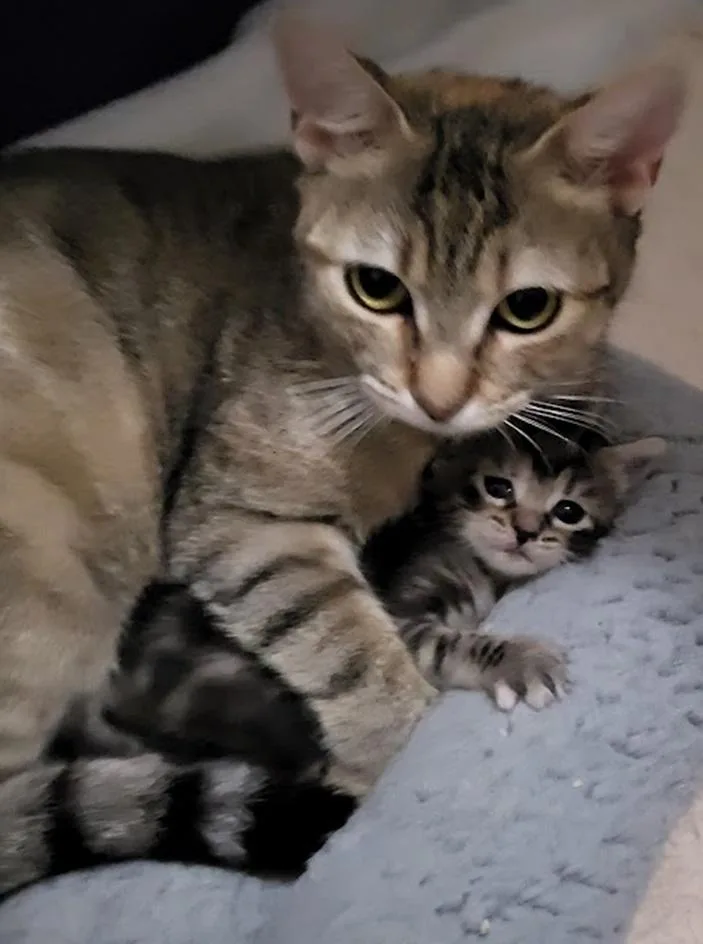
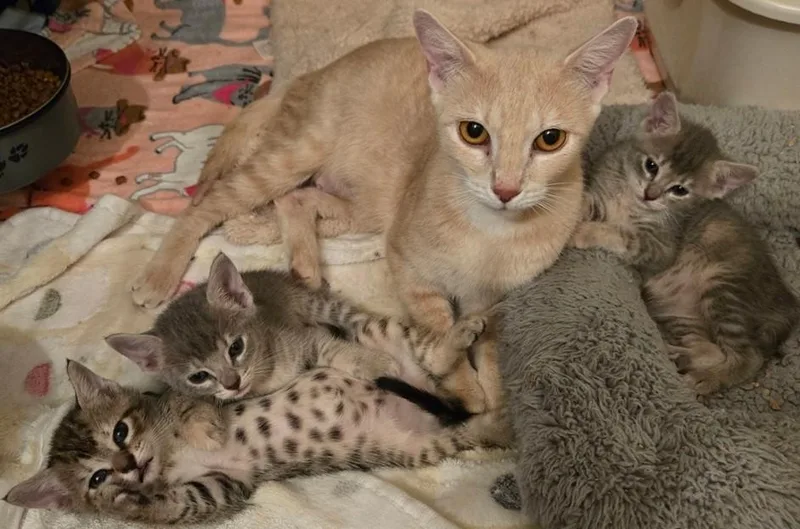
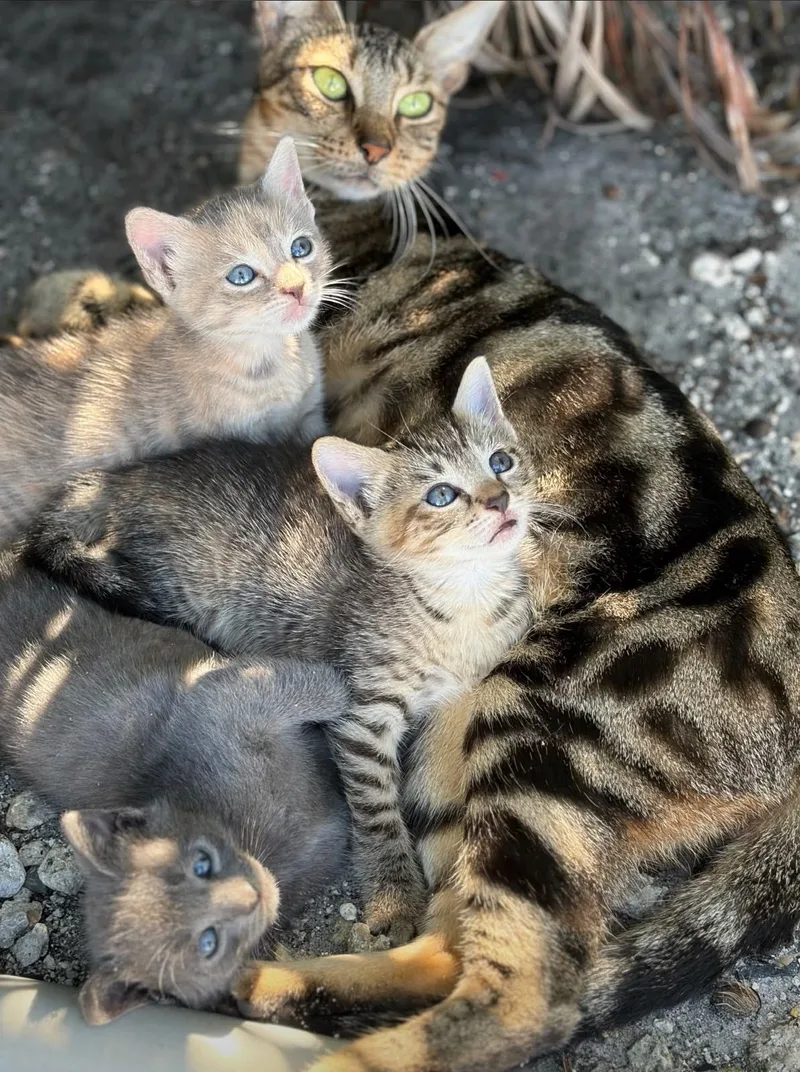
Bengal kittens look like tiny spotted or marbled wild cats, with large eyes, rounded ears and bold markings visible from birth. Many go through a fuzzy stage at a few weeks old, when longer guard hairs make the pattern look muddy or faded. The coat usually clears and sharpens over the first several months as the kitten matures.

We have 1 rescue with Bengals available: Animal Protective Association of Missouri. You can see every rescue with Bengals available in the list above these questions, or scroll to the top to see the Bengals near St. Louis.

Expect roughly $1,300 to $3,000 a year for a Bengal in St. Louis. Food runs $25 to $50 a month, insurance $30 to $60 a month, routine vet care $150 to $350 a year, and other costs $504 to $1,354 a year. Insurance runs higher for Bengals because of heart and inherited conditions.

Find Bengals in Nearby Cities

Expand your search to find Bengals available for adoption near St. Louis.