Tortoiseshell Cats for Adoption in Kansas City, MO

Your guide to finding and caring for a Tortoiseshell in Kansas City

A tortoiseshell cat settles into Kansas City life about as easily as any cat, whether home is a West Bottoms warehouse apartment or a house in Waldo. Tortoiseshell is a coat pattern, not a breed, so these cats run from shy to bold. Most are short-haired, and nearly all are female. Give a tortie a window perch, a tall cat tree and a daily play session, and a view of the street or those old brick buildings does the rest.

945 Tortoiseshells available in Kansas City and nationwide

Your Tortoiseshell is waiting

While we don't have enough cats near Kansas City, keep in mind that many rescues may offer transport.

Tortoiseshells Available for Adoption Near Kansas City

About the Tortoiseshell breed

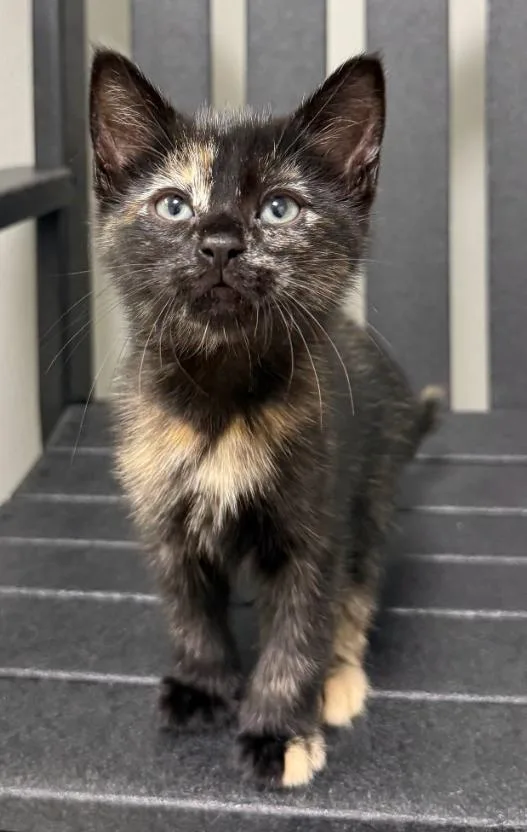
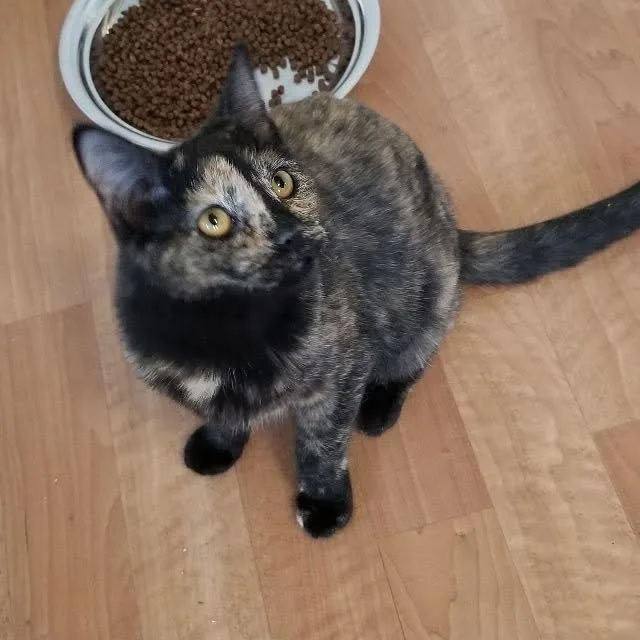
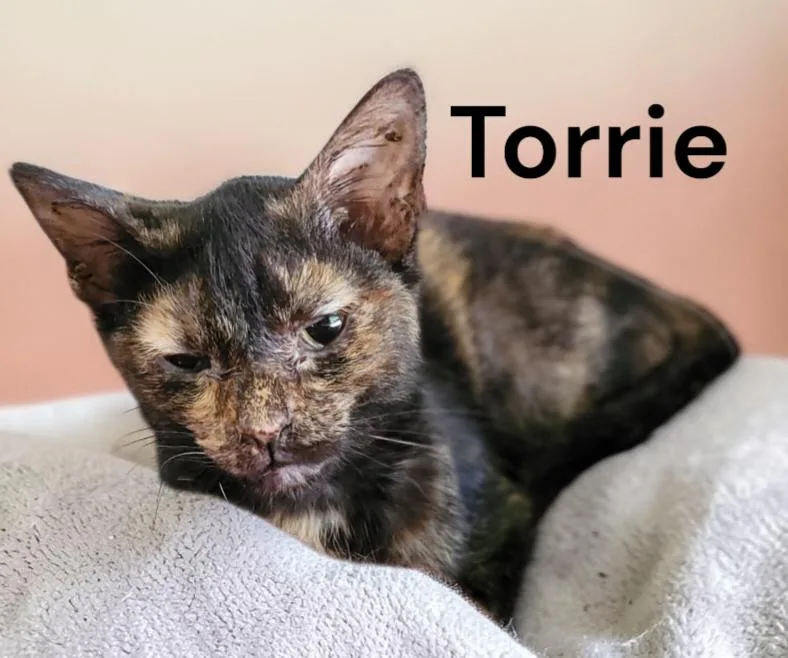
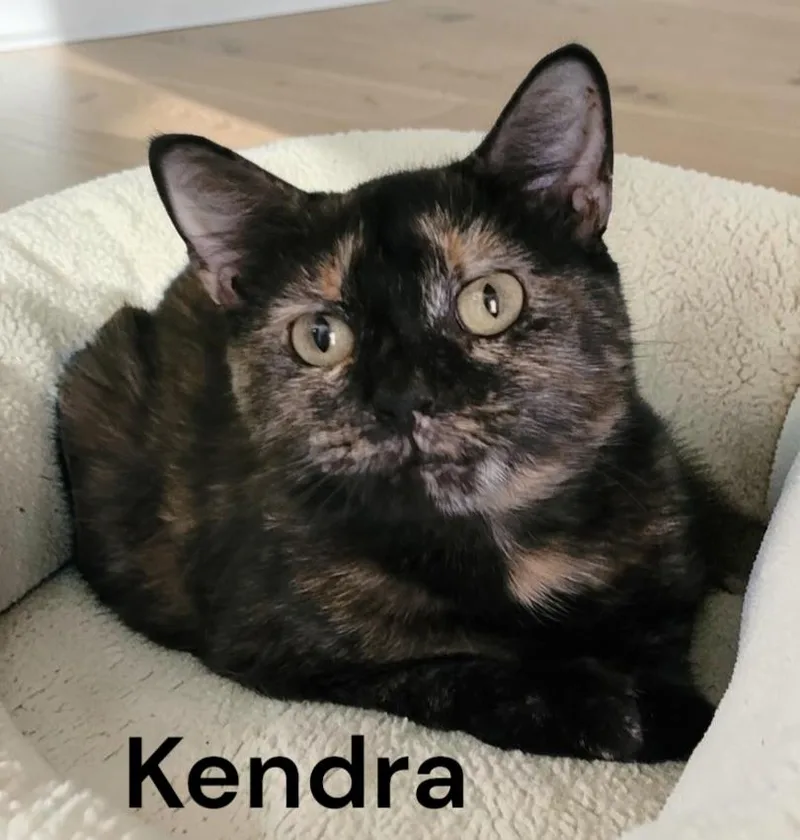
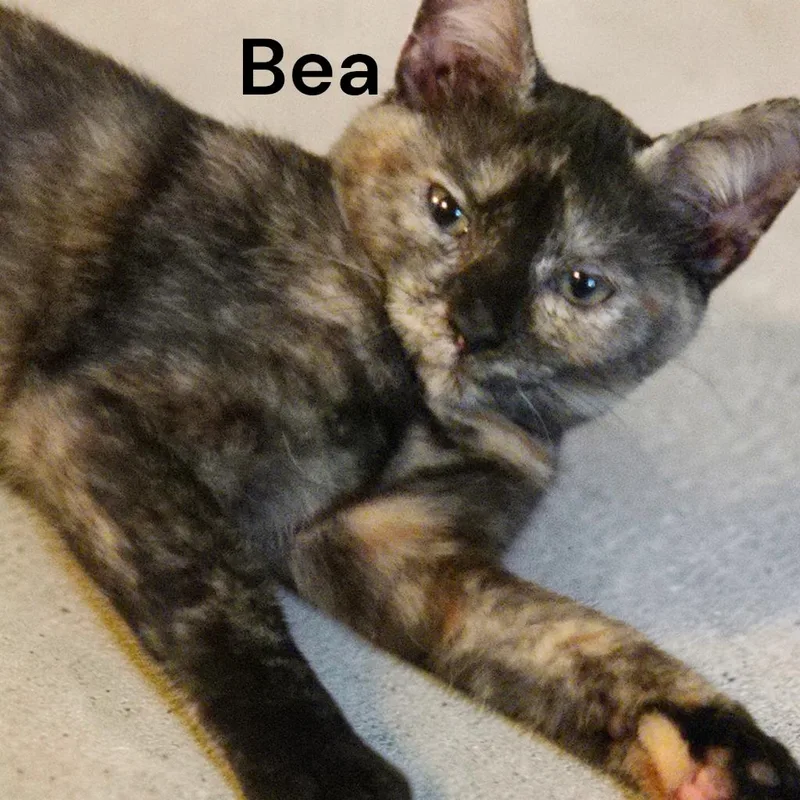
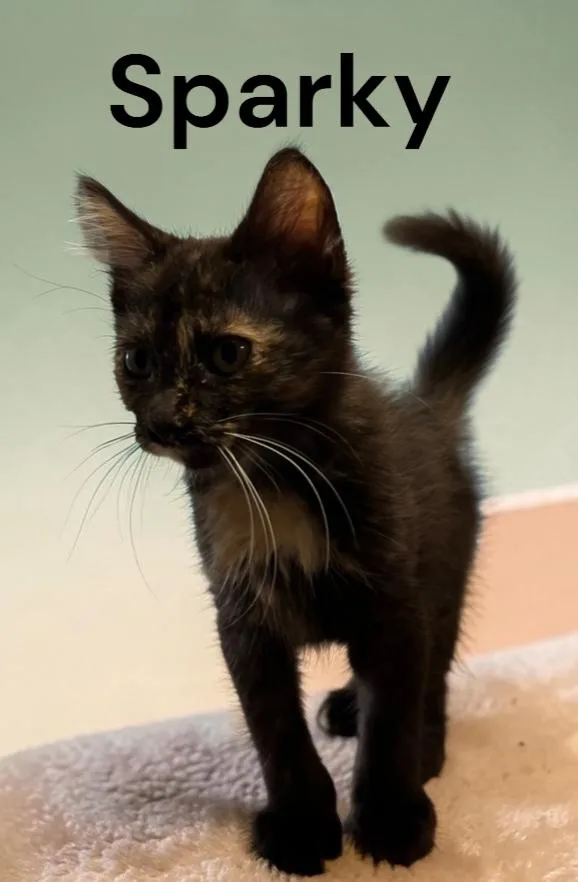
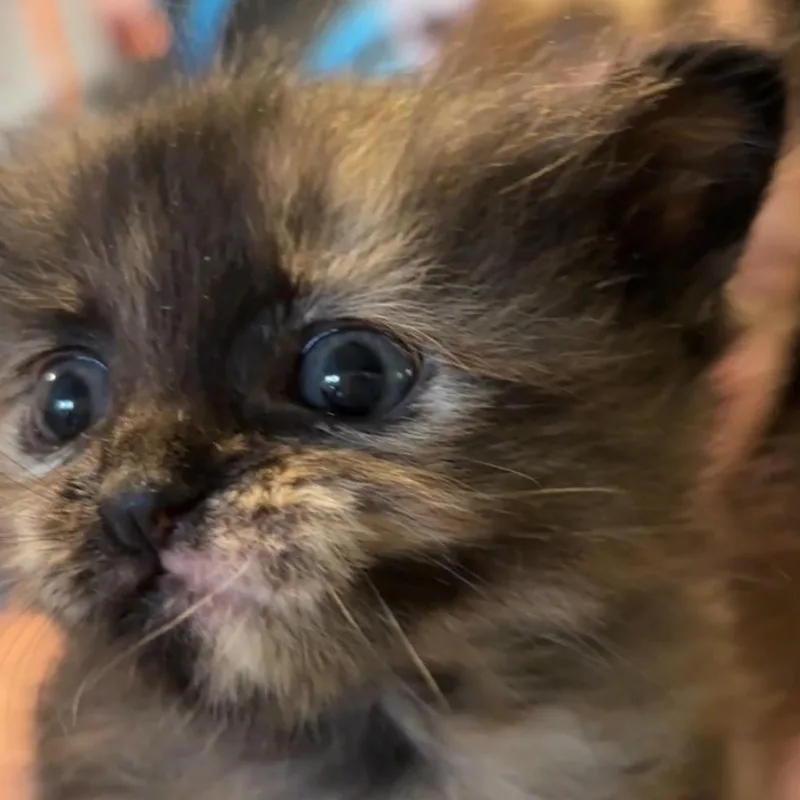
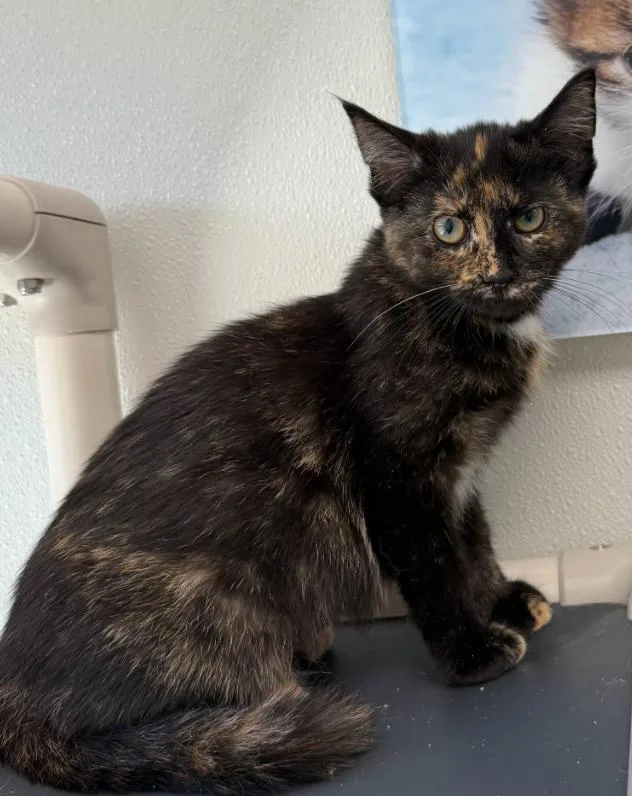
A tortoiseshell's coat blends black-based and orange-based colors in patches or a fine mottle, usually with little or no white. Cats with large white areas are called calicos, dilute torties show soft gray and cream, and torbies add tabby stripes. The orange gene sits on the X chromosome, so nearly all torties are female, and the rare males usually carry an extra X.

Most torties are domestic shorthairs, though the pattern also appears in Persians, Maine Coons and British Shorthairs. Their "tortitude" reputation for sass is folklore backed by little evidence, mostly owner impressions. A cat's age, history and socialization say far more than color, so her needs, from play to vet visits, depend on the cat in front of you. Weights of 6 to 14 pounds and lifespans of 12 to 18 years are typical.

Weight
6–14 lbs
Height
8–10 in
Lifespan
12–18 yrs
Temperament
Independent, Affectionate, Playful
Shedding
Moderate

Owning a Tortoiseshell in Kansas City

Having a Tortoiseshell in Kansas City

Tortoiseshell describes a coat, not a breed, so these cards reflect what holds for most torties in Kansas City homes: mostly domestic shorthairs with moderate shedding and a wide mix of personalities. Age, ancestry and upbringing shape each cat more than color does.

Temperament

Torties have a spirited reputation called tortitude, but the evidence is thin and rests mostly on owner impressions. Expect anything from shy to bold and cuddly to independent. In a busy Kansas City apartment building, a confident, social cat may enjoy the activity, while a nervous one will want a quiet room to retreat to.

Exercise Needs

Most torties do well with daily interactive play: wand toys, chase games and puzzle feeders. Kittens and young adults need more, and seniors prefer gentle sessions. Icy winter weeks and hot, humid summers keep most cats indoors, so window perches, cat trees and climbing shelves supply the activity. Short play sessions morning and evening work well.

Health Considerations

The tortoiseshell pattern carries no particular health risks in female cats, while the rare males usually have an extra X chromosome and may face added issues. Otherwise health follows age and ancestry, so yearly vet exams, dental care and a healthy weight matter most. A current rabies vaccination and microchip add useful protection in Kansas City.

Living Space

Torties adapt to apartments and houses alike, since space needs follow the cat rather than the coat. Vertical space matters more than square footage, so a cat tree, window perch and sturdy scratching posts go a long way. Shy cats suit quieter homes, while confident, social ones usually adapt to busy buildings.

What it costs to own a Tortoiseshell in Kansas City

ExpenseTypical costPer year
Food$25 to $50 per month$300 to $600
Pet insurance$20 to $45 per month$240 to $540
Routine vet care$150 to $350 per year$150 to $350
Other*$460 to $1,160 per year$460 to $1,160
Estimated yearly total (after year one)$1,150 to $2,650

Other costs are estimates and vary with size, age and health.

* The $10 Kansas City cat license, litter, flea prevention, a dental cleaning allowance, toys and supplies, and home grooming.

Adopt a Tortoiseshell in Kansas City.

Now that you know more, let’s find you a new best friend. These rescues and shelters below currently have Tortoiseshells available.

Rescues in Kansas City with Tortoiseshells Available

KC Pet Project runs the city shelter in Swope Park, and other nonprofits across Kansas City help cats find homes. Here are the rescues & shelters in the Kansas City area where you can find Tortoiseshells and other cats available for adoption.

Frequently Asked Questions

Yes. No known Kansas City rule limits cats by breed or coat color, so a tortoiseshell is as easy to own as any other cat. Adoptions from the city shelter, KC Pet Project, have included spay/neuter, vaccinations and a microchip. Browse the cats listed on this page, or save a search to hear about new arrivals.

Yes, a tortoiseshell cat can live happily in a Kansas City apartment, since cats need vertical space more than square footage. Provide a cat tree, window perch, scratching posts and daily play. Screen every window, and keep the litter box in a quiet corner. Dawn play sessions can carry through thin walls, so end evening play with a meal.

Often, yes, if the cat suits your routine. Kansas City's apartments, converted warehouses and houses all work for indoor cats. Spring thunderstorms and loud neighborhood noise can unsettle sensitive cats, so a hiding spot helps. Because tortoiseshell is a coat rather than a personality, a cat's age and temperament matter more than color, and adults show theirs more clearly than kittens.

Yes, indoor tortoiseshell cats handle Kansas City summers well. Air conditioning or fans keep rooms comfortable when humid days top 90°F, and a plan for power outages helps during storms. Panting, drooling or unusual lethargy call for a vet visit. Never leave a cat in a parked car, and keep carrier trips short.

A short-coated tortoiseshell needs a brush about once a week, while a long-haired tortie benefits from brushing several times a week. Shedding is moderate and rises in spring and fall as Kansas City's seasons shift, so brush more often then. Home grooming is already counted in the yearly Other costs, and professional grooming is optional.

Yes on RideKC buses, but only in a carrier. RideKC allows service animals and small pets in cages or carriers, so a tortoiseshell can ride if she stays enclosed. The KC Streetcar doesn't allow pets other than ADA service animals, and Kansas City has no subway or light rail. Check current RideKC fares before you go.

No, plan to leave your cat at home. Kansas City's food code bars animals other than service animals from areas where food is prepared or served, and the city's dog-friendly patio variance applies to dogs, not cats. Pet dogs aren't allowed in dining rooms either, so a tortoiseshell is happiest relaxing at home.

A tortoiseshell cat is a cat with a coat pattern of black-based and orange-based colors blended or patched together, usually with little or no white. It is not a breed; the pattern appears in many breeds and most often in domestic shorthairs. Nearly all tortoiseshells are female because the genes for orange and black are carried on the X chromosome.

We have 1 rescue with Tortoiseshells available: Another Chance Cat Rescue. You can see every rescue with Tortoiseshells available in the list above these questions, or scroll to the top to see the Tortoiseshells near Kansas City.

Expect roughly $1,150 to $2,650 a year for a tortie in Kansas City, covering food ($25 to $50 a month), insurance ($20 to $45 a month), routine vet care ($150 to $350 a year) and other costs ($460 to $1,160 a year) including litter and the city license. Illness and emergencies cost extra, and older cats often need more dental care.

Find Tortoiseshells in Nearby Cities

Expand your search to find Tortoiseshells available for adoption near Kansas City.