Tabby Cats for Adoption in Kansas City, MO

Your guide to finding and caring for a Tabby in Kansas City

Tabbies fit Kansas City homes of almost any size, from a brick-warehouse loft in the West Bottoms to a bungalow near Brookside. Tabby is a coat pattern rather than a breed, so energy and personality vary from cat to cat, but most adapt happily to indoor life with a window perch and a few places to climb. Birds and passing neighbors give a cat plenty to watch. If you adopt one here, plan on a city license once the cat is past four months old.

8475 Tabbies available in Kansas City and nationwide

Find your Tabby

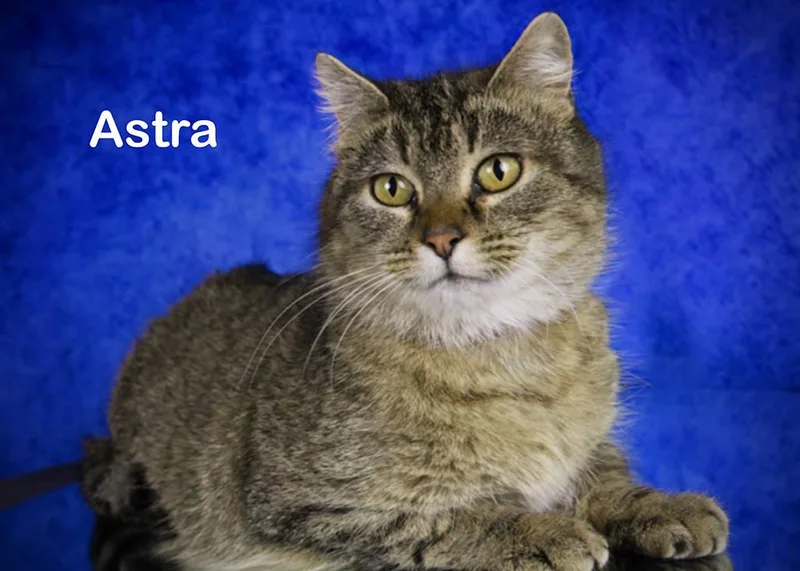
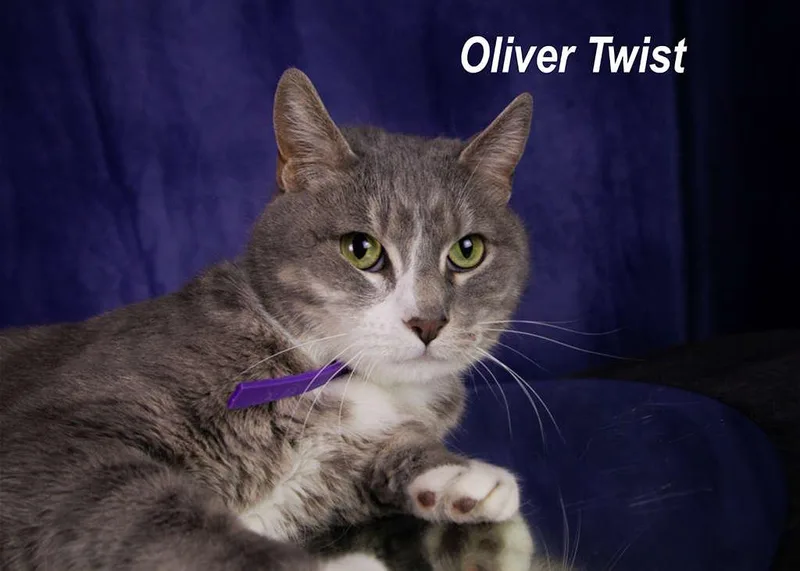
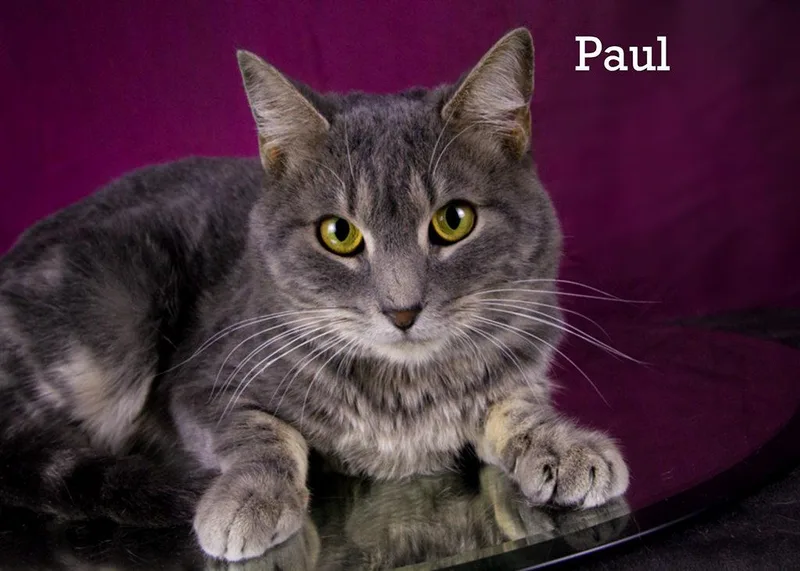
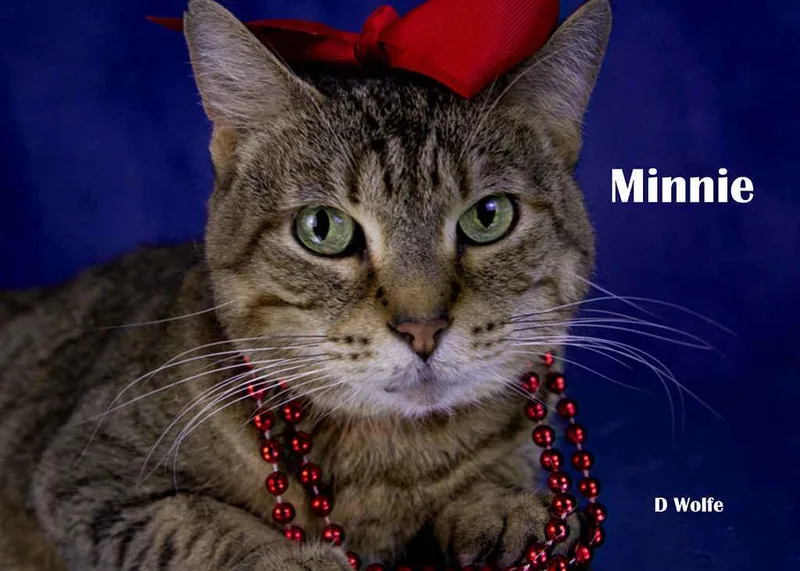
Tabbies Available for Adoption Near Kansas City

About the Tabby breed

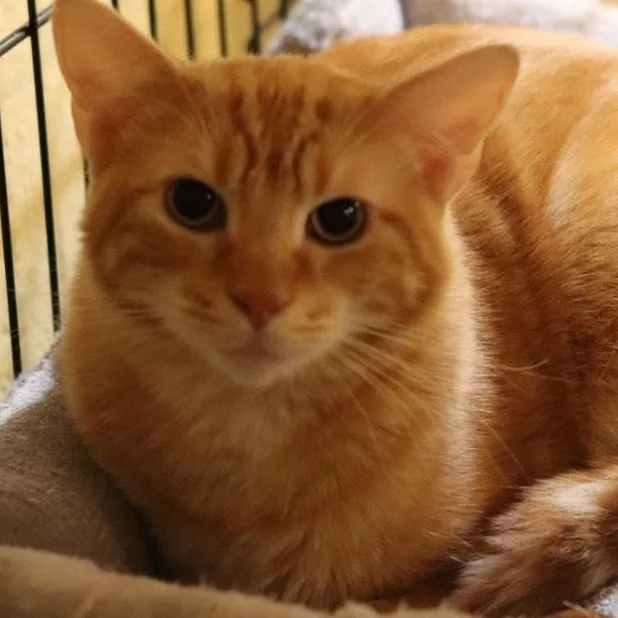
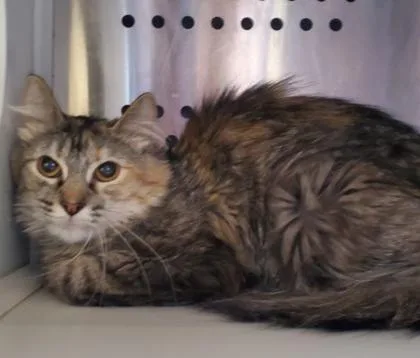
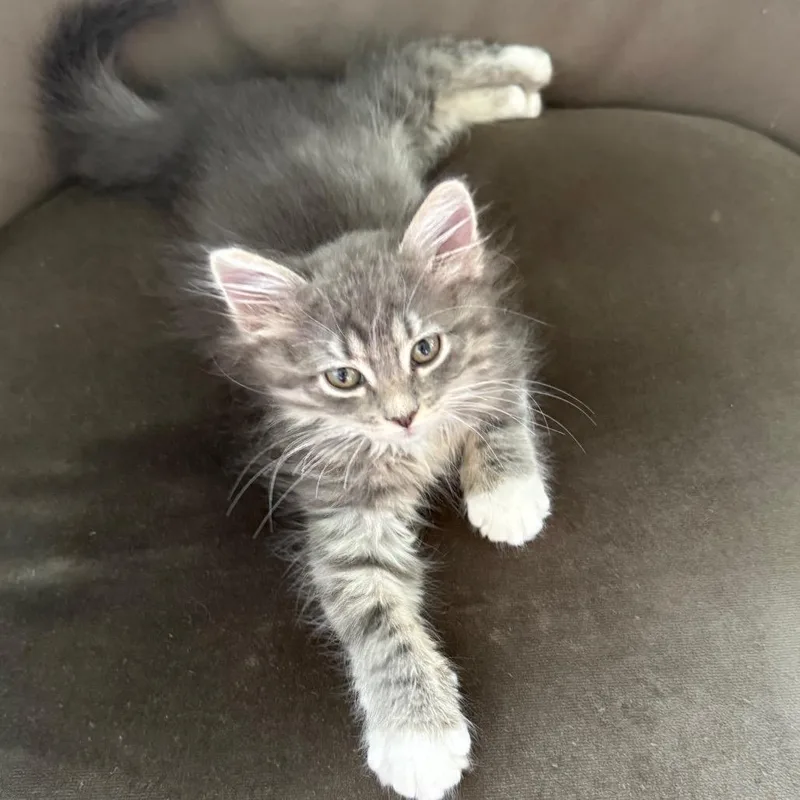
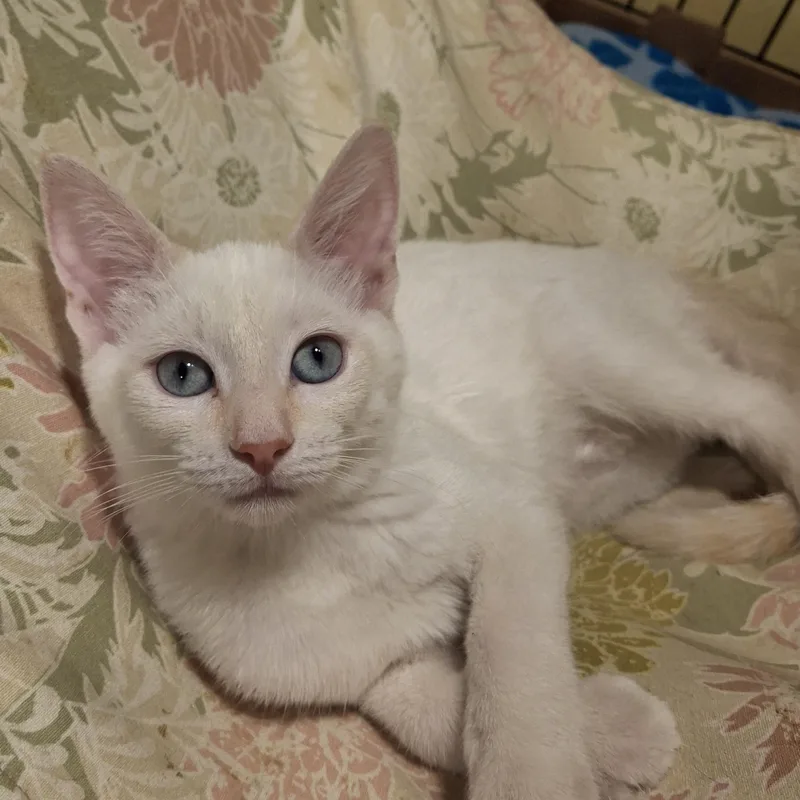
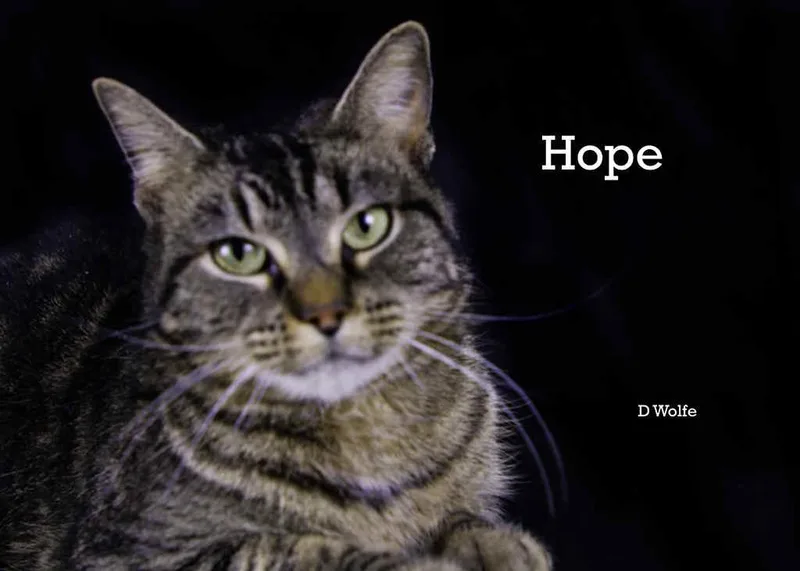
Tabby describes a coat, not a breed: stripes, swirls or spots, plus the M-shaped mark on the forehead. Most adoptable tabbies in Kansas City, as elsewhere, are medium-sized domestic shorthairs weighing roughly 6 to 14 pounds. They come in brown, orange, gray, silver and cream, and a few have longer coats.

Because the pattern says nothing about personality, tabbies range from lap-seekers to cats who prefer to watch from a shelf. How the cat handles noise, handling and new rooms tells you more than the markings. Most do well indoors with daily play, regular vet care and a settled routine, and they typically live 12 to 18 years, so adopting one is a long commitment.

Weight
6–14 lbs
Height
8–10 in
Lifespan
12–18 yrs
Temperament
Curious, Adaptable, Affectionate
Shedding
Moderate

Owning a Tabby in Kansas City

Having a Tabby in Kansas City

Stripes don't predict behavior, so a tabby's traits depend on the cat's age, background and coat length. In a Kansas City home, daily play, a calm retreat and a window to watch from matter far more than the pattern.

Temperament

Tabbies run the full range from outgoing to shy, since the pattern doesn't set personality. For city life, notice how a cat reacts to street noise, visitors and being handled, and whether it seems comfortable around other pets. Kittens and young adults tend to be more playful, while adults often show their settled personality sooner.
Exercise Needs

Plan on daily play that mimics hunting, such as wand toys and chasing, in a few short sessions. Indoors, a tall cat tree, scratching posts and a window perch overlooking the yard or street give a Kansas City cat exercise and something to watch. Older tabbies like gentler games that still keep them moving.

Health Considerations

Coat pattern doesn't affect health; risks follow the cat's age and mix. Common feline concerns include weight gain, dental disease and urinary problems, with kidney disease and hyperthyroidism more likely in seniors. Annual exams, dental care and a healthy weight help, and a veterinarian can check a newly adopted tabby for these soon after it comes home.

Living Space

Tabbies generally adapt to a downtown loft, an apartment or a house they only watch from the windows. Give them places to climb, scratch and hide, one litter box per cat plus one extra, and a quiet retreat. Keeping cats indoors protects them from traffic and from coyotes, which live in many city parks and subdivisions.

What it costs to own a Tabby in Kansas City

ExpenseTypical costPer year
Food$25 to $50 per month$300 to $600
Pet insurance$20 to $45 per month$240 to $540
Routine vet care$150 to $350 per year$150 to $350
Other*$462 to $1,162 per year$462 to $1,162
Estimated yearly total (after year one)$1,152 to $2,652

Other costs are estimates and vary with size, age and health.

* The Kansas City cat license, litter, flea prevention, a dental cleaning allowance, toys, scratchers and bedding, and occasional grooming.

Adopt a Tabby in Kansas City.

Now that you know more, let’s find you a new best friend. These rescues and shelters below currently have Tabbies available.

Rescues in Kansas City with Tabbies Available

The city shelter in Swope Park and nonprofit rescues care for Kansas City cats, and tabbies are a common coat. Here are the rescues & shelters in the Kansas City area where you can find Tabbies and other cats available for adoption.

Frequently Asked Questions

Yes, you can. Kansas City has no known breed restrictions on cats, and tabby is only a coat pattern anyway. Cats older than 120 days need a city license and proof of rabies vaccination, and a household can keep no more than four dogs and cats combined without a permit. Keep the vaccination records handy for licensing.

Yes, most tabbies adapt well to Kansas City apartments, from downtown lofts to older walk-ups. Adult cats tend to be calmer than kittens in small spaces, and a cat tree, scratching post and window perch keep them busy while you're out. Put the litter box away from shared walls and scoop it daily to keep odor down.

A tabby suits many Kansas City households, but fit depends on the cat, not the stripes. Match energy and temperament to your schedule: playful kittens suit people who are home often, while settled adults often handle workdays alone. With humid summers and icy winters, a climate-controlled indoor home and a storm plan are the best match.

Yes, indoor tabbies handle Kansas City's climate well with some planning. Summers bring dozens of 90°F days and winters bring freezing nights, so keep the home comfortable year-round. Have a carrier, food and litter ready in case storms or ice cause a power outage, and never leave a cat in a parked car.

Yes, on RideKC buses, as long as the cat stays in a cage or carrier. The buses allow only service animals and small pets in carriers. The KC Streetcar doesn't allow pets other than service animals, so plan another way to get to the vet. Kansas City has no subway or light rail.

A short-haired tabby needs little: a weekly brushing, with a few extra sessions in spring and fall when shedding peaks. Longer-coated tabbies need brushing several times a week to prevent mats. Professional grooming is rarely necessary, and any occasional grooming fits within the yearly Other costs in the budget above.

A tabby cat is any cat with a tabby coat pattern, meaning stripes, swirls, spots or ticked hairs plus a distinctive M-shaped marking on the forehead. Tabby is not a breed. The pattern appears in domestic shorthairs and longhairs as well as many pedigreed breeds, such as the American Shorthair, Maine Coon and Abyssinian, and it is one of the most common cat patterns.

A tabby cat isn't any one breed, because tabby is a coat pattern. Cats with the pattern include shelter domestic shorthairs and longhairs as well as breeds such as the American Shorthair, Maine Coon, Bengal and Abyssinian. Most tabbies available for adoption are mixed-breed domestic cats, so browse the cats listed here and look at each one's age and personality.

We have 1 rescue with Tabbies available: Another Chance Cat Rescue. You can see every rescue with Tabbies available in the list above these questions, or scroll to the top to see the Tabbies near Kansas City.

Expect roughly $1,150 to $2,650 a year for a tabby in Kansas City. That covers food at $25 to $50 a month, insurance at $20 to $45 a month, routine vet care at $150 to $350 a year, and other costs at $462 to $1,162 a year, including litter and the city license. Emergencies and illness are extra.

Explore Other Breeds in Kansas City

Looking for a different breed? Browse other cats available for adoption in Kansas City.