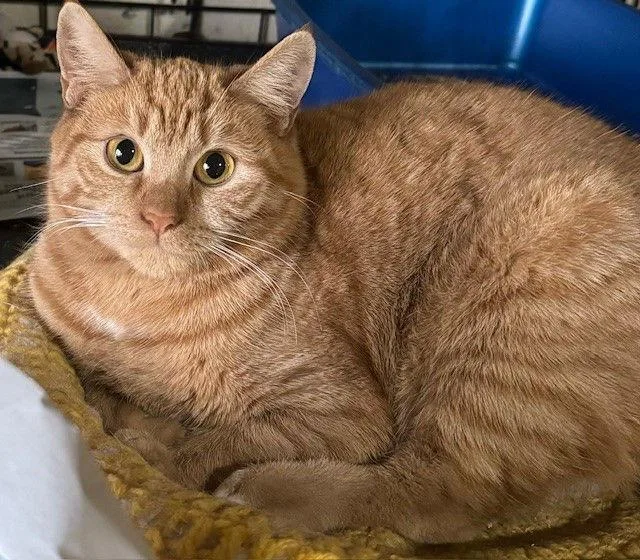
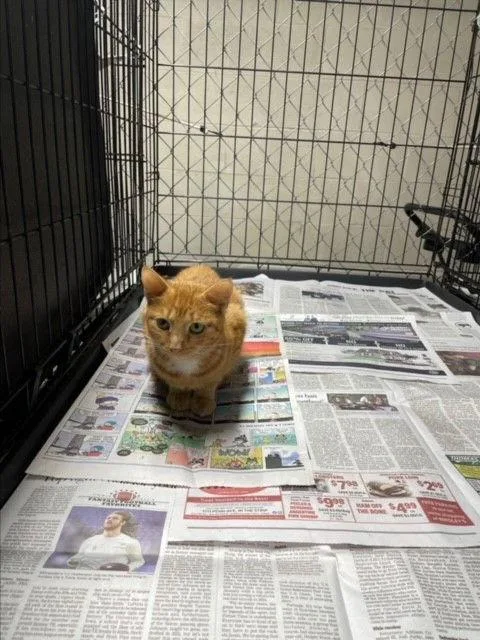
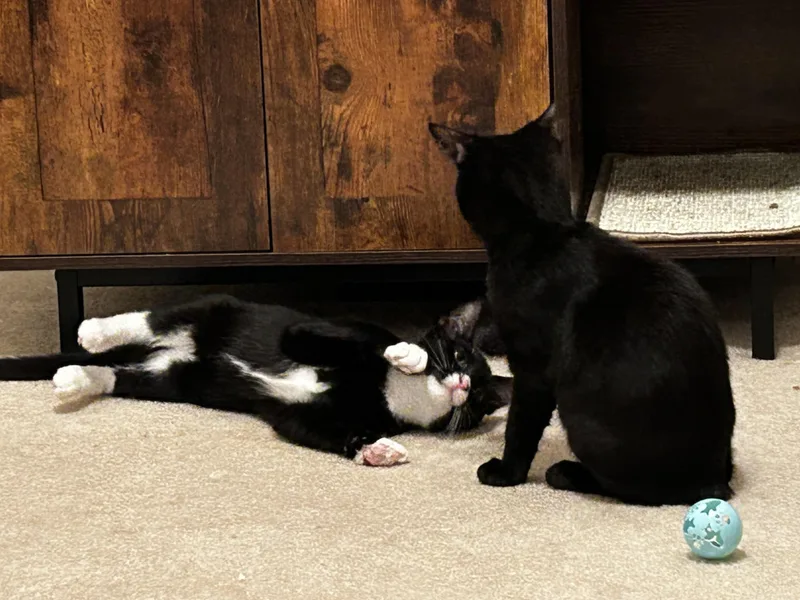
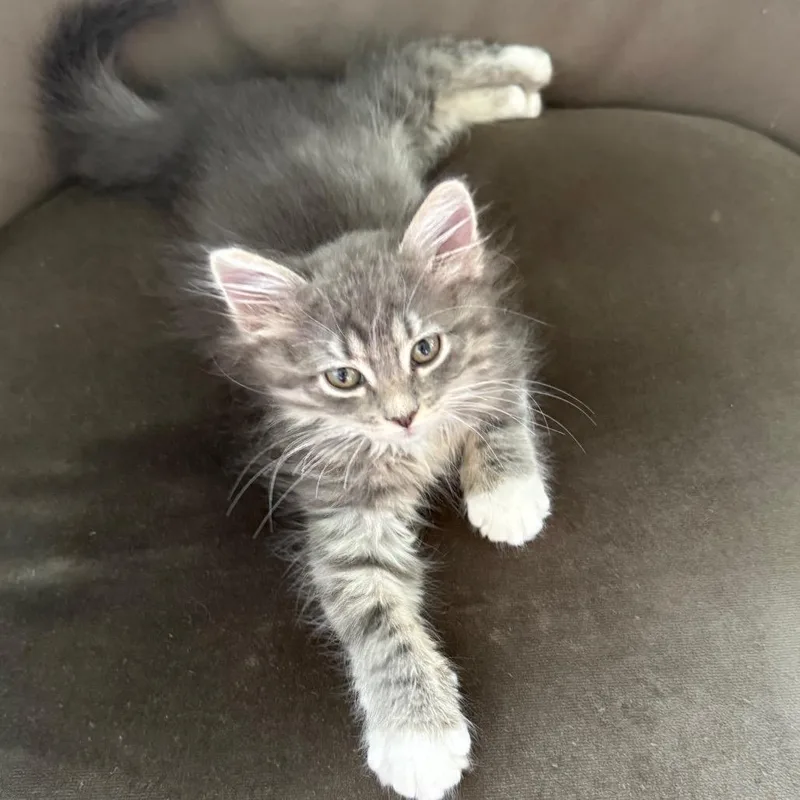
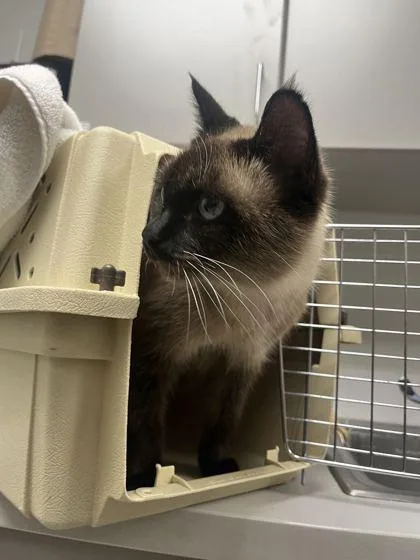
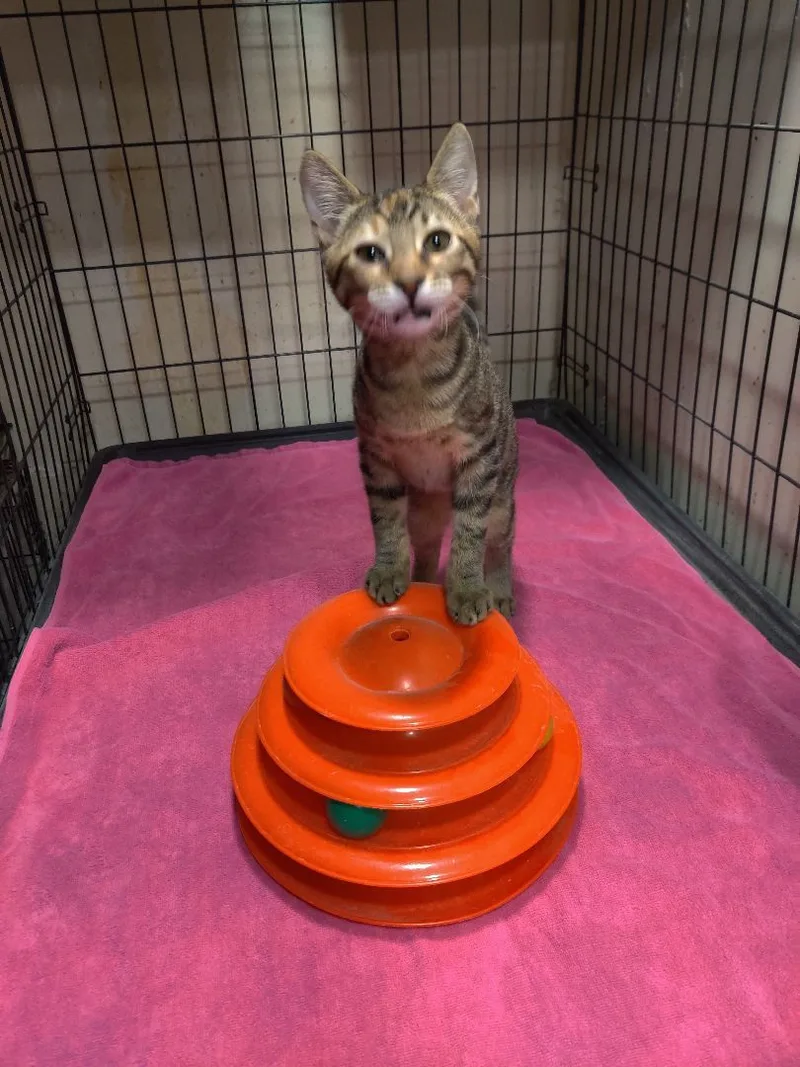
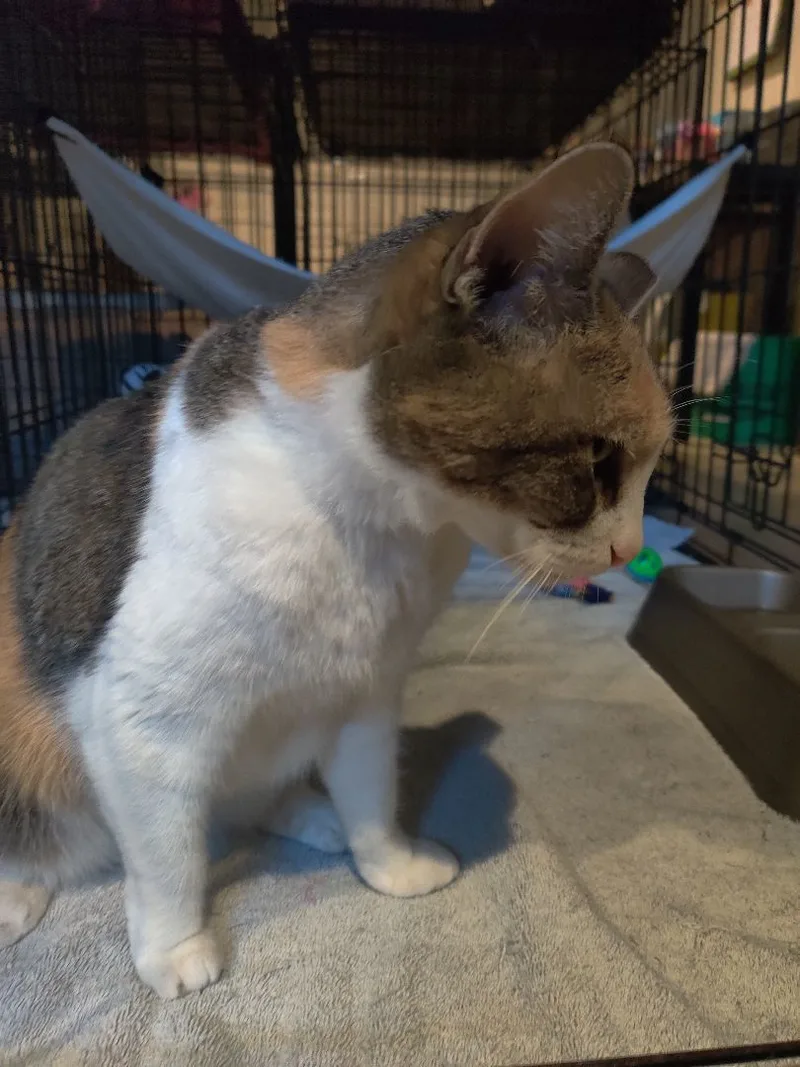
Manx Cats for Adoption in Kansas City, MO

Your guide to finding and caring for a Manx in Kansas City

A Manx suits indoor life in Kansas City, whether that's a converted brick warehouse in the West Bottoms or an apartment in Waldo. These round, sturdy cats love to climb and chase, so a tall cat tree by a window gets plenty of use. Many Manx attach closely to their people and follow them from room to room, which works well if you work from home or keep regular hours. Plan on a daily play session and steady company.

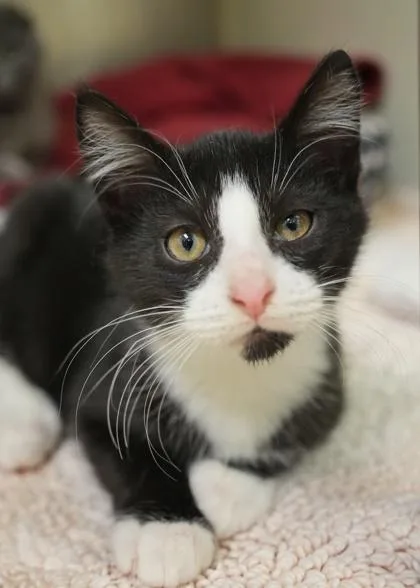
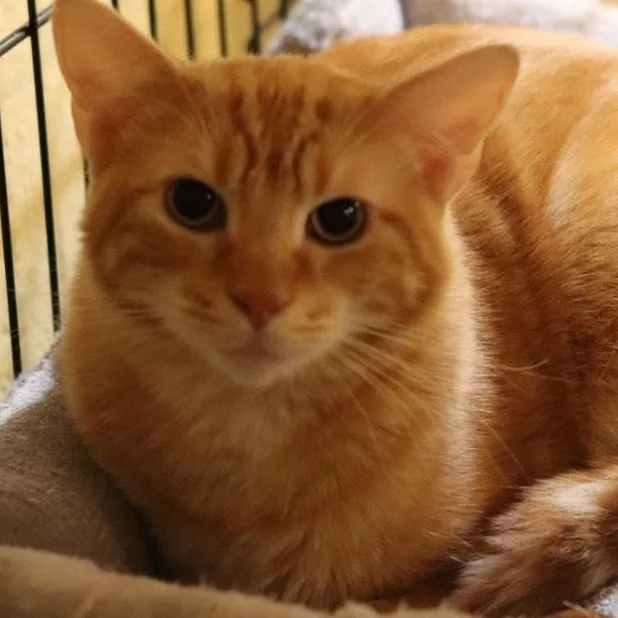
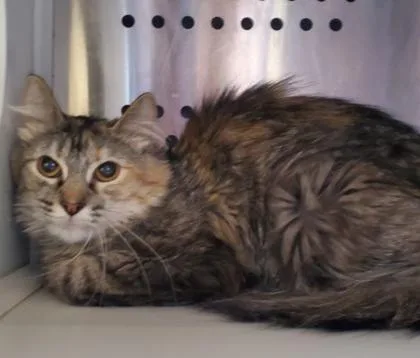
305 Manxes available in Kansas City and nationwide

Find your Manx

While we don't have enough cats near Kansas City, keep in mind that many rescues may offer transport.

Manxes Available for Adoption Near Kansas City

About the Manx breed

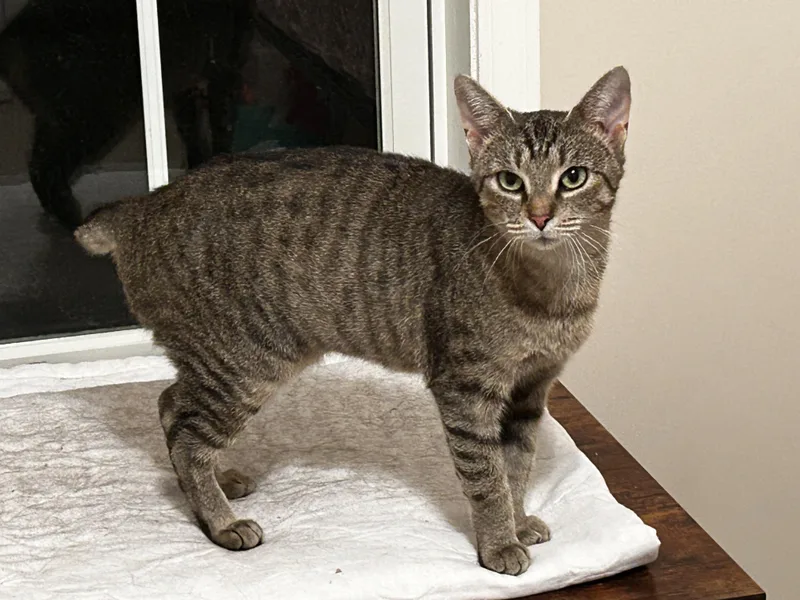
The Manx comes from the Isle of Man, where a natural mutation produced cats with no tail or a short one, and it's one of the oldest recognized cat breeds. Tail length varies widely, even within a litter, and some Manx have full tails. They're round and solid, with a short back, longer hind legs that give a rounded rump, and a thick double coat in many colors.

Many Manx are gentle, devoted and playful in bursts, and they often communicate with soft trills. Because the tailless gene can cause spinal, bowel and bladder problems that usually show in kittenhood, a veterinary exam soon after adoption matters. In Kansas City, a Manx does best as an indoor cat with plenty of climbing space and attention.

Weight
8–12 lbs
Height
8–10 in
Lifespan
10–14 yrs
Temperament
Playful, Devoted, Gentle
Shedding
Moderate

Owning a Manx in Kansas City

Having a Manx in Kansas City

Manx cats pair a round, sturdy build with a missing or short tail. In Kansas City, the things that matter most are daily play, a veterinary check for tail-gene problems, and an indoor home that handles humid summers and icy winters.

Temperament

Manx cats tend to be gentle, devoted and playful in bursts, often choosing a favorite person to follow around. That suits Kansas City apartments and houses where someone is home a fair amount. Some are shy with visitors at first, and each cat's comfort level varies, so spend time with the cat before deciding.

Exercise Needs

Plan on a daily play session or two with wand toys, fetch or food puzzles, plus tall cat trees for those strong hind legs. Indoor play is the safest outlet here, since coyotes turn up in Missouri parks and neighborhoods and can attack cats. A window perch adds entertainment between sessions.

Health Considerations

Manx syndrome from the tailless gene can affect the spine, hind legs, bladder and bowel, usually showing in kittenhood. Constipation, megacolon and arthritis in stumpy tails also occur. Book a veterinary exam soon after adoption, watch litter box habits and walking, and keep rabies vaccination current, since Kansas City requires it.

Living Space

Manx do well in a Kansas City apartment, loft or house as long as there's sturdy climbing furniture and a few cozy spots to rest. Keep the cat indoors or on a secured balcony. A cat with mobility or continence issues may need a low-sided litter box and ramps.

What it costs to own a Manx in Kansas City

ExpenseTypical costPer year
Food$25 to $50 per month$300 to $600
Pet insurance$30 to $60 per month$360 to $720
Routine vet care$150 to $350 per year$150 to $350
Other*$460 to $1,160 per year$460 to $1,160
Estimated yearly total (after year one)$1,270 to $2,830

Other costs are estimates and vary with size, age and health.

* The $10 Kansas City cat license, litter, parasite prevention, a dental cleaning allowance, toys and scratchers, and basic brushing supplies for the double coat.

Adopt a Manx in Kansas City.

Now that you know more, let’s find you a new best friend. These rescues and shelters below currently have Manxes available.

Rescues in Kansas City with Manxes Available

KC Pet Project runs the city shelter in Swope Park, and nonprofit rescues around the metro also find homes for cats. Here are the rescues & shelters in the Kansas City area where you can find Manxes and other cats available for adoption.

Frequently Asked Questions

Yes. Kansas City has no known breed restrictions on cats, so a Manx is treated like any other cat. You'll need a city license and proof of rabies vaccination for any cat over 120 days old, and a household is limited to four dogs and cats combined. Landlords set their own pet policies, so read your lease.

Yes, a Manx usually does well in an apartment, loft or condo in Kansas City. These medium cats need vertical space more than floor space, so a tall cat tree, a window perch and daily play matter most. A cat with Manx syndrome may need a low-sided litter box and ramps.

Yes, if they live indoors. Kansas City summers are hot and humid, with many days above 90°F, and a Manx's thick double coat holds heat. Keep the home air-conditioned or well fanned, offer fresh water, close blinds on sunny windows, and brush out loose fur. Never leave a cat in a parked car.

A Manx fits well if you want an affectionate, playful indoor cat and can offer daily company. Kansas City's lofts, older homes and houses all work with a cat tree and a quiet retreat for spring storms. It's less ideal if you're away long hours, since many Manx bond closely and want attention.

Only on RideKC buses, and only in a carrier. RideKC allows service animals and small pets in cages or carriers, so bring a sturdy, ventilated carrier that closes securely. The KC Streetcar doesn't allow pets at all, apart from ADA service animals, so plan another way to get your Manx to the vet.

No. In Kansas City, animals other than service animals aren't allowed where food is prepared or served, and the city's patio variance is for dogs at approved restaurants. A Manx should stay home. Most cats are calmer in familiar surroundings, and a noisy outing can lead to hiding or escape attempts.

Brush a shorthaired Manx about once a week, and a longhaired one a few times a week. Shedding is moderate and rises in fall and spring as the double coat changes, so brush more often then. Humid summers can make a thick coat uncomfortable. Brushing at home keeps costs low, and basic supplies are already counted in the yearly Other estimate.

A Manx is a medium-sized cat breed from the Isle of Man, best known for having no tail or a short tail due to a natural genetic mutation. Manx cats are round and sturdy, with longer hind legs, a thick double coat and a gentle, playful personality. Some Manx have full-length tails, since tail length varies even within litters.

We have 1 rescue with Manxes available: Wayside Waifs Animal Shelter. You can see every rescue with Manxes available in the list above these questions, or scroll to the top to see the Manxes near Kansas City.

Expect roughly $1,270 to $2,830 a year for a Manx in Kansas City. That covers food at $25 to $50 a month, insurance at $30 to $60 a month, routine vet care at $150 to $350 a year, and other yearly costs of $460 to $1,160. Insurance is worth pricing early because of Manx syndrome.

Find Manxes in Nearby Cities

Expand your search to find Manxes available for adoption near Kansas City.