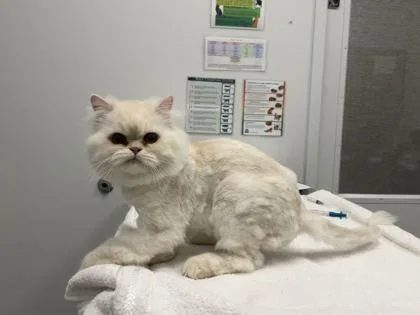
Extra-Toes Cat / Hemingway Polydactyls for Adoption in Kansas City, MO

Your guide to finding and caring for an Extra-Toes Cat / Hemingway Polydactyl in Kansas City

An extra-toed cat fits easily into apartment life in Kansas City, whether that's a converted warehouse in the West Bottoms or a renovated building near the Crossroads streetcar stops. These are domestic cats with bigger paws, so they mostly want a sunny window, a tall scratching post and a few play sessions a day. Their extra claws need regular trims, which is easy to do on the couch. A good window perch matters more than square footage.

197 Extra-Toes Cat / Hemingway Polydactyls available in Kansas City and nationwide

Adopt a Polydactyl cat today

While we don't have enough cats near Kansas City, keep in mind that many rescues may offer transport.

Extra-Toes Cat / Hemingway Polydactyls Available for Adoption Near Kansas City

About the Extra-Toes Cat / Hemingway Polydactyl breed

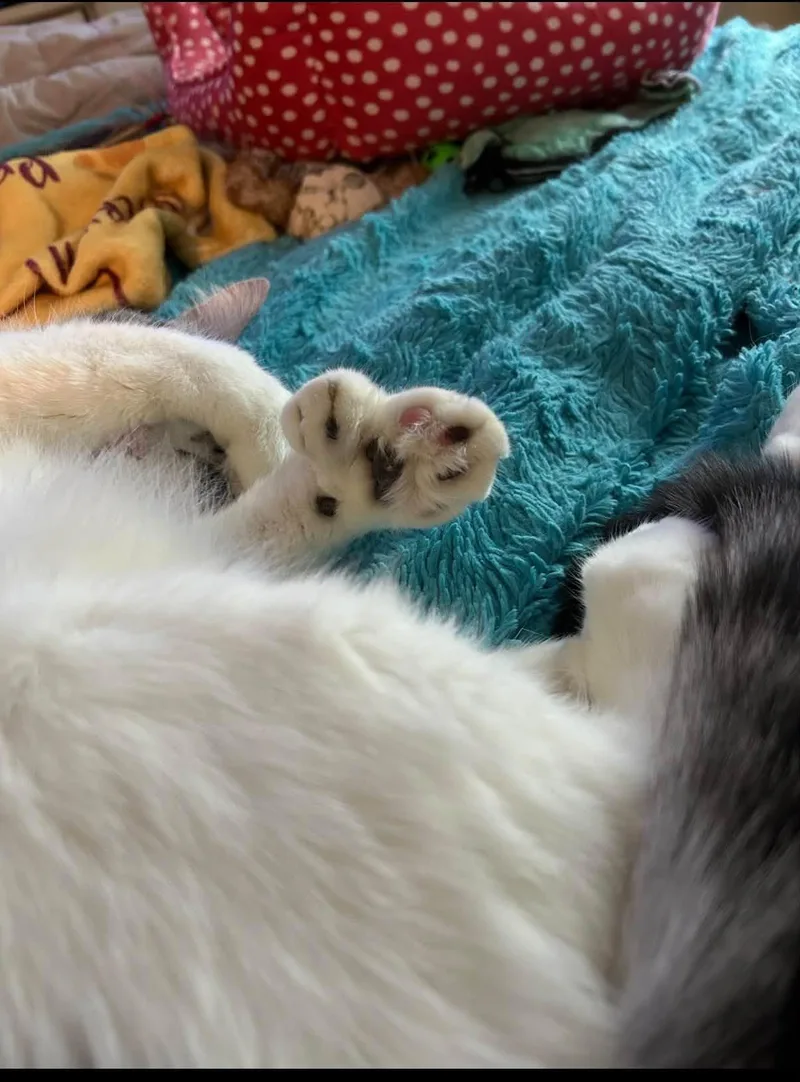
An extra-toes cat isn't a breed. It's any cat born with polydactyly, a harmless genetic variation that adds digits to one or more paws. A typical cat has 18 toes, while polydactyls often have six or seven on a front paw, sometimes forming a mitten-like thumb. The trait is dominant, so one affected parent can pass it to roughly half of a litter.

The Hemingway nickname comes from writer Ernest Hemingway, who was given a six-toed cat named Snow White. Most extra-toed cats are domestic shorthairs or longhairs, so coats, sizes and personalities vary as much as in any cat. Expect a medium-sized cat of about 6 to 15 pounds with moderate shedding. The main care difference is nail trimming, since extra claws can curl into the paw pads.

Weight
6–15 lbs
Height
8–10 in
Lifespan
12–18 yrs
Temperament
Adaptable, Curious, Affectionate
Shedding
Moderate

Owning an Extra-Toes Cat / Hemingway Polydactyl in Kansas City

Having an Extra-Toes Cat / Hemingway Polydactyl in Kansas City

Extra toes give these cats charming, oversized paws, but they don't decide personality or health. What matters most is each cat's age, background and coat, plus a little extra attention to claw care.

Temperament

Extra-toed cats range from bold and chatty to shy and slow to warm up, just like other domestic cats. Stories about them being friendlier or smarter are fun but unproven. In a Kansas City apartment, a cat that's relaxed with visitors and street noise does well, and a quiet hiding spot helps a shyer cat settle.

Exercise Needs

Most extra-toed cats enjoy daily interactive play with wand toys, balls and puzzle feeders that mimic hunting. Two or three short sessions beat one long one. Icy winter weeks and spring storms keep Kansas City cats inside anyway, so cat trees and shelves for climbing help burn energy. Kittens and young adults usually want more play than seniors.

Health Considerations

The common form of polydactyly usually causes no health problems on its own. Extra claws may not wear down naturally and can grow into the paw pads, so regular checks and trims matter. A rare limb condition is sometimes mistaken for polydactyly, and a veterinarian can tell them apart. Otherwise, watch for typical feline concerns like dental disease, obesity and kidney disease.

Living Space

Extra-toed cats adapt to a loft, apartment or house like any domestic cat. They do best with vertical space, sturdy scratching posts that help keep extra claws in shape, hiding spots and clean litter boxes. Indoor living or a secure enclosure protects them from traffic and coyotes, and sturdy window screens prevent falls from upper floors.

What it costs to own an Extra-Toes Cat / Hemingway Polydactyl in Kansas City

ExpenseTypical costPer year
Food$25 to $50 per month$300 to $600
Pet insurance$20 to $45 per month$240 to $540
Routine vet care$150 to $350 per year$150 to $350
Other*$460 to $1,162 per year$460 to $1,162
Estimated yearly total (after year one)$1,150 to $2,652

Other costs are estimates and vary with size, age and health.

* Litter, flea prevention, a dental cleaning allowance, toys and scratching posts, home grooming and claw trims, and the Kansas City cat license.

Adopt an Extra-Toes Cat / Hemingway Polydactyl in Kansas City.

Now that you know more, let’s find you a new best friend. These rescues and shelters below have cats available in and near Kansas City.

Rescues and Shelters in or near Kansas City

KC Pet Project runs the city shelter in Swope Park, and other Kansas City rescues help cats find homes. Here are the rescues & shelters in the Kansas City area with cats available for adoption, worth asking whether an Extra-Toes Cat / Hemingway Polydactyl is coming in.

Frequently Asked Questions

Yes. Kansas City has no known restrictions on extra-toed cats, since polydactyly is a paw trait, not a breed category. Cats over 120 days old need a city license and a rabies vaccination, and a household can have up to four dogs and cats combined. Browse the cats listed on this page to see who's available now.

Yes, extra-toed cats adapt well to apartments, lofts and houses alike. Give the cat vertical space, a sturdy scratching post and a window perch, and make sure screens are secure on upper floors. Read the lease carefully, because pet fees, pet rent and limits vary from one Kansas City building to the next.

Sometimes. RideKC buses allow only service animals and small pets in cages or carriers, so a cat must stay inside a secure carrier for the whole ride. The free KC Streetcar doesn't allow pets other than service animals. Kansas City has no subway, so trips to the vet by bus mean a carrier every time.

Yes, as long as the cat lives indoors. Kansas City has hot, humid summers and cold, icy winters, but a home with air conditioning and heat keeps cats comfortable. Spring brings severe storms, so keep a carrier ready near an interior room. Cats kept outside face heat, ice, traffic and coyotes.

Brush a short-haired extra-toed cat about once a week and a longer-haired one several times a week, especially in spring and fall when shedding picks up. Check the extra claws and trim them every few weeks. Home grooming supplies fall under the yearly Other costs in the cost chart, so no groomer is needed.

Often, yes, especially for renters and apartment dwellers who can offer daily play and a safe indoor home. Personalities vary widely, so judge each cat on its own temperament, not its toes. Plan for storm season, July 4 fireworks noise and the regular claw trims that extra toes require.

A cat normally has 18 toes: five on each front paw and four on each back paw. The fifth front toe is the dewclaw, set higher on the inside of the leg like a thumb, so it doesn't touch the ground when the cat walks. Polydactyl cats have more than 18, most often an extra one or two per front paw.

Cats don't have true thumbs. The dewclaw on each front paw sits in a similar position to a human thumb and helps a cat grip prey and climb, but it isn't opposable. Some polydactyl cats have extra toes on the inner side of the paw that look like a thumb, which is where the nickname thumb cat comes from.

A polydactyl cat is a cat born with more than the usual number of toes on one or more paws. It is a genetic trait, not a breed, and it can appear in any cat, though most are domestic shorthairs or longhairs. The common form is harmless and is passed down by a dominant gene.

Plan on roughly $1,150 to $2,650 a year for an extra-toed cat in Kansas City. That covers food at $25 to $50 a month, insurance at $20 to $45 a month, routine vet care at $150 to $350 a year and other costs of $460 to $1,162 a year. Individual cats vary with size and coat.