Burmilla Cats for Adoption in Kansas City, MO

Your guide to finding and caring for a Burmilla in Kansas City

A Burmilla fits Kansas City apartment life well, whether that's a converted warehouse in the West Bottoms or a unit in the Crossroads Arts District. These medium-sized cats are playful but mellow, so a tall window perch and a few minutes with a wand toy morning and evening keep most of them content. Many cope with a workday alone, and they tend to be quiet neighbors. Expect a cat that follows you from room to room and claims the sunniest sill.

628 cats similar to Burmilla available in Kansas City and nationwide

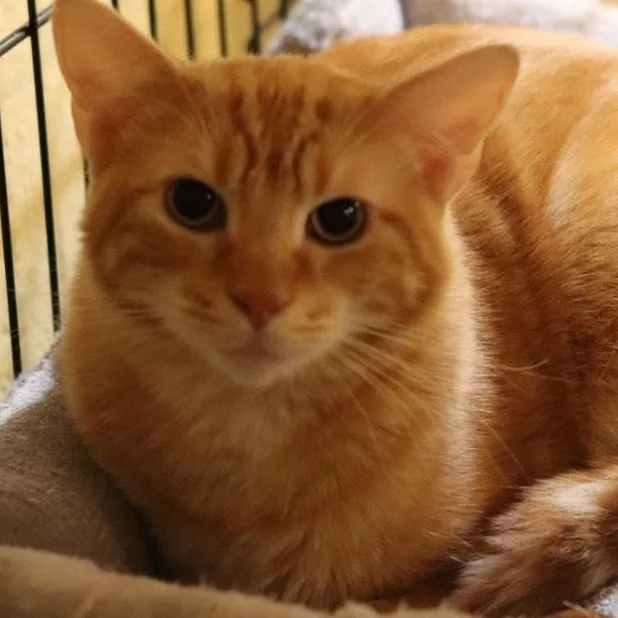
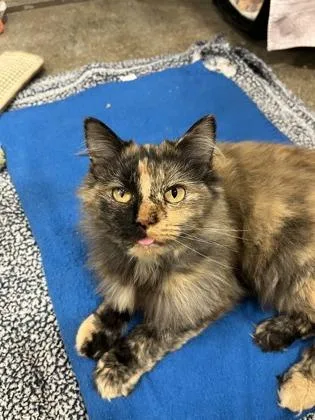
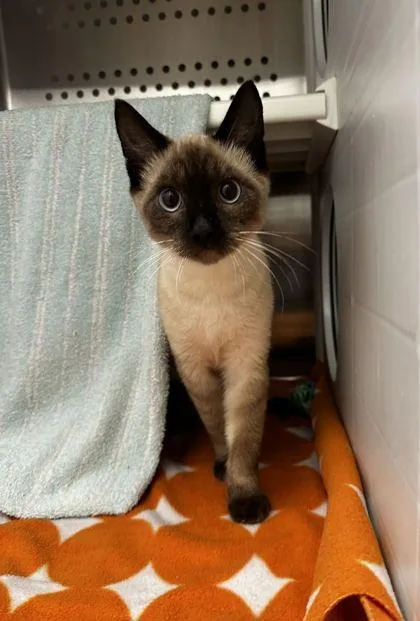
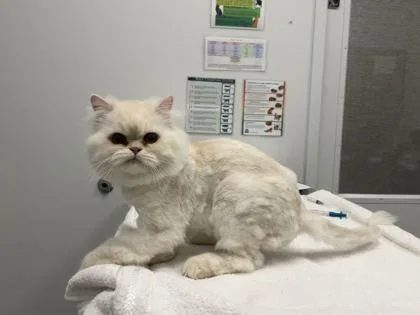
Meet your next Burmilla

While we don't have enough cats near Kansas City, keep in mind that many rescues may offer transport.

Burmillas and Similar Breeds Available for Adoption Near Kansas City

About the Burmilla breed

The Burmilla began with an accidental mating in Britain in 1981, when a Chinchilla Persian male met a lilac Burmese female and produced four shaded silver kittens. The name blends Burmese and Chinchilla. These medium-sized, muscular cats usually weigh 6 to 13 pounds, with green eyes outlined in dark color and a shimmering coat that is pale at the roots and tipped with color.

Many Burmillas pair the Burmese's sociable, playful streak with the Persian's calm, staying kittenish well into adulthood without being demanding. Coats come short or semi-long, and a weekly comb handles the low-to-moderate shedding. In a Kansas City home, that means a companionable, quiet cat who doesn't need much grooming, though each cat's personality still varies.

Weight
6–13 lbs
Height
9–12 in
Lifespan
10–15 yrs
Temperament
Affectionate, Playful, Easygoing
Shedding
Low to Moderate

Owning a Burmilla in Kansas City

Having a Burmilla in Kansas City

Burmillas tend to be playful without being frantic and affectionate without being clingy. In Kansas City, the main things to plan for are daily play indoors, a few inherited health risks worth discussing with a veterinarian, and a home that offers height and quiet places to rest.

Temperament

Burmillas are often sweet, curious and sociable, greeting visitors and settling near their people without constant demands. Many get along with respectful children, other cats and cat-friendly dogs after gradual introductions. Their quiet nature suits shared walls in apartment buildings, though each cat's history and comfort with handling matter more than breed expectations.
Exercise Needs

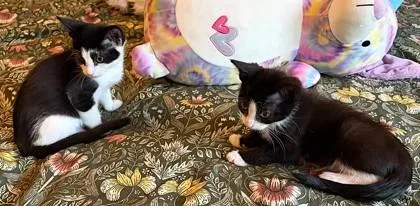
Most Burmillas enjoy short bursts of energetic play followed by long naps. In a Kansas City apartment, wand toys, a tall cat tree and food puzzles cover most of what they need. Two or three play sessions a day help prevent weight gain, and rotating toys keeps a kittenish adult interested.

Health Considerations

Burmillas can inherit polycystic kidney disease from Persian ancestors, as well as the Burmese head defect. Both have DNA tests, and a veterinarian can explain what testing makes sense. Not every cat develops problems. Regular exams, dental care and weight checks matter as a cat ages, and a rabies vaccination is also needed for the city license.

Living Space

An apartment or a house can suit a Burmilla when it offers climbing spots, window perches and a quiet place to rest. Many handle a workday alone well. Because these cats are curious, keep window and balcony screens secure, and use a harness or enclosure for any outdoor time.

What it costs to own a Burmilla in Kansas City

ExpenseTypical costPer year
Food$25 to $50 per month$300 to $600
Pet insurance$25 to $50 per month$300 to $600
Routine vet care$150 to $350 per year$150 to $350
Other*$462 to $1,162 per year$462 to $1,162
Estimated yearly total (after year one)$1,212 to $2,712

Other costs are estimates and vary with size, age and health.

* The $10 one-year Kansas City cat license (plus a $2 administrative fee), litter, flea prevention, a dental cleaning allowance, toys, scratchers and cat trees, and weekly combing.

Adopt a Burmilla in Kansas City.

Now that you know more, let’s find you a new best friend. These rescues and shelters below have cats available in and near Kansas City.

Rescues and Shelters in or near Kansas City

Kansas City's shelters and rescues list cats for adoption here, and the pets available change often. Here are the rescues & shelters in the Kansas City area with cats available for adoption, worth asking whether a Burmilla is coming in.

Frequently Asked Questions

Yes, there are no known breed restrictions on cats in Kansas City. Cats over 120 days old need a city license, which requires current rabies vaccination, and a household is limited to four dogs, cats or potbellied pigs combined unless it holds a special permit. Schedule the rabies shot and license around your first vet visit.

Yes, Burmillas are generally a good match for apartments. They're medium-sized, mostly quiet and usually fine alone during a workday, as long as they have climbing space, window perches and daily play. In lofts and older buildings, keep window screens secure and offer scratchers so the cat doesn't target door frames or rugs.

Only on buses, and only in a carrier. RideKC buses allow service animals and small pets in cages or carriers, so a Burmilla can ride in a secure, well-ventilated carrier. The free KC Streetcar doesn't allow pets other than ADA service animals, and Kansas City has no subway or light rail.

Often, yes, especially for people who want a companionable but low-key cat. Burmillas adapt to indoor living and a workday alone, and a climate-controlled home handles both humid summers and freezing winters. They do want daily play and attention, so they suit someone who's home most evenings. Each cat's temperament still varies.

Yes, as indoor cats. Kansas City summers are humid, with roughly 36 to 47 days a year reaching 90°F, so air conditioning or fans, shade and plenty of fresh water matter. Keep perches out of hot afternoon sun, have a plan for power outages, and never leave a cat in a parked car.

Very little. A weekly comb handles the low-to-moderate shedding in both short and semi-long coats, with a few extra sessions when the coat sheds more in spring and fall. Humid summers don't change the routine. Professional grooming is rarely necessary, and home combing is already counted in the cost table's Other line.

No, Burmilla cats are not hypoallergenic. They shed like other cats, and the main cat allergen, a protein found in saliva and skin secretions, spreads onto the coat during grooming. There is no evidence that Burmillas produce less of it. People with allergies should spend extended time with the specific cat before adopting and discuss options with their doctor.

Burmilla cats typically live about 10 to 15 years, and many healthy indoor cats reach their mid-teens or beyond. Lifespan depends on genetics, weight, dental care and access to veterinary care. Inherited kidney disease from Persian ancestry can shorten life, so scheduling regular blood and urine tests as the cat ages is worthwhile.

A Burmilla is a medium-sized cat breed created in Britain from a cross between a Chinchilla Persian and a Burmese. It is known for a sparkling silver or golden coat tipped or shaded with color, green eyes rimmed in dark outlines, and a playful, gentle personality. Burmillas come in shorthaired and semi-longhaired varieties.

Budget roughly $25 to $50 a month for food, $25 to $50 a month for pet insurance, $150 to $350 a year for routine vet care, and $462 to $1,162 a year for everything else, including litter. That works out to about $1,200 to $2,700 a year, or roughly $100 to $225 a month.