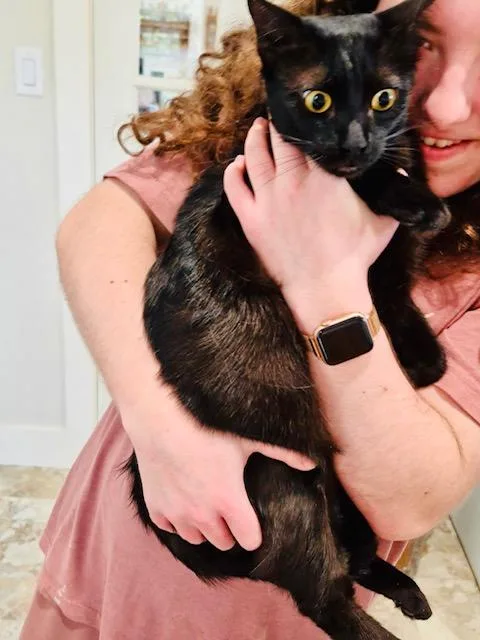
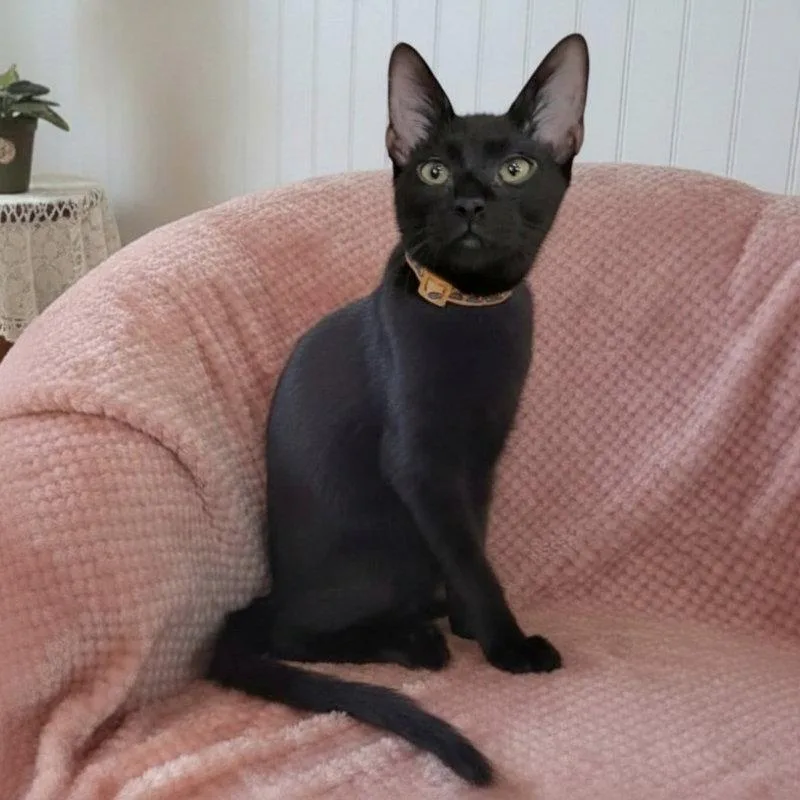
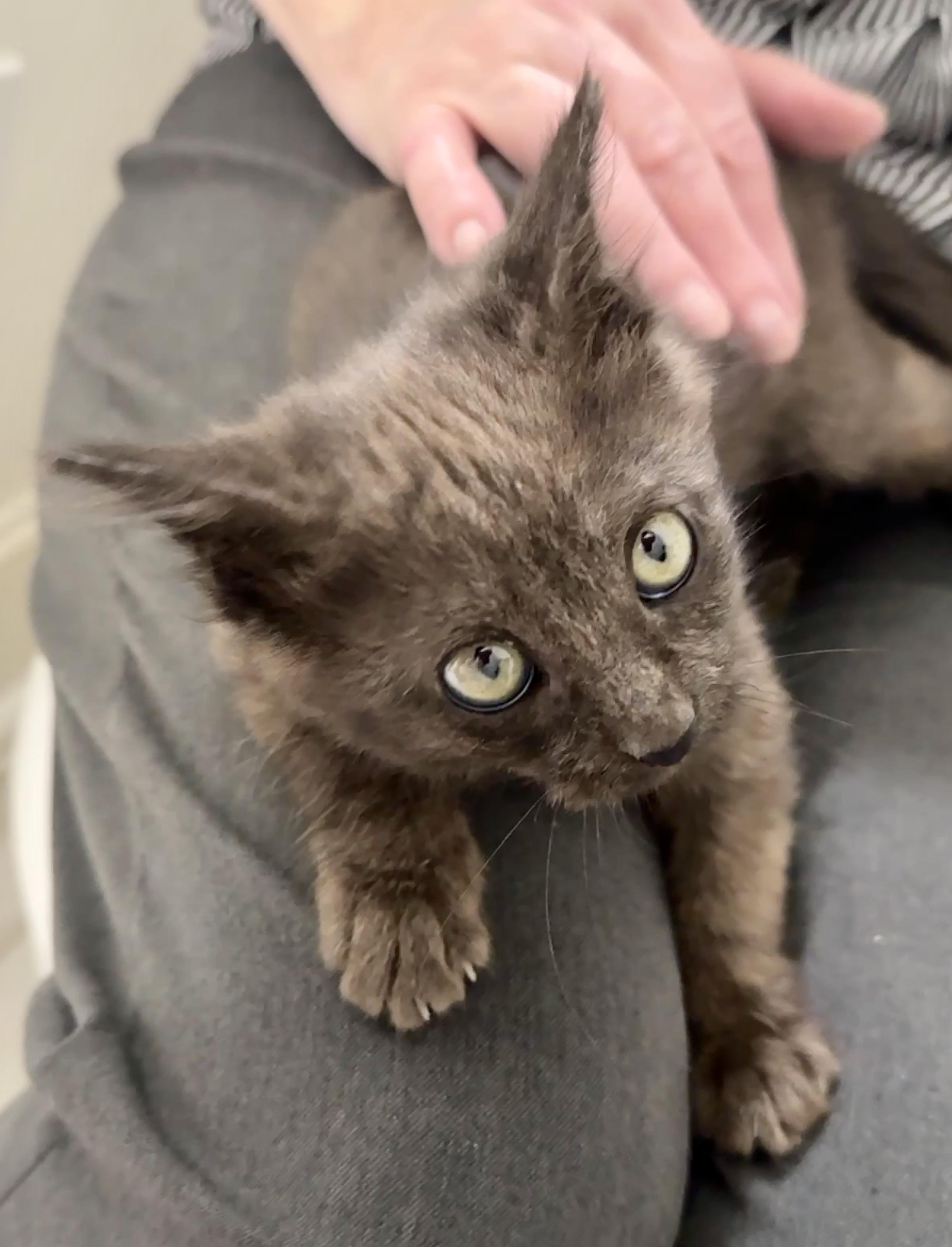
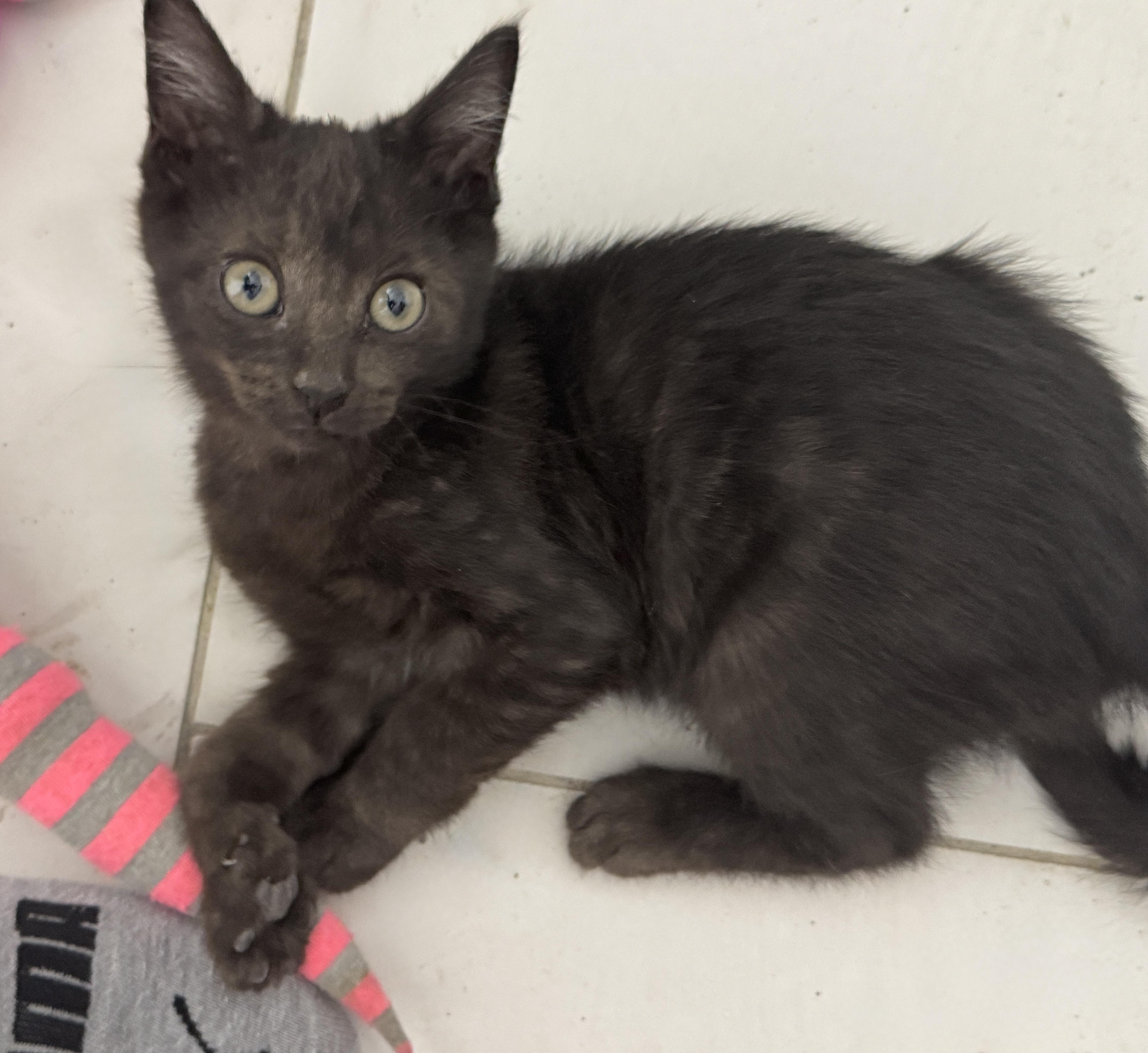
Burmese Cats for Adoption in Kansas City, MO

Your guide to finding and caring for a Burmese in Kansas City

Burmese cats do well in Kansas City apartments and bungalows, as long as someone is home to play. A brick-warehouse loft in the West Bottoms or a Waldo rental gives a Burmese plenty to climb, and the cat will likely follow you from room to room. They're medium-sized, short-coated and easy to groom, so the real commitment is attention. If you work long days away from home, plan on a second compatible pet or a midday break.

24 Burmese available in Kansas City and nationwide

Find your Burmese

While we don't have enough cats near Kansas City, keep in mind that many rescues may offer transport.

Burmese Available for Adoption Near Kansas City

About the Burmese breed

Nearly every Burmese in America traces back to Wong Mau, a walnut-brown cat brought to San Francisco in 1930 and bred with Siamese cats. The breed is compact and muscular, and heavier than it looks, with a short, glossy, satin-like coat and large gold eyes. Sable brown is the classic color, but champagne, blue and platinum are also common.

Burmese are known for being people-focused and playful well into adulthood, and many greet visitors and join whatever the household is doing. That sociable streak is a good match for a Kansas City home with someone around often. Adult cats vary in personality, and adopters should know the breed is prone to a few inherited conditions, including diabetes.

Weight
8–13 lbs
Height
9–11 in
Lifespan
12–17 yrs
Temperament
Affectionate, Social, Playful
Shedding
Low

Owning a Burmese in Kansas City

Having a Burmese in Kansas City

A Burmese is a social, playful cat that wants a part in the household's day. Its short satin coat is easy to keep up, so the main questions for adopters are how much company the cat will get and how to watch for breed-linked health issues.

Temperament

Burmese are known for being affectionate, curious and quick to learn games, and many follow their people from room to room. In a Kansas City apartment, that closeness is easy to satisfy, though adult cats vary, so notice how a cat handles noise, visitors and other pets.

Exercise Needs

Plan on daily interactive play, such as wand toys, fetch and puzzle feeders, since many Burmese stay playful for life. In a Kansas City apartment, sturdy cat trees and a window perch over the street give a muscular cat room to leap and watch. Play also helps keep weight in check.

Health Considerations

Burmese can be prone to diabetes, low potassium, orofacial pain syndrome and a limited gene pool. Keeping a Burmese lean, noticing extra thirst or weakness, and scheduling regular checkups with blood work as the cat ages helps catch problems early. A veterinarian can screen a newly adopted cat.

Living Space

Burmese adapt well to apartments, lofts and bungalows alike, as long as there are vertical spaces to climb and company to enjoy. Most do best as indoor cats with a screened window perch or catio. Long hours alone can be hard on them, so a second compatible pet may help.

What it costs to own a Burmese in Kansas City

ExpenseTypical costPer year
Food$25 to $50 per month$300 to $600
Pet insurance$30 to $60 per month$360 to $720
Routine vet care$150 to $350 per year$150 to $350
Other*$460 to $1,160 per year$460 to $1,160
Estimated yearly total (after year one)$1,270 to $2,830

Other costs are estimates and vary with size, age and health.

* The $10 one-year Kansas City cat license, litter, flea prevention, a dental cleaning allowance, toys, scratchers and climbing furniture, and minimal grooming.

Adopt a Burmese in Kansas City.

Now that you know more, let’s find you a new best friend. These rescues and shelters below have cats available in and near Kansas City.

Rescues and Shelters in or near Kansas City

KC Pet Project runs Kansas City's municipal shelter, and other area rescues also list cats for adoption on this page. Here are the rescues & shelters in the Kansas City area with cats available for adoption, worth asking whether a Burmese is coming in.

Frequently Asked Questions

Yes, you can get a Burmese in Kansas City, and the city's pet rules apply to cats by species rather than breed. Every cat over 120 days old needs a city license and a rabies certificate. Burmese are uncommon, so watch the listings on this page and save a search to hear when one is posted.

Yes, a Burmese suits apartment life well in Kansas City, since its medium size fits small spaces. What matters most is vertical room: a sturdy cat tree, a window perch and daily wand play. Burmese like company, so a household that's home often, or has a compatible second pet, works best.

A Burmese can be a great fit for Kansas City if you're home often and want an indoor, people-focused cat. Most local housing, from Waldo bungalows to downtown lofts, works for an indoor cat. Hybrid or remote schedules suit Burmese better than long office days, though a second pet can ease the gap.

Yes, a Burmese can handle Kansas City summers if it stays indoors. The humid heat makes it hard for any cat to cool off, so keep air conditioning running during heat waves. In August 2023, heat indices reached roughly 120 to 130 degrees. Offer fresh water, and never leave a cat in a parked car.

A Burmese needs very little grooming in Kansas City. A weekly rubdown with a rubber brush keeps the short satin coat glossy and removes loose hair, and humid summers or dry heated winters don't change the routine much. Add regular nail trims and tooth care. Professional grooming is rarely necessary, so costs stay within the small grooming allowance in Other.

Yes, but only in a carrier. RideKC buses allow only service animals and small pets in cages or carriers, so a Burmese can ride in a secure, ventilated carrier. The KC Streetcar allows no pets except ADA service animals, so plan another way to get to vet visits along its route.

No, plan to leave your Burmese at home. Kansas City's food code bars animals other than service animals from areas where food is prepared or served, and the city's dog-friendly patio variance is written for dogs, not cats. Burmese also tend to be happier in a familiar space than in a noisy dining setting.

A Burmese is a medium-sized, muscular shorthaired cat known for a glossy, satin-like coat, gold eyes and a famously people-oriented personality. Most American Burmese trace back to a single brown cat, Wong Mau, brought to San Francisco in 1930. They are playful, social and affectionate, and they come in sable, champagne, blue, platinum and other colors.

The name Burmese simply means from Burma, the country now called Myanmar. It refers to where the breed's foundation cat, Wong Mau, was believed to come from, in the region near the border between Burma and Thailand. Brown cats resembling the Burmese are thought to appear in old Thai cat manuscripts, long before the modern breed was developed in America.

Expect roughly $1,270 to $2,830 a year for a Burmese in Kansas City, covering food, insurance, routine vet care and other costs. Food and insurance run about $25 to $50 and $30 to $60 a month. Routine vet visits add $150 to $350 a year, and the Other line adds $460 to $1,160.

Find Burmese in Nearby Cities

Expand your search to find Burmese available for adoption near Kansas City.