Birman Cats for Adoption in Kansas City, MO

Your guide to finding and caring for a Birman in Kansas City

Birmans fit comfortably into Kansas City's converted-warehouse apartments. In a Crossroads loft or a brick building in the West Bottoms, a calm, people-loving cat gets tall windows to watch from, and a Birman's soft voice won't carry through shared walls. The semi-long coat needs a good combing about once a week, not daily. Birmans like company, so they do best with someone home for much of the day and a cat tree set beside a sunny window.

2287 cats similar to Birman available in Kansas City and nationwide

Find your forever Birman

Birmen and Similar Breeds Available for Adoption Near Kansas City

About the Birman breed

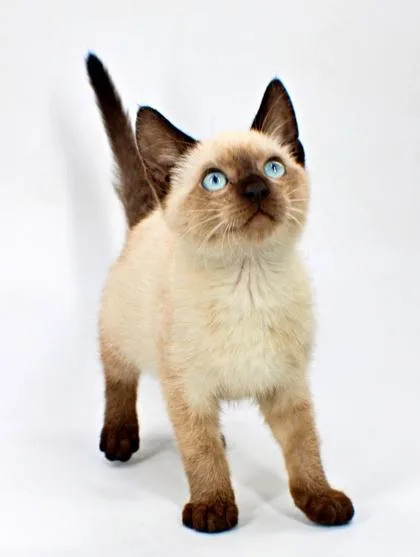
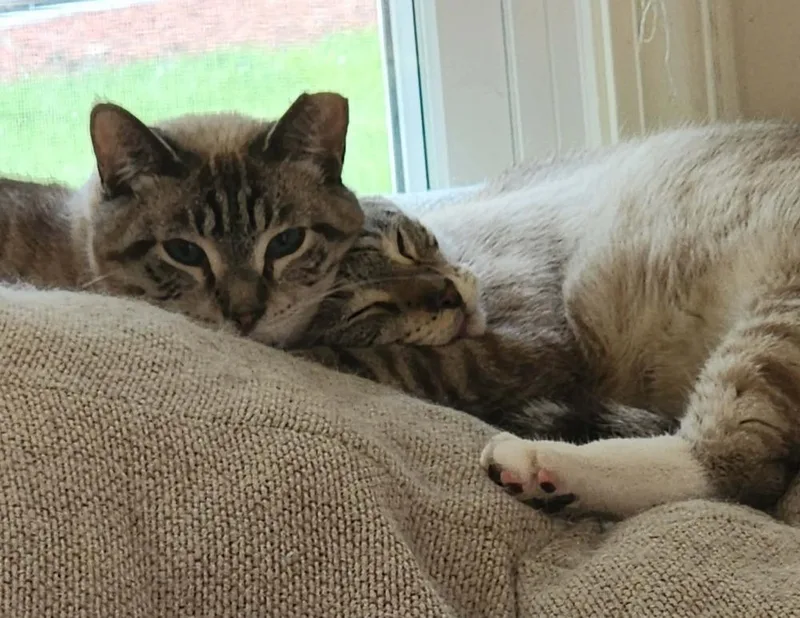
The Birman is a colorpointed, semi-longhaired cat with deep blue eyes and four white paws, called gloves in front and laces behind. The modern breed took shape in France after a pair of cats arrived from Burma around 1919; the tale of sacred temple cats is legend. Points come in seal, blue, chocolate, lilac and other colors, and kittens are born pale, with their color developing over time.

Many Birmans are gentle, sociable and soft-voiced, though each cat has its own personality. The silky coat has little undercoat, so it tangles less than many longhaired coats. In Kansas City's four-season climate, an indoor routine with weekly combing keeps a Birman comfortable year-round. They mature slowly, usually by about age three, so an adult cat's personality is already clear.

Weight
7–14 lbs
Height
8–10 in
Lifespan
12–16 yrs
Temperament
Gentle, Affectionate, Social
Shedding
Moderate

Owning a Birman in Kansas City

Having a Birman in Kansas City

Birmans are affectionate, easygoing cats whose main needs are company, daily play and a little coat care. Heart health and weight are the main medical points, and Kansas City's apartments and four seasons suit an indoor Birman well.

Temperament

Birmans tend to be gentle, people-oriented cats that trail family members from room to room and ask for calm attention rather than demand it. Many are patient with respectful children and with cats or cat-friendly dogs after slow introductions. Some are shy at first, so each cat's own behavior matters more than breed.

Exercise Needs

Plan on a couple of interactive play sessions a day with wand toys, balls or puzzle feeders, since Birmans are moderately active and gain weight easily. In a Kansas City apartment, a tall cat tree by a window adds exercise on days when ice or heat keep everyone indoors.

Health Considerations

Hypertrophic cardiomyopathy appears in a notable share of screened Birmans, and polycystic kidney disease occasionally turns up. Weight gain is also common in indoor cats and strains the joints. Yearly exams, dental care and measured meals help, and a veterinarian can advise on heart screening for an adopted adult.

Living Space

A Birman does well in Kansas City's apartments and houses alike, since it values company and quiet perches over square footage. Window seats, scratching posts and cat trees keep it engaged indoors. Many dislike long stretches alone, so a household with someone home often, or another friendly pet, suits them.

What it costs to own a Birman in Kansas City

ExpenseTypical costPer year
Food$25 to $50 per month$300 to $600
Pet insurance$25 to $50 per month$300 to $600
Routine vet care$150 to $350 per year$150 to $350
Other*$512 to $1,262 per year$512 to $1,262
Estimated yearly total (after year one)$1,262 to $2,812

Other costs are estimates and vary with size, age and health.

* Litter, flea prevention, a dental cleaning allowance, toys and supplies, regular combing for the semi-long coat, and the Kansas City cat license.

Adopt a Birman in Kansas City.

Now that you know more, let’s find you a new best friend. These rescues and shelters below have cats available in and near Kansas City.

Rescues and Shelters in or near Kansas City

Kansas City has an active shelter and rescue community, and the groups below list cats of many ages and coats. Here are the rescues & shelters in the Kansas City area with cats available for adoption, worth asking whether a Birman is coming in.

Frequently Asked Questions

Yes, Kansas City has no known breed restrictions on cats, so a Birman is treated like any other cat. You'll need a city license and a vet's rabies certificate for any cat over 120 days old, at $10 for one year or $27 for three. Households are limited to four dogs, cats or potbellied pigs combined.

Yes, Birmans are well suited to apartment life because they value company and a quiet perch more than space. In a rental, get the pet deposit and any monthly pet rent in writing, since Missouri's deposit cap doesn't cover them. Add a cat tree and window seat, and plan for some company during the day.

Yes, an indoor Birman handles Kansas City summers well when the home stays cool. Around 36 to 47 days a year hit 90°F and the air is humid, so run air conditioning or fans, offer fresh water and comb out loose fur to keep the semi-long coat comfortable. Never leave a cat in a parked car.

Only partly. RideKC buses allow small pets in cages or carriers, so use a secure, closed carrier for vet trips. The KC Streetcar doesn't allow pets at all, apart from service animals. Kansas City has no subway or light rail, so a Birman's options are a bus in a carrier or a car.

Often, yes, for an adopter who wants a mellow indoor companion. Birmans enjoy company, so they suit people who are home regularly, and weekly combing keeps the coat easy. A Birman that's shy at first may need a few weeks to settle, so a quiet room with a hiding spot helps. Daily play keeps weight in check.

A Birman is a medium-sized, semi-longhaired cat with a colorpoint pattern, deep blue eyes and distinctive white paws. The breed was developed in France from cats said to come from Burma, which is why it is sometimes called the Sacred Cat of Burma. Many Birmans are gentle, sociable and soft-spoken companions who enjoy being near their people.

No, Birman cats are not hypoallergenic. Like all cats, they produce the Fel d 1 allergen in saliva and skin, and grooming spreads it onto their fur and around the home. Their coat sheds less heavily than some longhaired breeds, but that does not remove allergens. Anyone with allergies should spend time with the specific cat before adopting.

Yes, Birman cats shed, usually at a moderate level. Their silky coat has little undercoat, so they drop less hair and form fewer mats than breeds like Persians or Maine Coons, but loose fur still appears on furniture and clothing. Combing once or twice a week, and more during spring and fall, keeps shedding manageable and the coat tangle-free.

Birman cats commonly live about 12 to 16 years, and some reach their late teens. A large UK veterinary study found Birmans among the longest-lived breeds, with an average life expectancy of about 14.4 years at birth. Indoor living, a healthy weight, dental care and regular checkups all help an individual cat reach the upper end of that range.

Plan on roughly $1,260 to $2,810 a year for a Birman in Kansas City. That covers food at $25 to $50 a month, insurance at $25 to $50 a month, routine vet care at $150 to $350 a year, and other costs of $512 to $1,262, including the city license and litter.