Bengal Cats for Adoption in Minneapolis, MN

Your guide to finding and caring for a Bengal in Minneapolis

Bengals suit Minneapolis best in homes where someone's around to play with them. In a brick apartment building in Elliot Park or an older house in Kingfield, a Bengal will treat the whole place as a climbing wall, so tall cat trees and window perches matter more than square footage. Winter keeps everybody inside for months, which is when a bored Bengal gets creative with cupboards and cords. Plan on daily wand-toy sessions and a few puzzle feeders, and you'll have a funny, athletic roommate.

211 Bengals available in Minneapolis and nationwide

A Bengal is ready for you

While we don't have enough cats near Minneapolis, keep in mind that many rescues may offer transport.

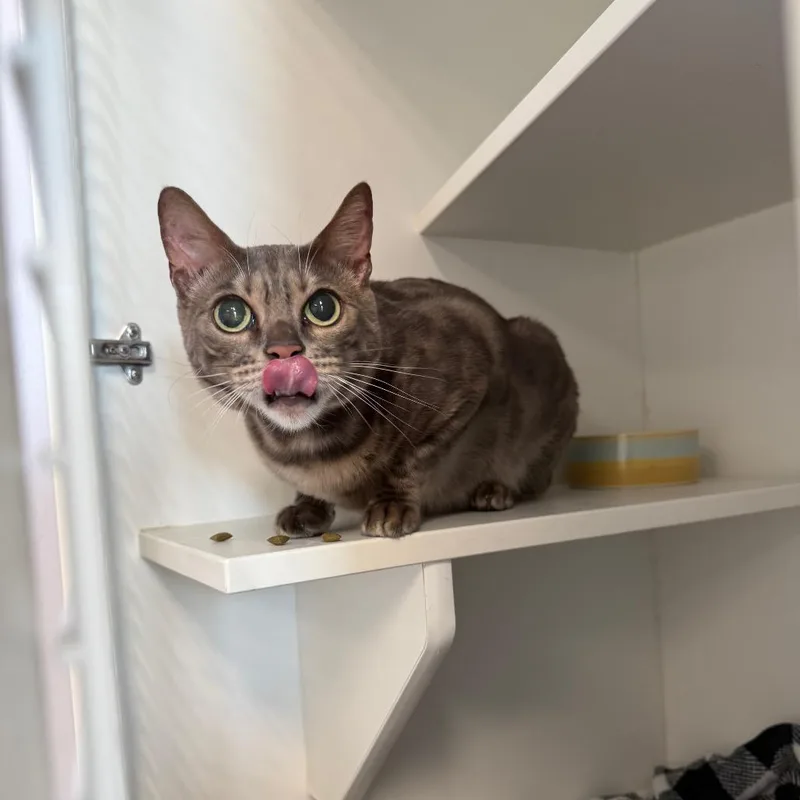
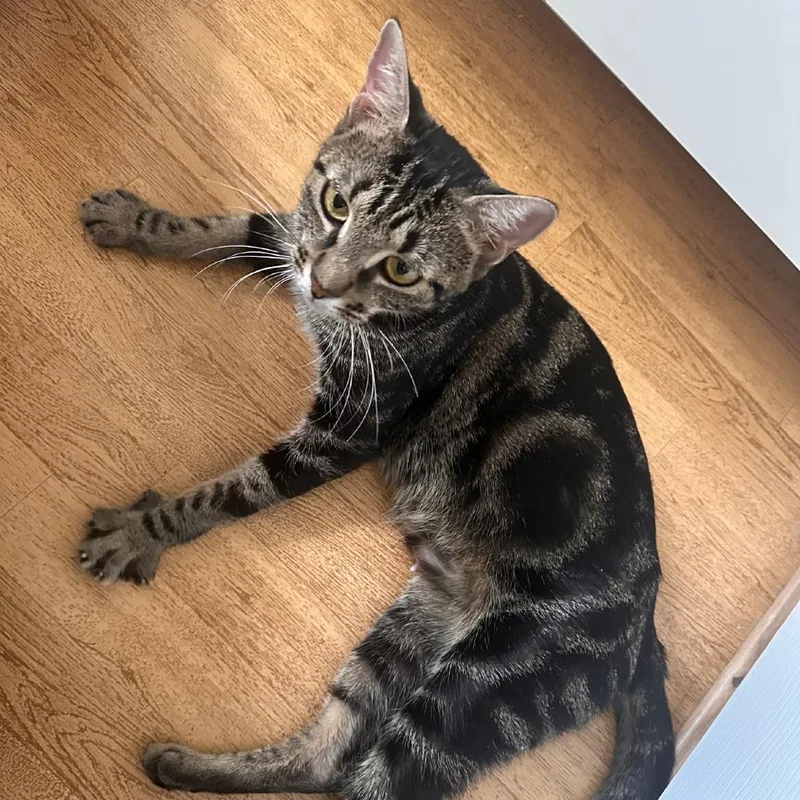
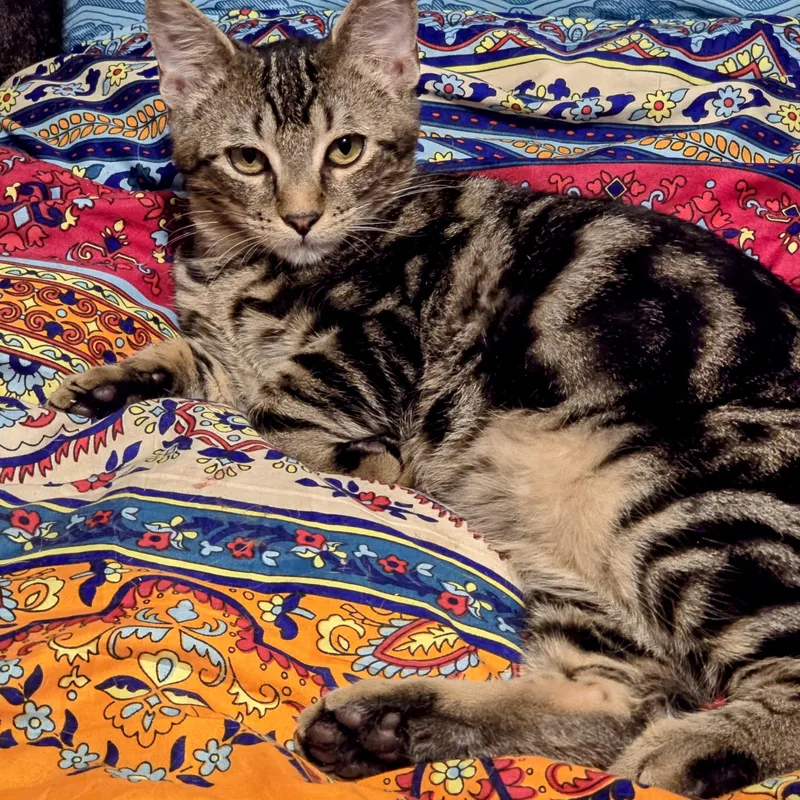
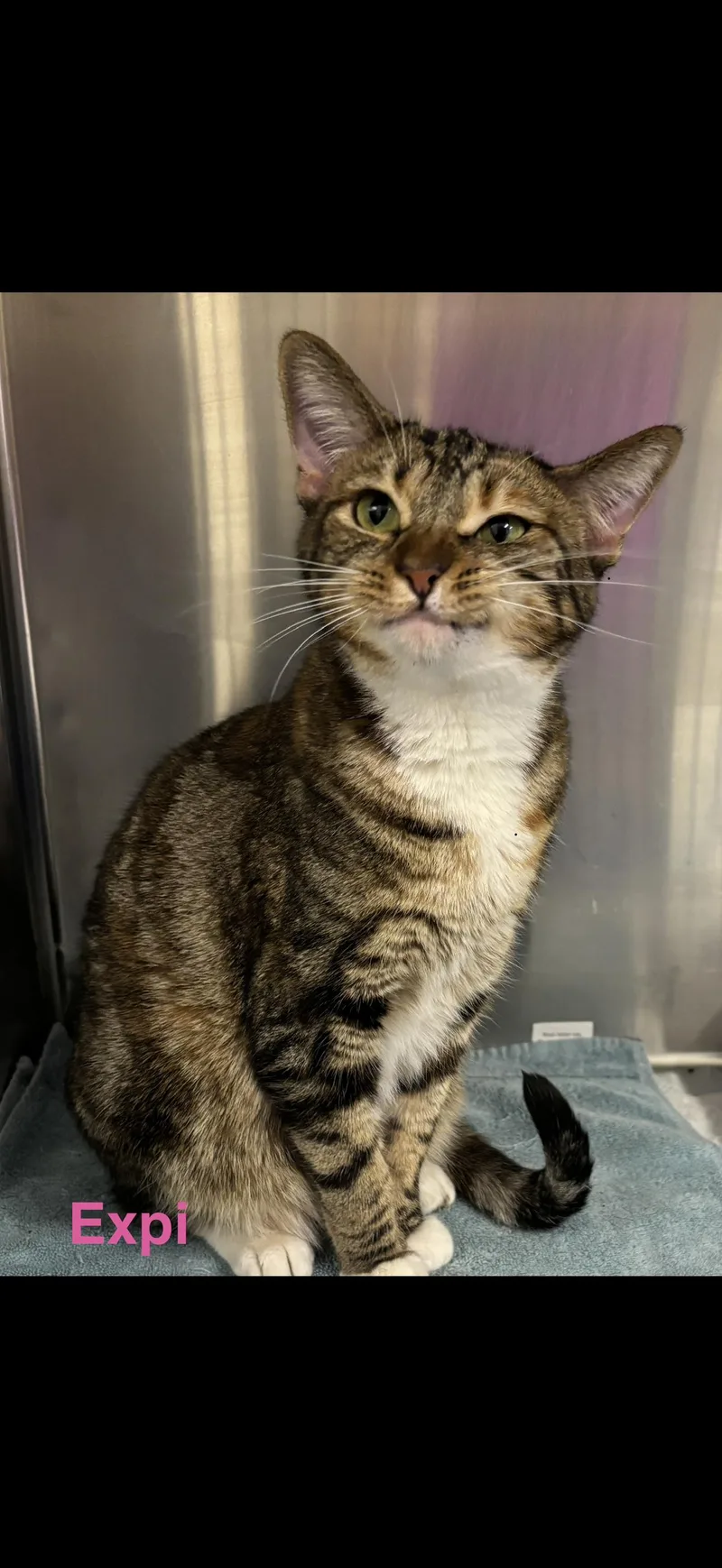
Bengals Available for Adoption Near Minneapolis

About the Bengal breed

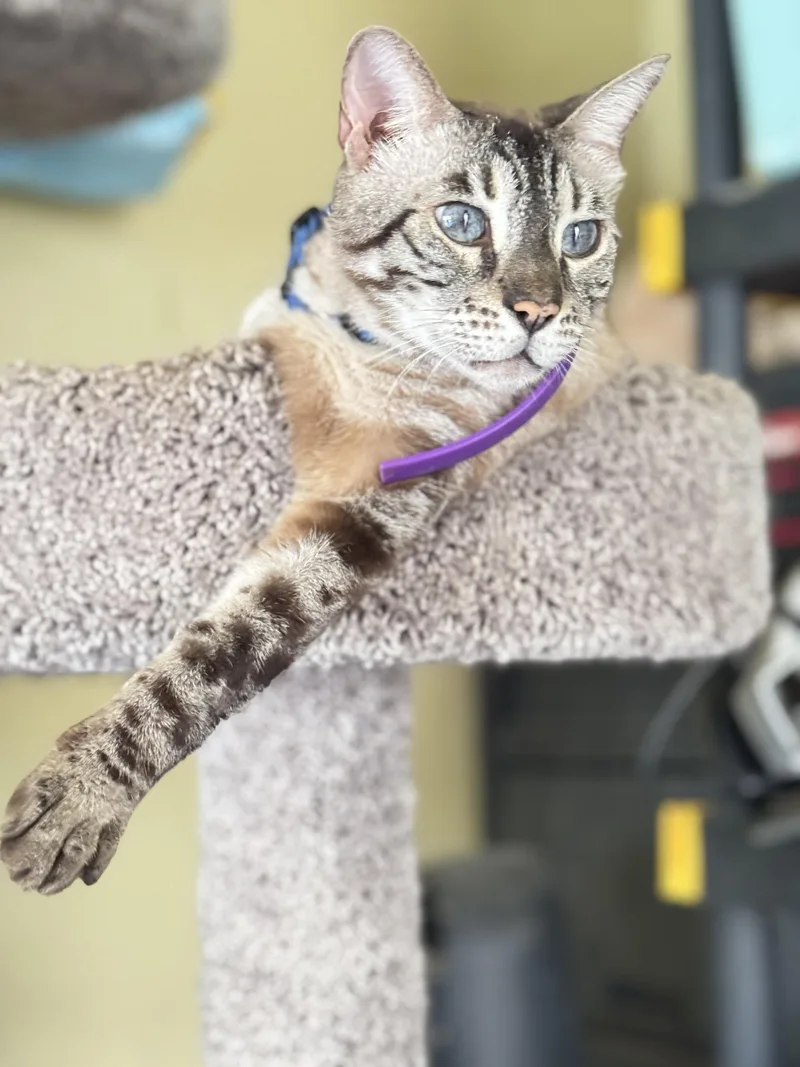
Bengals are medium, muscular cats, usually 8 to 15 pounds, with a short, soft coat in spotted, rosetted or marbled patterns and often a glittery sheen. The breed started in the 1960s with crosses between domestic cats and Asian leopard cats, but today's Bengals are many generations removed and fully domestic. Shedding is low to moderate, and weekly brushing is usually enough.

In Minneapolis, the breed's energy is the main thing to plan around. Bengals are curious, smart and busy, and they tend to stay playful for years. Long winters mean more hours of indoor play, so think climbing shelves, puzzle toys and a harness for supervised outings. Bengals vary, and some are cuddlier than others, so spend time with a cat before deciding.

Weight
8–15 lbs
Height
9–11 in
Lifespan
10–15 yrs
Temperament
Energetic, Curious, Intelligent
Shedding
Low to Moderate

Owning a Bengal in Minneapolis

Having a Bengal in Minneapolis

A Bengal brings athletic energy, a quick mind and a low-maintenance coat. In Minneapolis, the questions are how much daily play you can offer through a long winter, whether your home has vertical space, and how comfortable you are with a few inherited health risks.

Temperament

Bengals tend to be confident, curious and closely involved with their people, often following along and helping with household tasks. Many get vocal when bored. Some get along with cat-savvy dogs and other active cats, though a few are bossy. Personalities vary, so spend time with the cat and watch how it handles play and handling.

Exercise Needs

Plan on several active play sessions a day, such as wand toys, fetch and chasing games, plus tall cat trees and shelves for climbing. Food puzzles and clicker training add mental work. Minneapolis winters keep most play indoors, so a sunny window perch helps, and harness practice at home prepares a Bengal for quiet outings in warmer months.

Health Considerations

Bengals can develop hypertrophic cardiomyopathy, a heart condition, along with progressive retinal atrophy, which causes early blindness, and pyruvate kinase deficiency, a type of anemia. Genetic tests exist for some of these. A veterinarian can check the heart and advise on screening. Keep vaccines and parasite prevention current, since Minnesota ticks are active in spring and fall.

Living Space

Bengals do well in Minneapolis apartments and houses alike, as long as there's vertical territory to climb and plenty of daily interaction. Stimulation matters more than square footage. Keep them indoors or in a secure, enclosed patio, partly because coyotes are becoming more common around the Twin Cities and can kill cats. A second playful cat can provide company.

What it costs to own a Bengal in Minneapolis

ExpenseTypical costPer year
Food$25 to $50 per month$300 to $600
Pet insurance$30 to $60 per month$360 to $720
Routine vet care$150 to $350 per year$150 to $350
Other*$530 to $1,380 per year$530 to $1,380
Estimated yearly total (after year one)$1,340 to $3,050

Other costs are estimates and vary with size, age and health.

* The $30 Minneapolis cat license for a spayed or neutered cat, litter, flea and tick prevention, a dental cleaning allowance, toys and bedding, light brushing, and climbing and puzzle enrichment for a very active cat.

Adopt a Bengal in Minneapolis.

Now that you know more, let’s find you a new best friend. These rescues and shelters below have cats available in and near Minneapolis.

Rescues and Shelters in or near Minneapolis

Minneapolis has a city animal shelter and a network of rescues, and the cats they list change often. Here are the rescues & shelters in the Minneapolis area with cats available for adoption, worth asking whether a Bengal is coming in.

Frequently Asked Questions

Yes, Minneapolis has no known breed rules for cats, so a Bengal is treated like any other cat. Licensing is the main step, and it applies once a cat is four months old. Keep the license tag on a collar, and know that owning four or more cats requires a multiple-animal permit and a home inspection.

Yes, a Bengal can live in a Minneapolis apartment if the space offers vertical room and daily play. Tall cat trees, wall shelves and window perches matter more than floor area. In a rental, sturdy scratching posts and cord covers protect the unit, and a second playful cat can keep a Bengal occupied while you're at work.

A Bengal is a good fit if you're home often and enjoy interactive play, especially through Minneapolis's long indoor winters. It's a poorer match for people who are away for long hours or want a quiet lap cat. Bengals vary, but most need several play sessions a day, and a bored one can get loud and destructive.

Yes, indoor Bengals handle Minneapolis winters fine, even though about 22 nights a year drop below 0°F. Their short coat offers little protection outside, so keep them off balconies and out of cars. The real challenge is boredom, so rotate puzzle toys, add play sessions and give them a sunny window perch to watch the snow.

Yes, but only in a carrier. Metro Transit allows pets on its buses and light rail only when they're in a carrier, so a harness and leash won't do. Minneapolis has no subway. Get a sturdy, ventilated carrier and practice with it at home first, since active Bengals often dislike being confined.

A Bengal needs very little grooming. Weekly brushing is usually enough for the short, close-lying coat, and shedding is low to moderate. Dry heated indoor air in a Minneapolis winter can leave skin a little flaky, so brush gently. Professional grooming is rarely necessary, so light brushing is the only grooming cost in the yearly Other figure.

A Bengal is a domestic cat breed developed from crosses between house cats and the small Asian leopard cat, then bred for generations with domestic cats. Bengals have short, sleek coats with spots, rosettes or marbling, muscular builds and lively, curious personalities. Pet Bengals are domestic cats, though their energy and intelligence often feel a little wilder.

Bengal kittens look like tiny spotted or marbled wild cats, with large eyes, rounded ears and bold markings visible from birth. Many go through a fuzzy stage at a few weeks old, when longer guard hairs make the pattern look muddy or faded. The coat usually clears and sharpens over the first several months as the kitten matures.

Bengal cats are medium-sized, muscular cats that usually weigh about 8 to 15 pounds as adults. Males are typically larger and heavier than females, and some big males exceed that range. Their long, athletic bodies and powerful hindquarters can make them look larger than they are. Weight depends on build and activity, so body condition matters more than the number.

Expect roughly $1,340 to $3,050 a year for a Bengal in Minneapolis, covering food, insurance, routine vet care and other costs. Food runs about $25 to $50 a month and insurance $30 to $60. Routine vet visits add $150 to $350 a year, and other costs, including the license, run $530 to $1,380. Emergencies are extra.

Find Bengals in Nearby Cities

Expand your search to find Bengals available for adoption near Minneapolis.