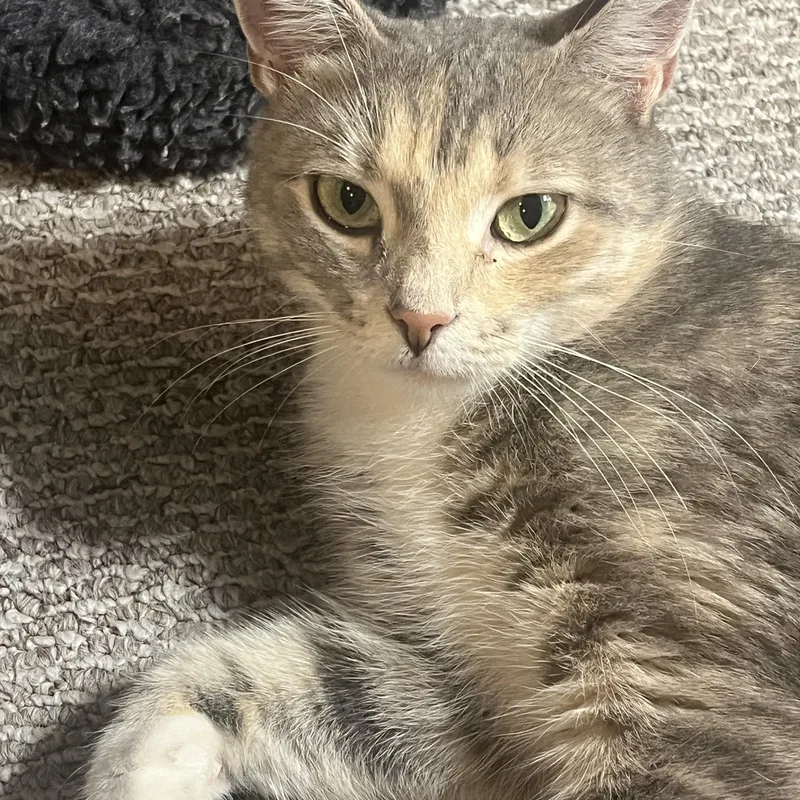
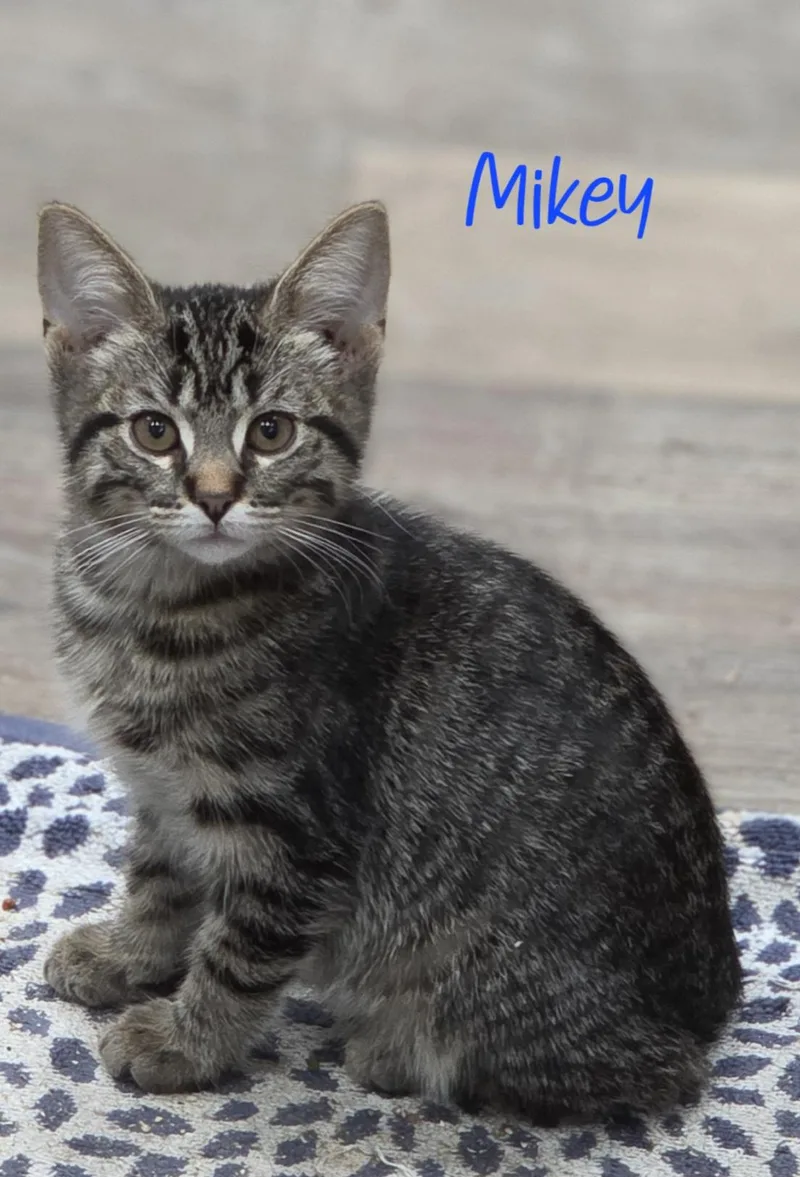
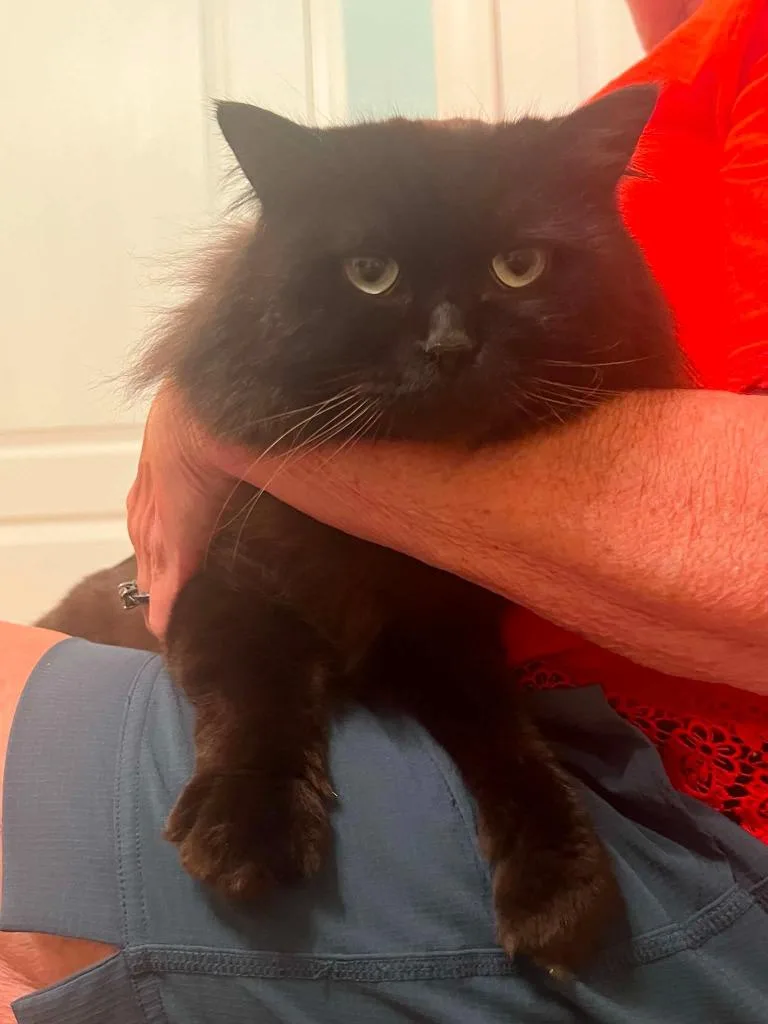
Dilute Tortoiseshell Cats for Adoption in Warren, MI

Your guide to finding and caring for a Dilute Tortoiseshell in Warren

248 Dilute Tortoiseshells available in Warren and nationwide

Meet your next Dilute Tortie

While we don't have enough cats near Warren, keep in mind that many rescues may offer transport.

Dilute Tortoiseshells Available for Adoption Near Warren

About the Dilute Tortoiseshell breed

A dilute tortoiseshell is not a breed but a softer version of the tortie coat pattern. Where a standard tortoiseshell mixes black and orange, a dilute tortie shows blue-gray and cream, sometimes called blue-cream, in patches or a fine marbled blend. The pastel shades come from a recessive dilution gene the cat inherits from both parents, and the patchwork itself depends on the X chromosome, which is why nearly all dilute torties are female.

Most dilute torties in shelters are domestic shorthairs or longhairs, though the coloring also appears in Persians, British Shorthairs, Maine Coons and other breeds. Their coat says nothing reliable about personality, despite the folklore of tortitude. Shelters see dilute torties that are shy, outgoing, cuddly or independent, so the individual cat's history and a meeting tell adopters far more than the color.

Weight
6–14 lbs
Height
8–10 in
Lifespan
12–18 yrs
Temperament
Affectionate, Independent, Curious
Shedding
Moderate

Owning a Dilute Tortoiseshell in Warren

Having a Dilute Tortoiseshell in Warren

Since dilute tortoiseshell describes coloring rather than ancestry, a cat's traits depend mostly on its breed mix, age and upbringing. These cards describe what holds for most dilute torties adopters meet, typically domestic cats with a wide range of personalities.

Temperament

Dilute torties are sometimes said to be gentler than their darker cousins or, alternatively, full of tortitude, but neither claim has solid evidence behind it. In shelters they range from timid to confident and from lap cats to independent explorers. The cat's history, socialization and current behavior predict life together far better than coat color.

Exercise Needs

A dilute tortie's activity needs depend on its age, health and ancestry rather than its coloring. Most indoor cats benefit from a couple of daily play sessions with wand toys or balls, along with puzzle feeders and climbing spots. Kittens and young adults usually need the most, while older cats enjoy shorter, gentler games.

Health Considerations

The dilute tortie pattern itself brings no known health risk for female cats. The rare males usually carry an extra X chromosome, are typically sterile and may have added health concerns. Otherwise, health depends on breed, age and care, so routine checkups, dental attention and a healthy weight matter most for any dilute tortoiseshell.

Living Space

Dilute tortoiseshell cats live happily in apartments or houses, since their needs depend on the individual rather than the coat. Indoor homes with scratching posts, perches and hiding spots suit most. Quieter cats often settle best in calm households, while confident ones can handle busy family life. Long-haired dilute torties also need a grooming routine.

What it costs to own a Dilute Tortoiseshell

ExpenseTypical costPer year
Food$25 to $50 per month$300 to $600
Pet insurance$20 to $45 per month$240 to $540
Routine vet care$150 to $350 per year$150 to $350
Other*$450 to $1,150 per year$450 to $1,150
Estimated yearly total (after year one)$1,140 to $2,640

Other costs are national averages for Dilute Tortoiseshells; we don't have costs specific to Warren yet.

* Litter, flea prevention, a dental cleaning allowance, toys and supplies, and home grooming; costs vary with the individual cat's size and coat.

Adopt a Dilute Tortoiseshell in Warren.

Now that you know more, let’s find you a new best friend. These rescues and shelters below currently have Dilute Tortoiseshells available.

Rescues in Warren with Dilute Tortoiseshells Available

Here are the rescues & shelters in the Warren area where you can find Dilute Tortoiseshells and other cats available for adoption.

Frequently Asked Questions

A tortoiseshell cat is a cat with a coat pattern, not a breed, that mixes black-based and orange-based colors in patches or a mottled blend with little or no white. The dilute version shows blue-gray and cream instead. The pattern appears in domestic shorthairs and many purebreds, and because of its genetics nearly all tortoiseshells are female.

Almost all tortoiseshell cats are female, but not every single one. The orange and black color genes sit on the X chromosome, and a cat needs two X chromosomes to show both colors together. Females have two, so they can be torties. A tortoiseshell male is possible only through rare genetic exceptions, such as carrying an extra X chromosome.

No, tortoiseshell cats are not rare. The pattern is common among domestic cats, and shelters regularly have torties available for adoption. What is rare is a male tortoiseshell, which occurs in only about one in every few thousand. Dilute torties are less common than standard black-and-orange ones because dilution is recessive, but they are far from unusual.

Yes, tortoiseshell cats can be male, but it is very rare, estimated at about one in 3,000 tortoiseshells. Most male torties have an extra X chromosome, an XXY makeup, which allows both orange and black colors to appear. These males are usually sterile and can face added health issues. A few others result from unusual genetic events such as chimerism.

Tortoiseshell cats typically live about 12 to 18 years, the same as other domestic cats, since coat color doesn't affect lifespan. Because nearly all torties are female, they may slightly benefit from the small longevity edge females show in some veterinary studies. Indoor living, a healthy weight, dental care and regular checkups have far more influence on lifespan.

A torbie cat is a tortoiseshell with tabby markings, combining the tortie's patches of black-based and orange-based color with the stripes, swirls or spots of a tabby. The name blends tortoiseshell and tabby. A dilute torbie shows blue-gray and cream with tabby striping. Like other torties, torbies are almost always female.

A tortoiseshell cat has a coat of black and orange-red mixed together, either in distinct patches or finely brindled like the shell material it is named for. Dilute torties show soft blue-gray and cream instead. Many have little or no white, and a few have a split face with one color on each side. Eye color varies by cat and breed.

Tortoiseshell is a mix of two color families: black or a related shade such as chocolate, and orange-red. In dilute tortoiseshells those colors soften to blue-gray and cream, and rarer versions show lilac and fawn. The name comes from the mottled brown, gold and black look of tortoiseshell material once used for combs and eyeglass frames.

Dilute tortoiseshell cats are less common than standard torties but not truly rare. The blue-gray and cream coloring requires the cat to inherit a recessive dilution gene from both parents, which happens less often than inheriting dominant full color. Dilute torties still turn up regularly in shelters, and male dilute torties are as rare as other male tortoiseshells.

We have 1 rescue with Dilute Tortoiseshells available: A Buddy for Life. You can see every rescue with Dilute Tortoiseshells available in the list above these questions, or scroll to the top to see the Dilute Tortoiseshells near Warren.

Explore Other Breeds in Warren

Looking for a different breed? Browse other cats available for adoption in Warren.