
Domestic Short Hair Cats for Adoption in Kalamazoo, MI

Your guide to finding and caring for a Domestic Short Hair in Kalamazoo

A Domestic Short Hair suits Kalamazoo's apartments and older rental houses well. These cats don't need much floor space, so a downtown loft, a divided house on West Main Hill or a Knollwood apartment can work if there's a window perch and something to climb. In a tall-windowed Stuart Queen Anne, a DSH will probably claim the sill within a day. Long Michigan winters keep cats indoors, so daily play matters more than the size of the place.

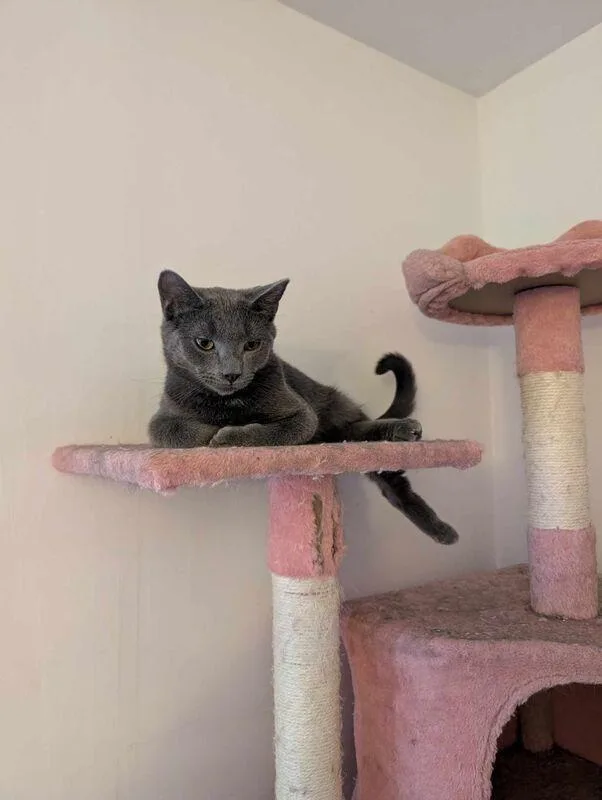
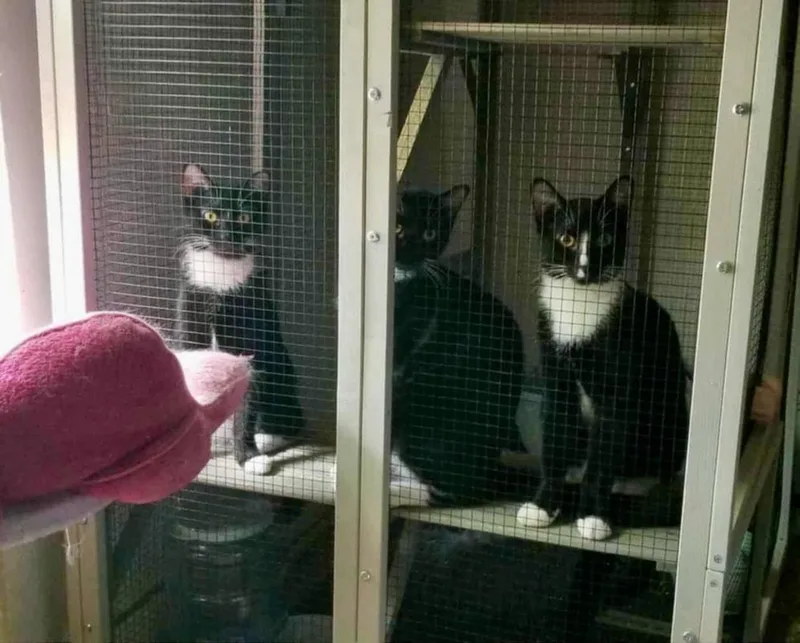
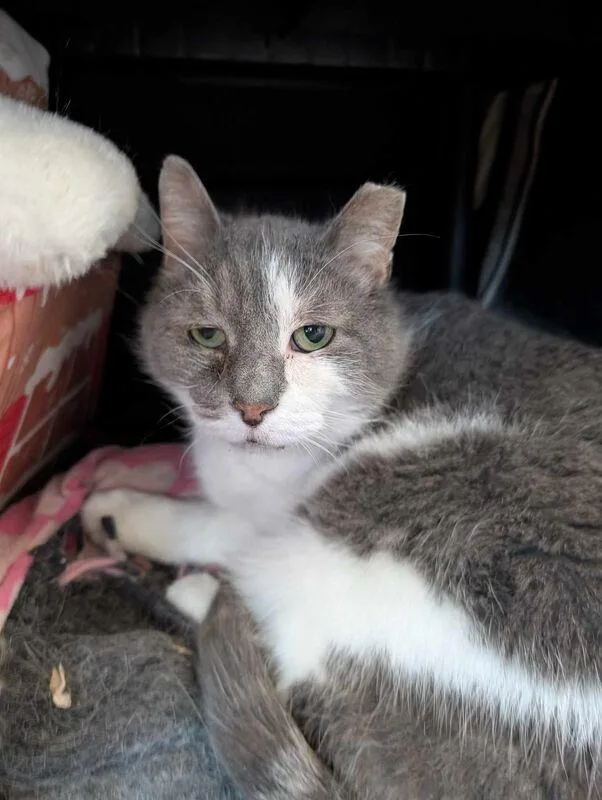
84 Domestic Short Hairs available for adoption in Kalamazoo

Find your Domestic Short Hair

Domestic Short Hairs Available for Adoption in Kalamazoo

About the Domestic Short Hair breed

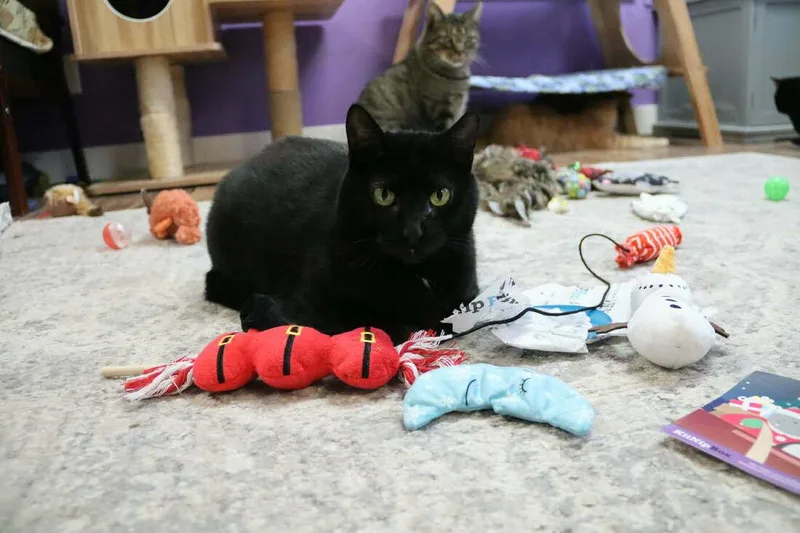
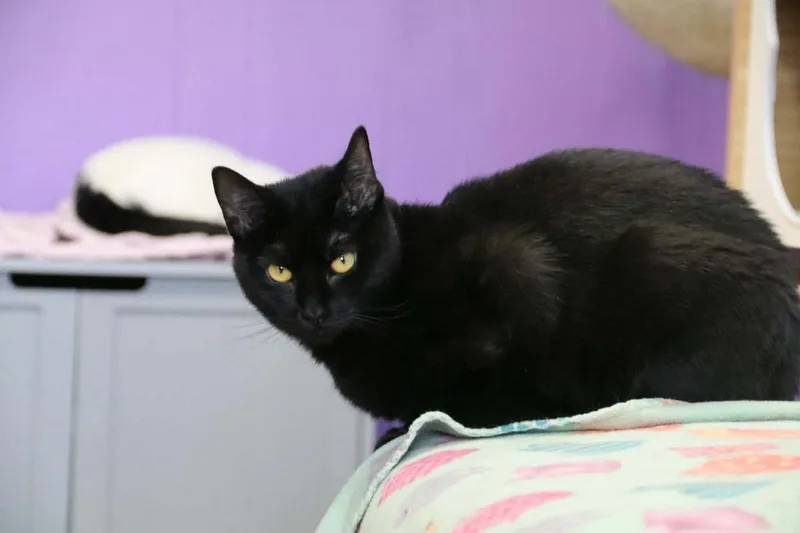
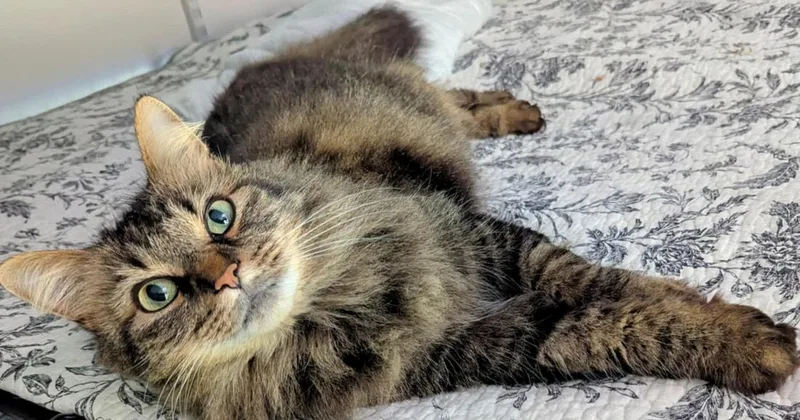
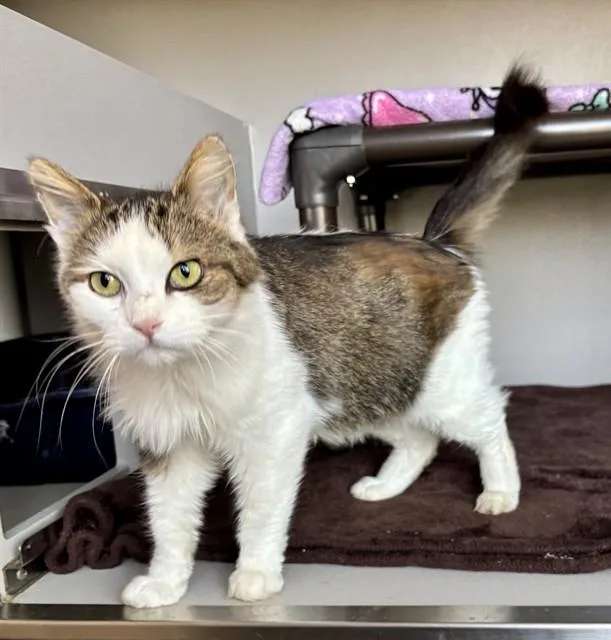
Domestic Short Hair is a coat type, not a breed. These are short-coated cats of mixed or unknown ancestry, and the label DSH on an adoption record simply means the cat doesn't match a pedigreed breed. They come in every color and pattern, from tabby and tuxedo to calico and solid black, and most are medium-sized and sturdy.

Because the gene pool is so wide, personalities range from lap-hungry to aloof, and one cat's habits say little about the next. In Kalamazoo, where snow keeps most cats inside for months, it helps to notice how a cat uses space: a climber wants shelves, a watcher wants a window. The short coat needs only a weekly brush, though shedding picks up as the seasons change.

Weight
6–14 lbs
Height
8–10 in
Lifespan
12–18 yrs
Temperament
Adaptable, Curious, Affectionate
Shedding
Moderate

Owning a Domestic Short Hair in Kalamazoo

Having a Domestic Short Hair in Kalamazoo

A DSH's coat is easy to care for, but nearly everything else varies from cat to cat. In Kalamazoo, the most useful questions are how a cat handles indoor winters, apartment living and the occasional noisy fireworks night, rather than what the label says.

Temperament

Domestic Short Hairs run from social lap cats to quiet observers, and age matters as much as anything. Adults show settled personalities, while kittens are still developing theirs. In Kalamazoo apartments with shared walls, notice how a cat reacts to noise. Fireworks nights in late June and early July are easier on cats with a covered bed or closet to retreat to.
Exercise Needs

Plan on two or three short play sessions a day with a wand toy or food puzzle, more for young cats. Michigan's long winters keep most cats inside, so vertical space helps: a cat tree by a window, shelves or a perch lets a cat watch snow and birds. Seniors do well with gentler, shorter sessions.

Health Considerations

Common concerns include weight gain, dental disease and urinary problems, plus kidney disease, hyperthyroidism and diabetes in older cats. Indoor winters can mean less activity, so weigh a cat regularly and measure meals. A veterinarian can check body condition, teeth and baseline bloodwork at the first visit after adoption.

Living Space

Kalamazoo has plenty of apartments, student-area rentals and older houses, and a Domestic Short Hair can adapt to any of them. A tall cat tree, window perch, scratching post and a quiet litter spot matter more than square footage. Keep window screens secure in upper-floor units, and keep the cat indoors or in a secure enclosure.

What it costs to own a Domestic Short Hair in Kalamazoo

ExpenseTypical costPer year
Adoption fee$35 to $100, one time$35 to $100 in year one
Food$25 to $50 per month$300 to $600
Pet insurance$20 to $45 per month$240 to $540
Routine vet care$150 to $350 per year$150 to $350
Other*$450 to $1,150 per year$450 to $1,150
Estimated yearly total (after year one)$1,140 to $2,640
First-year total (with adoption fee)$1,175 to $2,740

Adoption fee is the range of fees on Domestic Short Hair listings in Kalamazoo on GetBuddy today. Other costs are estimates and vary with size, age and health.

* Litter, flea prevention, a dental cleaning allowance, toys, scratchers and other supplies, and minimal home grooming.

Adopt a Domestic Short Hair in Kalamazoo.

Now that you know more, let’s find you a new best friend. These rescues and shelters below currently have Domestic Short Hairs available.

Rescues in Kalamazoo with Domestic Short Hairs Available

Kalamazoo has a county shelter and nonprofit groups, and Domestic Short Hairs are among the most common cats in shelters. Here are the rescues & shelters in the Kalamazoo area where you can find Domestic Short Hairs and other cats available for adoption.

Frequently Asked Questions

Yes, but only in an enclosed carrier. Kalamazoo Metro buses prohibit animals other than service animals and those transported in enclosed crates, and Metro Link on-demand rides require a carrier that fits on your lap or beside your seat. There's no subway or light rail. Choose a sturdy, escape-proof carrier your Domestic Short Hair already knows.

Yes, as indoor cats. Kalamazoo gets heavy snow most winters and about five nights a year at 0°F or below, and a short coat gives little protection outside. A warm bed away from drafts, a sunny perch and daily play keep a Domestic Short Hair comfortable and active until spring.

Yes. There are no known breed restrictions in Kalamazoo, and Domestic Short Hairs aren't a breed anyway. No cat license is known to be required, though the city limits dogs to three per dwelling unit, which matters in mixed households. Your lease is the likelier hurdle, so read its pet terms. Watch this page's listings for cats.

Yes. Domestic Short Hairs generally do well in apartments, including the student-heavy rentals near Western Michigan University. A cat tree, window perch and daily play matter more than square footage. Use secure window screens, keep the litter box away from shared walls and scoop daily. A cat that stays calm around noise usually handles busy buildings best.

Often, yes, especially for someone who can play with a cat for part of each day. Winters keep cats indoors, so a Domestic Short Hair needs enrichment, while mild summers make cooling simple. Because the label covers many kinds of cats, judge a listed cat by age, energy and behavior rather than coat. Plan a quiet room for fireworks nights.

Very little. A weekly brushing handles most shedding, with a few extra sessions as the coat changes in spring and fall. Dry indoor heat in winter can make skin flaky, so brush gently. Most owners groom at home, so grooming adds little to the yearly Other costs. Seniors or overweight cats may need help reaching spots.

Domestic shorthair cats typically live about 12 to 18 years, and many indoor cats reach their late teens or early twenties. Large UK veterinary studies have found mixed-breed cats tend to live slightly longer than pedigreed cats on average. Spaying or neutering, indoor living, a healthy weight, dental care and regular checkups all help a cat enjoy a longer life.

No, domestic shorthair cats are not hypoallergenic. The main cat allergen, a protein called Fel d 1, comes from saliva and skin glands, so short fur does not prevent reactions. Allergen levels vary between individual cats, and some people react less to certain cats. Spending time with a specific cat before adopting is the best way to test your response.

We have 4 rescues with Domestic Short Hairs available, including Kzoo Cat Cafe and Rescue, SPCA of Southwest Michigan and Kalamazoo County Animal Services & Enforcement. You can see every rescue with Domestic Short Hairs available in the list above these questions, or scroll to the top to see the Domestic Short Hairs in Kalamazoo.

A Domestic Short Hair typically costs about $1,140 to $2,640 a year in Kalamazoo: food at $25 to $50 a month, insurance at $20 to $45 a month, routine vet care at $150 to $350, and $450 to $1,150 for litter, parasite prevention, dental care and supplies. Illness and emergencies cost extra, and older cats may need more.

Explore Other Breeds in Kalamazoo

Looking for a different breed? Browse other cats available for adoption in Kalamazoo.